Artwork
Roman Ruins with a Sepulchre
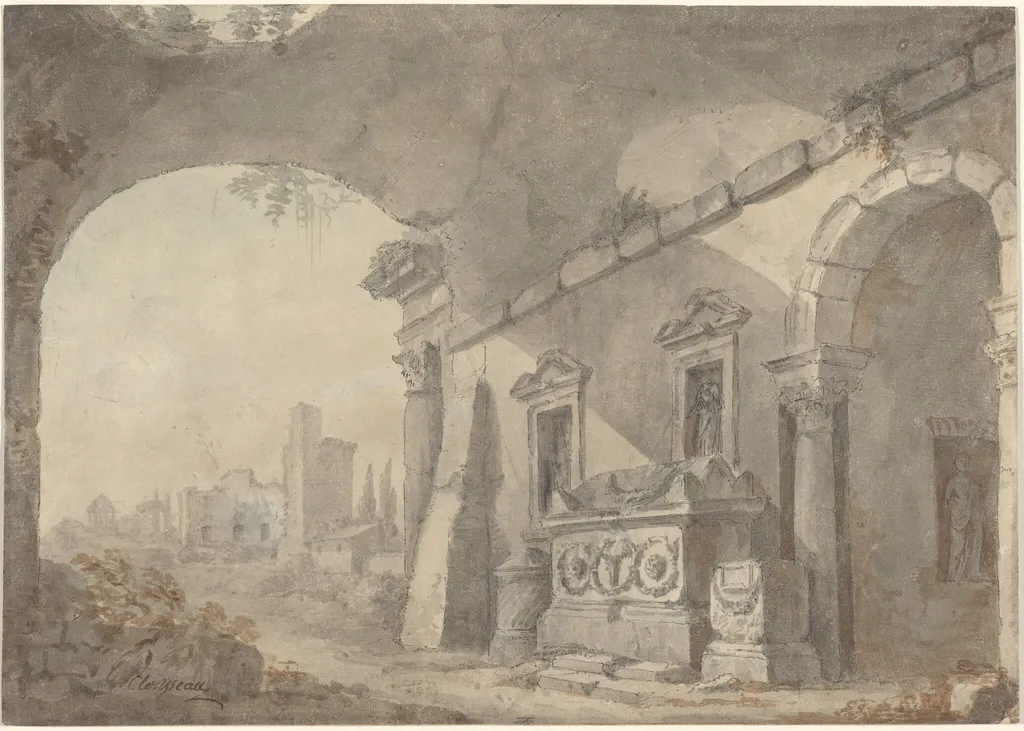
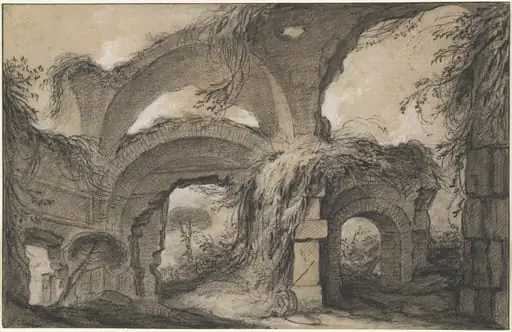
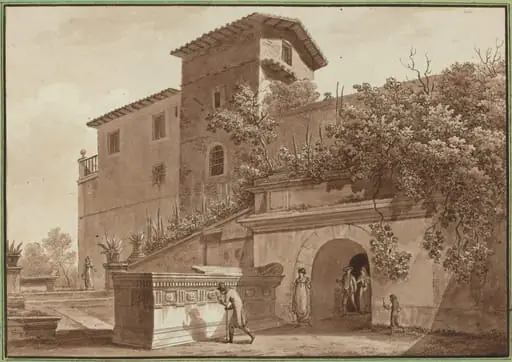
Roman Ruins with a Sepulchre is an ink drawing by the Baroque artist Charles Louis Clérisseau. It dates from 1771 and is held in the collection of the National Gallery of Art. Created in 1771, this drawing presents a solitary tomb set amid the fragmented remains of a Roman structure.
About this work
Overview
Created in 1771, this drawing presents a solitary tomb set amid the fragmented remains of a Roman structure. Executed on laid paper, the composition balances precise architectural detail with a muted atmospheric quality, inviting contemplation of decay and antiquity.
Subject & Meaning
The central sepulchre, framed by crumbling columns and arches, serves as a visual meditation on the passage of time and the enduring presence of the dead within the built environment. The work reflects an antiquarian interest in how monumental architecture interacts with funerary forms.
Technique & Style
Employing fine pen lines rendered in gray ink, the artist delineates structural elements with clarity, while delicate washes of watercolor introduce tonal depth and a subtle, almost hazy ambience. The combination of precise draftsmanship and soft coloration typifies the neoclassical fascination with archaeological accuracy tempered by romantic mood.
History & Provenance
The drawing originates from a French architect renowned for his studies of ancient Roman sites, whose publications influenced both European and early American tastes for classical design. Though the piece remained in private collections for much of its early life, it entered a public institution in the late 20th century, where it is now displayed as an exemplar of 18th‑century architectural drawing.
Context
Produced during the height of the neoclassical movement, the work aligns with a broader cultural turn toward the systematic documentation of antiquities. It reflects contemporary scholarly excursions to Italy and the growing demand among patrons for visual records that could inform architectural projects and interior décor.
Artist & collection
Artist
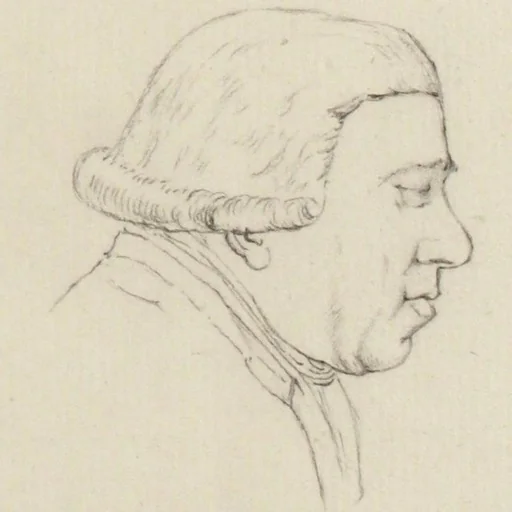
Charles-Louis Clérisseau (28 August 1721 – 9 January 1820) was a French architect, draughtsman, antiquary, and artist who became a leading authority on ancient Roman architecture and Roman ruins in Italy and France.