Artwork
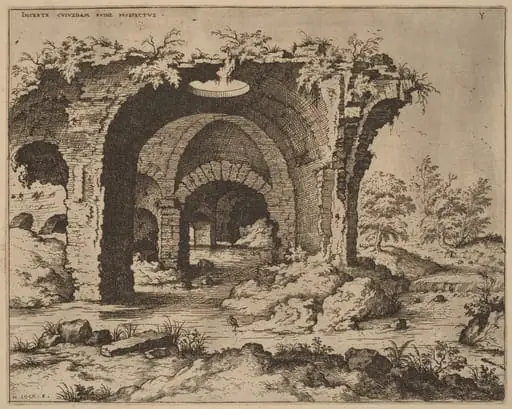
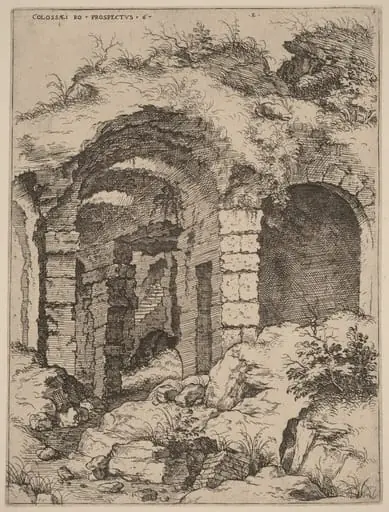
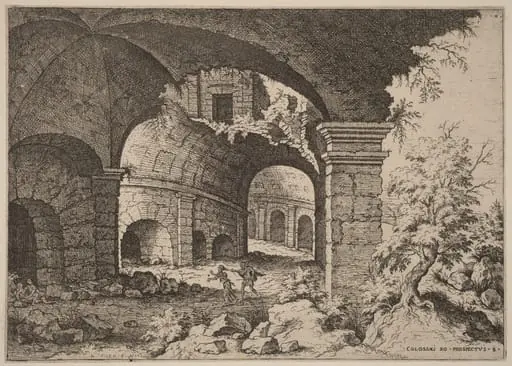
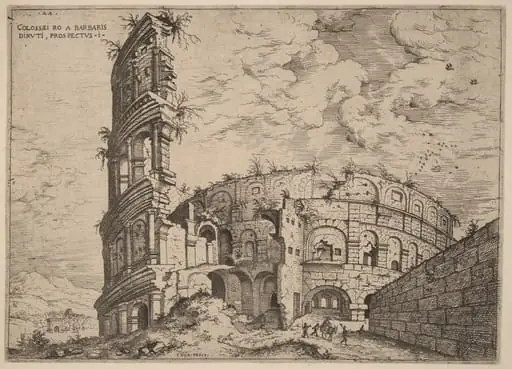
Fifth View of the Colosseum
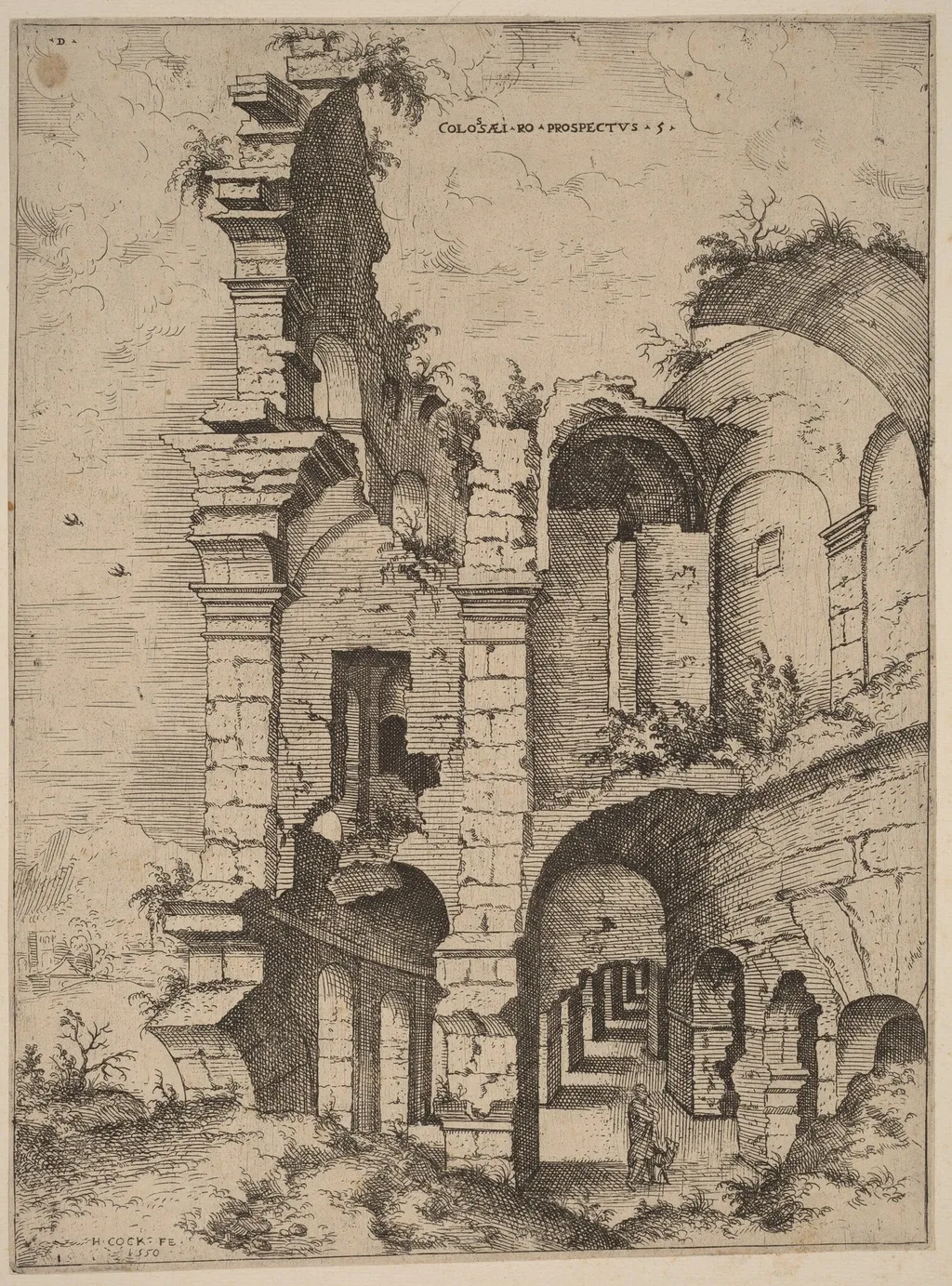
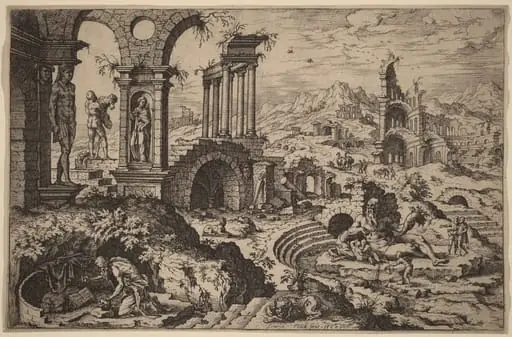
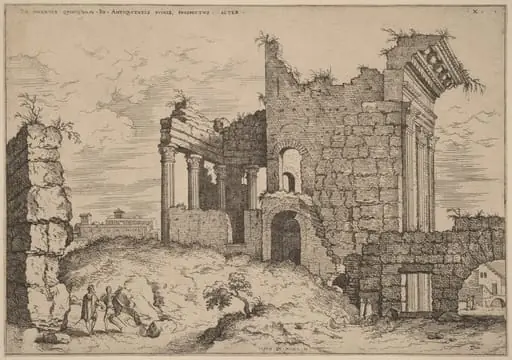
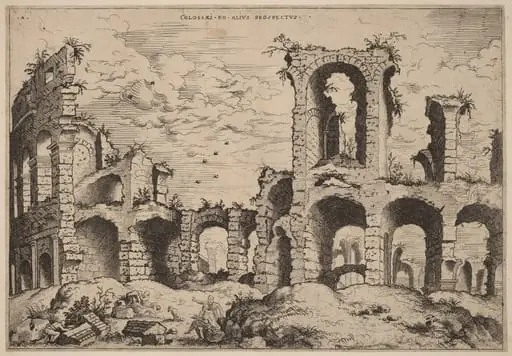
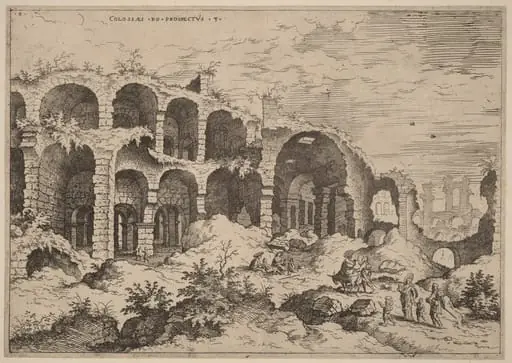
Fifth View of the Colosseum is an ink print by the Renaissance artist Hieronymus Cock. It dates from 1550 and is held in the collection of the National Gallery of Art.
About this work
Overview
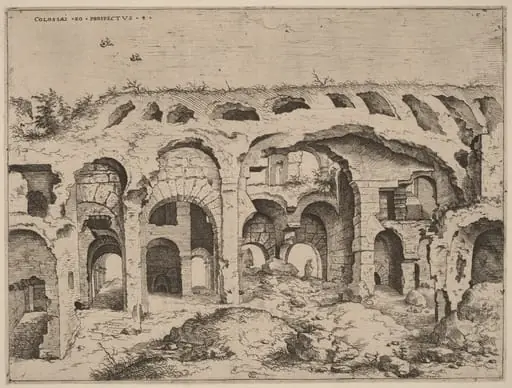
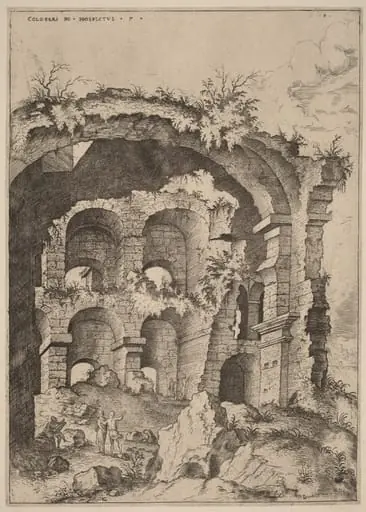
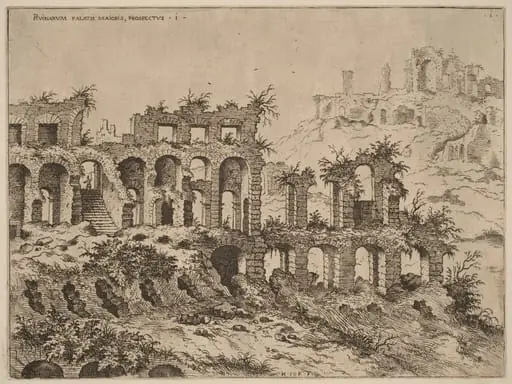
Created in 1550 by Hieronymus Cock, this etching on laid paper presents the Colosseum as a weathered ruin amid natural encroachment.
Created in 1550 by Hieronymus Cock, this etching on laid paper presents the Colosseum as a weathered ruin amid natural encroachment. As part of a series documenting Roman architecture, it reflects the growing northern European fascination with antiquity. Cock, based in Antwerp, was instrumental in advancing printmaking as a commercial enterprise, and this work exemplifies his role in distributing architectural imagery beyond Italy.
Subject & Meaning
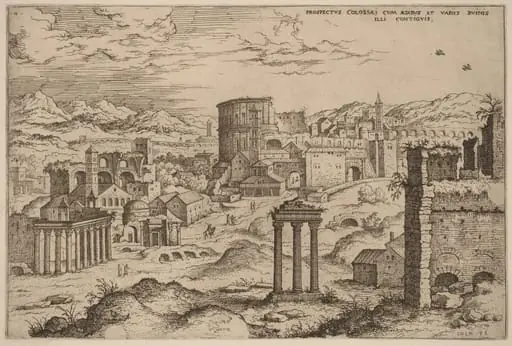
The image captures the Colosseum not as a functioning monument but as a fragment of the past, overtaken by vegetation. Crumbling arches, tilted columns, and trees growing from fissures suggest the passage of time and nature’s reclamation. The scene evokes contemplation of imperial decline, aligning with Renaissance humanist interests in the transience of power and the enduring presence of ancient ruins.
Technique & Style
Cock employed etching to render fine, controlled lines that model form and depth. The texture of stone, the irregularity of overgrowth, and the play of light and shadow are achieved through delicate hatching and cross-contouring. The composition emphasizes verticality and decay, with no human figures to distract from the architectural subject, reinforcing a quiet, observational tone.
History & Provenance
Produced by Cock’s Antwerp publishing house, this print was part of a broader effort to catalog classical sites for a northern European audience. It circulated widely through his network of dealers and patrons, contributing to the standardization of architectural representation in print. The work’s survival in multiple institutional collections attests to its early and sustained reception.
Context
In mid-16th century Europe, interest in Roman antiquities surged among scholars and artists. Travel to Rome remained difficult for many, making printed views essential for disseminating knowledge of ruins. Cock’s series responded to this demand, blending topographical accuracy with artistic interpretation, and helped shape how northern Europeans visualized classical Rome.
Legacy
Cock’s etchings of the Colosseum influenced later topographical printmakers and contributed to the development of architectural documentation as a genre. His technical precision and commercial approach set a precedent for the mass production of cultural imagery. The work remains a key example of how printmaking bridged the gap between scholarly inquiry and public engagement with antiquity.
Artist & collection
Artist
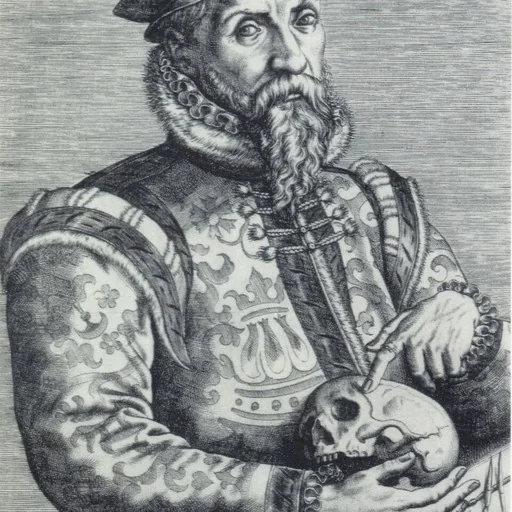
Hieronymus Cock, or Hieronymus Wellens de Cock, (1518 – 3 October 1570) was a Flemish painter and etcher as well as a publisher and distributor of prints.