Artwork
Rhine landscape with a waterfall
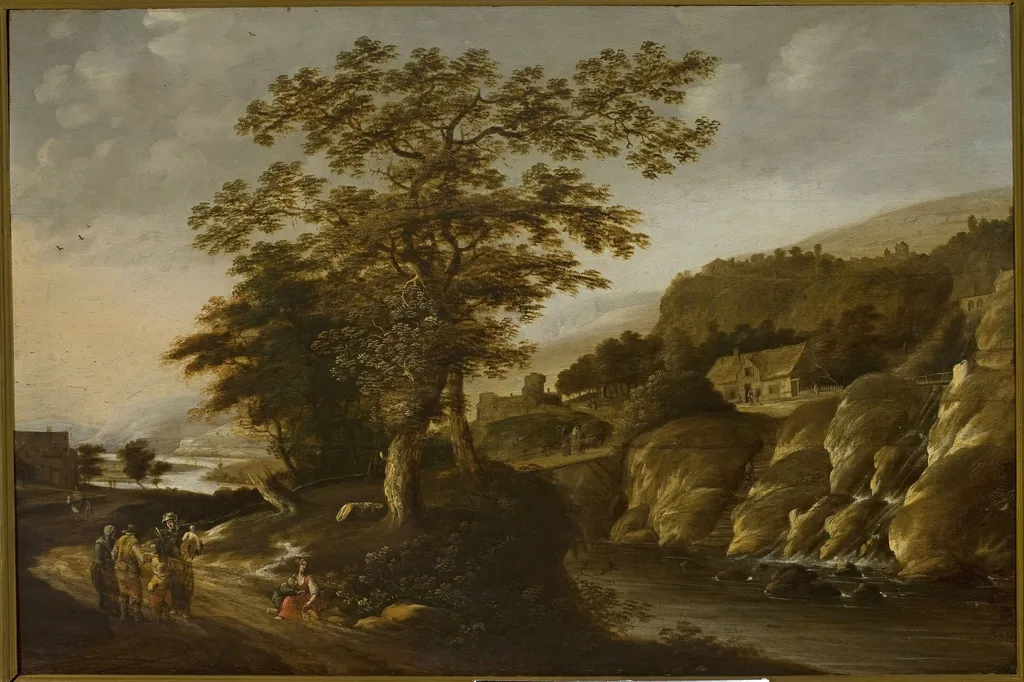
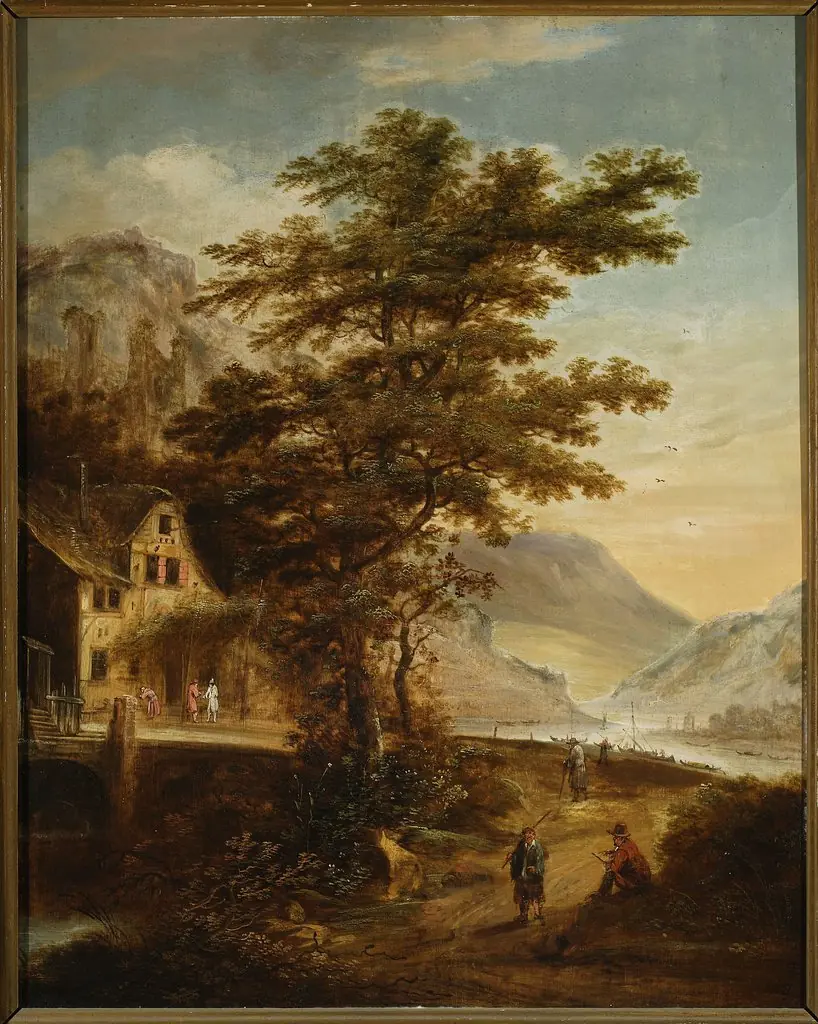
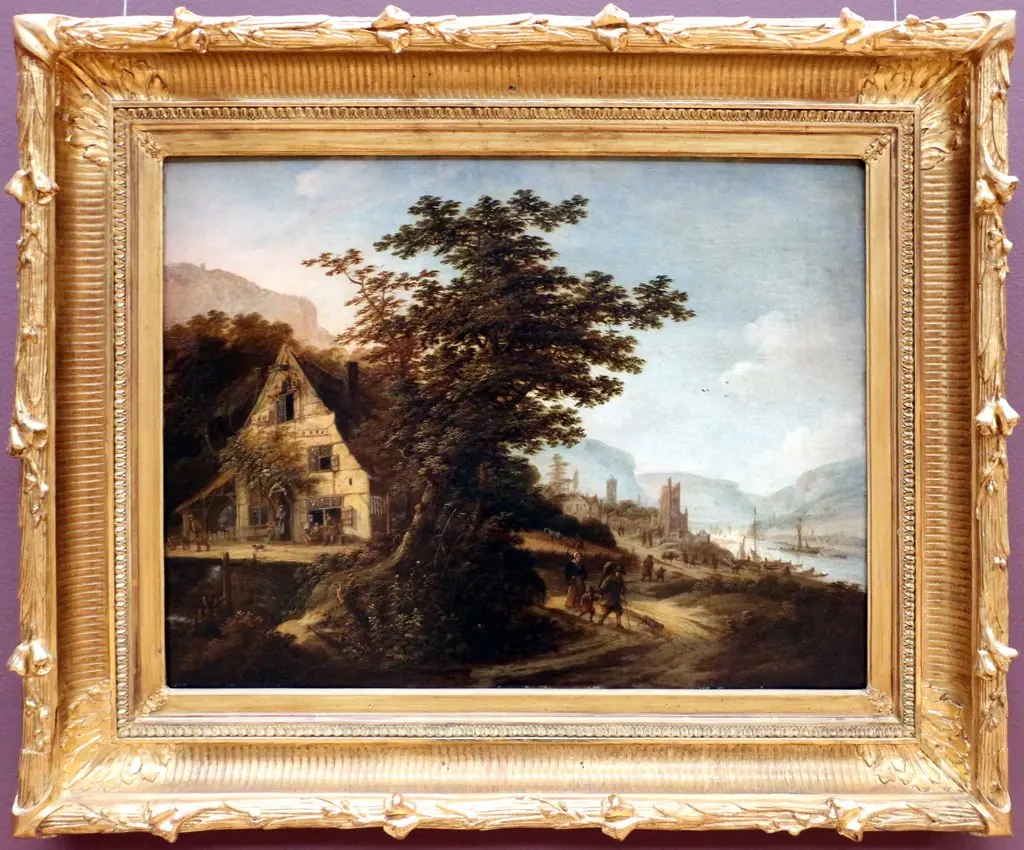
Rhine landscape with a waterfall is an oil painting by the Barbizon school artist Claes Jansz. van der Willigen. It dates from 1663 and is held in the collection of the National Museum in Warsaw.
About this work
Overview
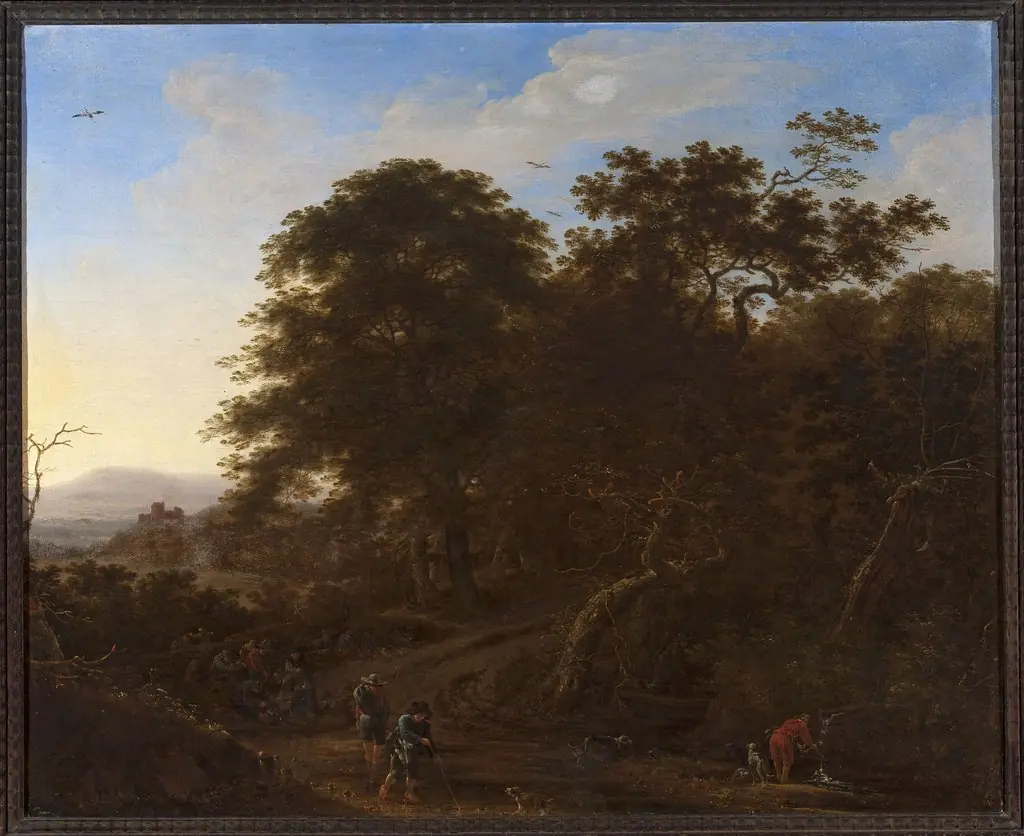
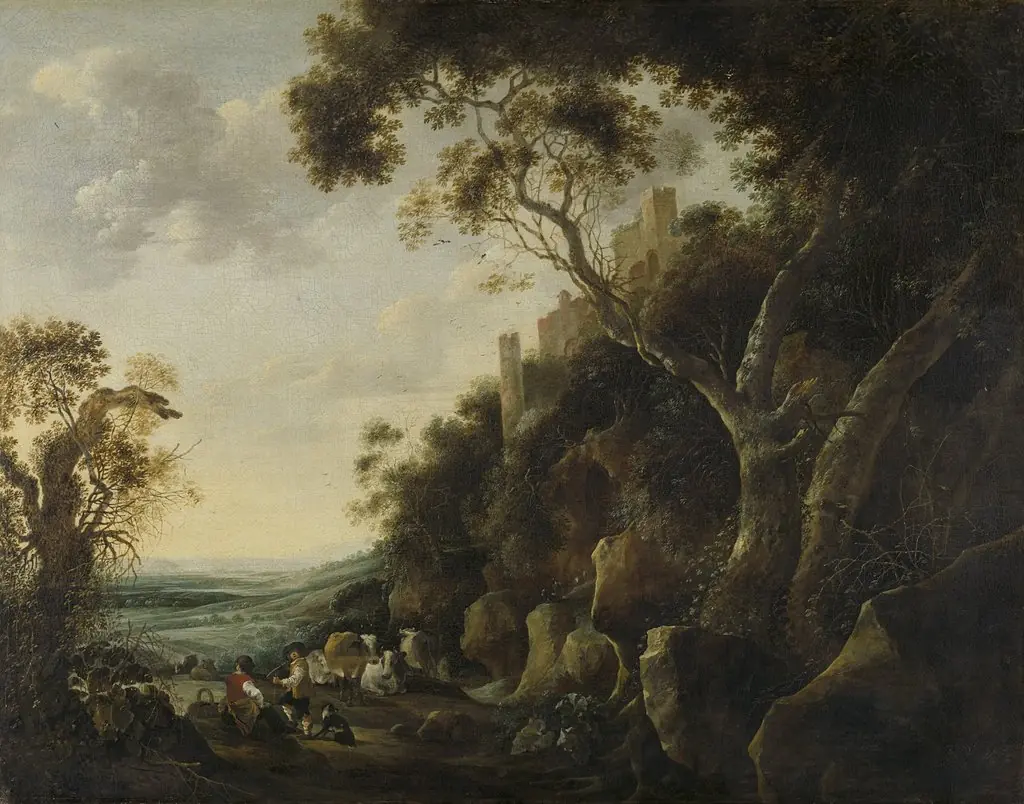
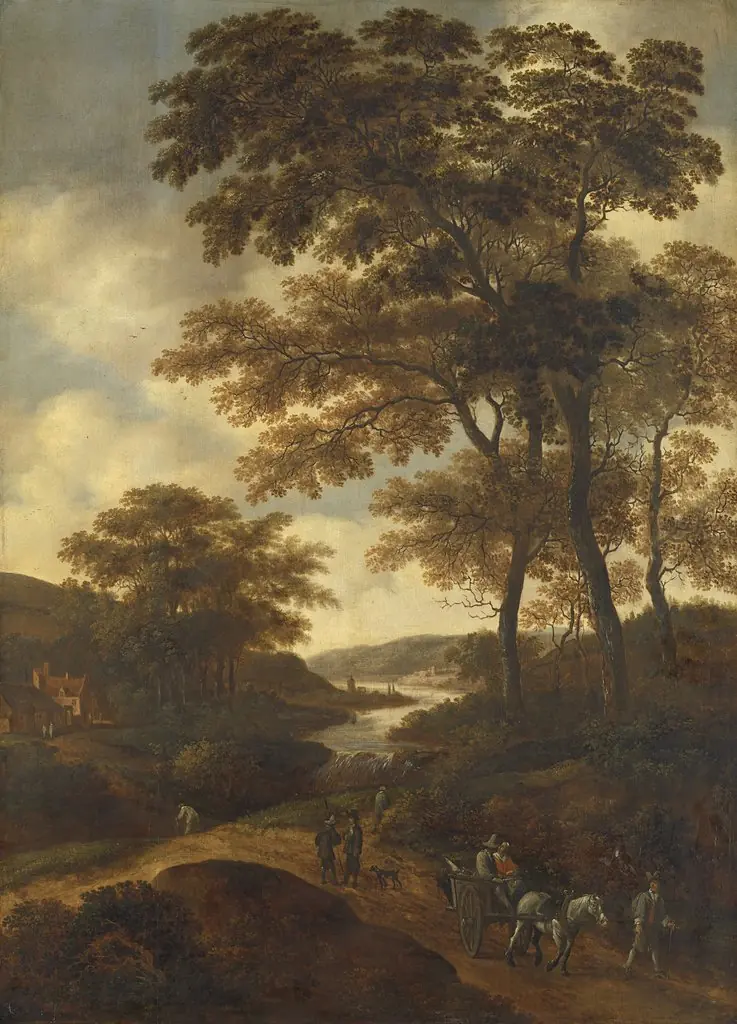
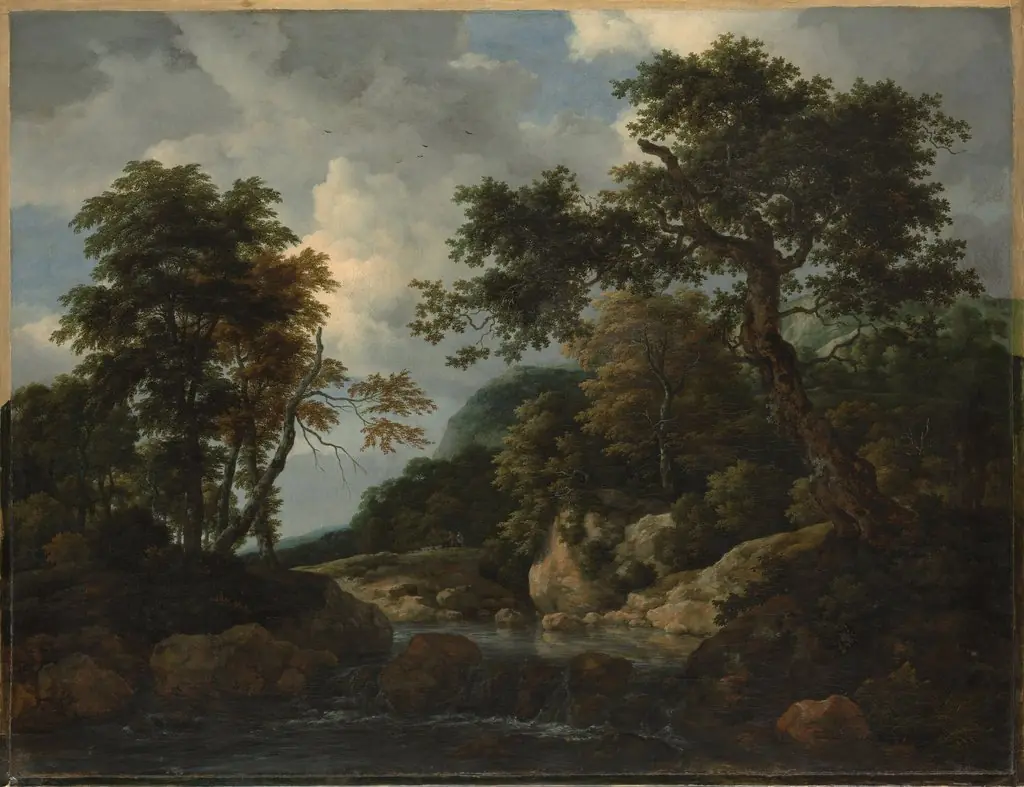
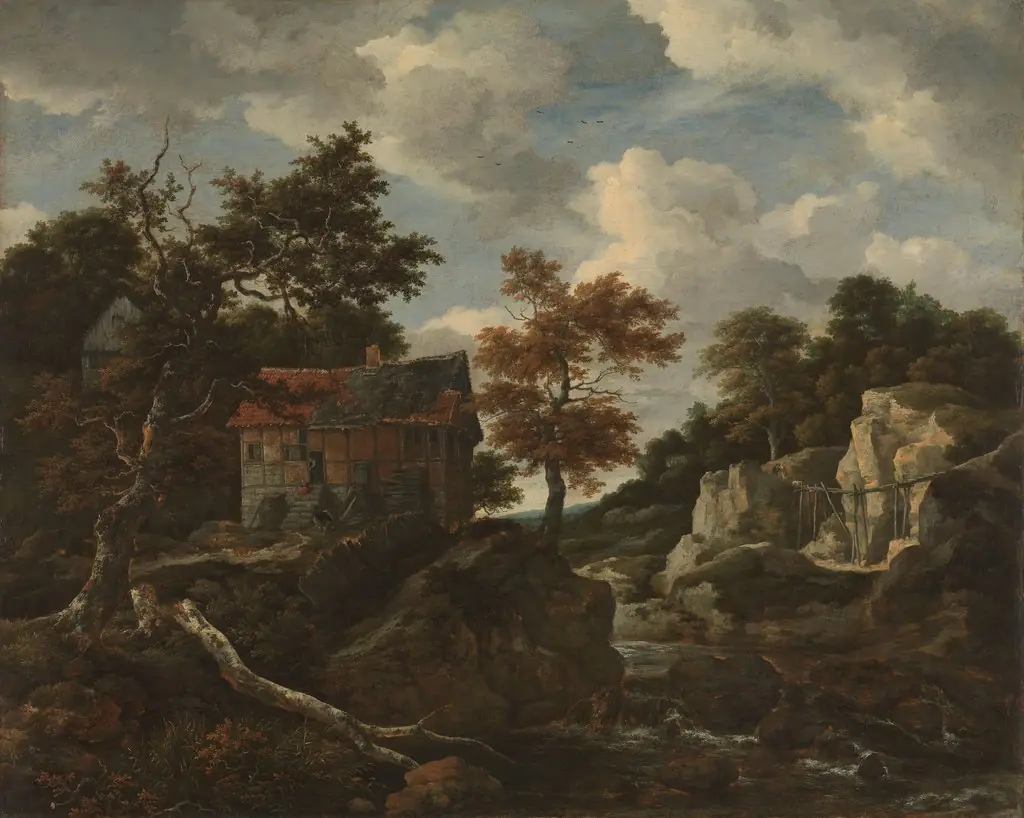
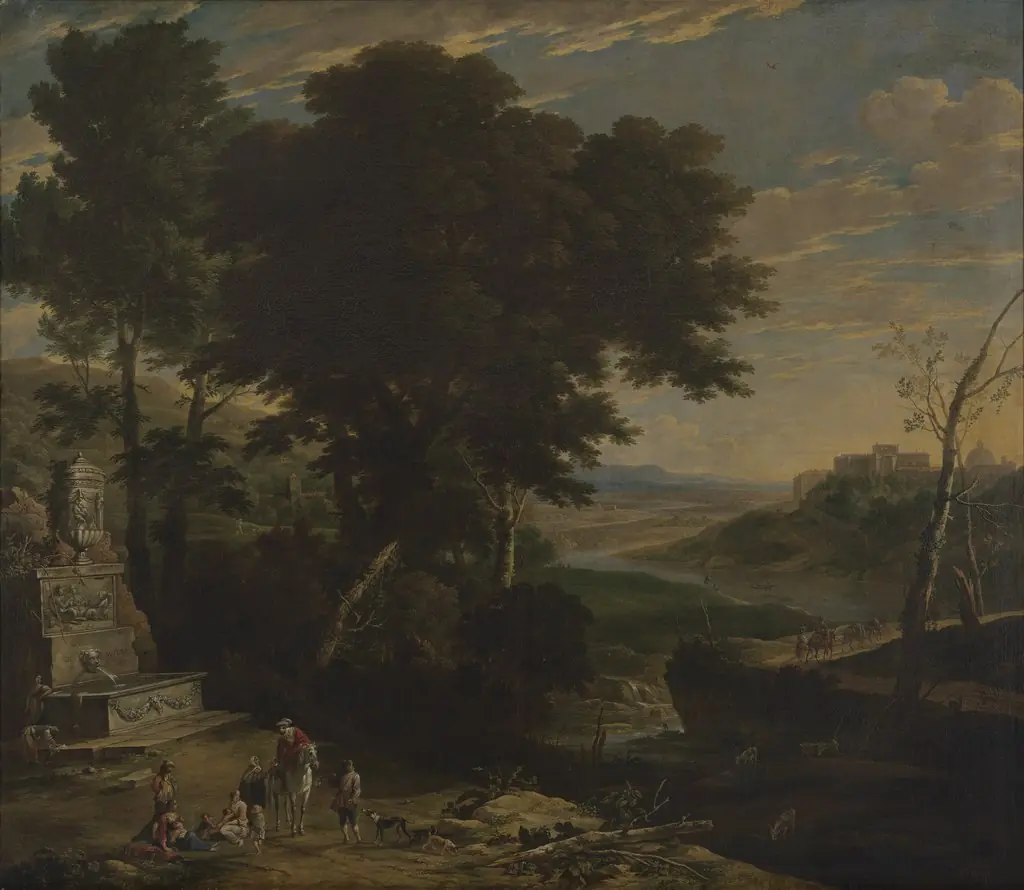
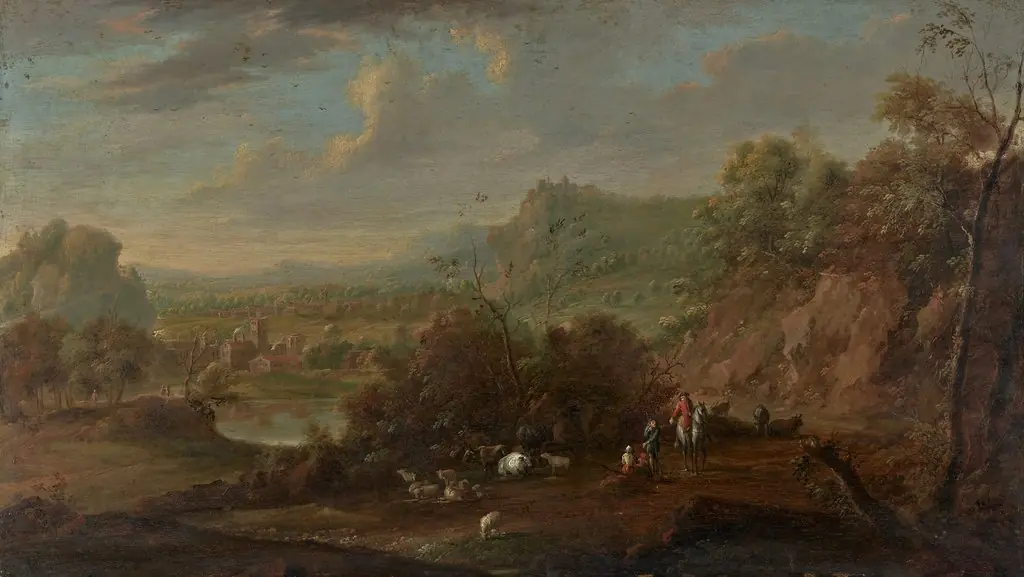
Created around 1663, this oil painting depicts a riverine scene along the Rhine, featuring a prominent tree in the foreground and a cascading waterfall on the right. The composition extends into a distant river flanked by hills and modest architecture, under a cloud‑filled sky that lends a muted atmosphere.
Subject & Meaning
The work combines natural and human elements: figures and livestock gather near the tree and along the water’s edge, suggesting everyday activity within a pastoral setting. The waterfall introduces a dynamic contrast to the otherwise tranquil landscape, emphasizing the interplay of motion and stillness.
Technique & Style
Executed in oil on canvas, the artist employs a restrained palette of browns, grays, and subdued greens. Loose brushwork renders the cloudy sky and distant hills, while finer detailing defines the foliage, figures, and the water’s flow, creating a sense of depth and atmospheric perspective.
History & Provenance
The painting is attributed to Dutch artist Claes Jansz. van der Willichen, a 17th‑century landscape specialist. It entered the collection of the National Museum in Warsaw, where it remains part of the museum’s permanent holdings.
Context
Van der Willichen worked during the Dutch Golden Age, a period marked by meticulous observation of nature and everyday life. This piece reflects the era’s interest in realistic terrain, integrating human presence within expansive, often idealized, river landscapes.
Artist & collection
Artist
Claes Jansz. van der Willigen (1630–1676) was an artist, born in Rotterdam.