Artwork
Sir Amias Poulett
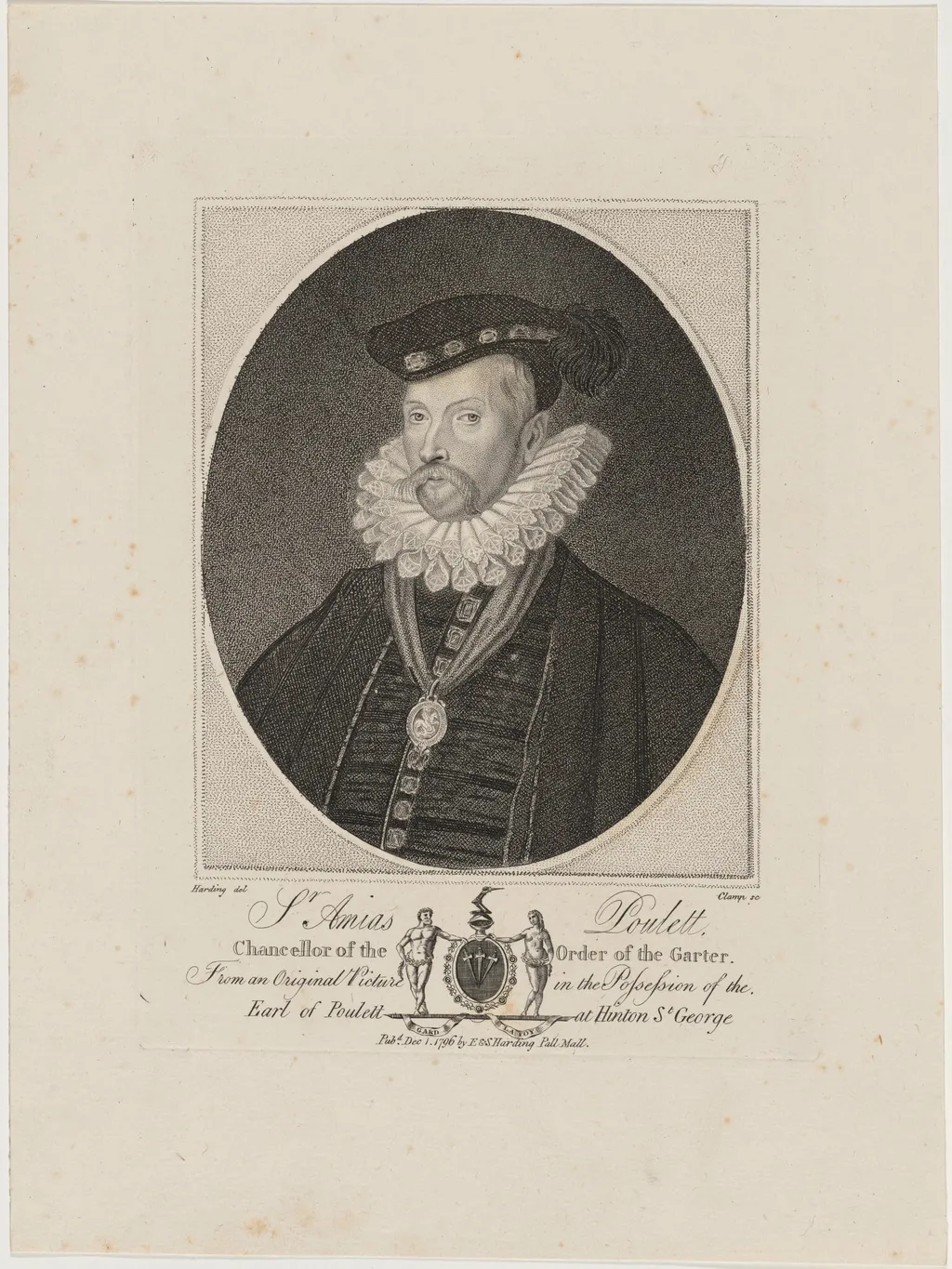
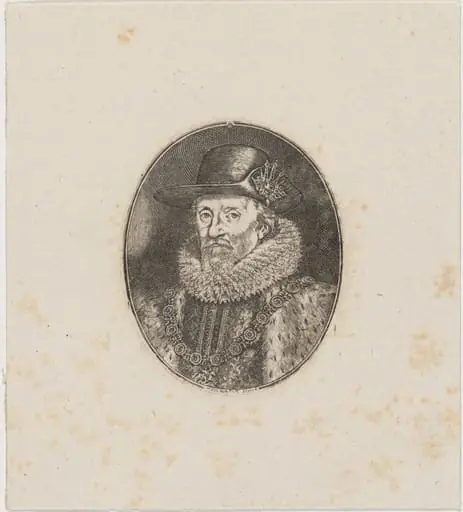
Sir Amias Poulett is a print by the Romanticist artist R. Clamp. It dates from 1796 and is held in the collection of the National Gallery of Art. This stipple engraving, produced in 1796 by R.
About this work
If you're interested in learning more about this style of painting, you might want to explore the Romanticism movement.
This painting shows a man in a ruffled collar and a hat, looking to the side. He is wearing a dark jacket with buttons down the front and a large medallion around his neck. The background of the painting is a solid color.
The man's clothing and the style of the painting suggest that it is from the 18th century. The artist has used a stipple technique to create a detailed and textured image.
If you're interested in learning more about this style of painting, you might want to explore the Romanticism movement.
Overview
This stipple engraving, produced in 1796 by R. Clamp, depicts Sir Amias Poulett, a British nobleman. Rendered in fine dots to simulate tonal gradations, the print captures his likeness with precision. The composition is formal and restrained, typical of portraiture in late 18th-century Britain. The background is uniformly dark, directing focus to the figure’s attire and facial expression.
Subject & Meaning
Sir Amias Poulett, a member of the English gentry, is portrayed in civilian dress rather than military or ceremonial regalia. His ruffled collar, buttoned jacket, and prominent medallion suggest status and personal distinction. The sideways gaze conveys quiet introspection, avoiding direct engagement with the viewer. The image emphasizes dignity and composure, reflecting ideals of aristocratic bearing in the period.
Technique & Style
The portrait employs stippling—a method using thousands of tiny ink dots to build form and shadow. This technique, popular in reproductive prints of the era, allowed for subtle modeling without line work. The result is a soft, textured surface that mimics the appearance of chalk or pencil drawings. The style prioritizes detail over dramatic expression, aligning with the precision valued in engraved portraiture.
History & Provenance
Created in 1796, the print was likely made to circulate among Poulett’s associates or as part of a collection of notable figures. R. Clamp, a known engraver of the time, specialized in translating painted portraits into print. No documented early ownership records survive, but the work appears in later 19th-century British print archives, suggesting continued interest in aristocratic likenesses.
Context
In the late 1790s, stipple engraving was widely used for portraits of the elite, offering an affordable alternative to oil paintings. While Romanticism emphasized emotion and nature, this print reflects the enduring preference for controlled, dignified representation among the British upper class. The format aligns with the era’s print culture, where images of public figures were collected and displayed in private homes.
Legacy
The print remains a modest example of late Georgian portraiture, valued for its technical execution rather than historical prominence. It contributes to the record of how aristocratic identity was visually sustained through reproductive media. Though not widely exhibited today, it persists in institutional collections as evidence of 18th-century printmaking practices and social representation.
Artist & collection

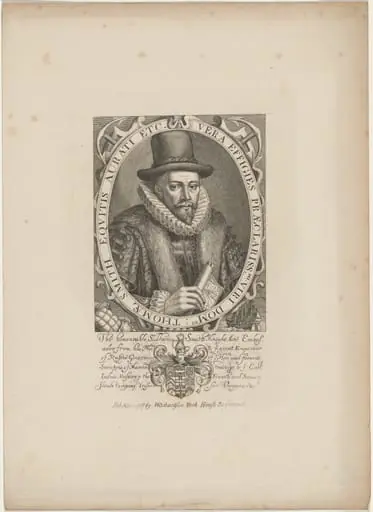 Sir Thomas Smith
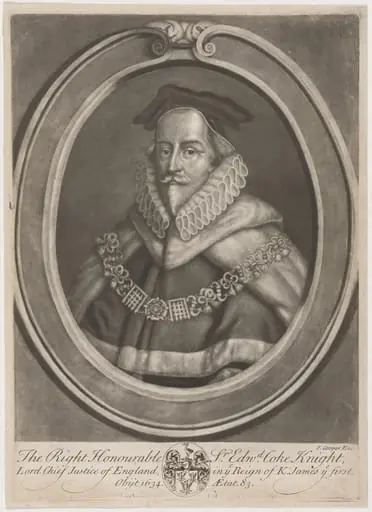 Sir Edward Coke, Knight, Lord Chief Justice
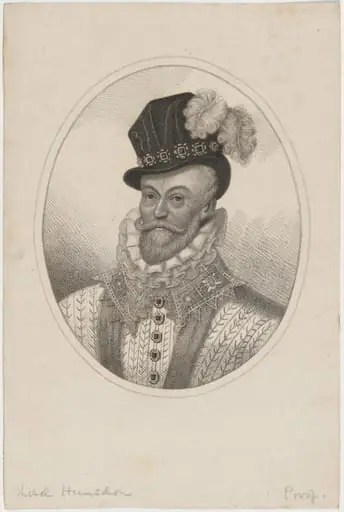 Lord Hundson, Henry Carey
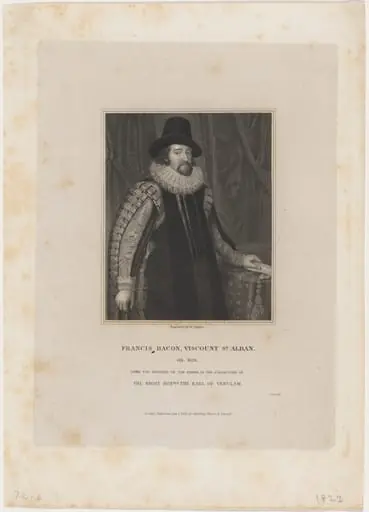 Francis Bacon, Viscount St. Alban
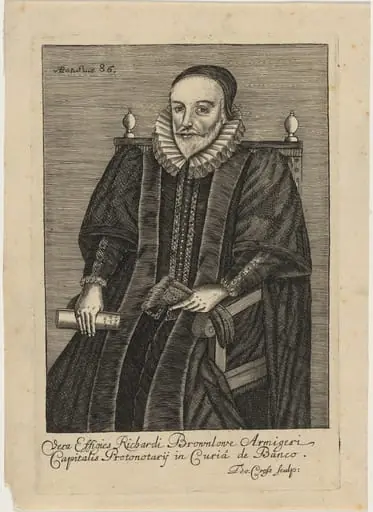 Richardi Brownlowe Armigeri
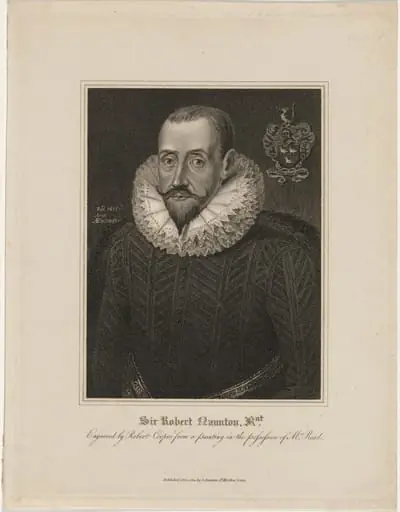 Sir Robert Naunton, Secretary of State for James I
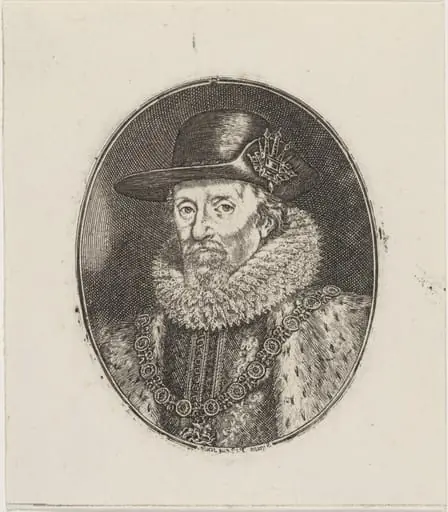 James I, King of England
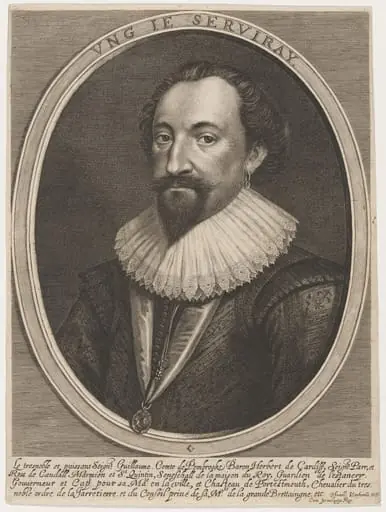 William Herbert, Third Earl of Pembroke
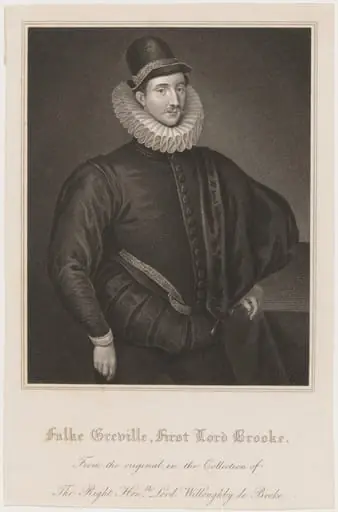 Fulke Greville, First Lord Brooke, Poet
 James I, King of England
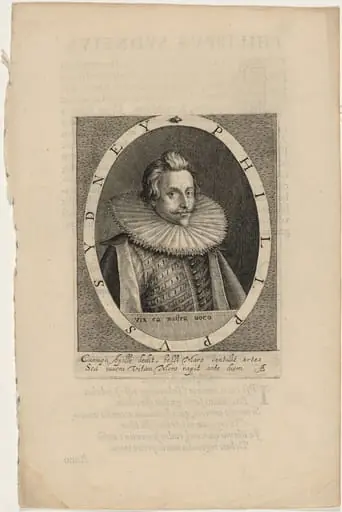 Sir Philip Sidney, Soldier and Poet