Artwork
James I, King of England
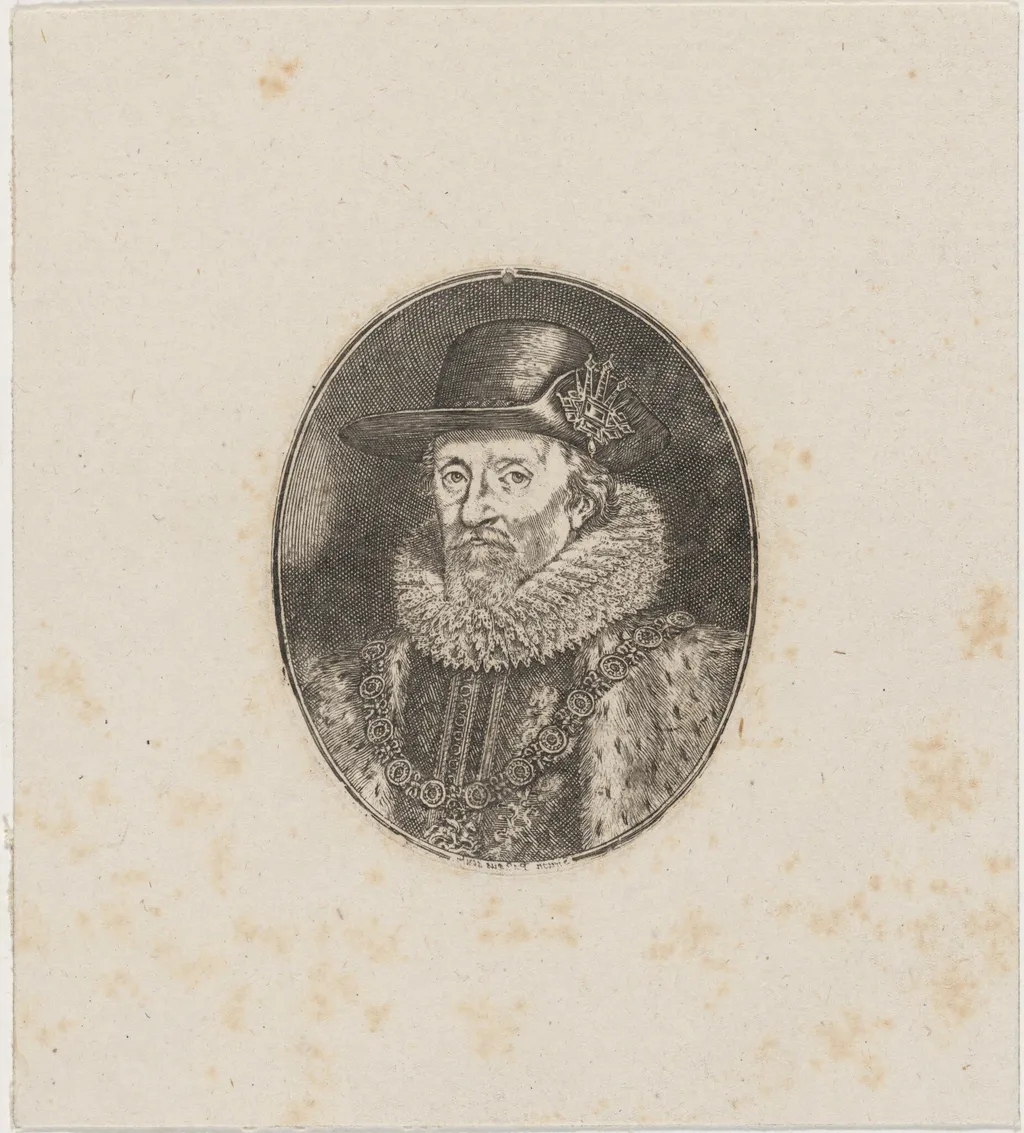
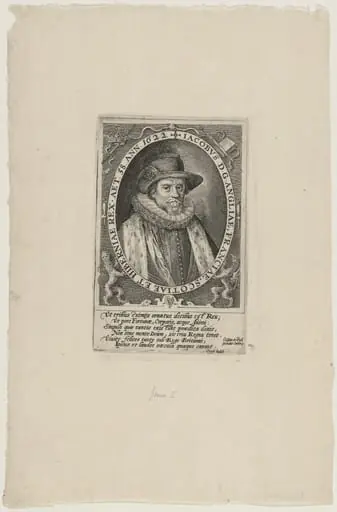
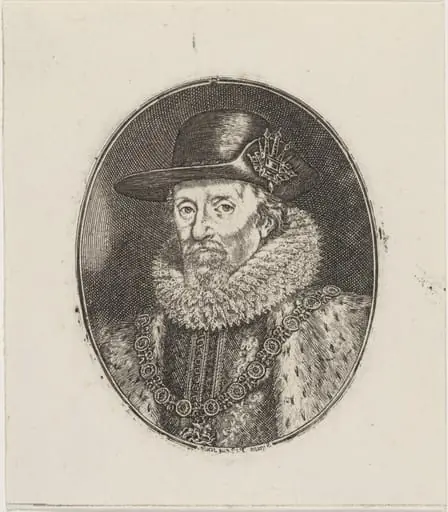
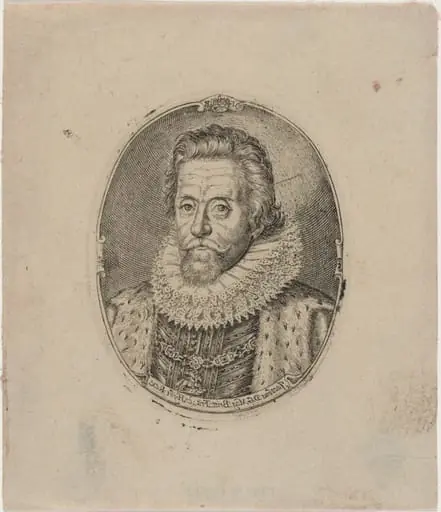
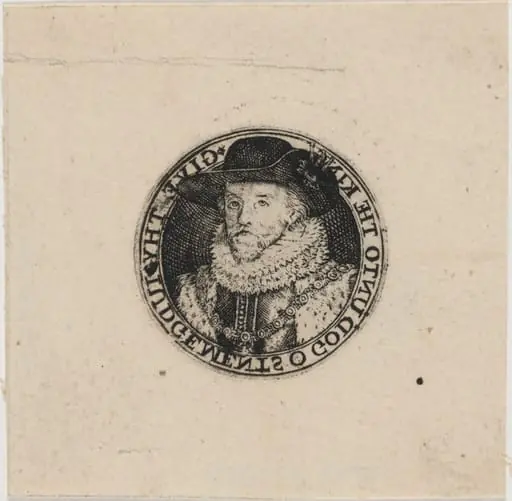
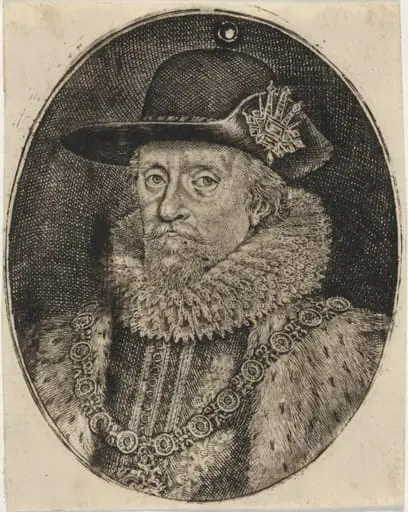
James I, King of England is an ink print by the Renaissance artist Simon van de Passe. It dates from 1621 and is held in the collection of the National Gallery of Art. This black-and-white print is an engraving from a silver medal struck in 1621, depicting James I of England.
About this work
Overview
Created by the Dutch artist Simon van de Passe, it was produced by incising lines into a metal surface and transferring the image to paper through pressure.
This black-and-white print is an engraving from a silver medal struck in 1621, depicting James I of England. Created by the Dutch artist Simon van de Passe, it was produced by incising lines into a metal surface and transferring the image to paper through pressure. The technique yields fine, controlled detail, characteristic of early 17th-century medallic portraiture. The composition isolates the king against a neutral field, emphasizing his likeness and regalia.
Subject & Meaning
The portrait presents James I in formal court attire, his beard and ruffled collar signaling both dignity and adherence to contemporary aristocratic fashion. The heavy chain across his chest likely represents the Order of the Garter, a symbol of royal authority and chivalric tradition. The wide-brimmed hat, common in royal portraiture of the period, reinforces his status. The image functions as a propagandistic tool, projecting stability and legitimacy through controlled visual representation.
Technique & Style
Van de Passe employed fine-line engraving to render texture and form with precision. The sharp, deliberate strokes define the folds of fabric, the contours of the beard, and the metallic sheen of the chain. The absence of tonal gradation relies entirely on line density for modeling, a hallmark of metal engraving. The style is restrained and formal, prioritizing clarity and symbolic accuracy over expressive flair, aligning with the conventions of royal portraiture in early modern Europe.
History & Provenance
The engraving derives from a silver medal commissioned in 1621, likely to commemorate a state occasion or diplomatic event. Simon van de Passe, a renowned engraver in the Dutch Republic, was frequently employed by European courts to produce such medals. The print was made by inking and pressing the original die onto paper, allowing wider distribution of the king’s image. Surviving impressions are rare, with most held in institutional collections.
Context
In the early 1620s, James I navigated complex political alliances and religious tensions across Europe. Portraits and medals like this one served as diplomatic tools, circulated among courts to affirm royal presence and authority. Van de Passe’s work reflects the international network of artists serving monarchs, blending Dutch technical skill with English iconographic demands. The image aligns with broader trends in early modern visual propaganda, where controlled imagery reinforced monarchical power.
Legacy
This engraving exemplifies the role of print in shaping public perception of monarchy before the rise of photography. Van de Passe’s technique influenced generations of medalists and portrait engravers across Europe. Though not widely known today, such prints were essential in disseminating royal imagery among elites and institutions. The work remains a documented artifact of early Stuart visual culture and the transnational exchange of artistic practice.
Artist & collection

 James I, King of England
 James I, King of England
 James I, King of England
 James I, King of England
 James I, King of England
![James I, King of England [top half], by Simon van de Passe](https://artifactworldgallery.com/img/simon-van-de-passe--james-i-king-of-england-top-half--2627f50172001474-w320.webp) James I, King of England [top half]
James I, King of England [top half]![James I, King of England [top half], by Simon van de Passe](https://artifactworldgallery.com/img/simon-van-de-passe--james-i-king-of-england-top-half--6310c3c902e313b9-w320.webp) James I, King of England [top half]
James I, King of England [top half]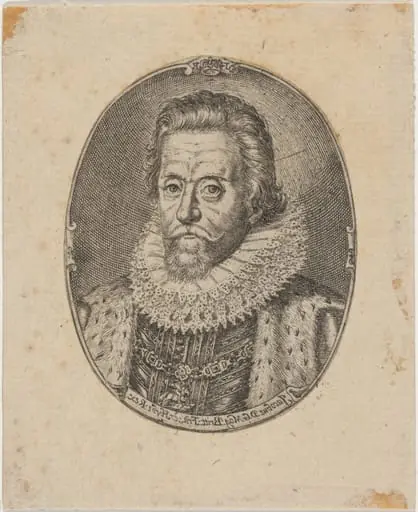 James I, King of England
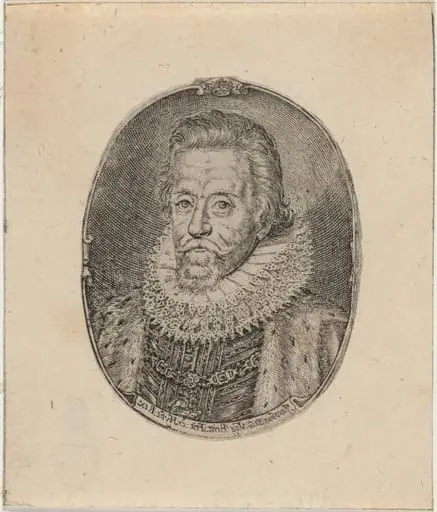 James I, King of England
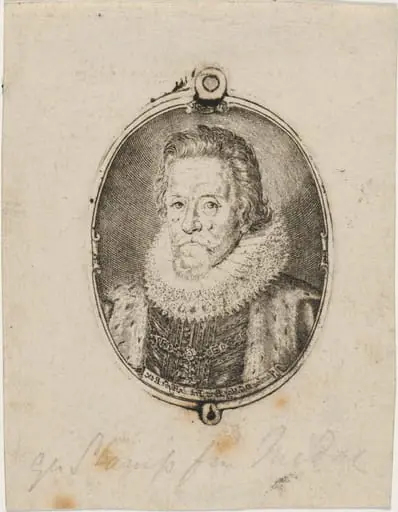 James I, King of England
![James I, King of England [top half], by Simon van de Passe](https://artifactworldgallery.com/img/simon-van-de-passe--james-i-king-of-england-top-half--d132585f6ea7d189-w320.webp) James I, King of England [top half]
James I, King of England [top half]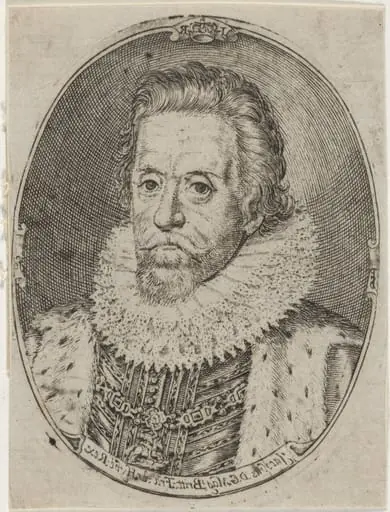 James I, King of England