Artwork
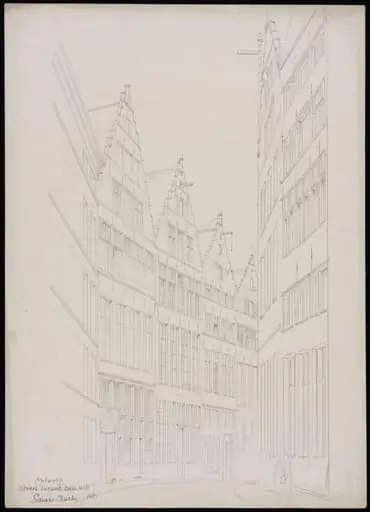
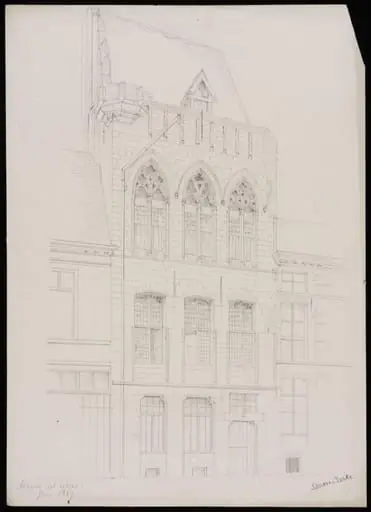
House at Antwerp
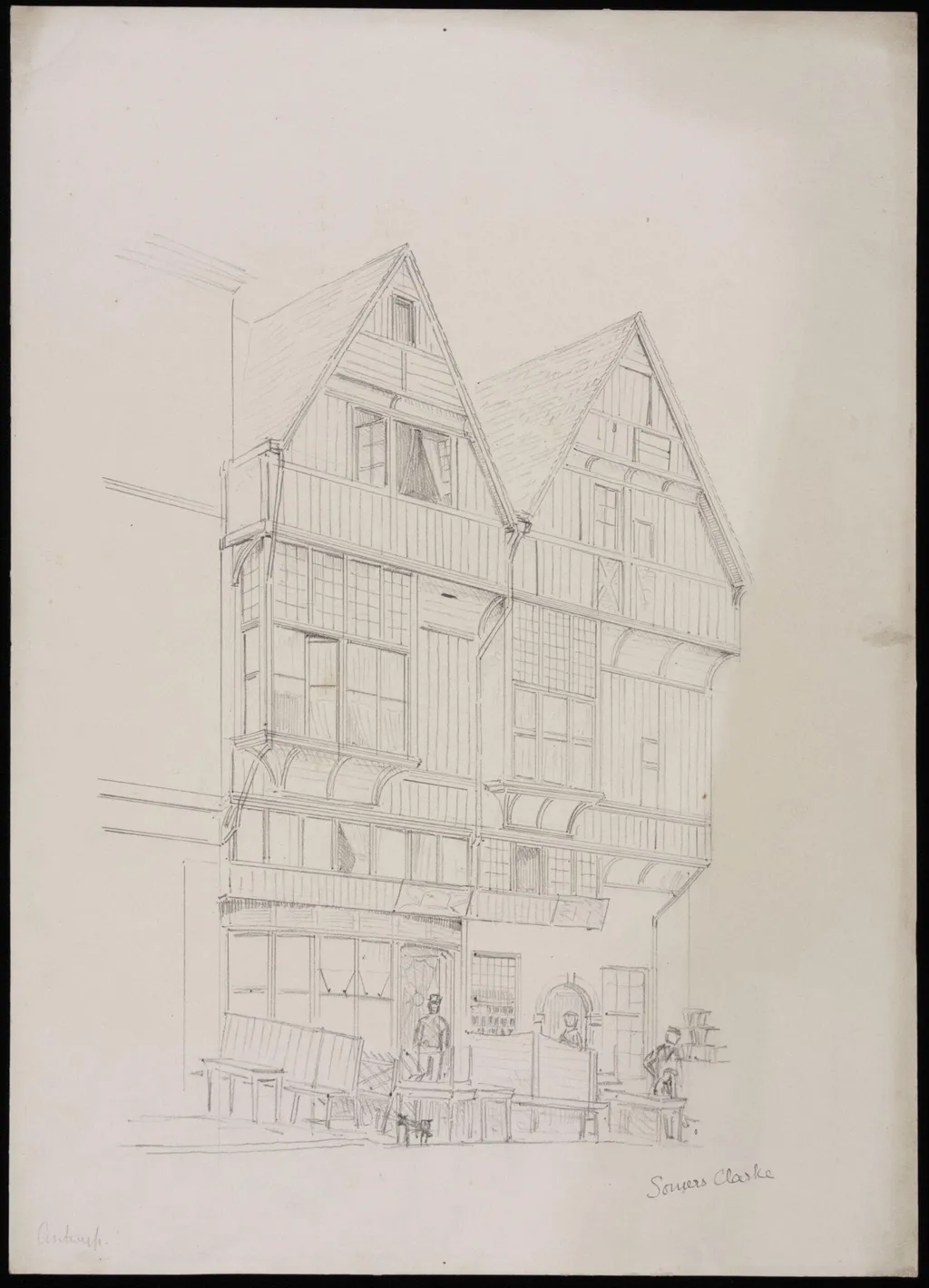
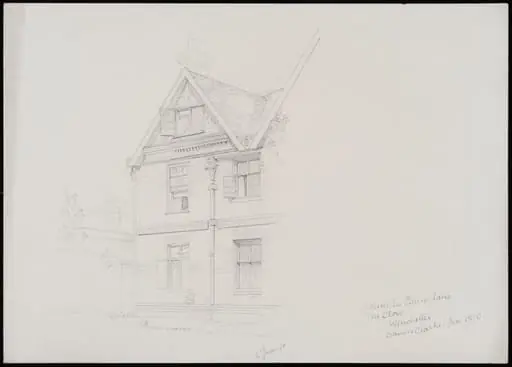
House at Antwerp is a drawing by Somers Clarke. It dates from 1891 and is held in the collection of the Victoria and Albert Museum.
About this work
Overview
House at Antwerp is a late 19th-century drawing by Clarke, Somers, created around 1891. The work is part of the Victoria and Albert Museum's collection.
Subject & Meaning
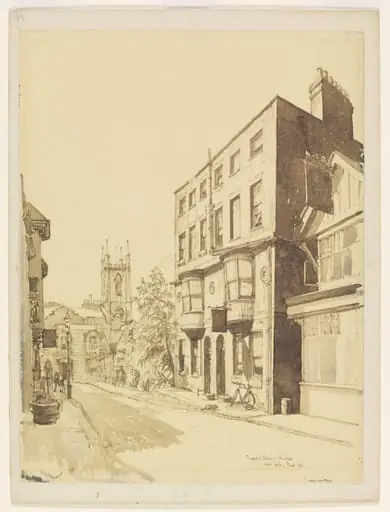
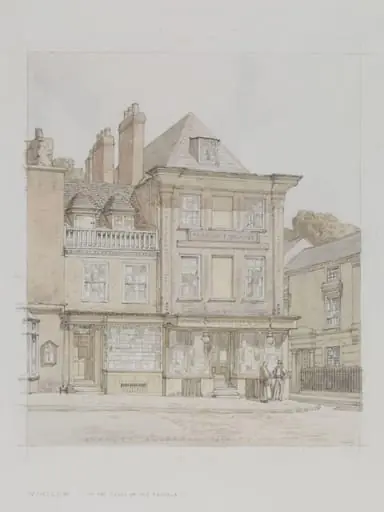
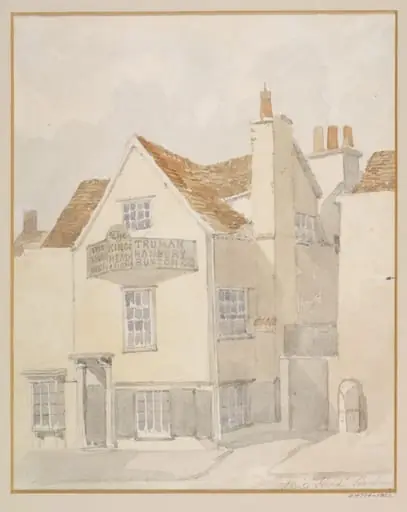
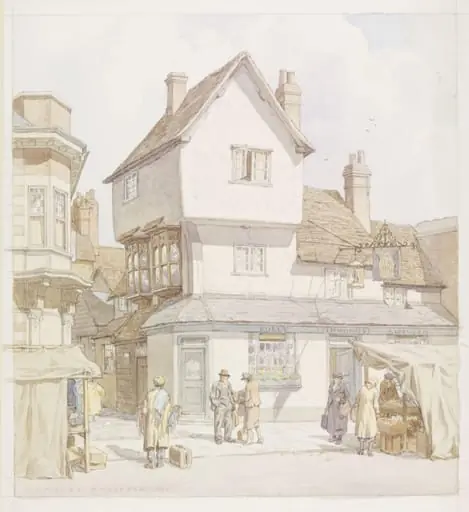
The drawing depicts a tall, narrow, timber-framed building in Antwerp, featuring steep roofs, numerous small windows, and a ground-floor shop with figures and a dog. The subject's everyday, observational nature suggests a study, potentially for a larger, unrealized project.
Technique & Style
Executed in black and white, the drawing utilizes quick, light lines to convey depth and texture. The approach implies a rapid sketch, with visible line work characteristic of a preliminary study. The technique contrasts dark wood beams with lighter infill, enhancing the building's architectural detail.
History & Provenance
Created circa 1891 by Clarke, Somers, the drawing's early history is not detailed here. It is currently held in the collection of the Victoria and Albert Museum.
Context
The piece reflects late 19th-century artistic interests in capturing everyday urban scenes. The use of rapid, expressive lines aligns with contemporary sketching practices among artists of the period.
Legacy
While not individually renowned, 'House at Antwerp' contributes to the broader understanding of late 19th-century drawing techniques and urban observational art. Its inclusion in a major museum collection underscores its value as a historical and artistic artifact.
Artist & collection

Artist
George Somers Clarke was an architect and English Egyptologist who worked on the restoration and design of churches and at a number of sites throughout Egypt, notably in El Kab, where he built a mud brick house.