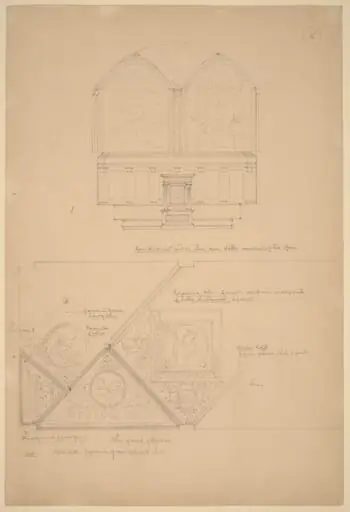
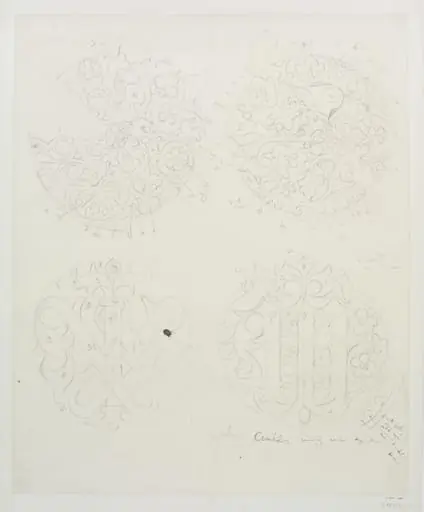
Artwork
Ramryge's Chantry, St. Alban's Cathedral
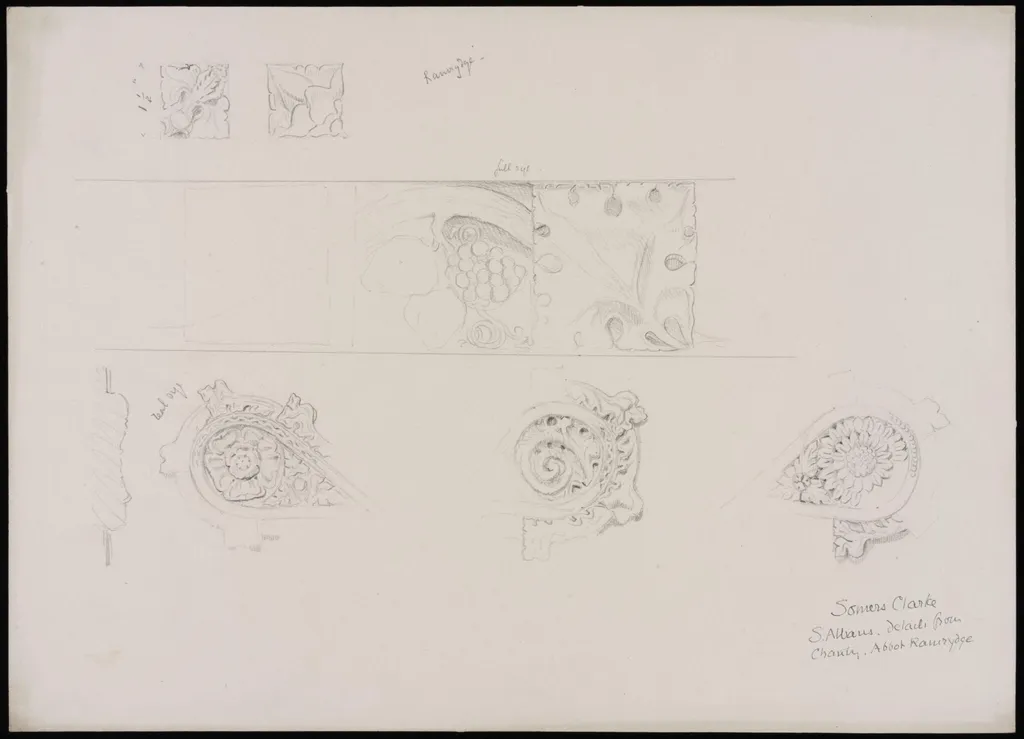
Ramryge's Chantry, St. Alban's Cathedral is a drawing by Somers Clarke. It dates from 1891 and is held in the collection of the Victoria and Albert Museum. A pencil sketch from the 19th century captures fragments of stonework from Ramryge’s Chantry in St.
About this work
Overview
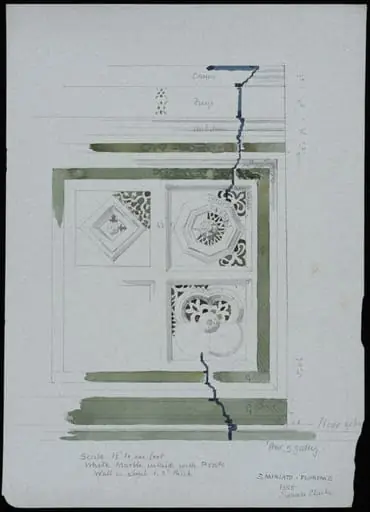
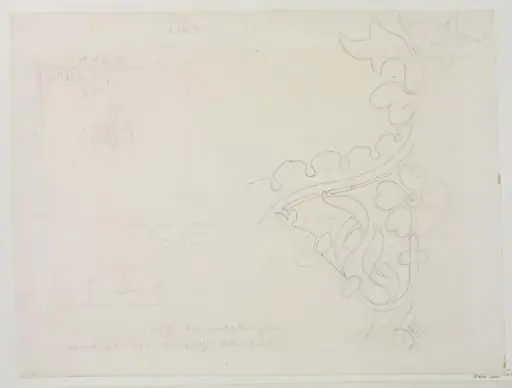
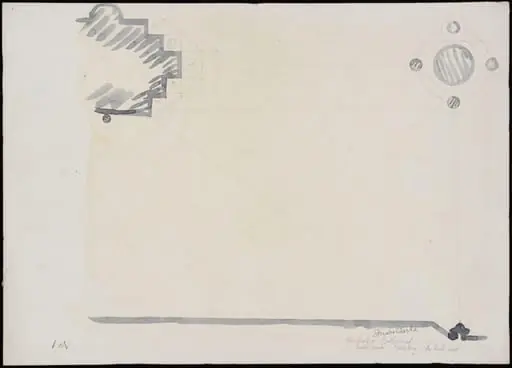
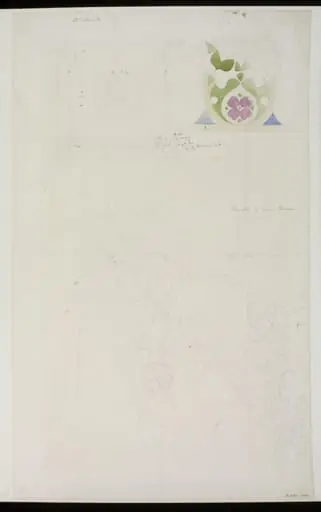
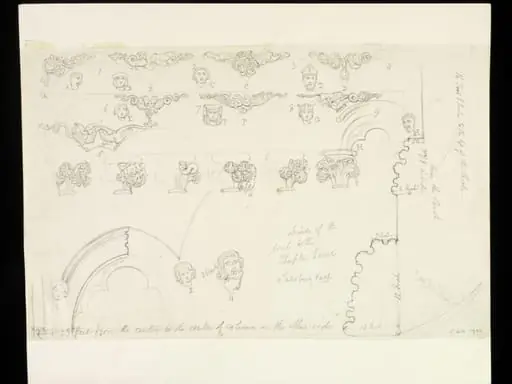
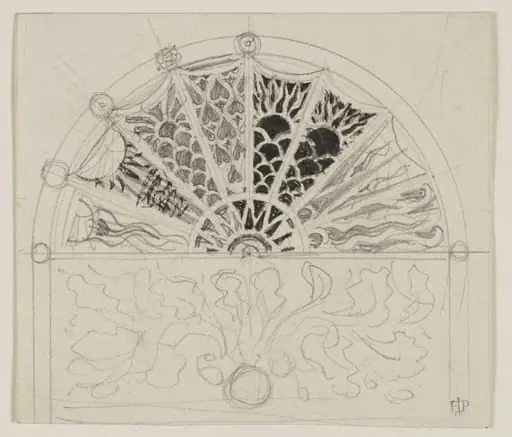
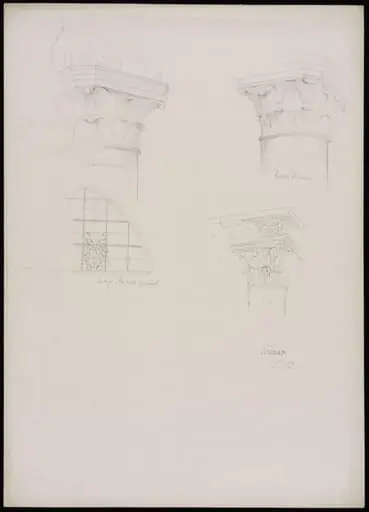
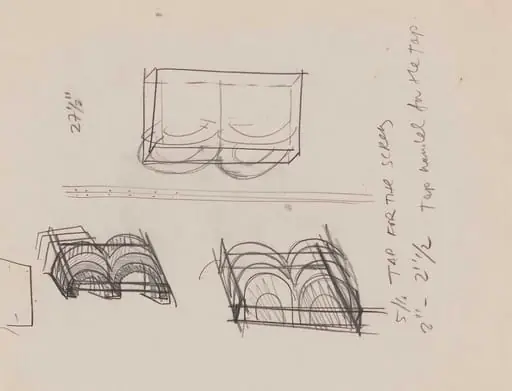
A pencil sketch from the 19th century captures fragments of stonework from Ramryge’s Chantry in St. Alban’s Cathedral. Rather than a complete architectural view, it isolates ornamental details—tracery and vaulting—as studies in form. The lines are tentative, suggesting a working drawing made on-site for reference, not a finished presentation.
Subject & Meaning
The label 'Ramryge' identifies the source as the chantry chapel, indicating the artist’s intent to document regional ecclesiastical ornamentation.
The drawing records specific decorative motifs: two upper panels resemble pointed window tracery with circular and spiral elements, while three lower panels depict fan vault ribs. These were likely noted for their craftsmanship and geometric complexity. The label 'Ramryge' identifies the source as the chantry chapel, indicating the artist’s intent to document regional ecclesiastical ornamentation.
Technique & Style
Executed in light, fluid pencil strokes, the drawing emphasizes contour and rhythm over shading or scale. The artist prioritized capturing the flow of carved patterns rather than architectural context. The sketch’s immediacy suggests it was made quickly, possibly as a field study, with minimal correction or refinement.
History & Provenance
The drawing’s origin is tied to 19th-century antiquarian interest in medieval architecture. Though the artist’s identity is unconfirmed, such studies were common among architects and scholars documenting Britain’s ecclesiastical heritage. It likely entered a collection through academic or institutional channels, possibly linked to the Victoria and Albert Museum’s holdings.
Context
During the 1800s, architects and designers turned to medieval examples for inspiration in the Gothic Revival. Detailed sketches like this served as references for restoration and new commissions. Ramryge’s Chantry, though modest, offered rich examples of late medieval stone carving, making it a useful subject for study among practitioners.
Legacy
This drawing contributes to a broader archive of architectural documentation from the period. It reflects a methodical approach to preserving decorative details that might otherwise be lost to time or renovation. Such studies remain valuable for conservation efforts and the scholarly understanding of medieval craftsmanship.
Artist & collection

Artist
George Somers Clarke was an architect and English Egyptologist who worked on the restoration and design of churches and at a number of sites throughout Egypt, notably in El Kab, where he built a mud brick house.