Artwork
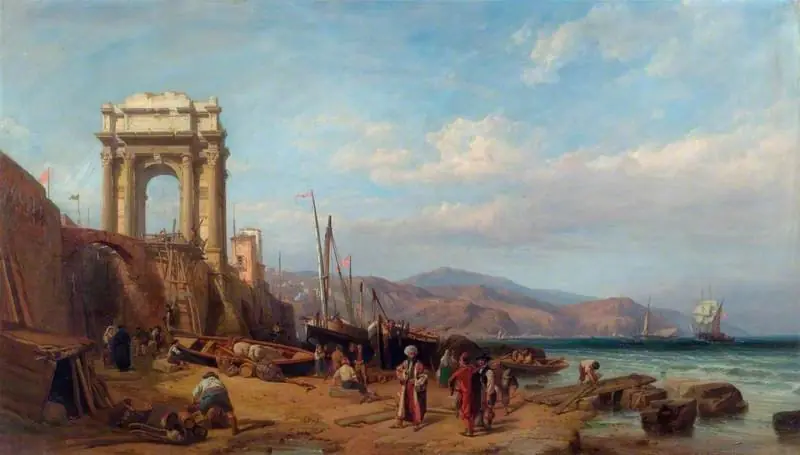
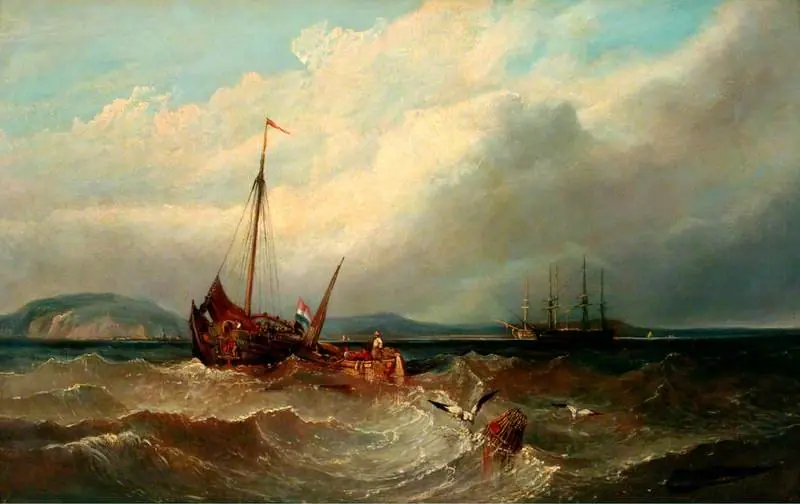
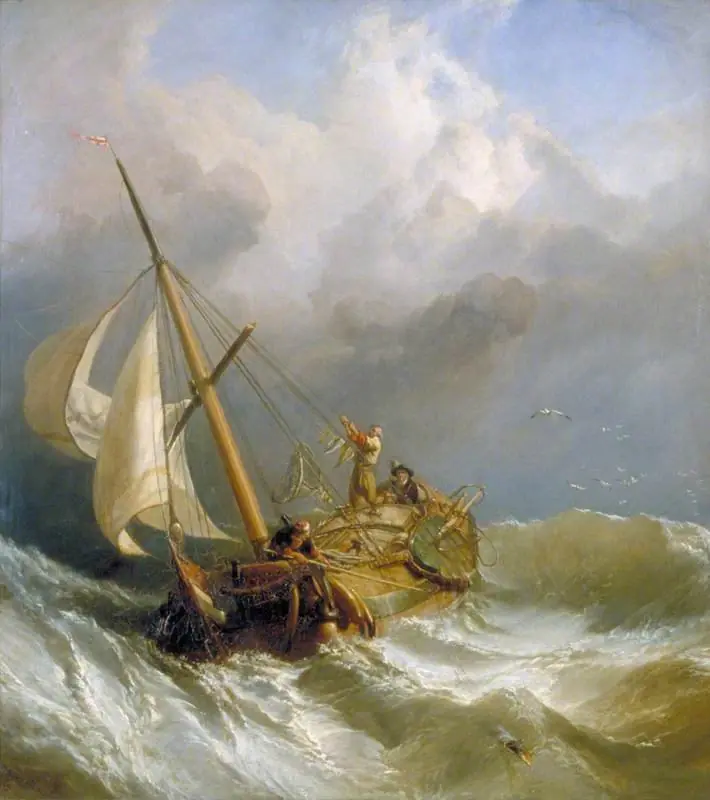
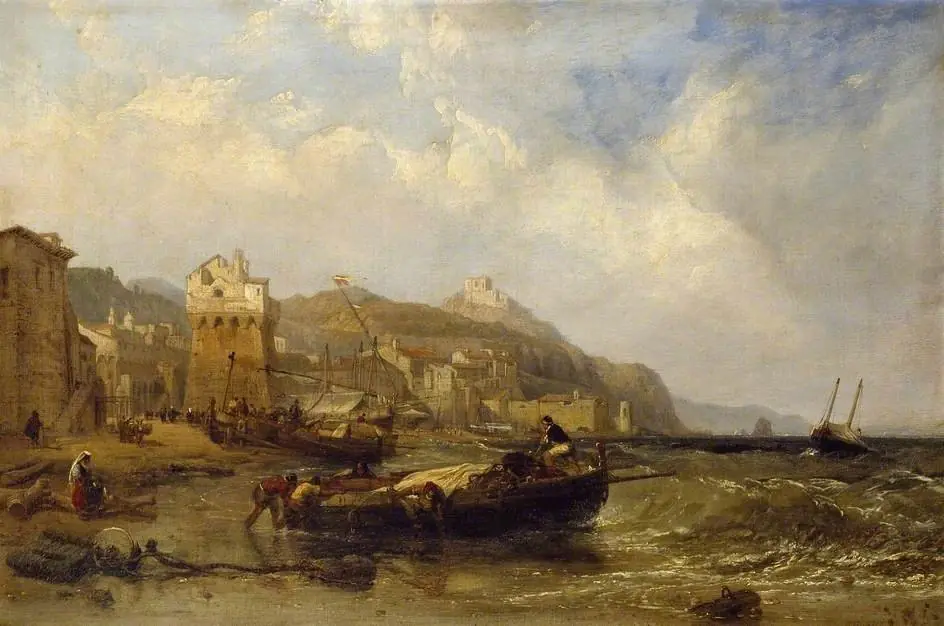
Coast scene near Genoa
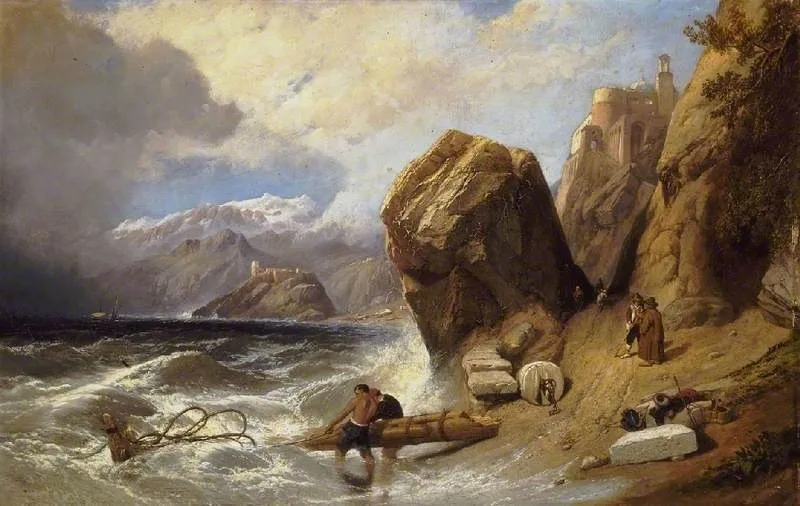
Coast scene near Genoa is an oil painting by the British Romanticist artist Clarkson Frederick Stanfield. It dates from 1846 and is held in the collection of the Fitzwilliam Museum.
About this work
Overview
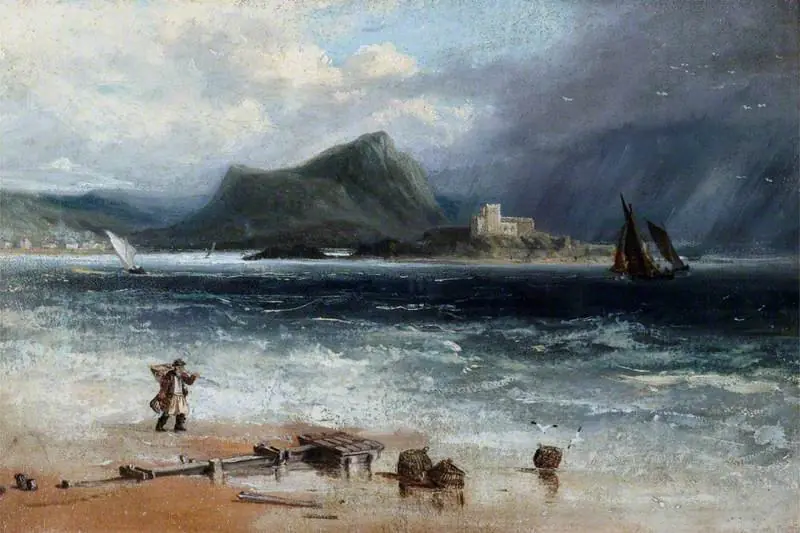
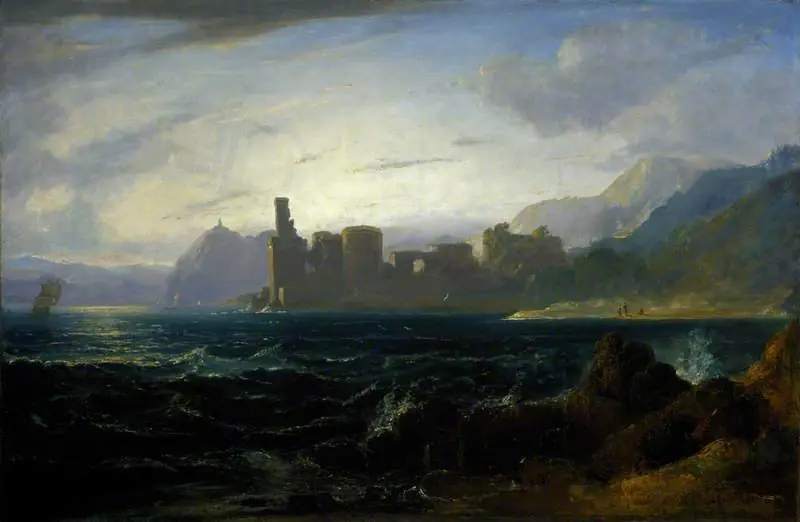
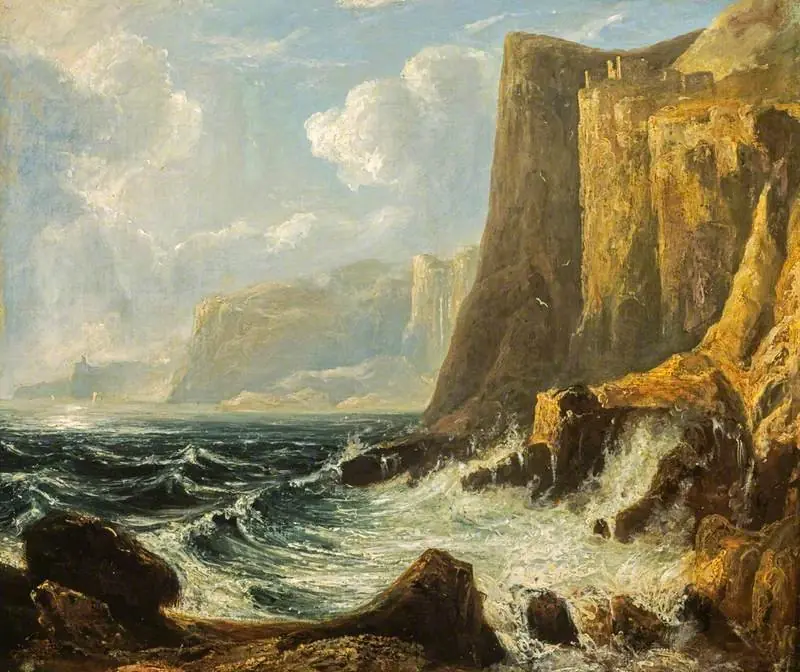
Frederick Stanfield’s 1846 oil painting, *Coast scene near Genoa*, captures a turbulent shoreline dominated by a central rock outcrop. The composition leads the eye from crashing waves in the foreground to a fortified structure perched on a distant cliff, rendered in a restrained palette of browns and grays that heighten the atmospheric tension.
Subject & Meaning
The work juxtaposes the raw power of the sea with the solidity of human architecture, suggesting a dialogue between nature’s forces and historic fortifications. The storm‑laden water and looming rock convey a sense of danger, while the distant castle hints at endurance and the passage of time along the Ligurian coast.
Technique & Style
Stanfield employs a Romantic approach, using chiaroscuro to model the rock and water, creating depth through layered brushwork. The muted tonal range emphasizes texture over color, while subtle gradations of light suggest shifting weather conditions, a hallmark of his marine scenes.
History & Provenance
Created after Stanfield’s transition from a naval career to painting, the piece reflects his expertise in maritime subjects. It entered the Fitzwilliam Museum’s collection, where it remains on display, representing the artist’s reputation for detailed coastal studies during the mid‑nineteenth century.
Context
The painting aligns with the British Romantic movement’s fascination with dramatic natural landscapes and seascapes. Stanfield’s focus on precise nautical detail situates him among contemporaries who celebrated the sublime qualities of the sea, while also catering to Victorian interests in historic coastal sites.
Artist & collection
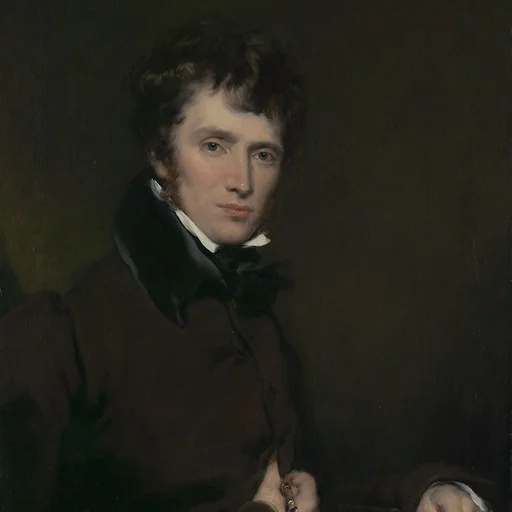
Artist
Clarkson Frederick Stanfield (3 December 1793 – 18 May 1867) was an English artist best known for his large-scale paintings of marine art and landscapes.