Artwork
Landscape with Brigands
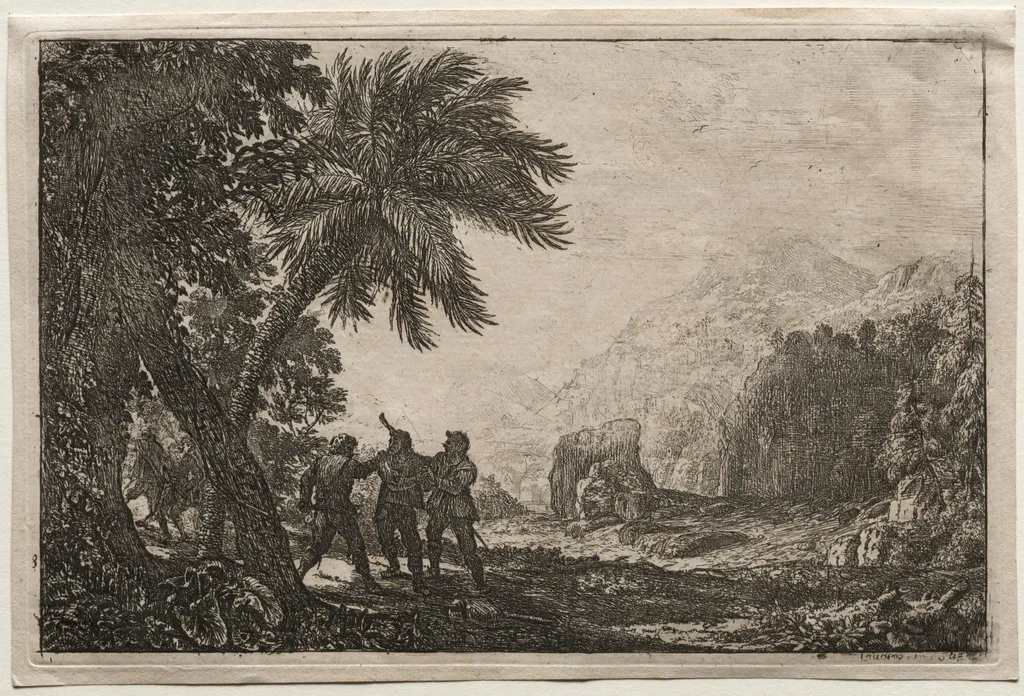
Landscape with Brigands is a print by the Baroque artist Claude Lorrain. It dates from 1633 and is held in the collection of the Cleveland Museum of Art.
About this work
Overview
Created in 1633, this print by Claude Lorrain depicts a tranquil Italianate landscape intersected by a winding path.
Created in 1633, this print by Claude Lorrain depicts a tranquil Italianate landscape intersected by a winding path. Though executed in print form, it reflects the painter’s signature approach to landscape, where natural elements dominate yet are quietly animated by human figures. The scene balances serenity with underlying tension, a hallmark of Lorrain’s work during his years in Rome, where he helped redefine landscape as a subject worthy of serious artistic attention.
Subject & Meaning
Two travelers move along a dirt road, unaware of hidden figures lurking among the trees. These brigands, though not actively attacking, introduce an element of peril into an otherwise peaceful setting. Lorrain often embedded narratives from classical or biblical sources into his landscapes, using subtle gestures and positioning to suggest drama. Here, the threat is implied, not shown — a narrative restraint that deepens the psychological weight of the scene.
Technique & Style
Lorrain employed chiaroscuro to modulate the light, casting long shadows as the sun dips low in the western sky. The contrast between illuminated paths and darkened underbrush guides the viewer’s eye while enhancing the sense of depth. Trees frame the composition like a stage, directing attention toward the travelers. His precise handling of tone and atmospheric perspective reveals a mastery of natural light, even in a printed medium derived from his drawings.
History & Provenance
The work entered the collection of the Cleveland Museum of Art as part of a broader acquisition of Lorrain’s graphic works. Though originally drawn and painted by the artist, this version exists as a print, likely made from a copperplate etching or engraving produced during or after his lifetime. Its presence in Cleveland reflects 19th- and 20th-century European collecting trends that valued Lorrain’s influence on landscape tradition.
Context
In early 17th-century Italy, landscape painting was emerging from a subordinate role to historical or religious themes. Lorrain helped elevate it by embedding mythological or narrative elements within carefully composed natural settings. His works appealed to collectors who valued poetic atmosphere over overt storytelling. This print aligns with a growing interest in the sublime and the uncanny within seemingly calm environments, a theme resonant across Baroque visual culture.
Legacy
Lorrain’s integration of light, structure, and implied narrative influenced generations of landscape artists, from 18th-century British painters to 19th-century Romantics. His ability to suggest drama without action became a model for conveying mood through environment. Though this print is not among his most widely reproduced works, it exemplifies the quiet tension and compositional discipline that defined his enduring contribution to Western landscape art.
Own this work as a print
Artist & collection
Artist
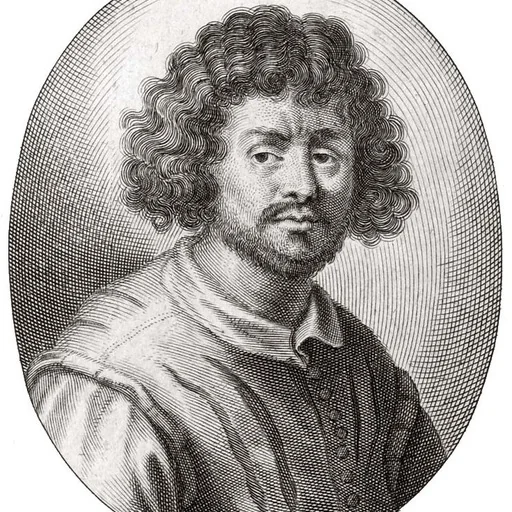
Claude Lorrain (French: ; born Claude Gellée , called le Lorrain in French; traditionally just Claude in English; c.

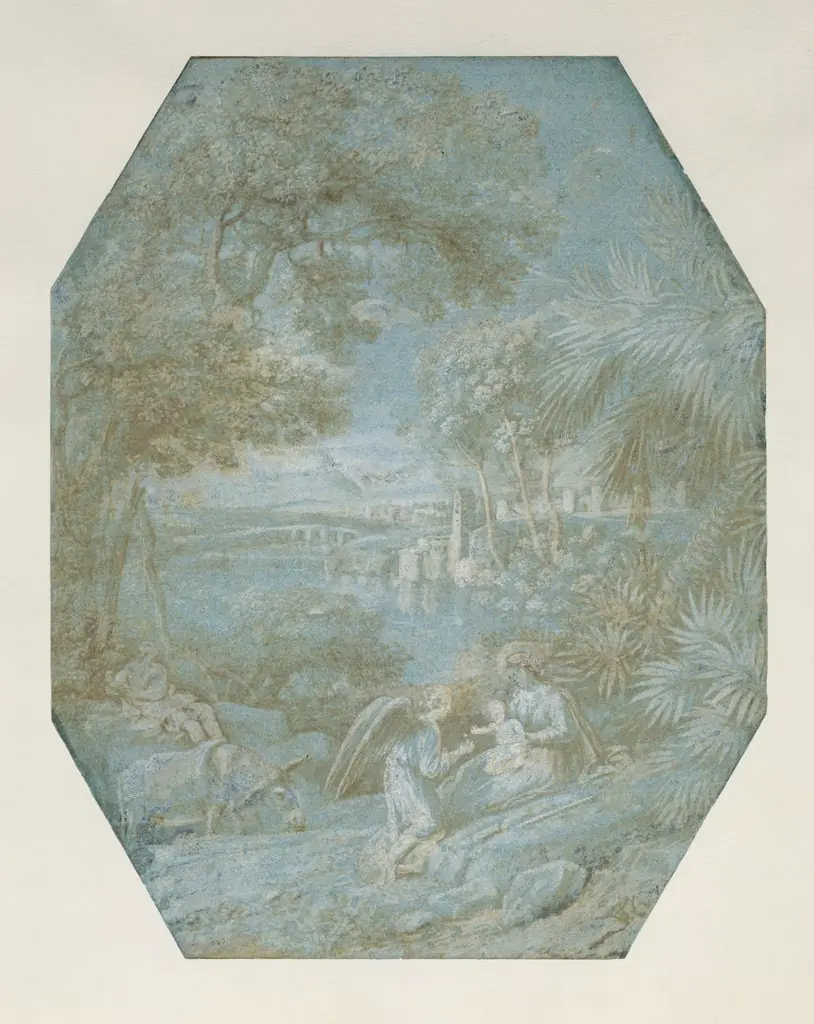
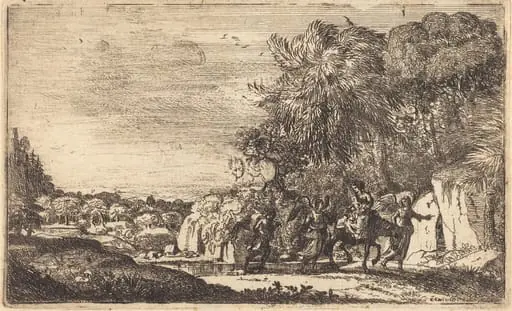 The Flight into Egypt (La fuite en Egypte)
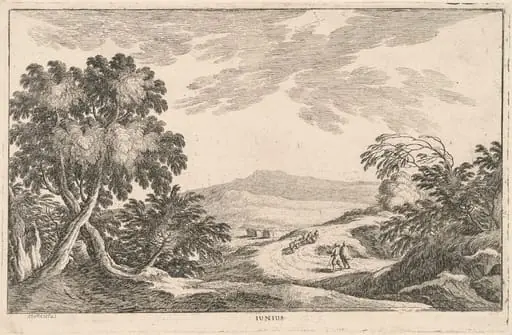 Iunius (June)
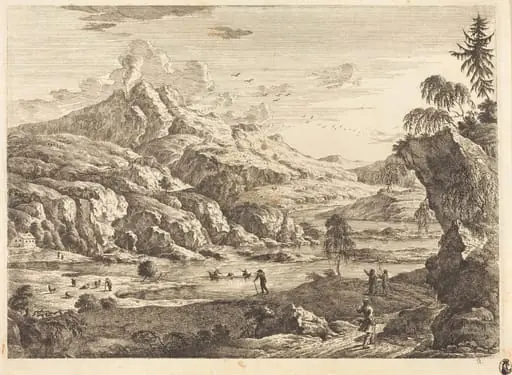 Mountainous Riverscape with Figures
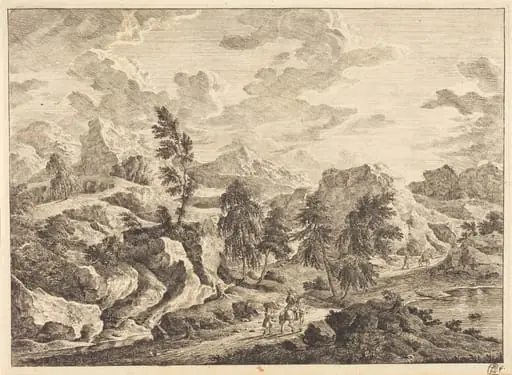 Landscape with the Rising Sun and a Rider with Attendant
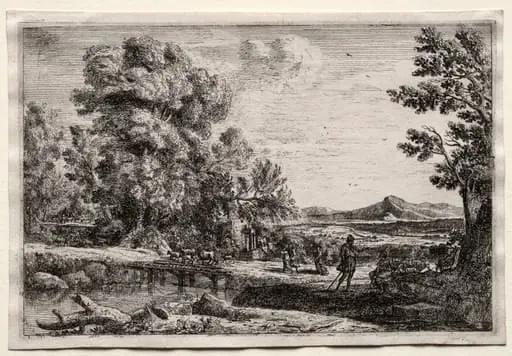 The Wooden Bridge
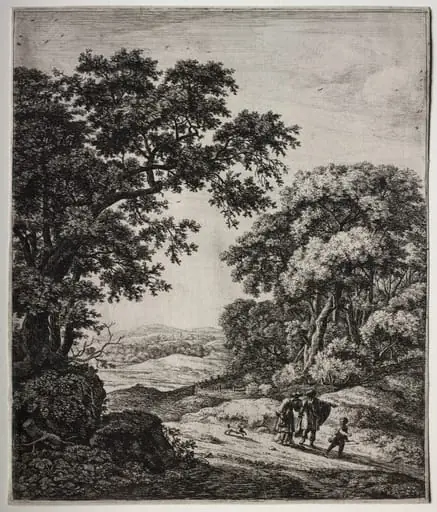 Six large upright landscapes with scenes from the Old Testament
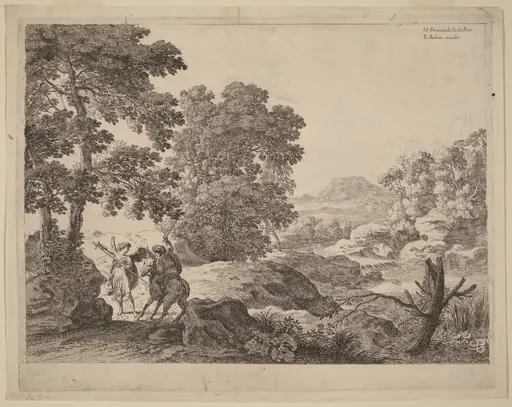 Balaam and the Ass
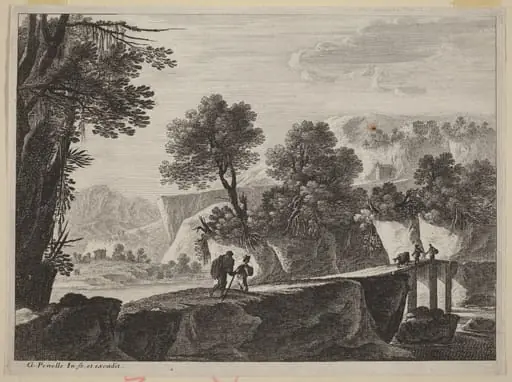 Travelers Approaching a Bridge
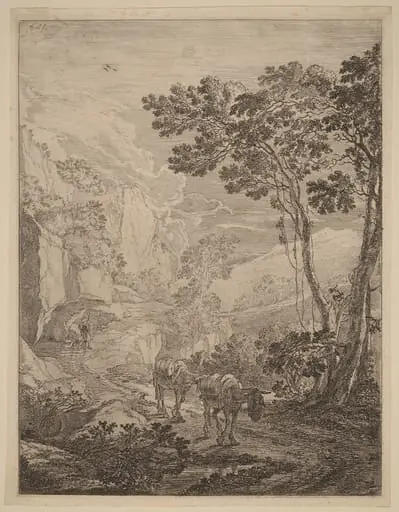 The Two Hinnies
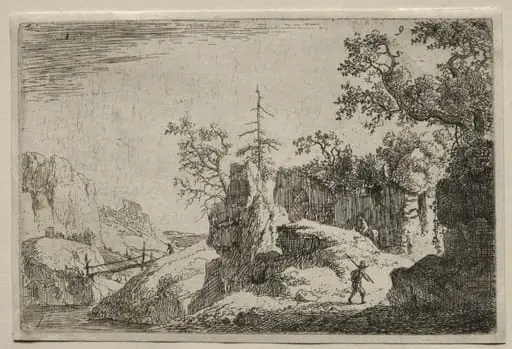 A Mountain Landscape