Artwork
Balaam and the Ass
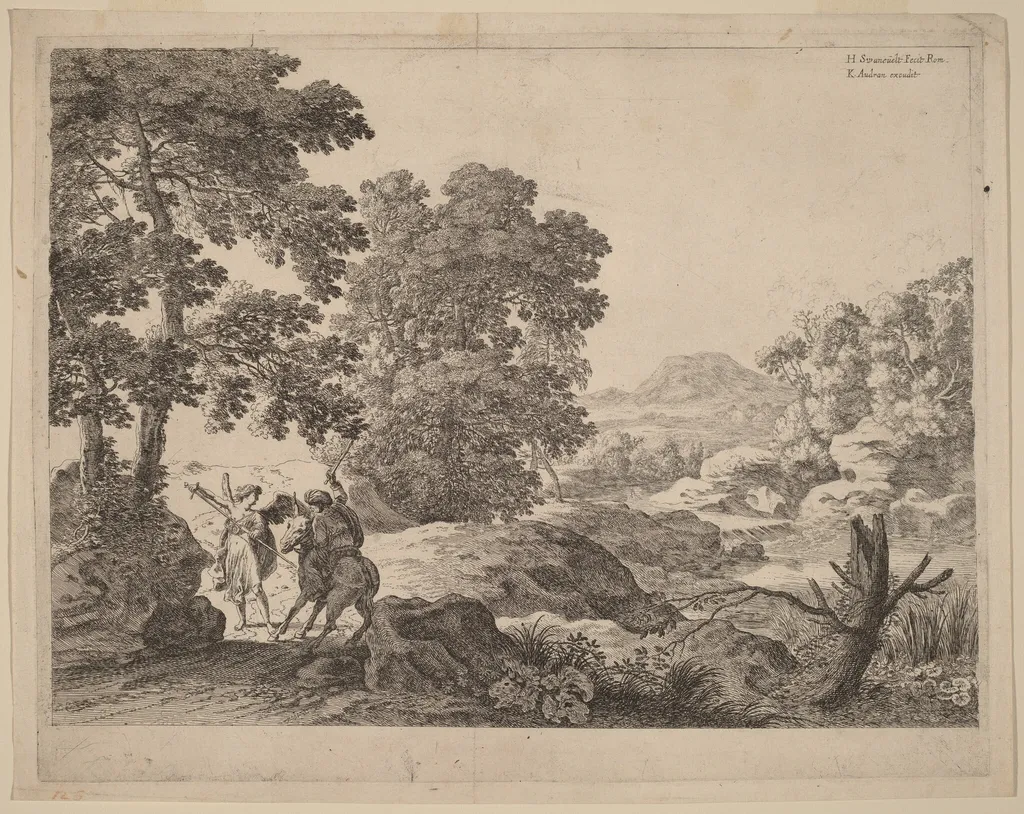
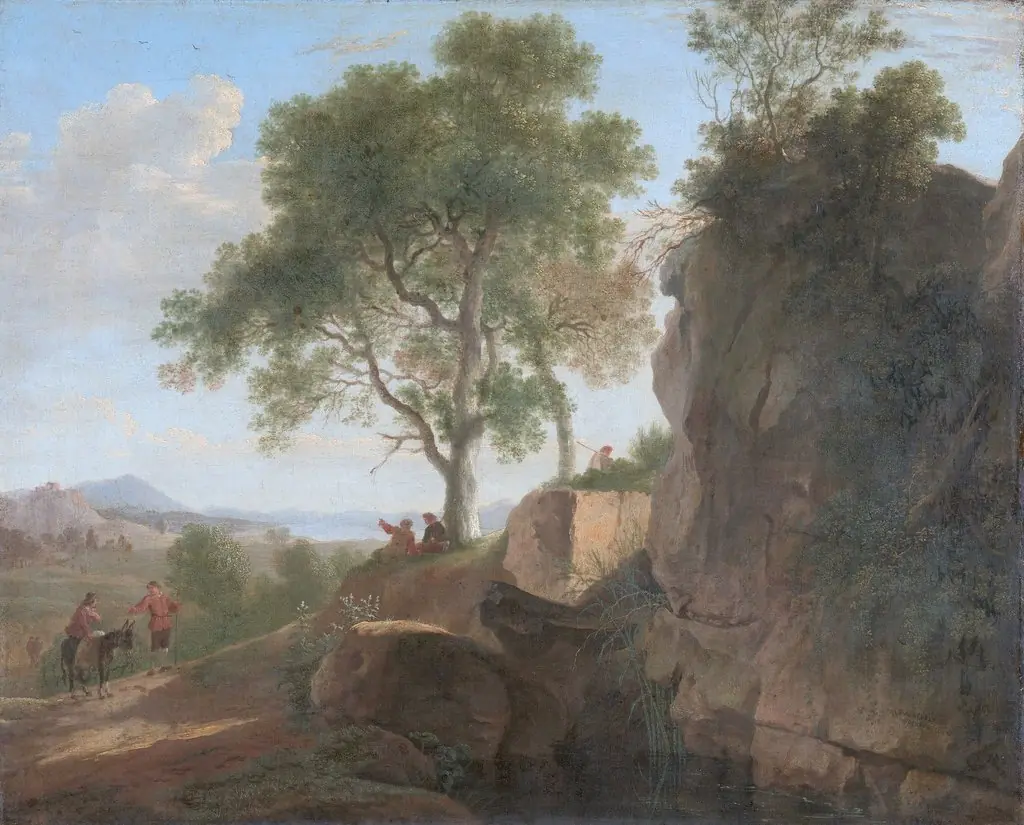
Balaam and the Ass is an ink print by the Baroque artist Herman van Swanevelt. It dates from 1628 and is held in the collection of the National Gallery of Art.
About this work
Overview
It depicts a moment from the Book of Numbers in which the prophet Balaam, riding his donkey, encounters an angel he cannot see.
Balaam and the Ass is an etching by Dutch artist Herman van Swanevelt, dated 1628. It depicts a moment from the Book of Numbers in which the prophet Balaam, riding his donkey, encounters an angel he cannot see. The scene is rendered in fine linear detail, characteristic of early 17th-century Northern printmaking. The work belongs to a series of biblical subjects van Swanevelt produced during his time in Rome.
Subject & Meaning
The print illustrates the biblical episode where Balaam’s donkey, granted divine sight, halts before an angel blocking the path. Balaam, unaware of the angel’s presence, strikes the animal in frustration. The moment captures divine intervention through the mundane, emphasizing spiritual blindness versus animal perception. Van Swanevelt frames the tension between human arrogance and unseen sacred forces.
Technique & Style
Executed in etching, the work employs fine, controlled lines to define form and texture. Van Swanevelt uses delicate hatching to model the figures and landscape, creating depth without heavy shading. The composition is tightly focused on the two central figures, with minimal background detail to direct attention to their interaction. The style reflects Italianate influences absorbed during his stay in Rome.
History & Provenance
Created during van Swanevelt’s Roman period, the etching was likely produced for a private collector familiar with biblical narratives. It circulated among Northern European connoisseurs of prints, though no early ownership records are widely documented. The work survives in several museum collections, including the Rijksmuseum and the British Museum, suggesting modest but sustained recognition in the 17th-century print market.
Context
In the 1620s, Dutch artists increasingly turned to biblical themes for print production, often inspired by Counter-Reformation imagery and humanist scholarship. Van Swanevelt, influenced by Caravaggio’s dramatic lighting and Roman landscape traditions, adapted these elements into intimate, narrative-focused compositions. His etchings catered to a growing market for devotional and allegorical imagery among educated patrons.
Legacy
Though not among van Swanevelt’s most widely reproduced works, Balaam and the Ass remains a representative example of his early printmaking. It reflects the transnational exchange of ideas between Dutch and Italian artistic circles. The etching contributes to the broader understanding of how biblical stories were visually interpreted in Northern Europe during the Baroque period, beyond grander painted altarpieces.
Own this work as a print
Artist & collection

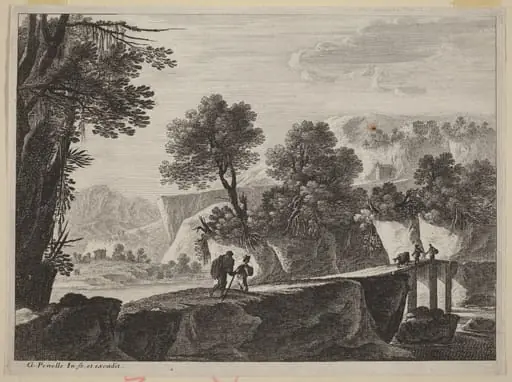 Travelers Approaching a Bridge
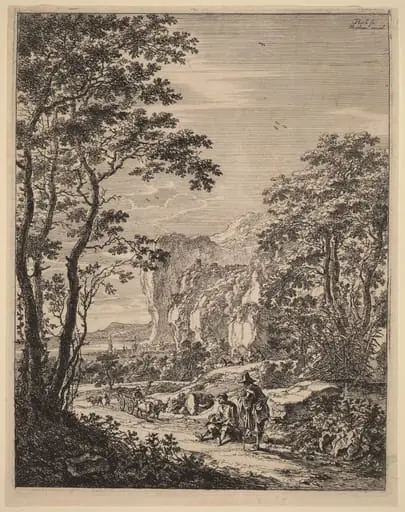 The Ox-Cart: View between Ancona and Sinigaglia
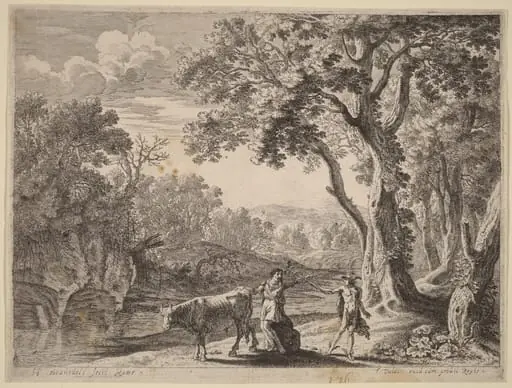 Battus Transformed into Stone
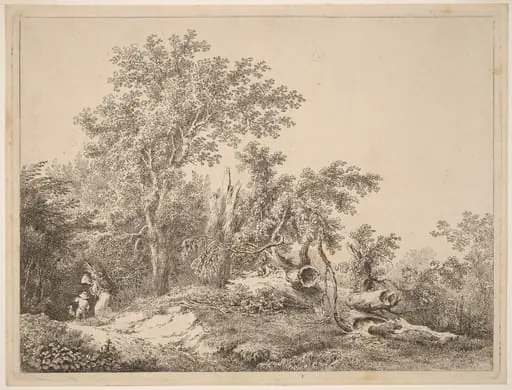 Landscape with Broken Tree
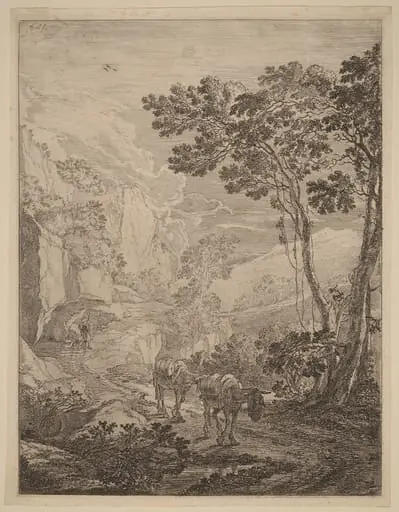 The Two Hinnies
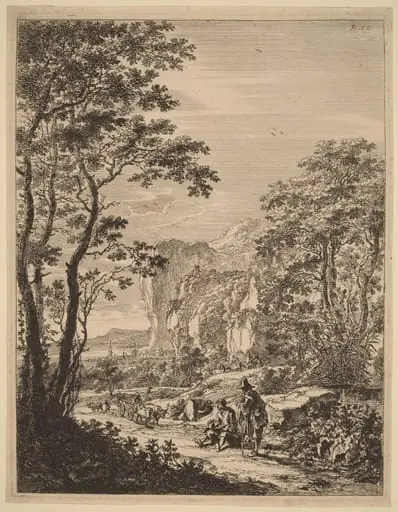 The Ox-Cart: View between Ancona and Sinigaglia
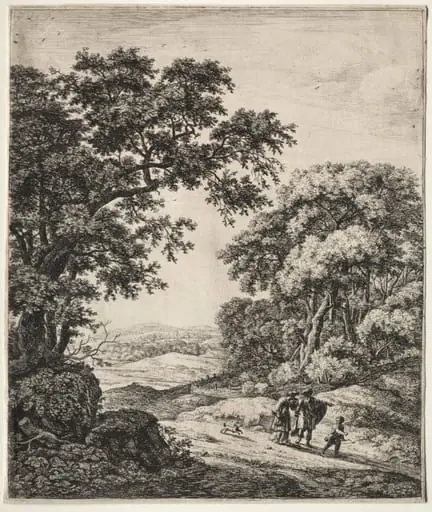 Six large upright landscapes with scenes from the Old Testament: Abraham Dismissing Hagar and Ishmael
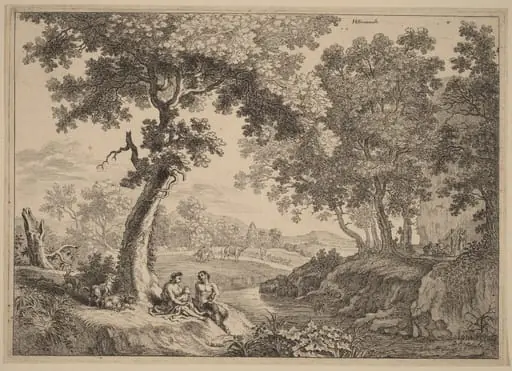 Satyr Family Seated under a Tree
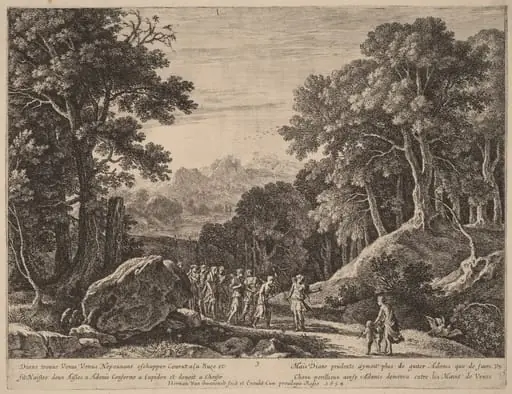 Venus Offering Diana a Choice between Cupid and Adonis
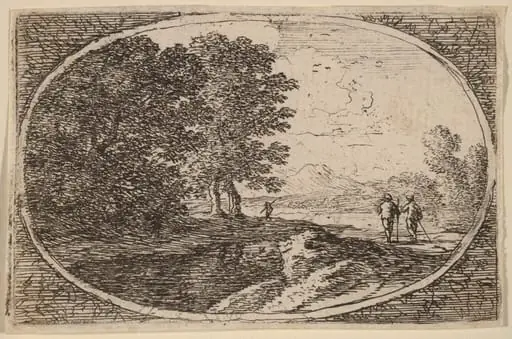 Three Men Carrying Staffs
 The Flight into Egypt (La fuite en Egypte)
 Devil Tempting St. Anthony