Artwork
Classical Landscape
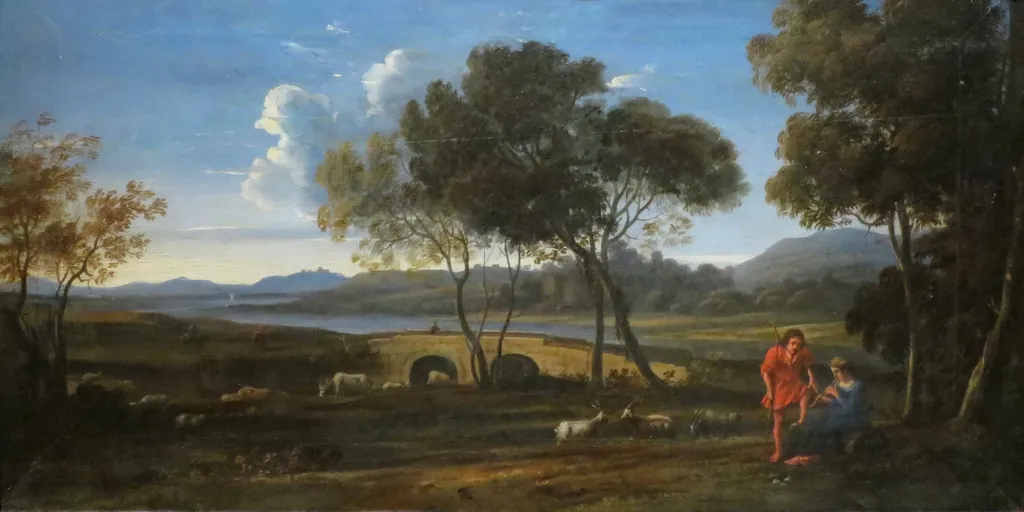
Classical Landscape is an oil painting by the French Classical Baroque artist Claude Lorrain. It dates from 1650 and is held in the collection of the Norton Simon Museum.
About this work
Overview
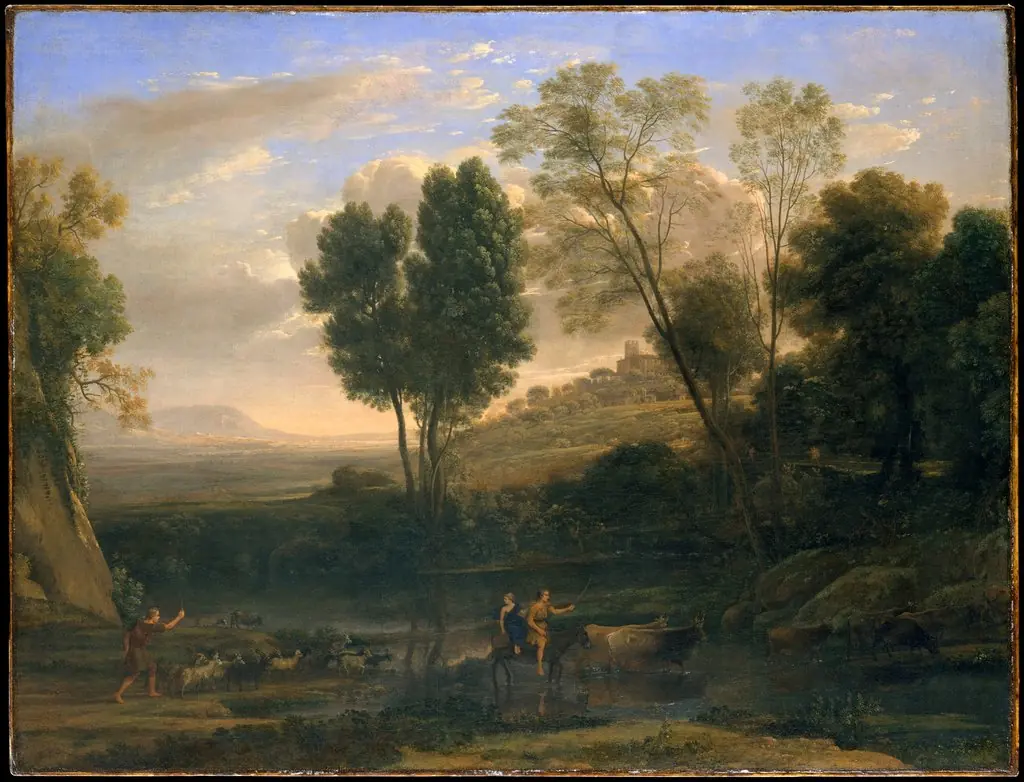
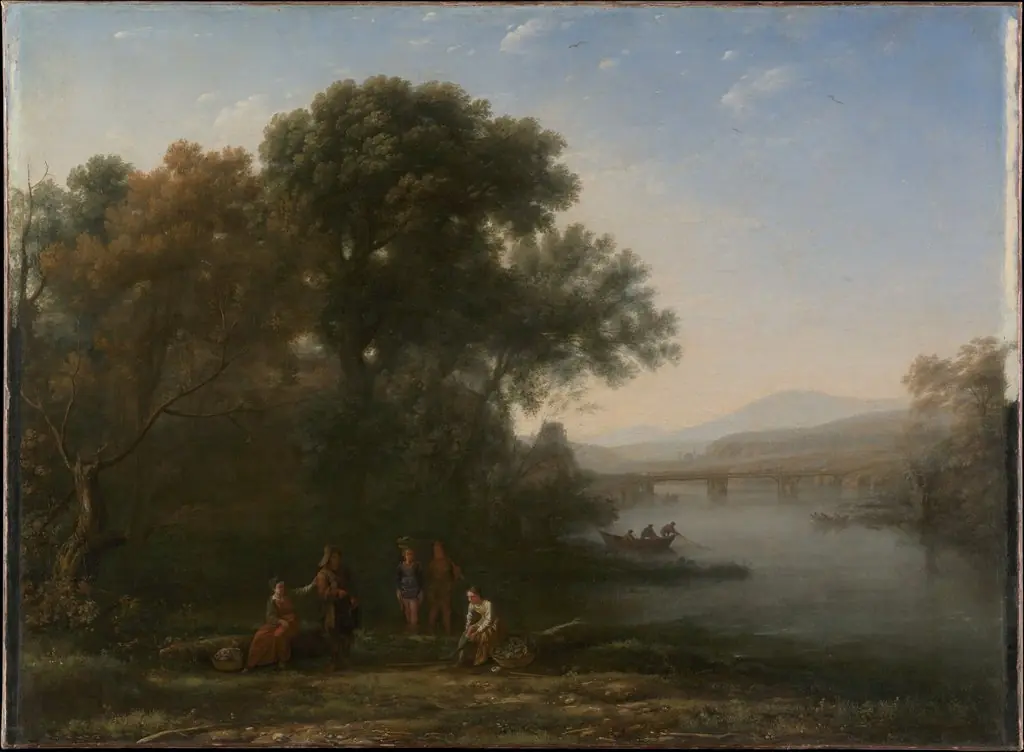
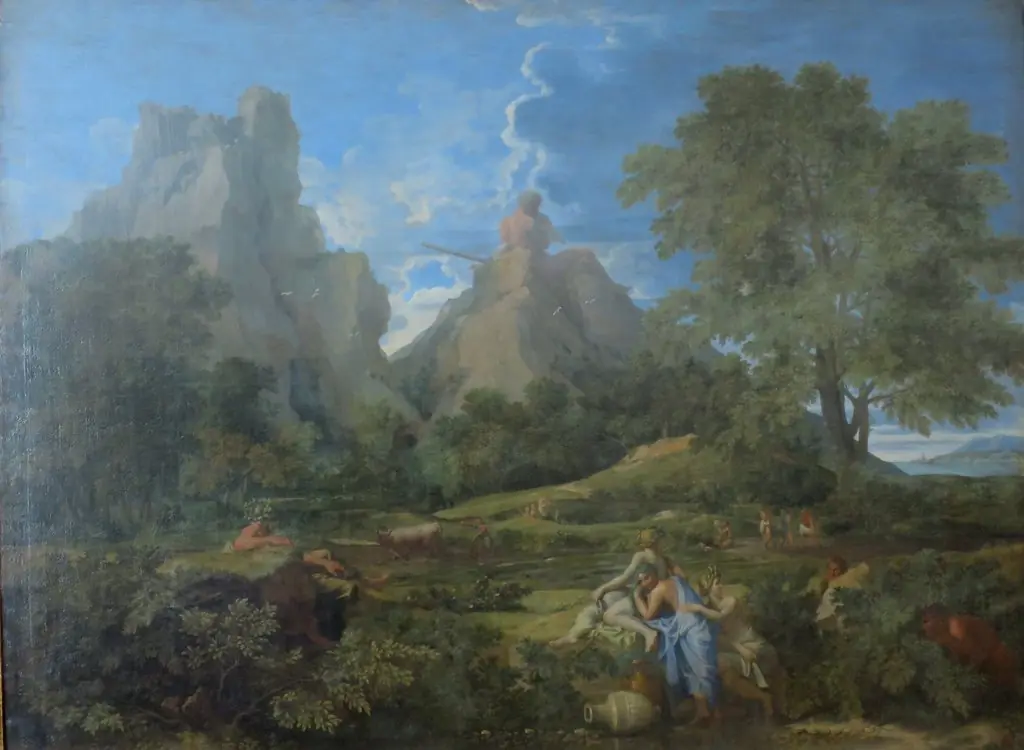
Created circa 1650 by Claude Lorrain, a French-born painter who spent his professional life in Italy, this oil on canvas presents an idealized natural scene. The composition centers on a modest bridge spanning a tranquil waterway, framed by gently rolling hills and a scattering of trees. Soft, muted greens and earth tones dominate, while a calm, sunlit atmosphere pervades the whole picture.
Subject & Meaning
In the foreground, two small figures accompanied by a few animals pause near the bridge, suggesting a moment of quiet travel or pastoral leisure. Their diminutive scale against the expansive landscape underscores the genre’s emphasis on nature’s grandeur, while the inclusion of human activity hints at a narrative thread drawn from classical or biblical tradition, a hallmark of Lorrain’s approach.
Technique & Style
This controlled handling of light and color reflects the French Classical Baroque aesthetic, merging idealized scenery with precise compositional order.
Lorrain employs a refined chiaroscuro, balancing bright illumination with deep shadows to model forms and convey depth across the hills and water. The brushwork is smooth and seamless, eliminating visible strokes and reinforcing a serene, almost photographic clarity. This controlled handling of light and color reflects the French Classical Baroque aesthetic, merging idealized scenery with precise compositional order.
History & Provenance
The painting entered the collection of the Norton Simon Museum, where it remains on display. Its provenance traces back to the artist’s Italian period, during which Lorrain established a reputation for elevating landscape painting by integrating narrative figures, a practice that attracted patrons across Europe in the mid‑17th century.
Context
At a time when history painting dominated academic hierarchies, Lorrain’s work contributed to a shift that recognized landscape as a worthy subject in its own right. By embedding modest historical or biblical characters within an idealized environment, he helped define a new visual language that influenced contemporaries and later generations of European painters.
Artist & collection
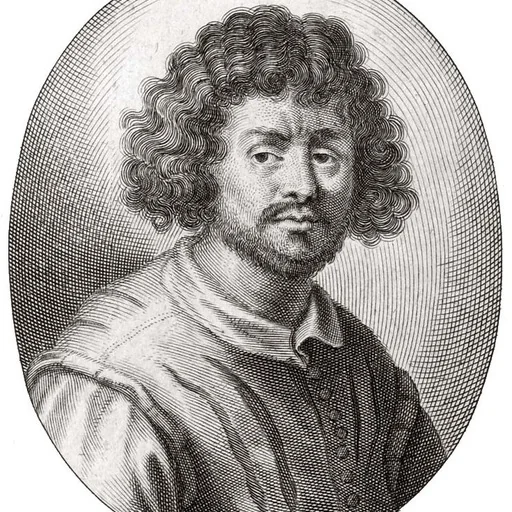
Artist
Claude Lorrain (French: ; born Claude Gellée , called le Lorrain in French; traditionally just Claude in English; c.

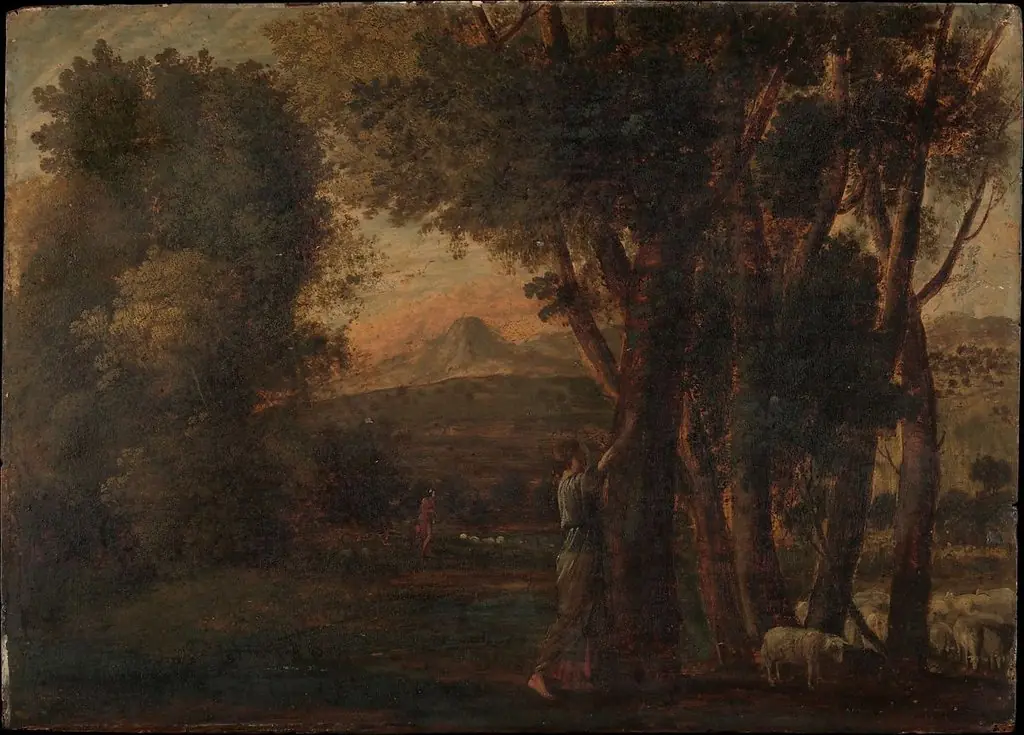
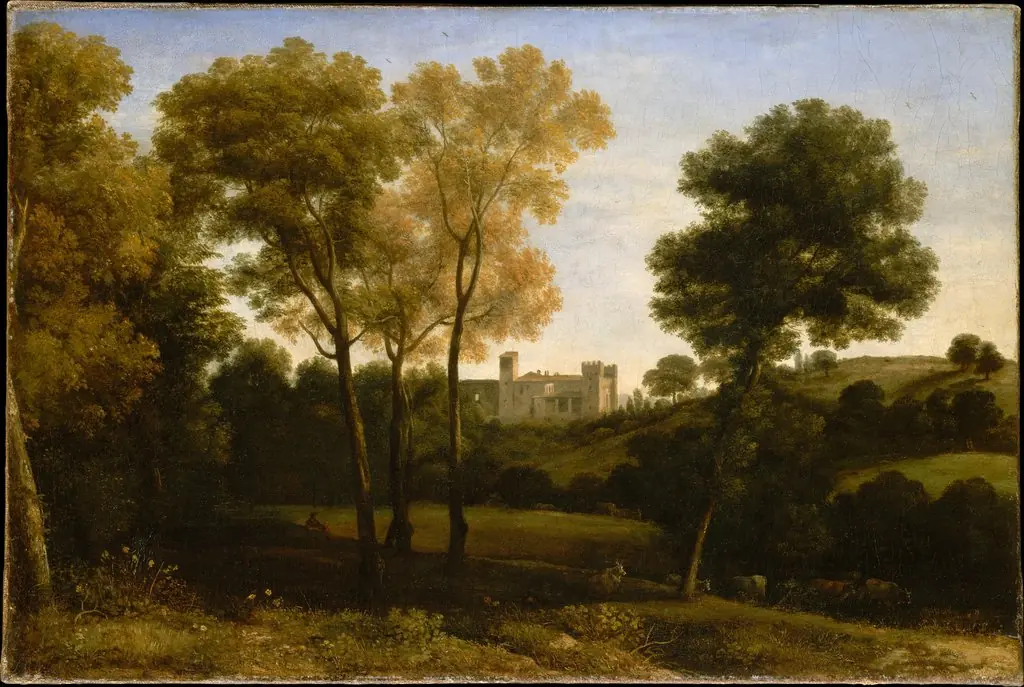
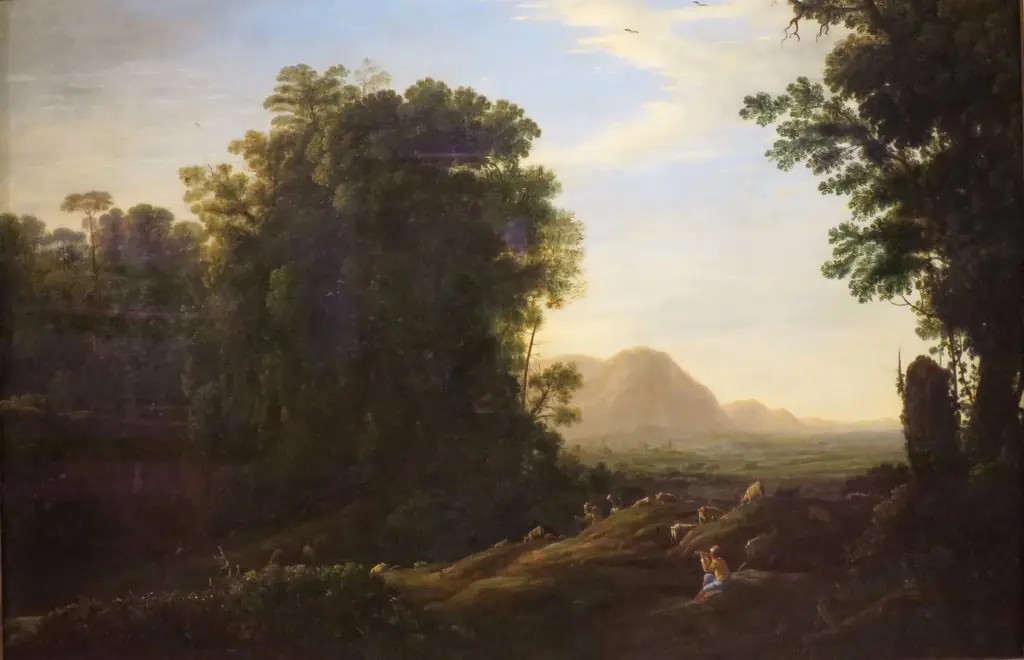 Landscape with a Piping Shepherd
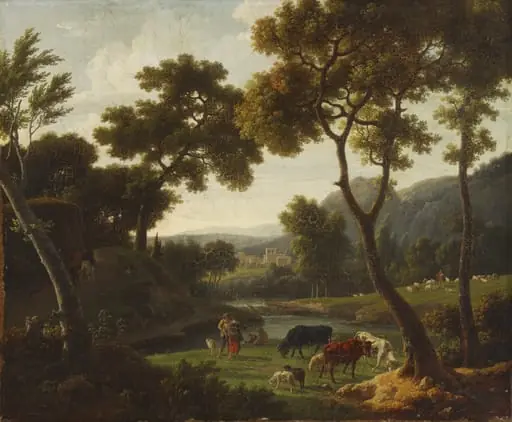 Ihanteellinen maisema
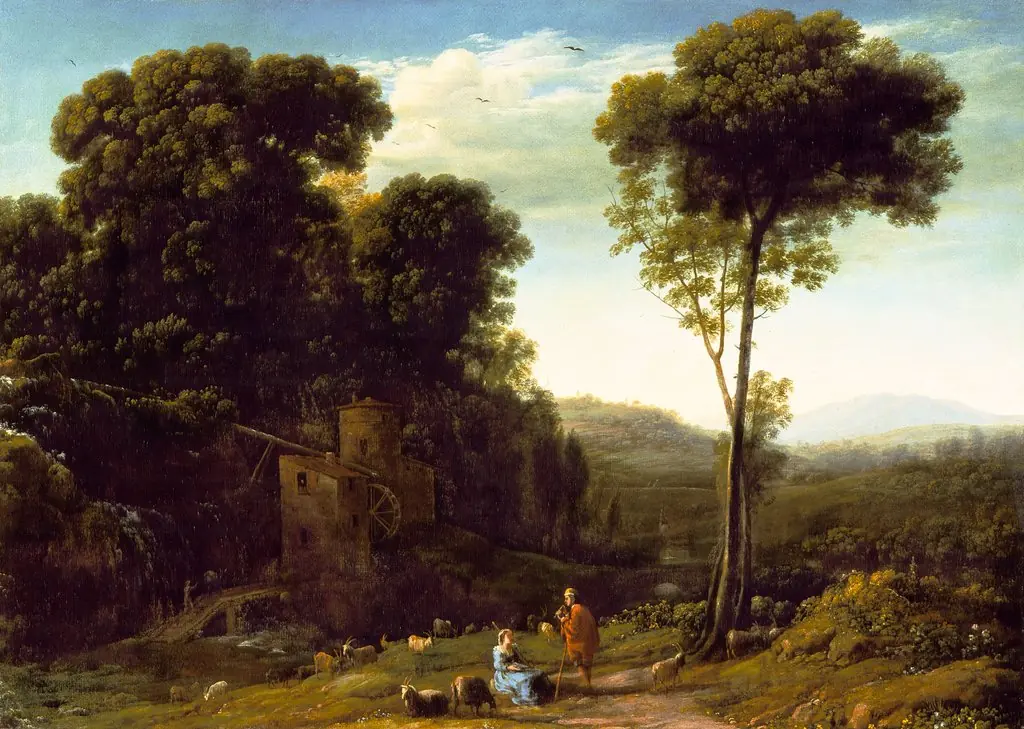 Pastoral Landscape with a Mill
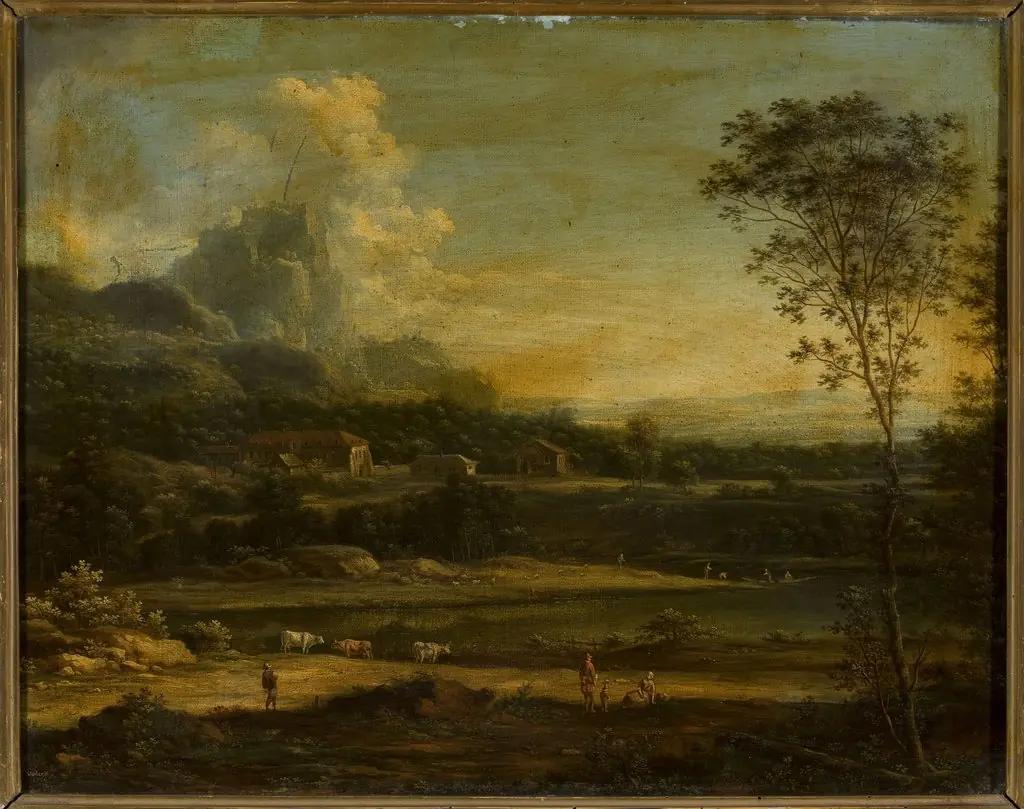 Mountain landscape with a lake and buildings
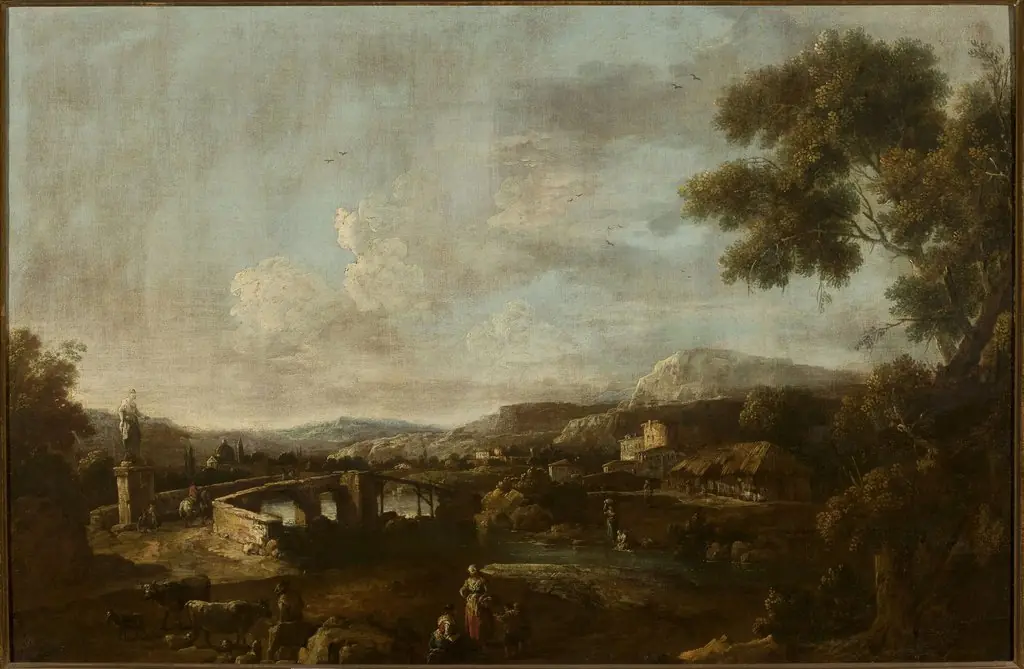 Landscape with staffage
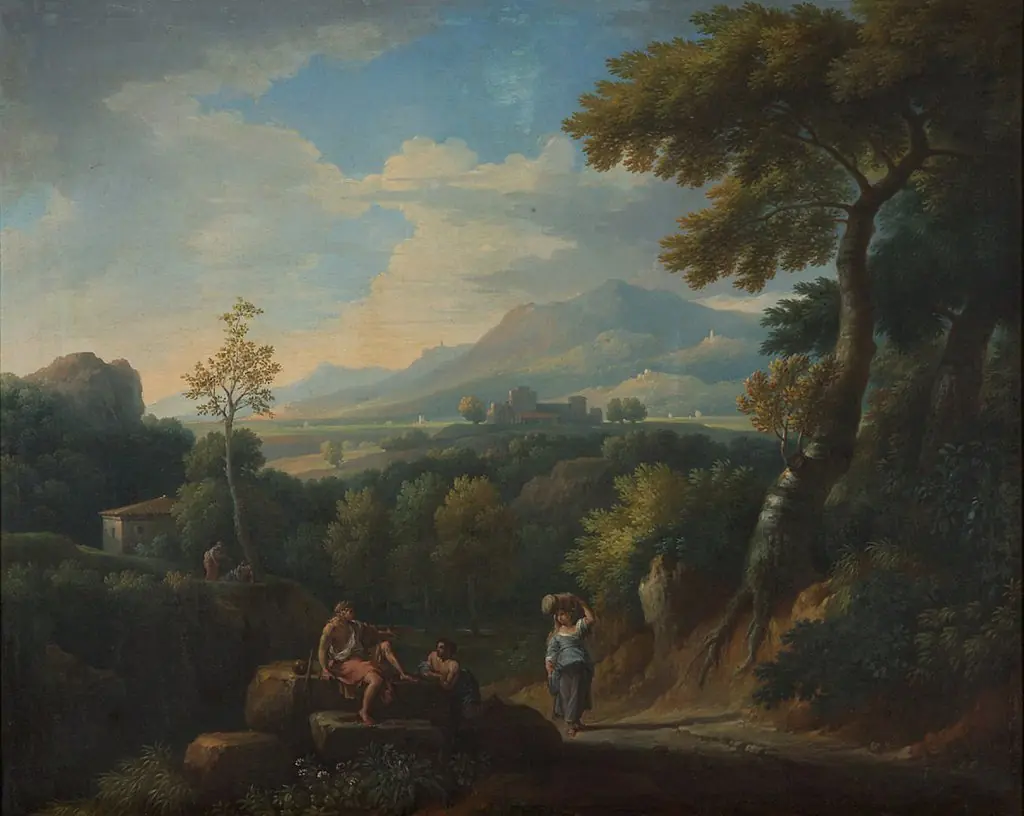 Italian Landscape
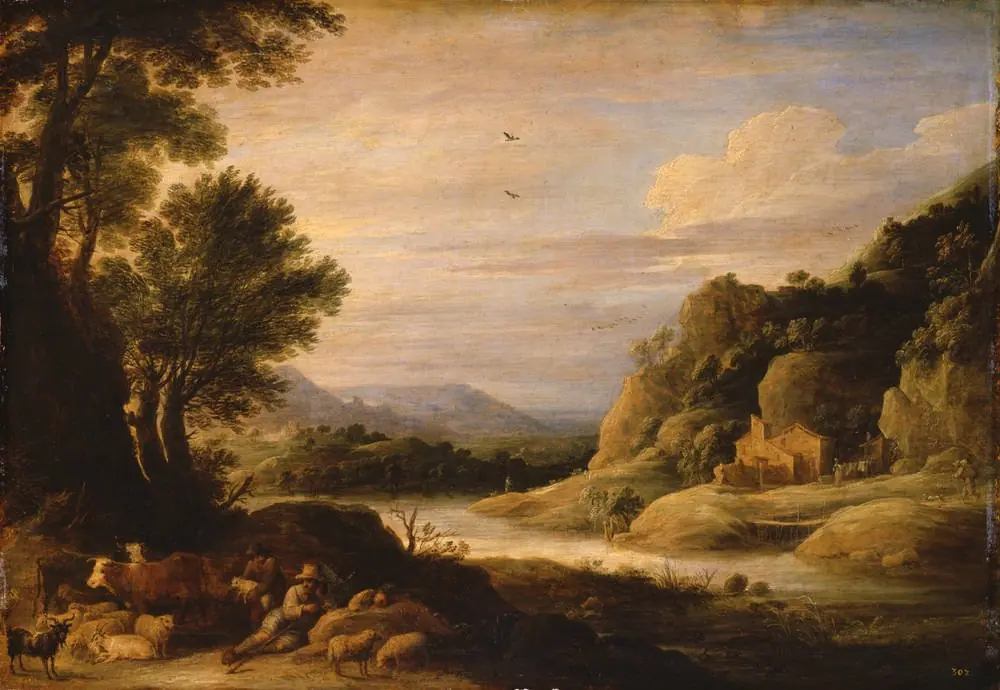 River landscape with resting shepherds and herds
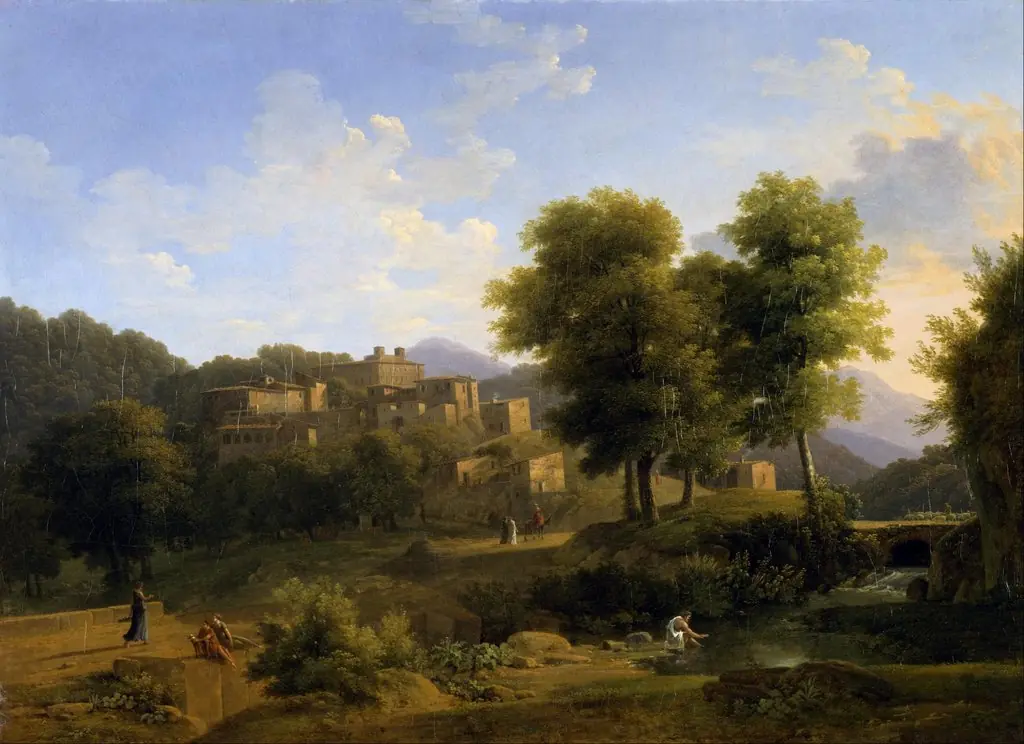 View of a Town in the Sabine Hills
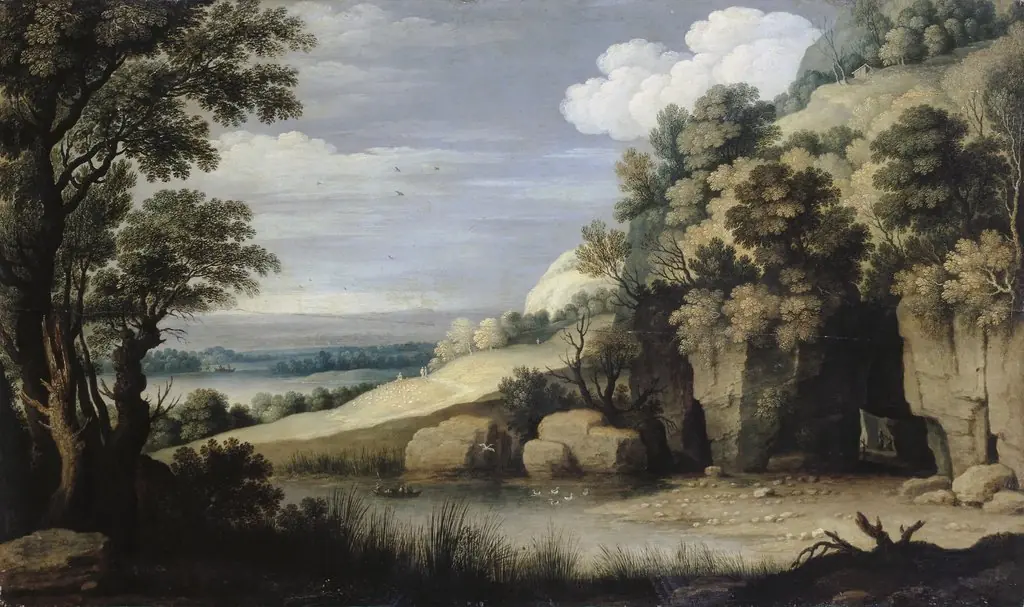 Landscape with a Lake
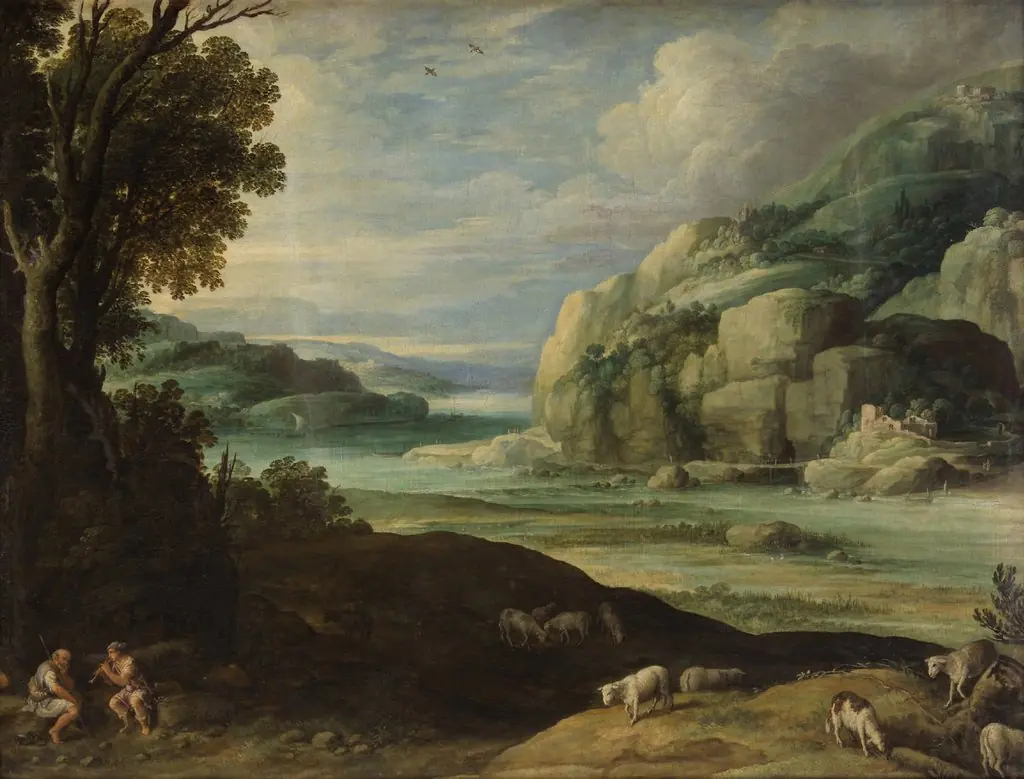 Landschaft mit Merkur und Argus
 Landscape with Polyphemus