Artwork
Water Lilies
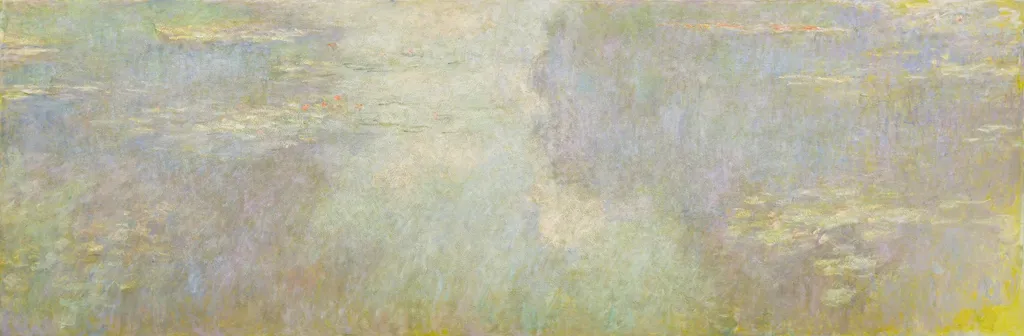
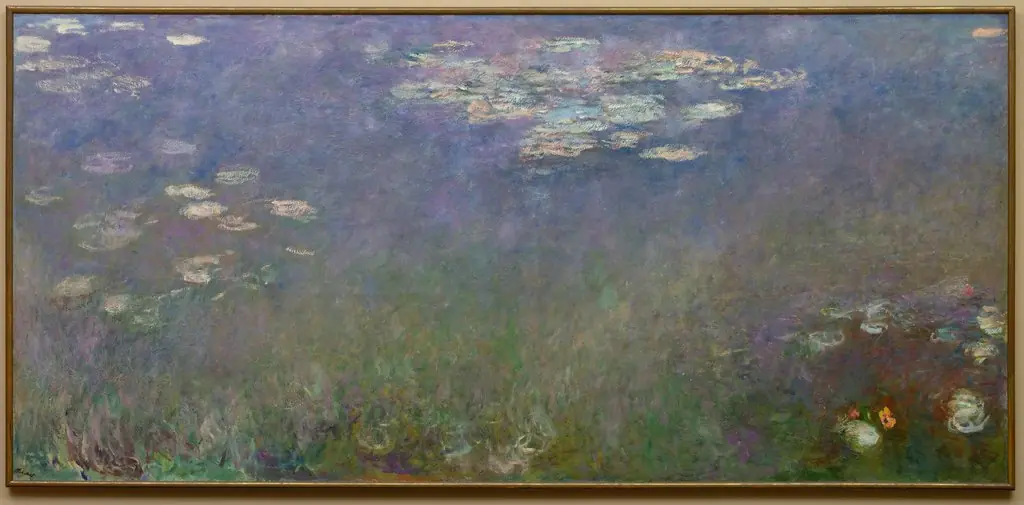
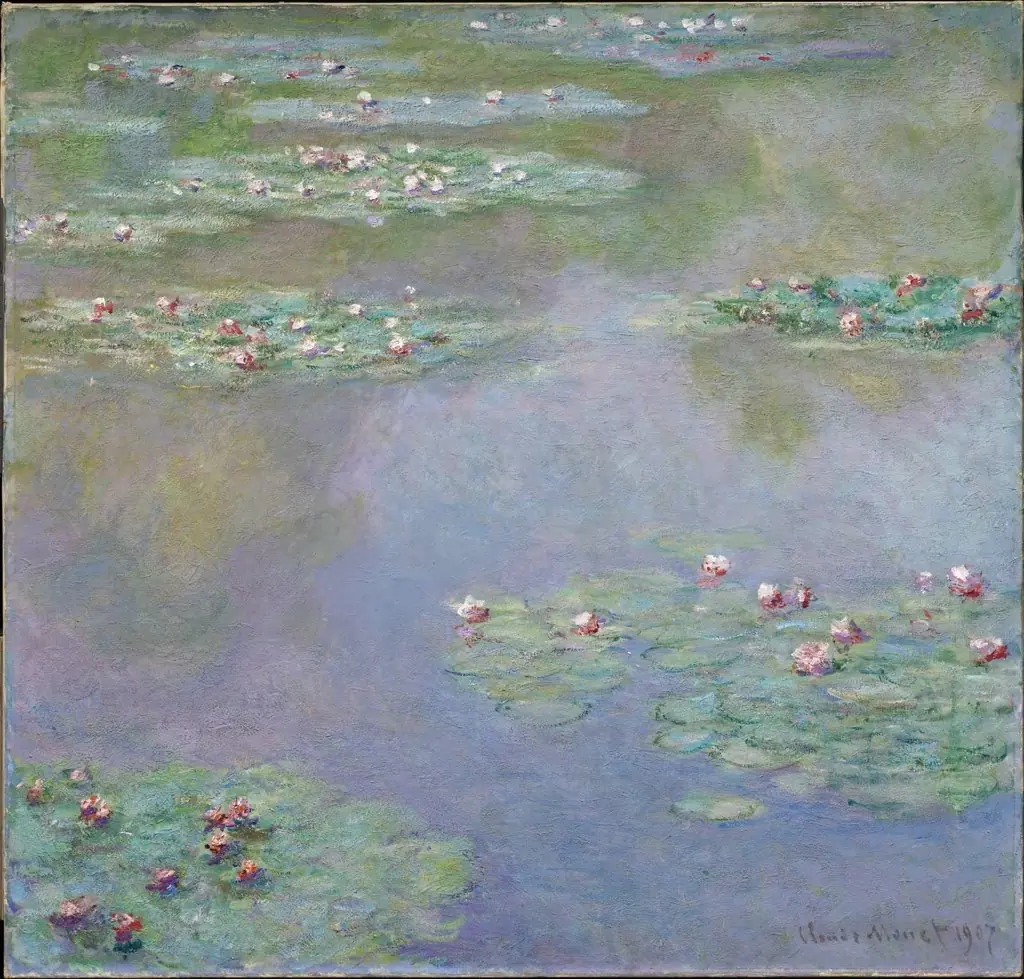
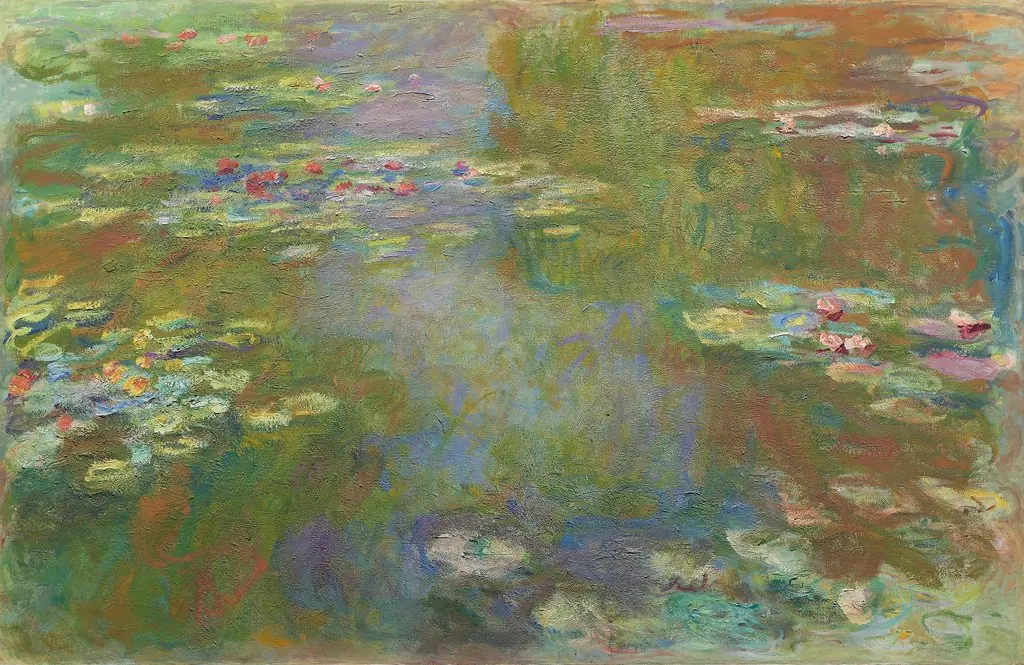
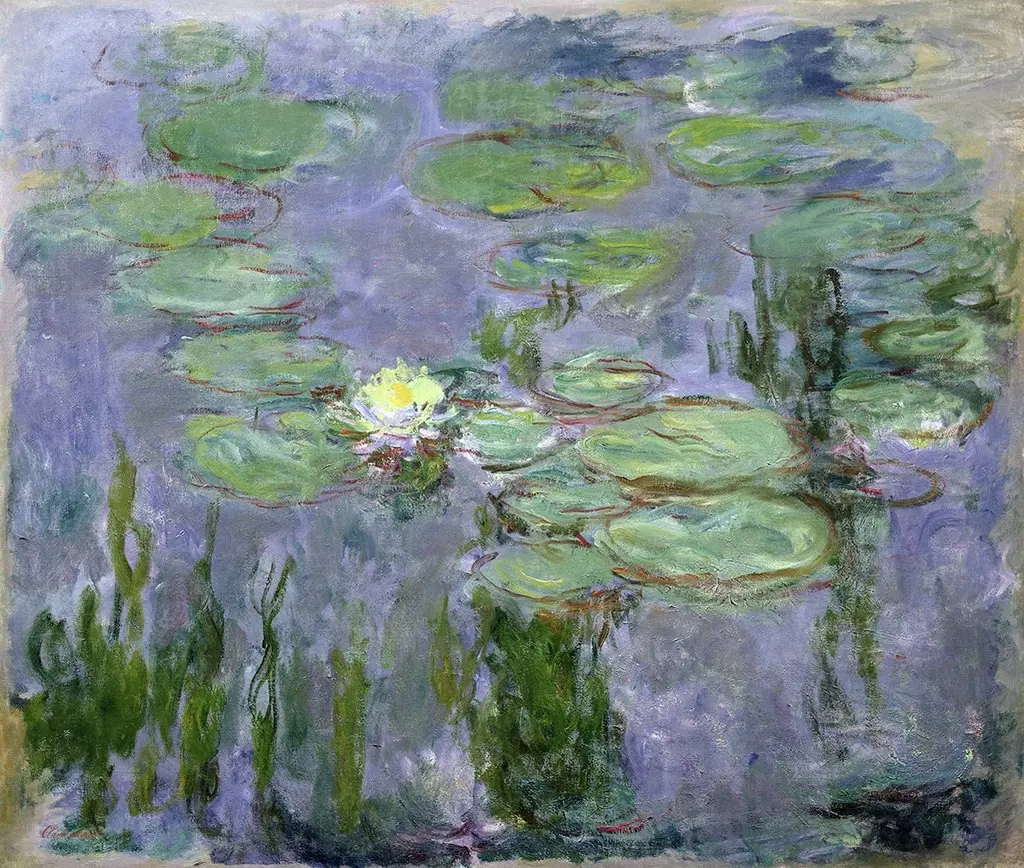
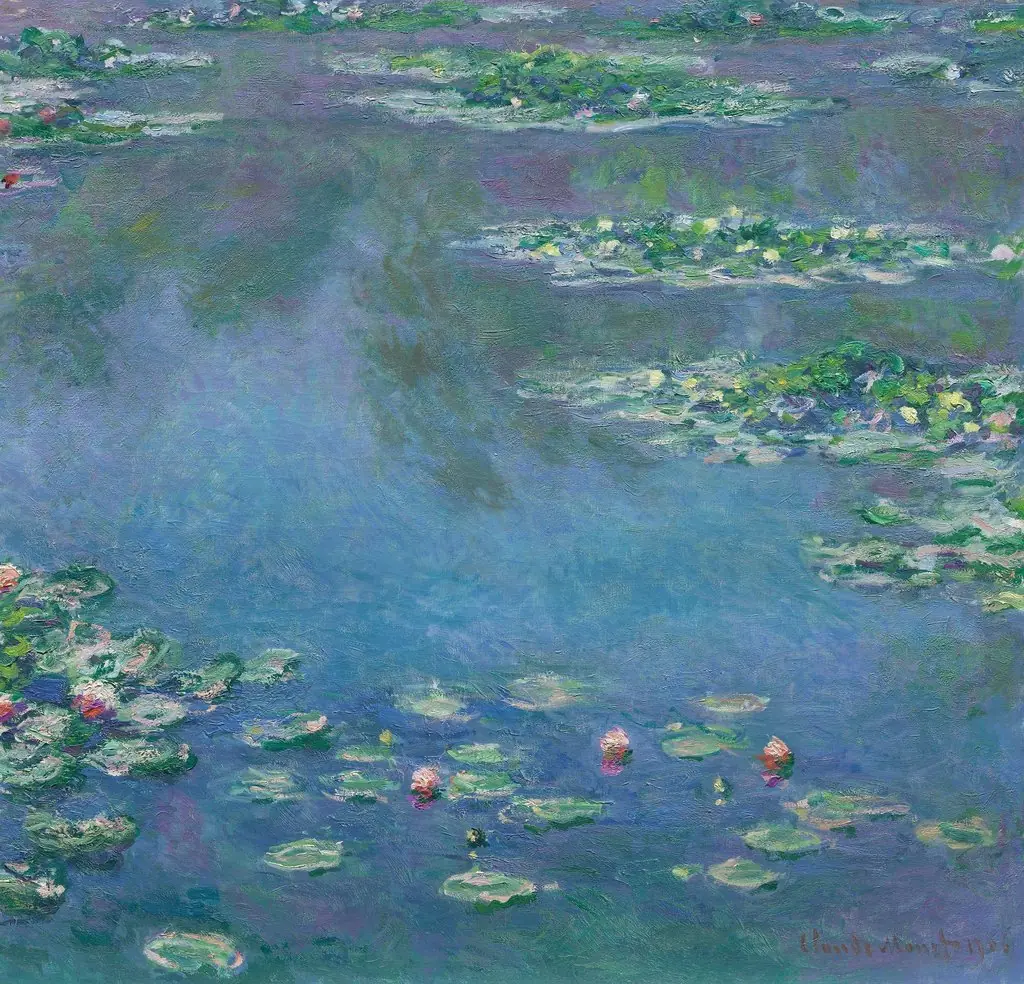
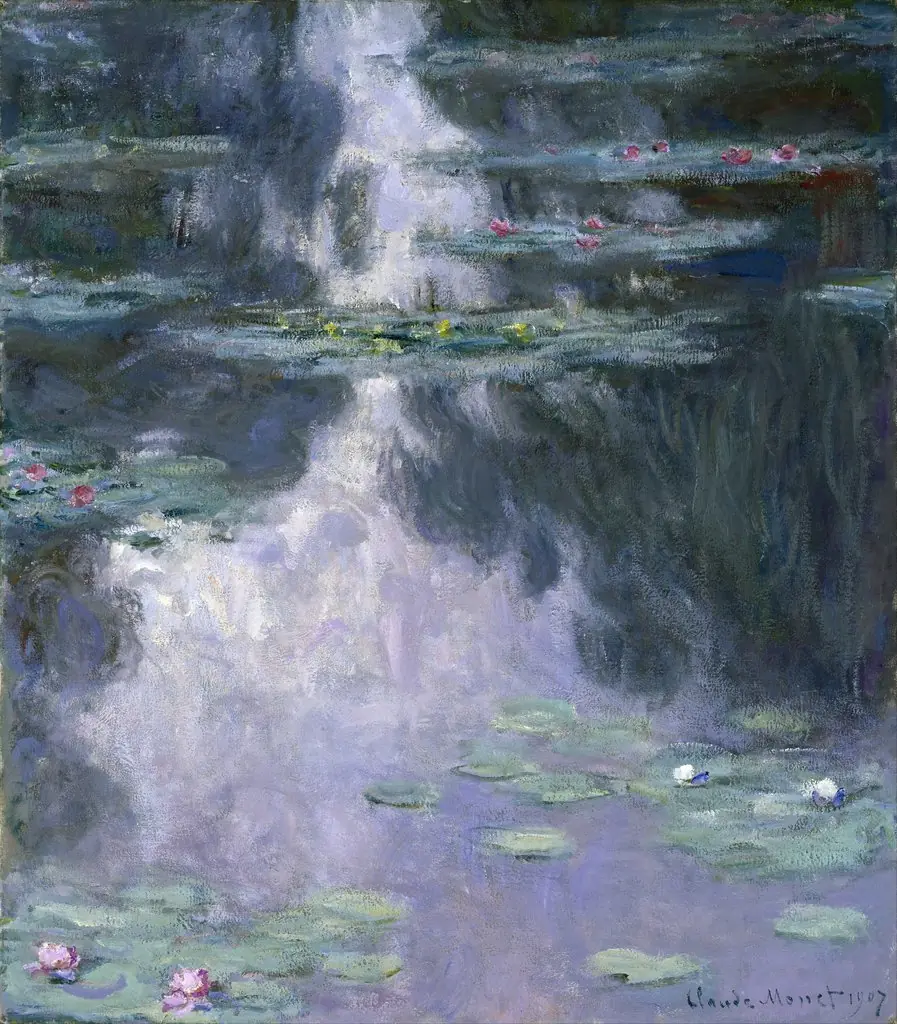
Water Lilies is an oil painting by the Impressionist artist Claude Monet. It dates from 1890 and is held in the collection of the Museum of Modern Art.
About this work
Overview
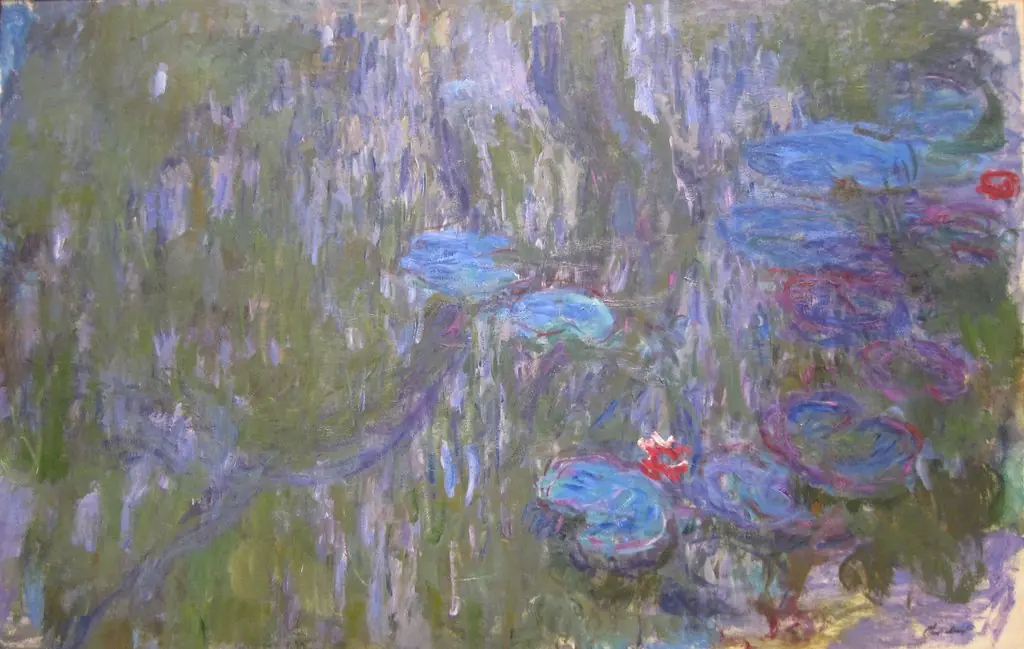
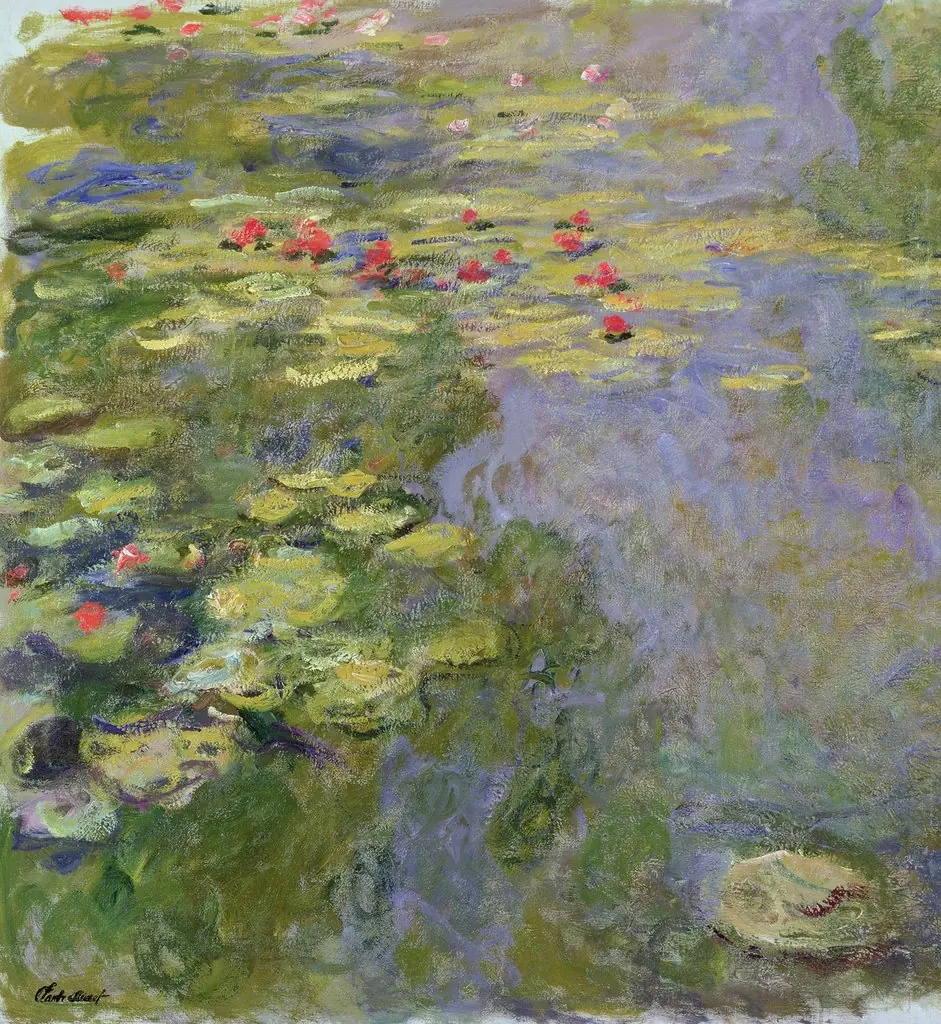
Claude Monet’s oil work titled Water Lilies, executed around 1890, is part of the collection at the Museum of Modern Art. The canvas presents a tranquil pond populated by floating lilies, rendered in a palette of muted greens, blues and purples that merge without hard outlines. The overall effect is one of quiet immersion in a natural setting.
Subject & Meaning
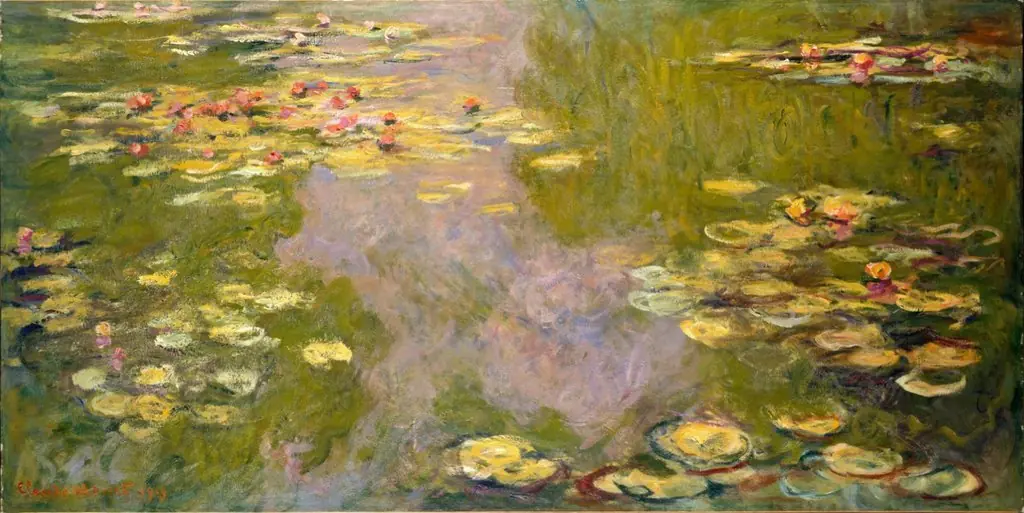
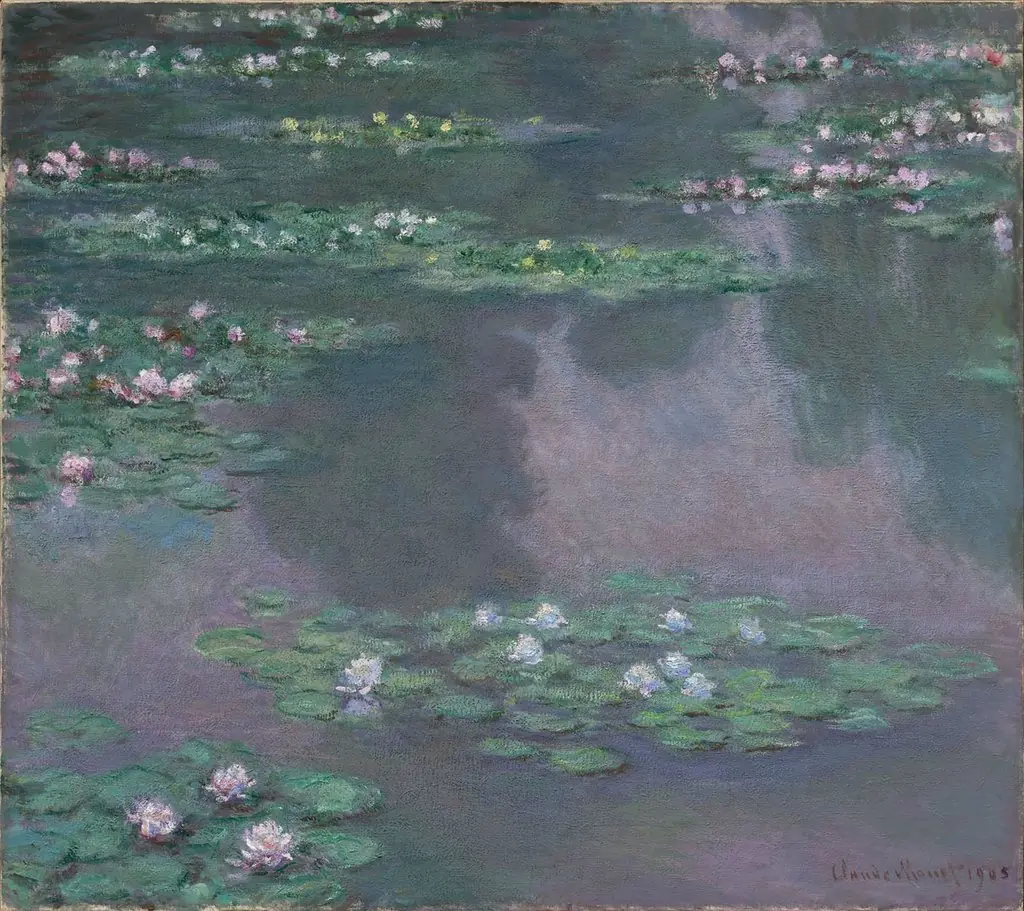
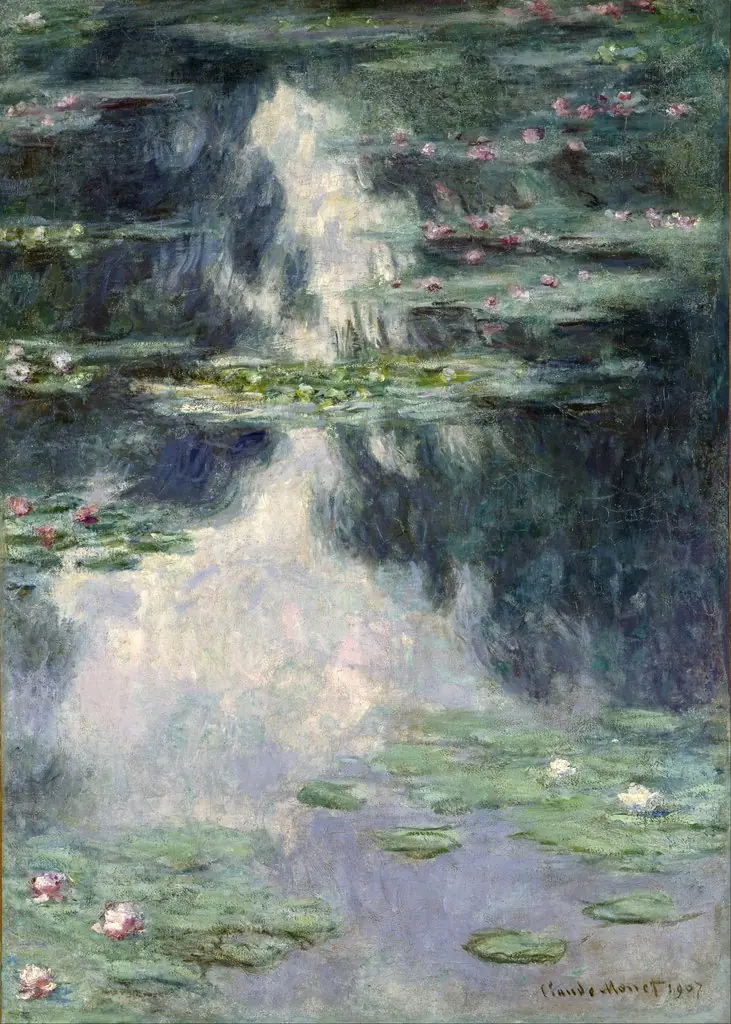
The painting depicts a shallow garden pond where water lilies drift on the surface, their leaves and blossoms rendered in soft focus. By eliminating distinct edges, Monet invites contemplation of the fleeting qualities of light and atmosphere, suggesting a meditative experience of nature rather than a literal representation.
Technique & Style
Executed in oil, the work employs the hallmark Impressionist approach of loose brushwork and blended tones. Layers of translucent paint create a glazed surface, allowing colors to mingle and produce a luminous, almost hazy ambience. The lack of sharp contours emphasizes the fleeting impression of the scene over precise detail.
History & Provenance
Created in the later phase of Monet’s career, the piece reflects his long‑term fascination with his garden at Giverny. After changing hands through private collections, it entered the Museum of Modern Art’s holdings, where it remains on display as part of the institution’s Impressionist holdings.
Artist & collection
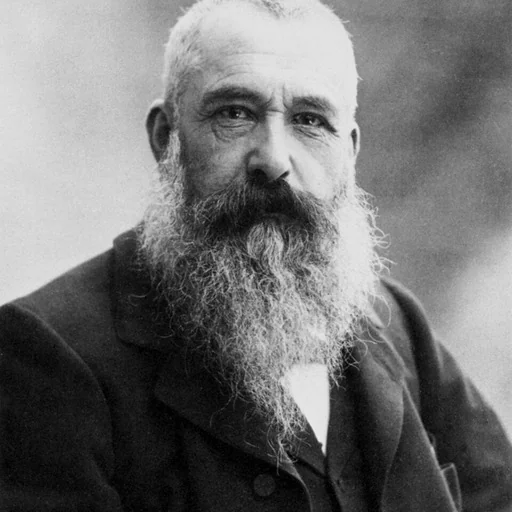
Artist
Oscar-Claude Monet was born in Paris on November 14, 1840, and raised from the age of five in Le Havre, where he began selling charcoal caricatures as a teenager.