Artwork
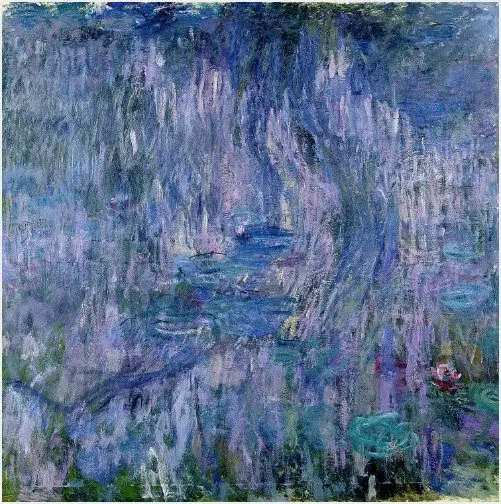
Water Lilies, Reflections of Weeping Willows
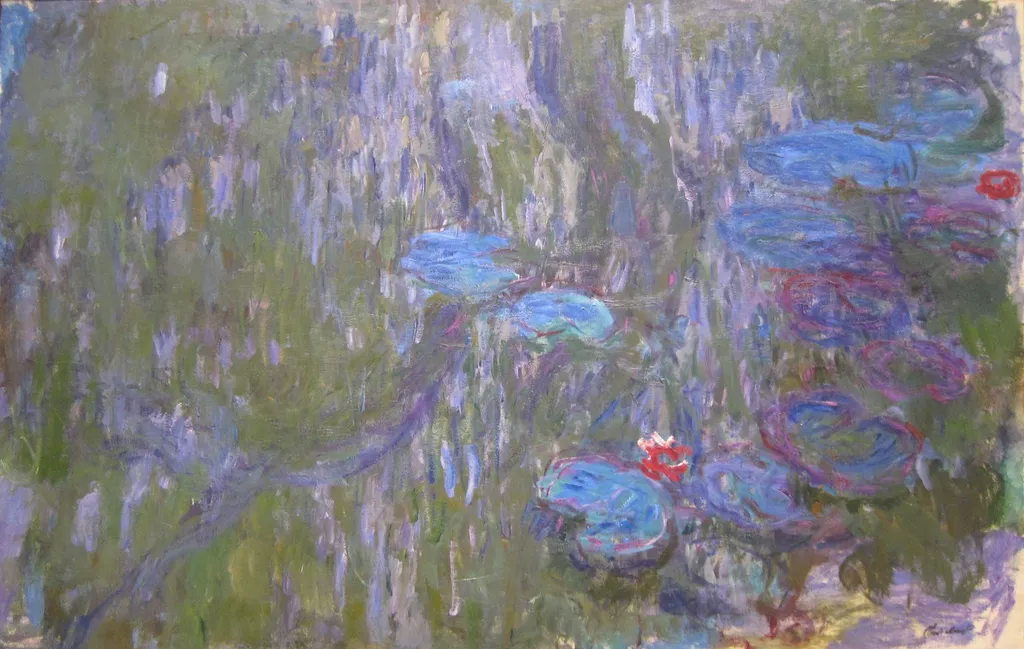
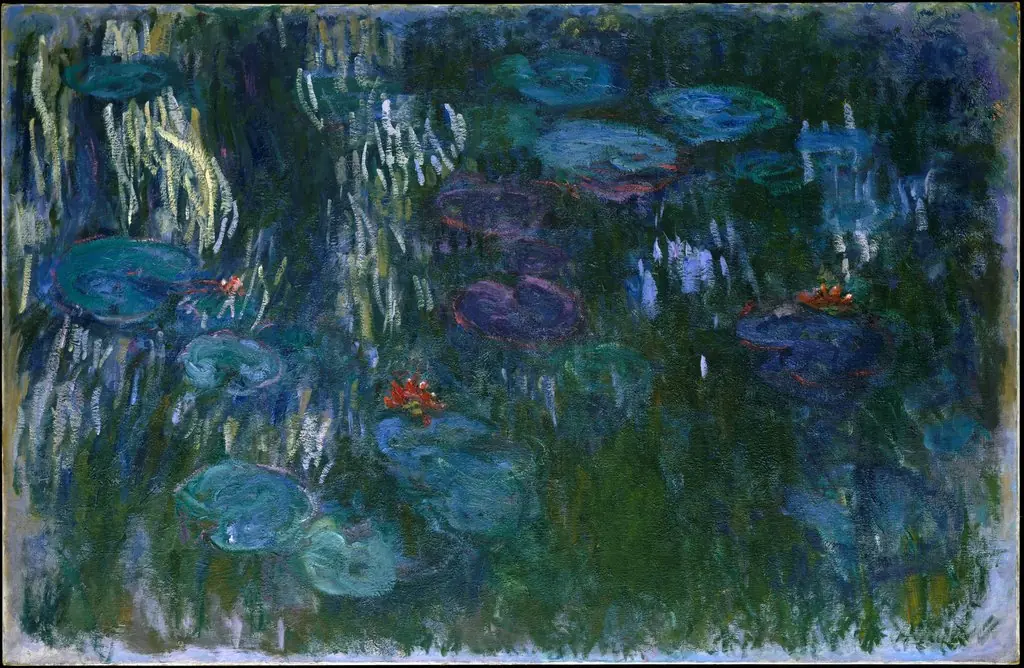
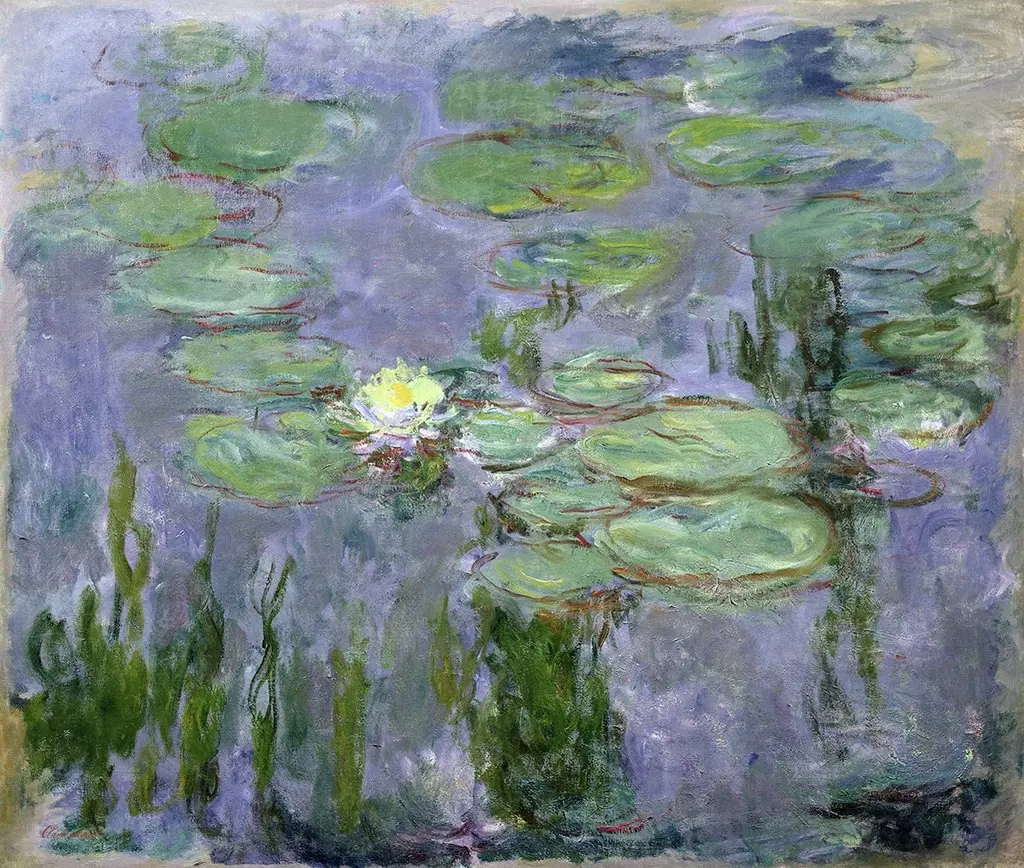
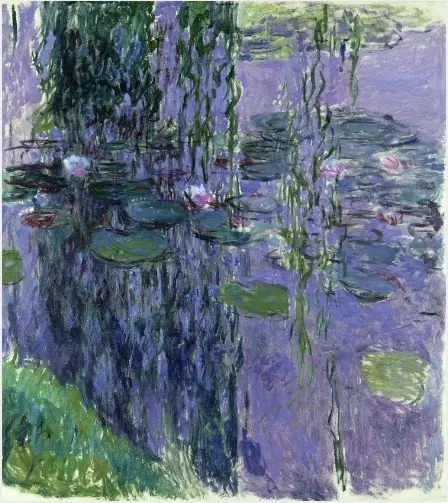
Water Lilies, Reflections of Weeping Willows is an oil painting by the Impressionist artist Claude Monet. It dates from 1918 and is held in the collection of the Metropolitan Museum of Art.
About this work
Overview
Water Lilies, Reflections of Weeping Willows is an oil painting created by Claude Monet in 1918, currently part of The Metropolitan Museum of Art's collection.
Subject & Meaning
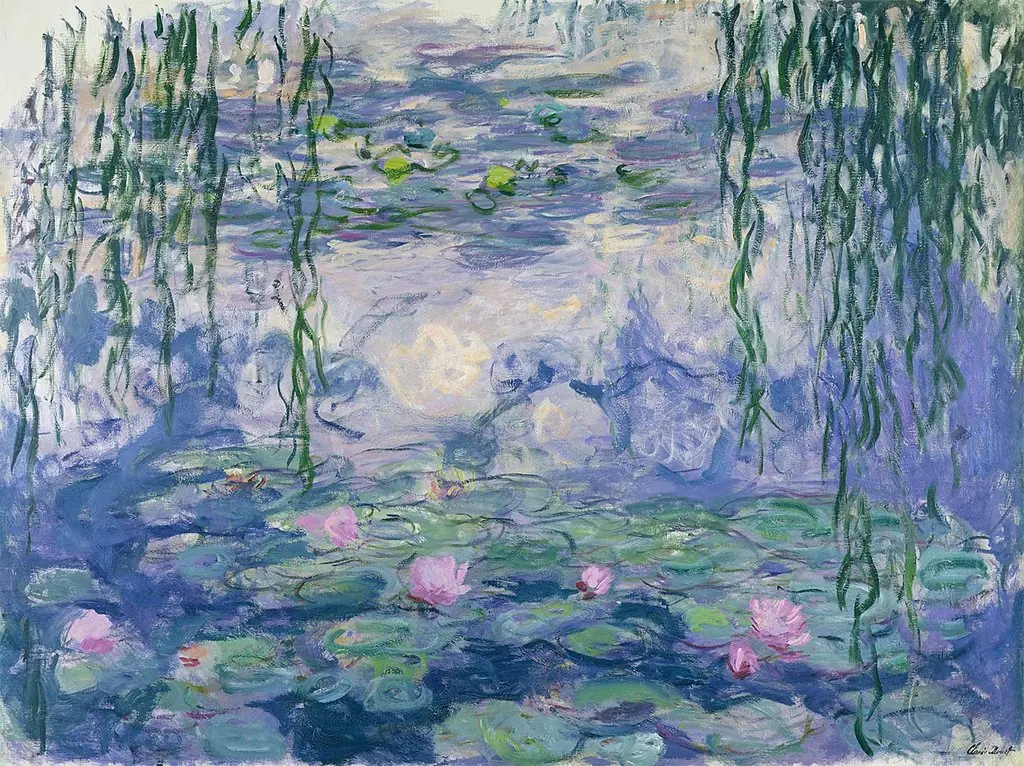
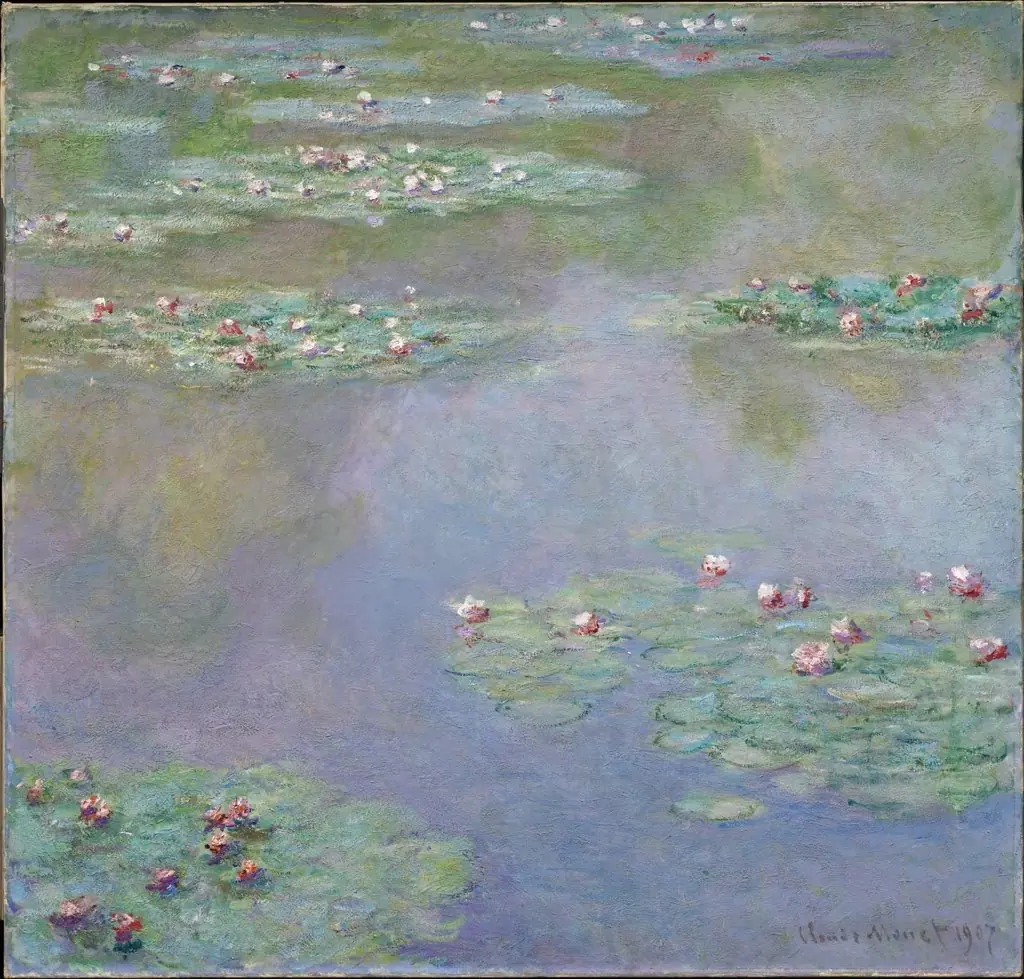
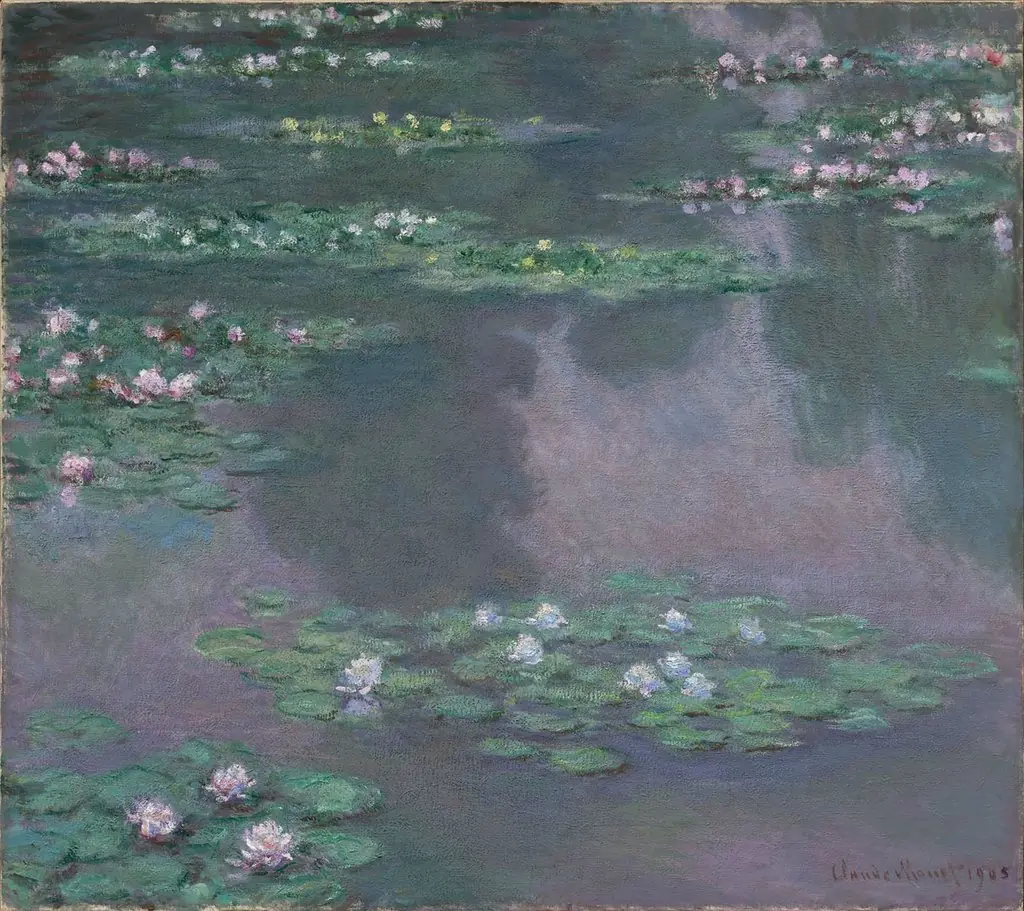
The painting captures a serene natural scene, focusing on a pond's surface. A cluster of water lilies dominates the foreground, while the reflection of weeping willows in the water adds depth, exploring the interplay between nature's elements and their mirrored reflections.
Technique & Style
Characterized by loose, expressive brushstrokes and visible canvas texture, the work embodies Impressionist principles. A muted palette of greens, blues, and purples prevails, with occasional red accents, contributing to the soft, impressionistic quality.
History & Provenance
Created in 1918, the painting is now housed at The Metropolitan Museum of Art, though specific details of its journey to the museum are not provided here.
Context
Part of Monet's later body of work, this piece reflects his continued fascination with capturing light and reflections in natural settings, a theme prevalent in his famous water lily series.
Legacy
As a late work by Monet, it contributes to the broader legacy of Impressionism, though its specific influence or notable exhibitions are not detailed in the provided information.
Own this work as a print
Artist & collection
Artist
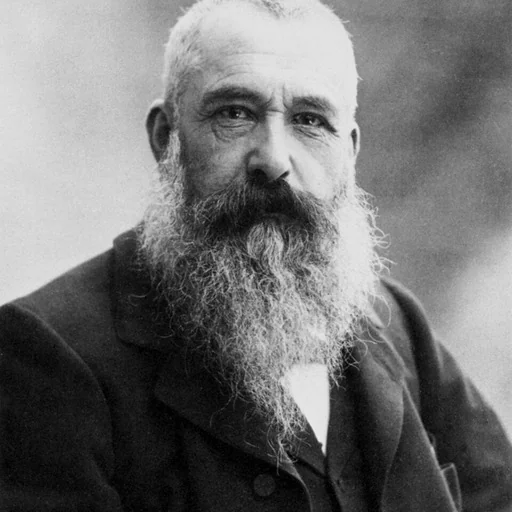
Oscar-Claude Monet was born in Paris on November 14, 1840, and raised from the age of five in Le Havre, where he began selling charcoal caricatures as a teenager.