Artwork
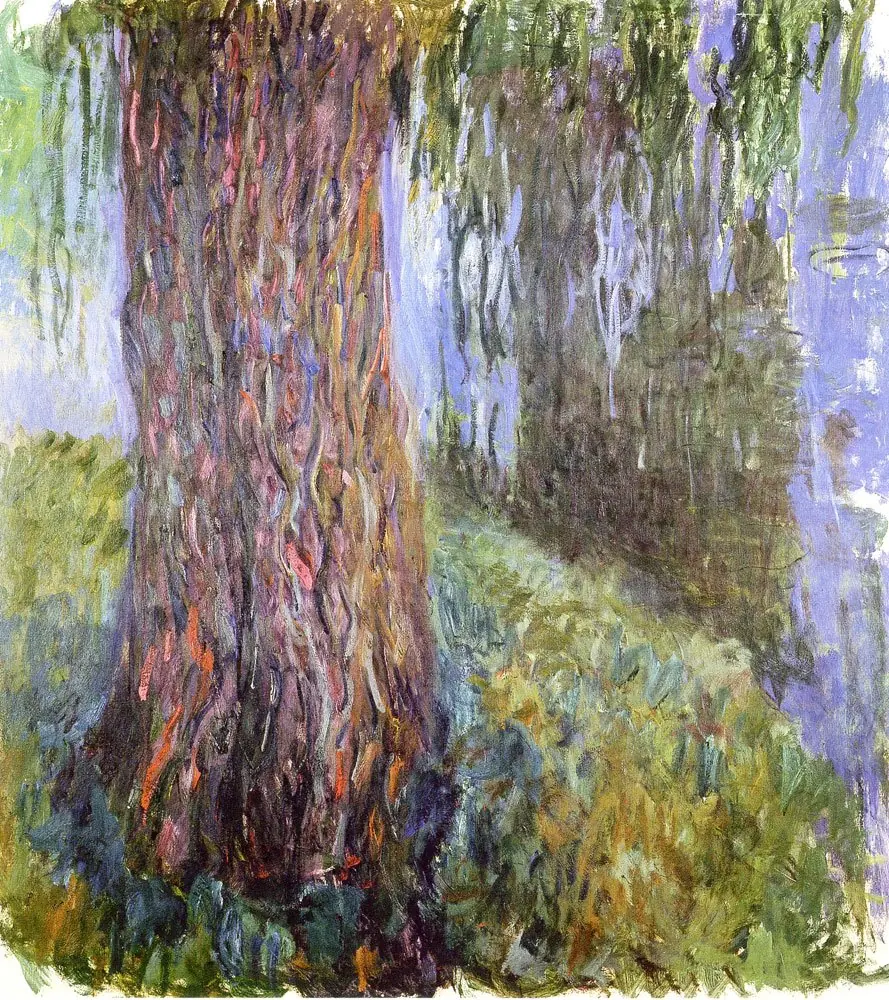
Weeping Willow
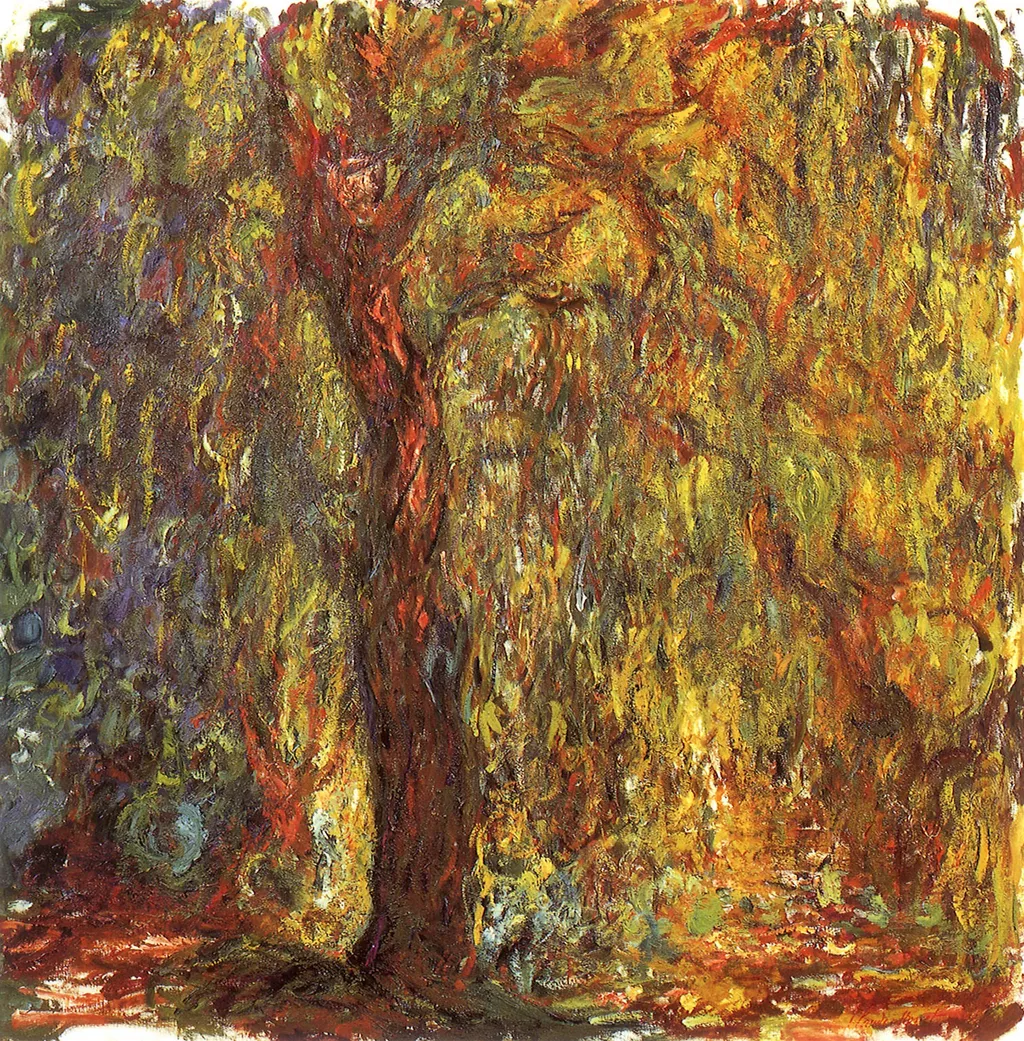
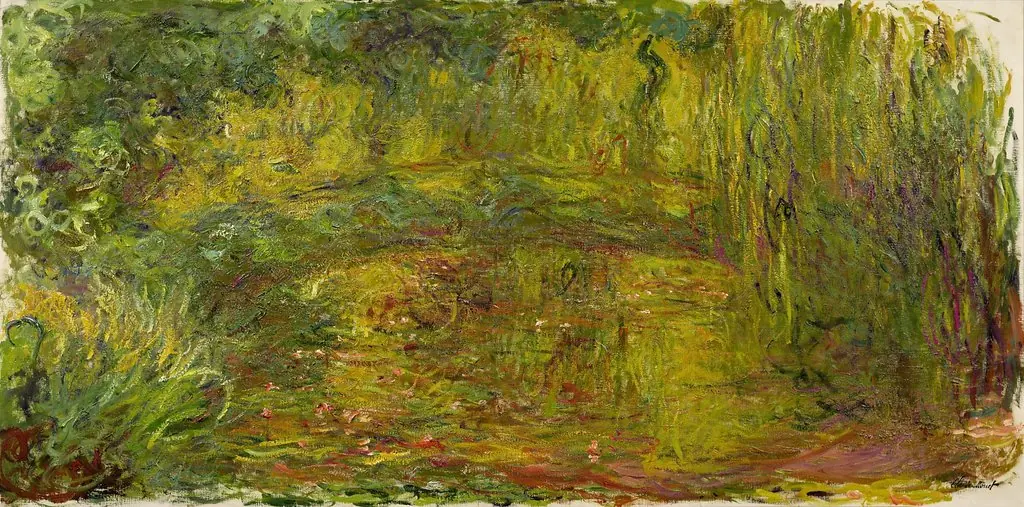
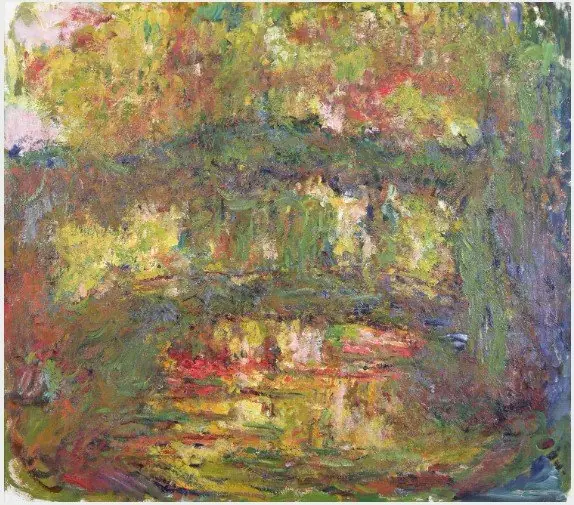
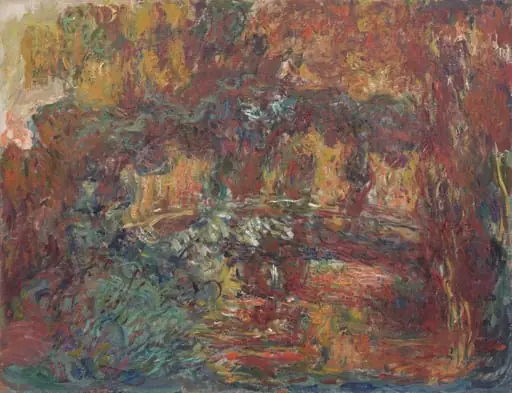
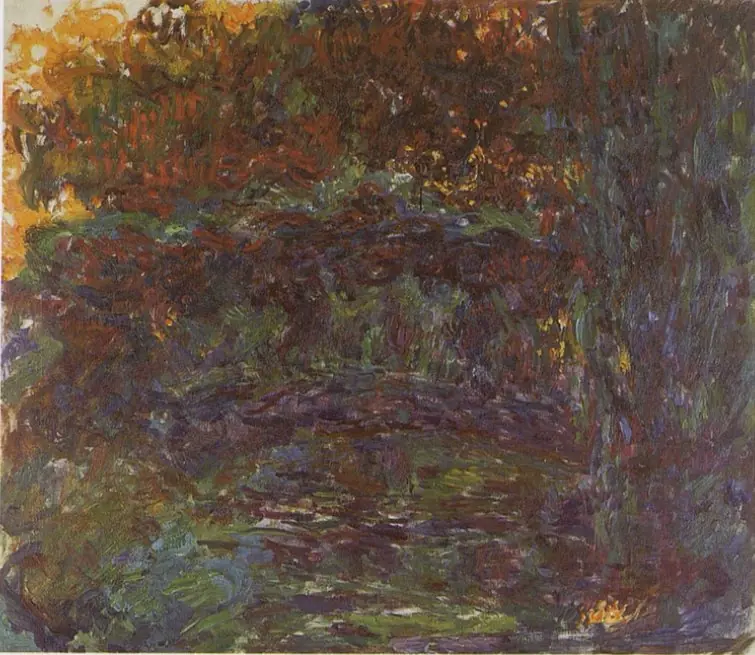
Weeping Willow is an oil painting by the Impressionist artist Claude Monet. It dates from 1918 and is held in the collection of the Musée Marmottan Monet.
About this work
Overview
Claude Monet’s 1918 oil work titled “Weeping Willow” presents a solitary willow tree rendered in broad, fluid strokes. The composition centers on the tree’s sweeping, pendulous limbs that descend toward the canvas floor, set against a muted, sun‑lit background. The overall effect is one of quiet contemplation, inviting viewers to experience the subtle interplay of light and foliage.
Subject & Meaning
The painting captures a single Salix, its drooping branches suggesting both the resilience and the gentle melancholy often associated with willows. By isolating the tree within a softened, hazy atmosphere, Monet emphasizes the transient qualities of nature, inviting reflection on the passage of time and the quiet dignity of a solitary plant.
Technique & Style
Monet employs loose, expressive brushwork that leaves the texture of the oil visible, creating a sense of movement within the still scene. A restrained palette of earthy browns, muted greens, and a warm, hazy yellow conveys natural light filtering through the canopy, while the gestural handling of paint underscores the artist’s late‑period impressionist approach.
History & Provenance
Created in the final year of Monet’s life, “Weeping Willow” entered the collection of the Musée Marmottan Monet, where it remains on display. The museum, dedicated to the artist’s oeuvre, acquired the work as part of its effort to preserve Monet’s later paintings, ensuring public access to this intimate study of a single tree.
Own this work as a print
Artist & collection
Artist
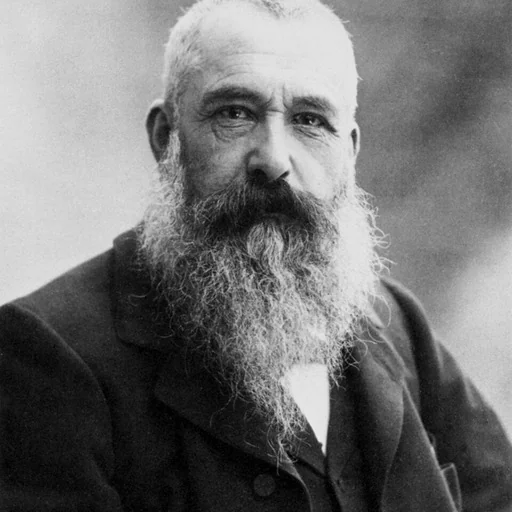
Oscar-Claude Monet was born in Paris on November 14, 1840, and raised from the age of five in Le Havre, where he began selling charcoal caricatures as a teenager.