Artwork
Courtyard, Casa de Pilatos, Seville
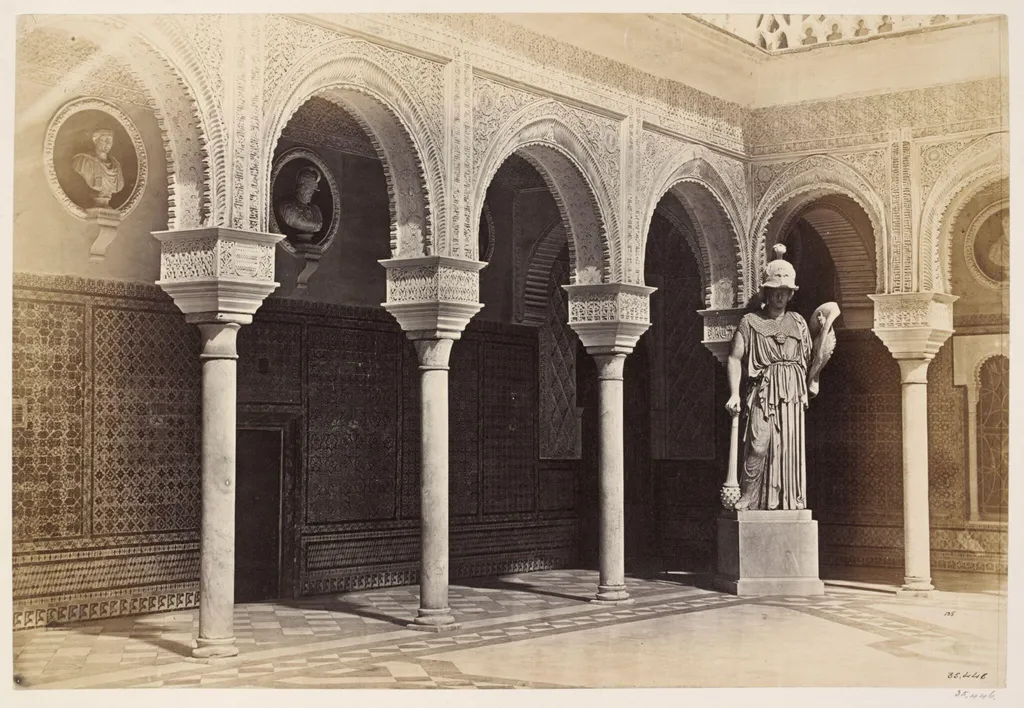
Courtyard, Casa de Pilatos, Seville is a photographic photography by the Impressionist artist Charles Clifford. It dates from 1862 and is held in the collection of the Victoria and Albert Museum.
About this work
Overview
Courtyard, Casa de Pilatos, Seville is a sepia-toned photograph taken by Charles Clifford in 1862, capturing an elevated view of a corner in an arcaded courtyard.
Subject & Meaning
The image focuses on the architectural harmony of the courtyard, juxtaposing ornate elements like carved columns, tiled floors, and a statue of a helmeted figure (possibly a mythological or historical representation) with the sobering effect of deep shadows and dark doorways, evoking a sense of serene, protected space.
Technique & Style
Shot from an elevated vantage point, the photograph utilizes natural, soft lighting to emphasize textures and the interplay of light and shadow. The sepia tone adds a warm, antiquated quality, consistent with mid-19th-century photographic practices.
History & Provenance
Created in 1862 by Charles Clifford, a photographer known for documenting Spanish architecture and landscapes, this work reflects his interest in capturing the country's cultural heritage.
Context
The Casa de Pilatos, a Renaissance palace in Seville, blends Islamic and European architectural styles, which Clifford's photograph highlights through its depiction of arches, columns, and tiled patterns, reflecting the cultural exchange characteristic of Andalusian architecture.
Legacy
As part of Clifford's oeuvre, the photograph contributes to the historical record of Spanish architectural treasures, influencing later photographers and scholars interested in Iberian cultural heritage.
Artist & collection
Artist
Charles Clifford’s photographs freeze the details of Spanish architecture in the 1850s and 60s.

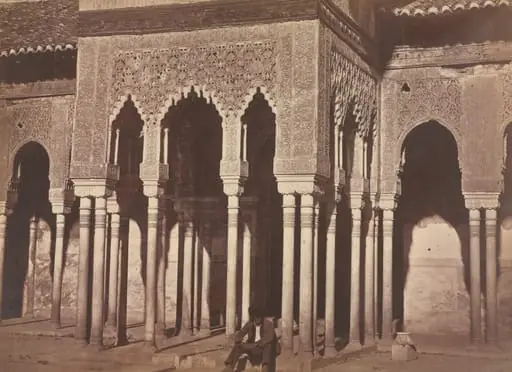 Courtyard, Alhambra
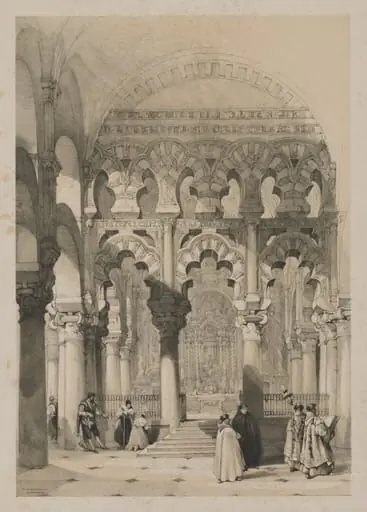 Picturesque Sketches in Spain: The Mosque, Cordova
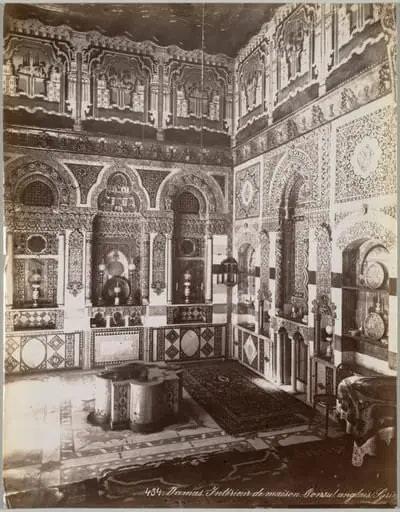 Damas. Intérieur de Maison. Consul Anglais (Syrie)
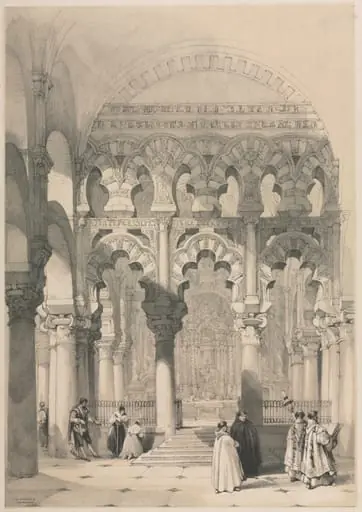 The Mosque, Córdoba
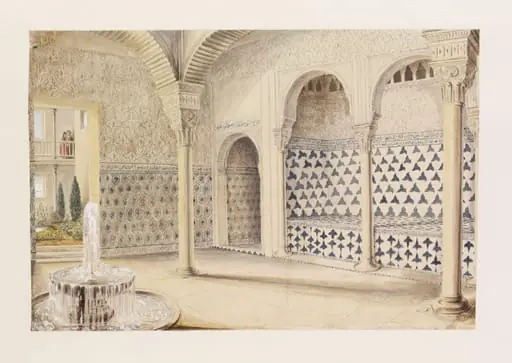 The Room of the Beds in the Alhambra
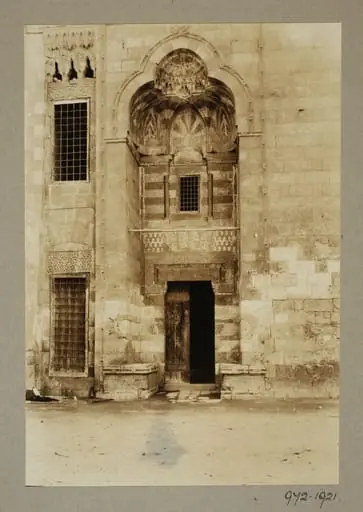 Entrance portal of the mosque of Qadi Yahya Zayn al-Din (Habbaniyya), Cairo
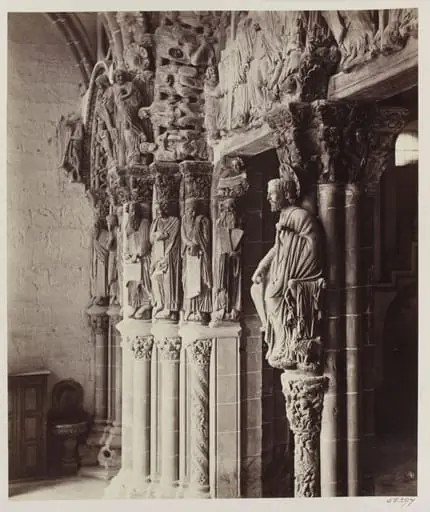 Cathedral, Santiago, Spain, Portico de la Gloria, details of Doorway (No.3)
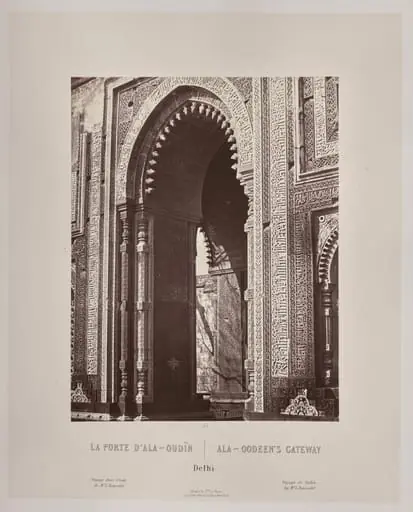 Ala-Oodeen's Gateway, Delhi
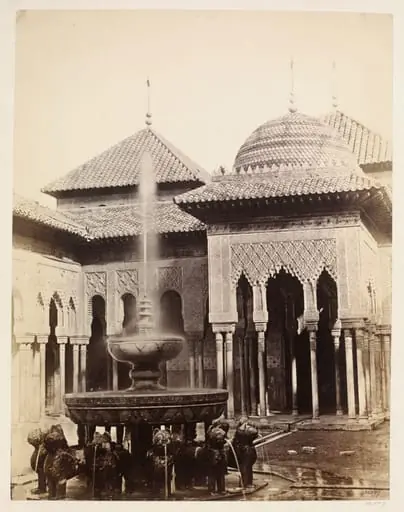
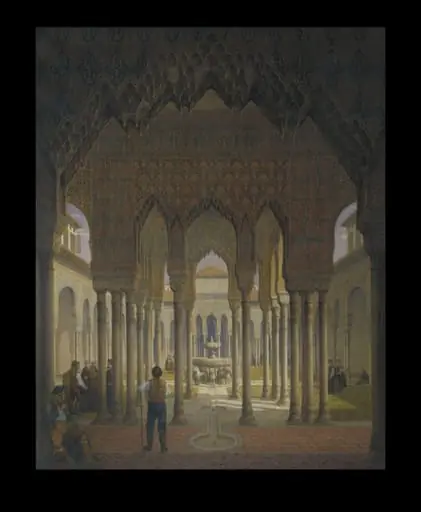 The Court of Lions in the Alhambra, Granada.