Artwork
The Alhambra. Fountain and the pavilion of the Court of the Lions
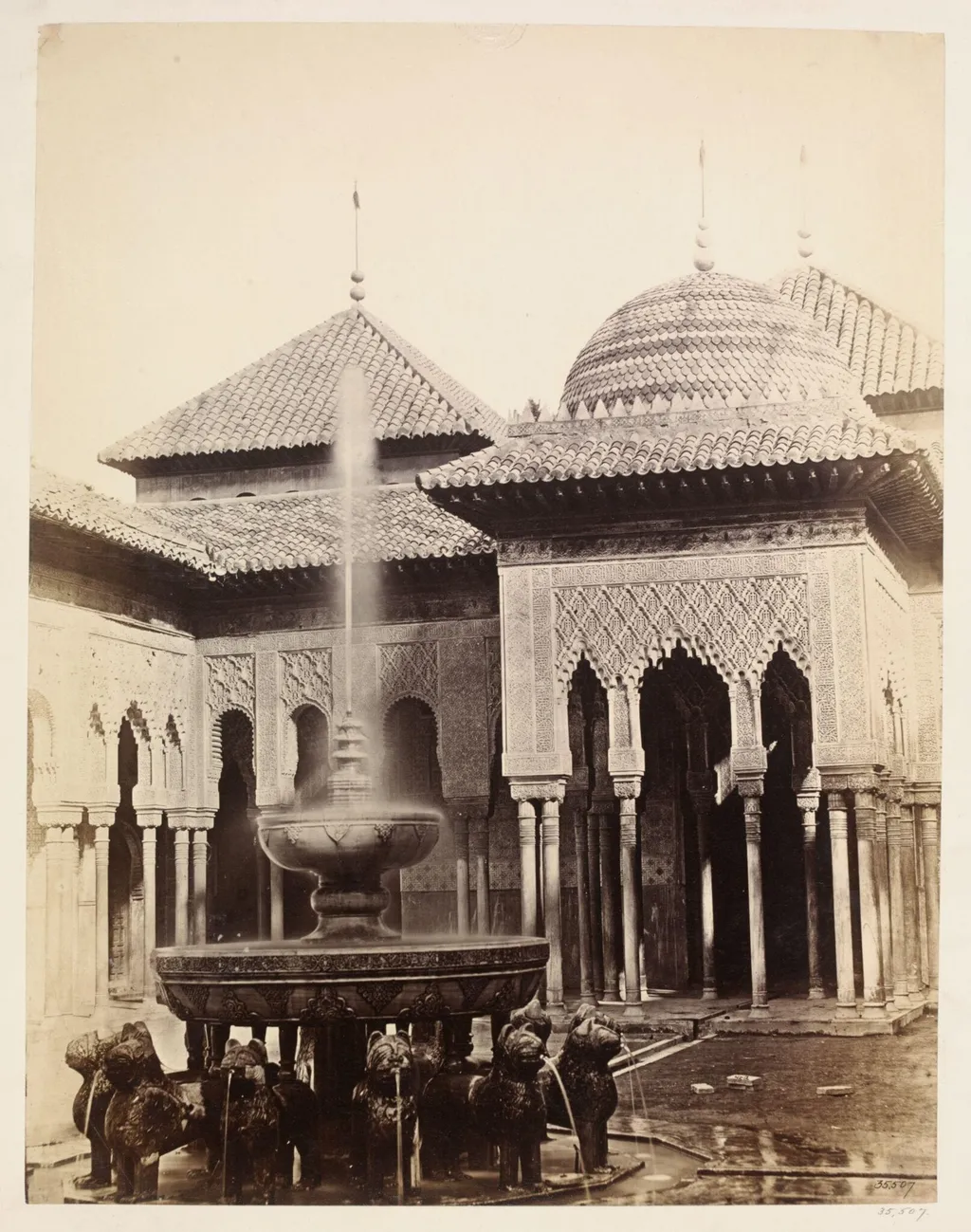
The Alhambra. Fountain and the pavilion of the Court of the Lions is a photographic photography by the Impressionist artist Charles Clifford. It dates from 1862 and is held in the collection of the Victoria and Albert Museum.
About this work
Overview
A sepia-toned photograph from 1862 captures the Court of the Lions within the Alhambra, focusing on its central fountain and surrounding architecture.
A sepia-toned photograph from 1862 captures the Court of the Lions within the Alhambra, focusing on its central fountain and surrounding architecture. The image, taken by Charles Clifford, presents the space in monochrome, highlighting texture and form over color. The composition centers on the fountain’s sculpted lions and the pavilion’s arched colonnade, framing the water feature as both structural and symbolic core of the courtyard.
Subject & Meaning
The fountain, supported by twelve sculpted lions, represents a traditional Islamic motif of power and divine order. Water, flowing through the lions’ mouths, symbolizes life and purity within the palace complex. The surrounding pavilion and arches suggest a space designed for contemplation and courtly gathering, where architecture and hydraulics converge to create a serene, ordered environment reflective of Nasrid ideals.
Technique & Style
Charles Clifford employed wet-plate collodion photography, a process demanding precision and portability in the field. The resulting image exhibits fine detail in the carved stucco, tilework, and stone columns, achieved through long exposure and careful lighting. The sepia tone enhances the depth of shadows and the relief of architectural elements, emphasizing craftsmanship over chromatic realism.
History & Provenance
Taken in 1862 during Clifford’s expedition to document Spanish monuments, the photograph was part of a broader effort to record heritage sites for European audiences. It likely served scholarly or diplomatic purposes, contributing to Western interest in Islamic architecture. The image remains among the earliest photographic records of the Alhambra’s interior, preserving details before later restorations.
Context
In the mid-19th century, European travelers and photographers increasingly visited the Alhambra, drawn by Romantic ideals of the exotic and the medieval. Clifford’s work aligned with this trend, offering a documentary approach distinct from earlier romanticized paintings. His images helped shift perception of Islamic art from ornamental curiosity to subject of architectural study.
Legacy
Clifford’s photograph endures as a key visual record of the Alhambra’s condition in the 1860s. It informed subsequent conservation efforts and scholarly publications, providing baseline documentation for architectural changes. The image continues to be referenced in studies of 19th-century photographic practice and the reception of Islamic heritage in Europe.
Artist & collection
Artist
Charles Clifford’s photographs freeze the details of Spanish architecture in the 1850s and 60s.

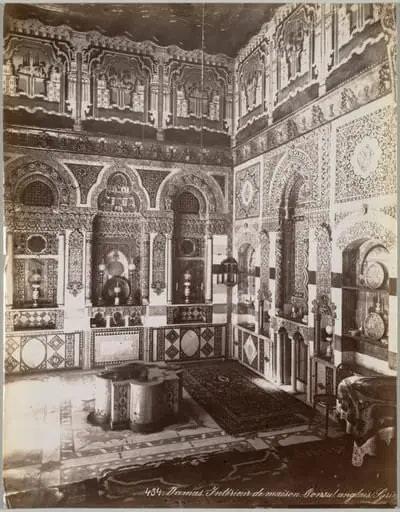 Damas. Intérieur de Maison. Consul Anglais (Syrie)
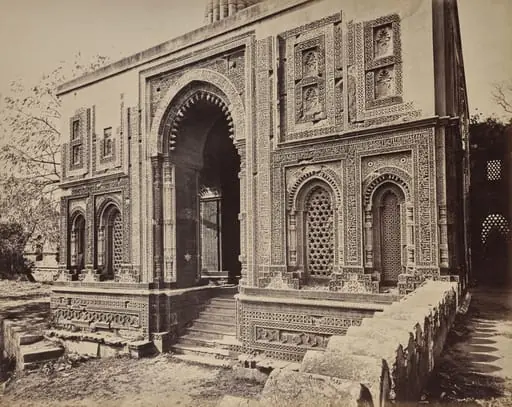 Delhi. Gateway of Allahood Deen's Palace, Old Delhi
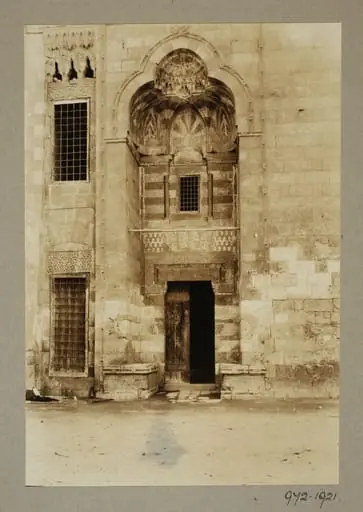 Entrance portal of the mosque of Qadi Yahya Zayn al-Din (Habbaniyya), Cairo
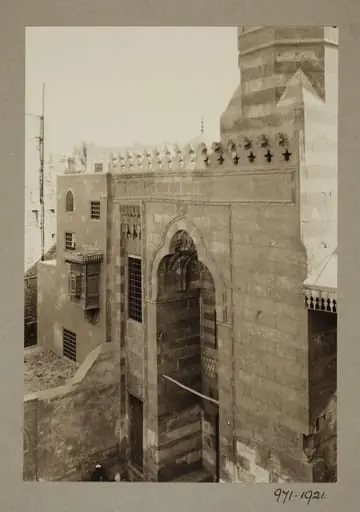 The entrance façade of the mosque of Qadi Yahya Zayn al-Din, Cairo
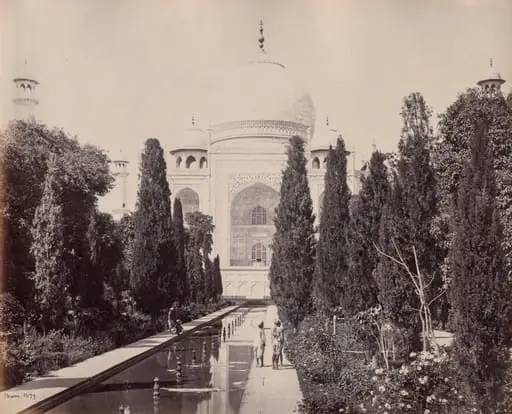 The Taj
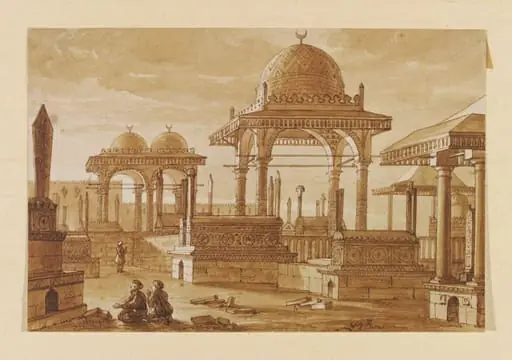 Part of the City of Tombs at Cairo
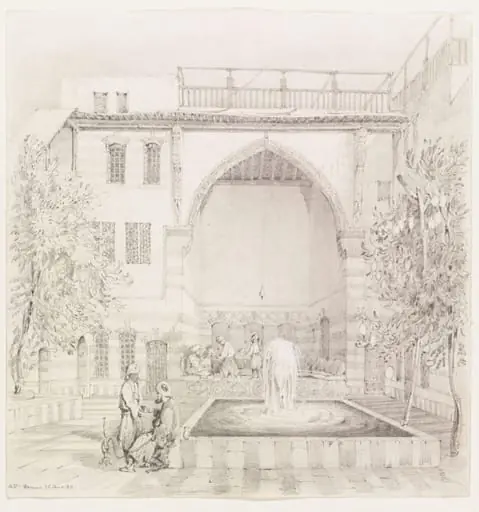 Damas
Damas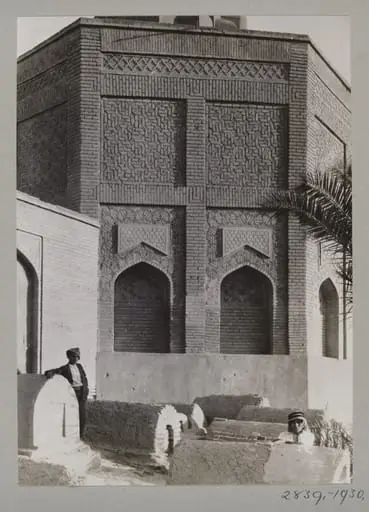 Mausoleum of Sitt Zubayda, Baghdad