Artwork
The Taj
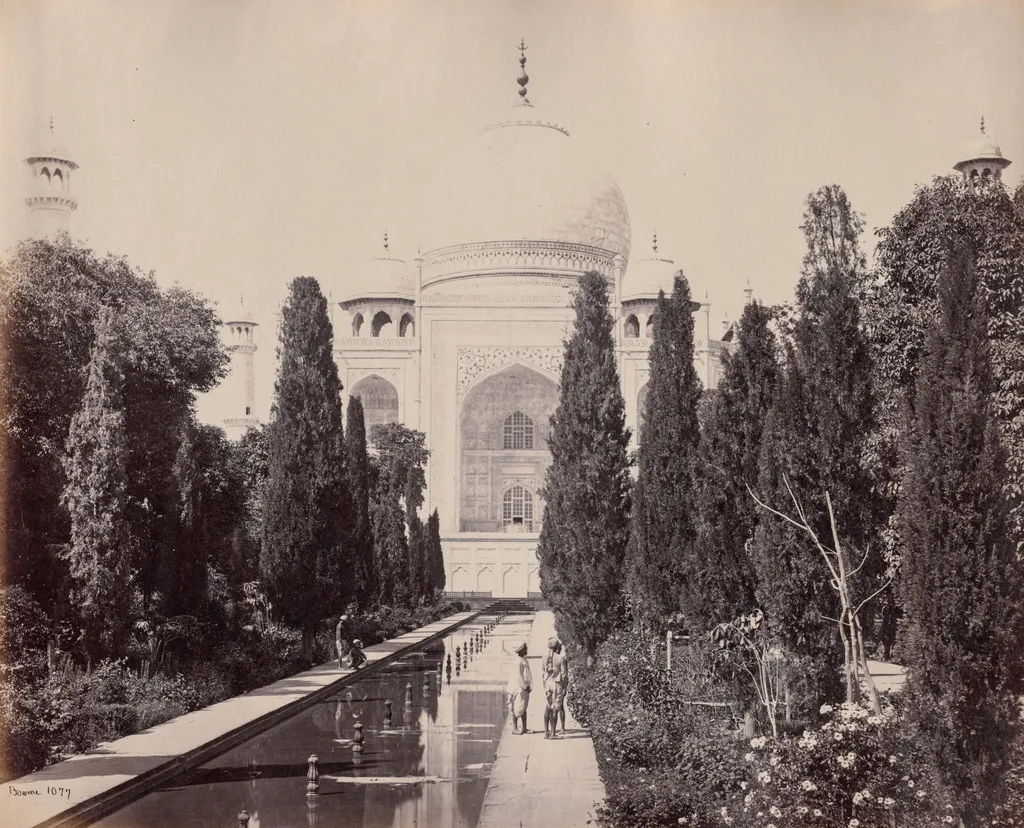
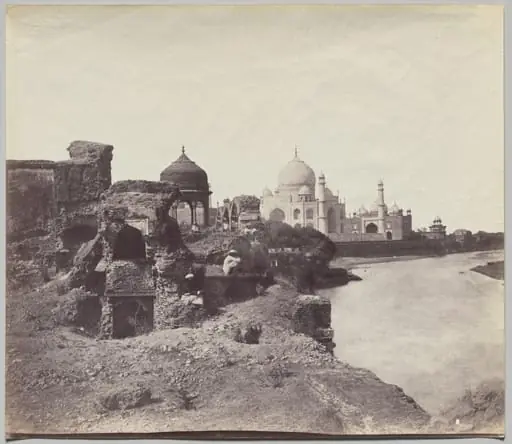
The Taj is a photography by the Impressionist artist Samuel Bourne. It dates from 1864 and is held in the collection of the Cleveland Museum of Art.
About this work
Overview
Taken around 1864, this photograph captures the Taj Mahal during the early period of photographic documentation in India. The image was made by Samuel Bourne, a British photographer known for his detailed architectural studies. It is now part of the collection at The Cleveland Museum of Art, where it serves as a historical record of the monument’s appearance in the mid-nineteenth century.
Subject & Meaning
The photograph presents the Taj Mahal in a composed, frontal view, emphasizing its symmetry and monumental scale. Rather than dramatizing the structure, Bourne’s approach conveys quiet observation, reflecting the colonial era’s interest in cataloging architectural heritage. The image functions as both a visual archive and a testament to the monument’s enduring presence.
Technique & Style
Bourne used the wet-plate collodion process, requiring careful preparation and immediate exposure. The resulting image displays fine tonal gradations and sharp detail, characteristic of his technical precision. The composition is restrained, with minimal human presence, allowing the architecture to dominate the frame and convey a sense of stillness.
History & Provenance
Created during Bourne’s extensive travels across India, the photograph was likely made as part of a larger project to document the subcontinent’s landmarks. It entered the Cleveland Museum of Art’s collection through later acquisitions, becoming part of a growing archive of 19th-century South Asian photography preserved for scholarly and cultural study.
Context
In the 1860s, photography in India was still emerging as a tool for both scientific inquiry and imperial documentation. Bourne’s work aligned with broader efforts by British photographers to record India’s monuments, often for audiences in Europe. His images contributed to shaping Western perceptions of Indian architecture during the colonial period.
Legacy
Bourne’s photograph of the Taj Mahal remains a key example of early Indian landscape photography. Its clarity and formal discipline influenced later documentary practices and continue to inform how the monument is visually understood. The image endures not as an artistic statement, but as a precise record of a historical moment.
Artist & collection

Artist
Samuel Bourne was a British photographer known for his prolific seven years' work in India, from 1863 to 1870.

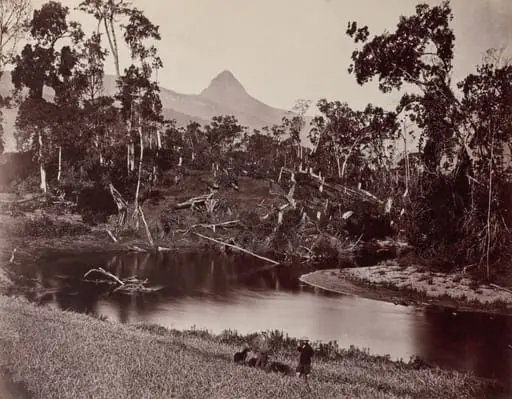 Ceylon Views to Adam's Tooth
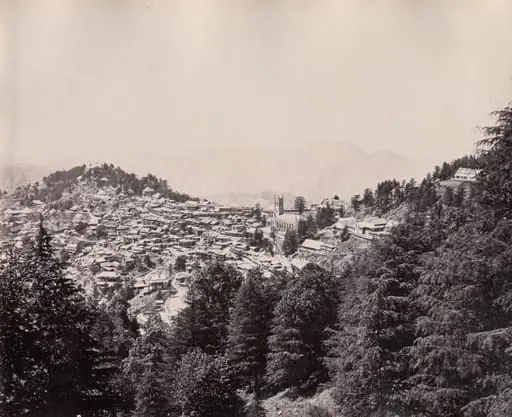 Shimla
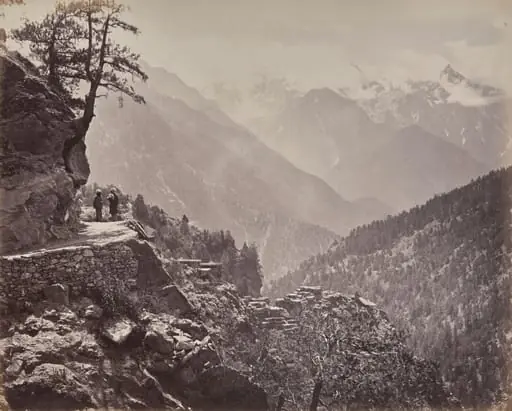 The Upper Himmalayahs. View on the New Road between India and China. Mt. Pangi with the Snowy Peaks of China in the Distance
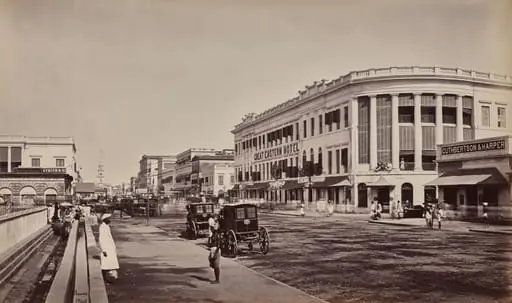 Calcutta. Old Court House Street
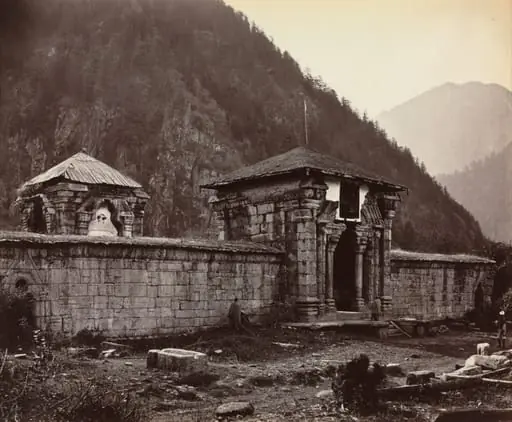 Temple at Naveshera, Kashmir, India
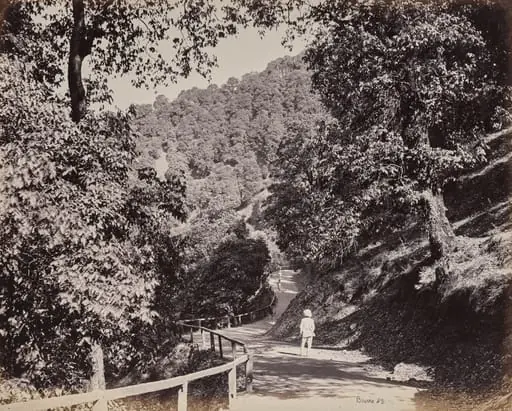 Shimla. The Mall near Rabq Lodge
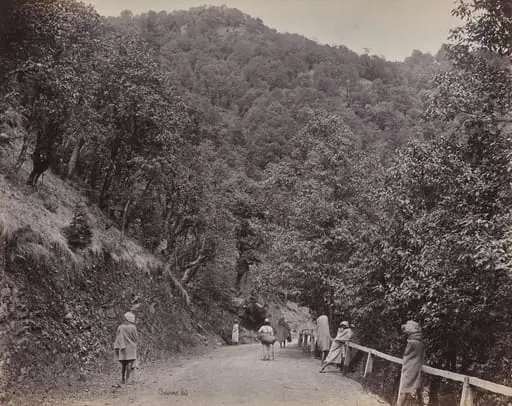 Shimla. The Mall or Principal
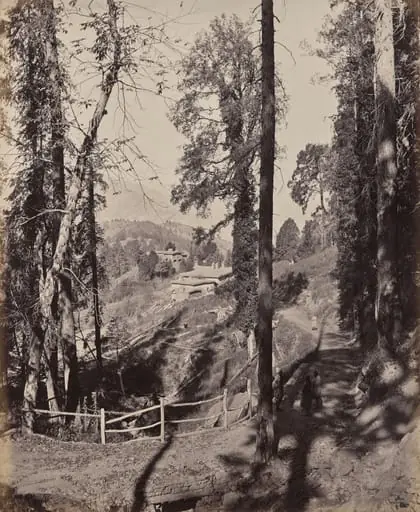 Murree. A Hill Station in the Himmalayahs, View Through the Forest