Artwork
H Beard Print Collection
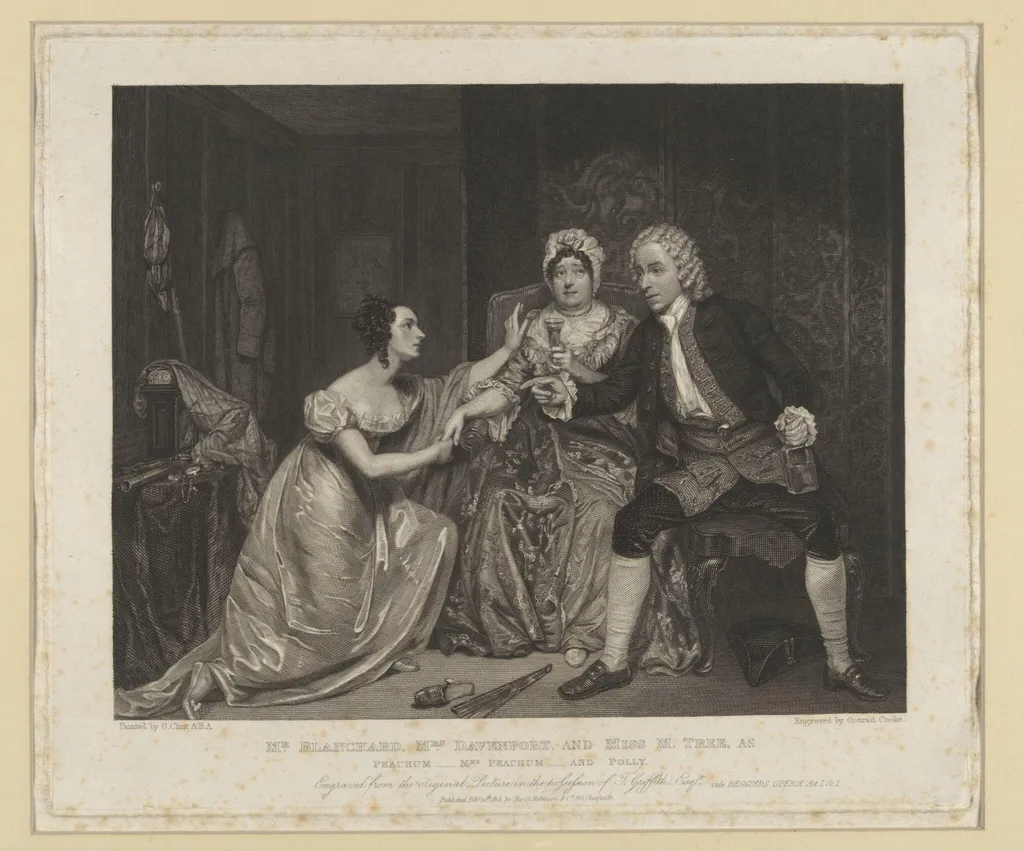
H Beard Print Collection is a print by the Romanticist artist George Clint. It dates from 20 and is held in the collection of the Victoria and Albert Museum.
About this work
Overview
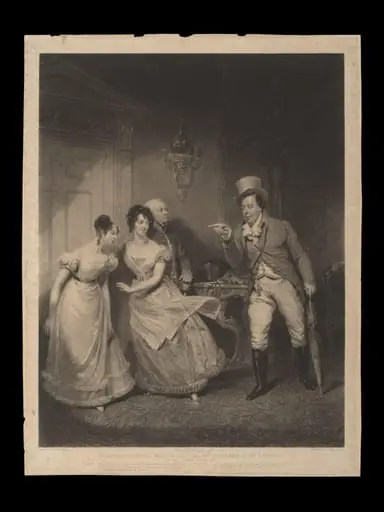
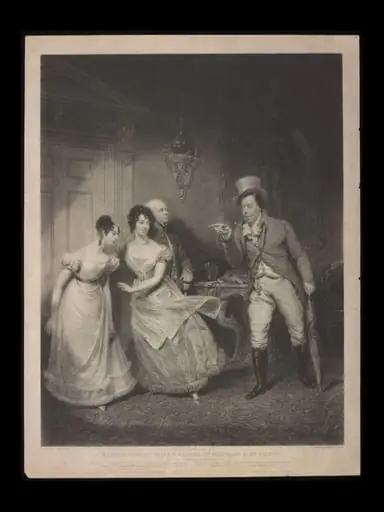
This print captures a moment from Act I, Scene 1 of The Beggar's Opera, featuring three performers in period costume as the characters Peachum, Mrs.
This print captures a moment from Act I, Scene 1 of The Beggar's Opera, featuring three performers in period costume as the characters Peachum, Mrs. Peachum, and Polly. Published by Hurst Robinson, it belongs to the H. Beard Print Collection, a compilation of theatrical imagery from the early 19th century. The scene reflects the popularity of ballad opera on the London stage and the demand for visual records of its performances.
Subject & Meaning
The figures portray key characters from John Gay’s satirical ballad opera: Peachum, a criminal fence; his wife, Mrs. Peachum; and their daughter Polly, who has secretly married a highwayman. The print freezes their interaction at the play’s opening, emphasizing themes of moral ambiguity and social hypocrisy. By depicting actors in character, the image bridges theatrical performance and public fascination with the underworld portrayed on stage.
Technique & Style
Executed as a hand-colored print, the image uses fine line work and subtle tonal shading to define costumes and facial expressions. The composition is staged like a theatrical tableau, with figures arranged for clear narrative legibility. Though not signed by the artist, stylistic elements align with the work of George Clint, a known engraver of theatrical subjects, whose precision in capturing costume and gesture was widely recognized.
History & Provenance
The print was issued by Hurst Robinson, a publisher active in London during the 1820s and 1830s, specializing in theatrical prints. It entered the H. Beard Collection, assembled by the 19th-century theater historian Henry Beard, who systematically documented stage performances through prints and playbills. The collection later became part of the Victoria and Albert Museum’s holdings, preserving a record of popular theatrical culture.
Context
The Beggar’s Opera premiered in 1728 and remained a staple of British theater for decades, admired for its satire of politics and class. By the 1820s, revivals drew large audiences, and prints like this one catered to public interest in specific performances. Such images served both as souvenirs and as references for those who had not seen the play, reinforcing the cultural reach of the theater beyond the stage.
Legacy
This print contributes to a broader archive of theatrical documentation that helped shape public memory of 18th- and 19th-century performance. As part of the Beard Collection, it remains a primary source for scholars studying the visual culture of British theater. Its survival underscores the role of print media in preserving ephemeral stage art for future generations.
Artist & collection
Artist
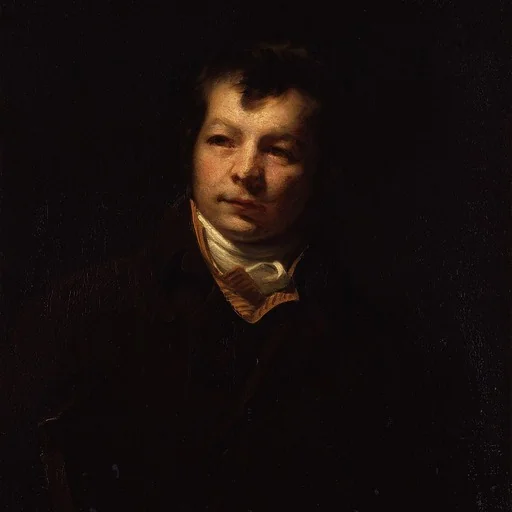
George Clint (12 April 1770 – 10 May 1854) was an English portrait painter and engraver, especially notable for his many theatrical subjects.

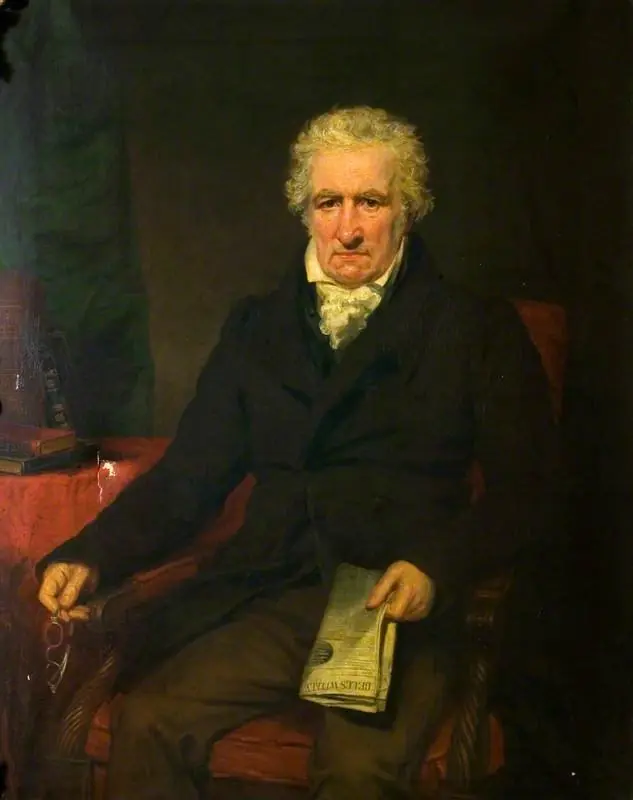 John Bell (1745–1831), Publisher
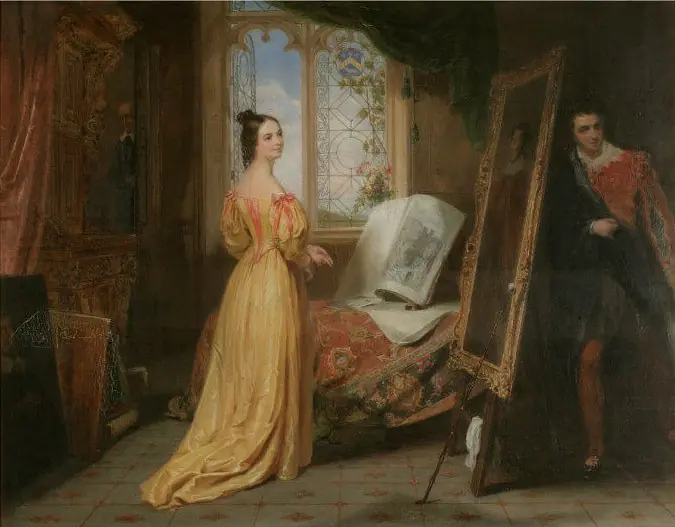 Scene from 'The Honeymoon'
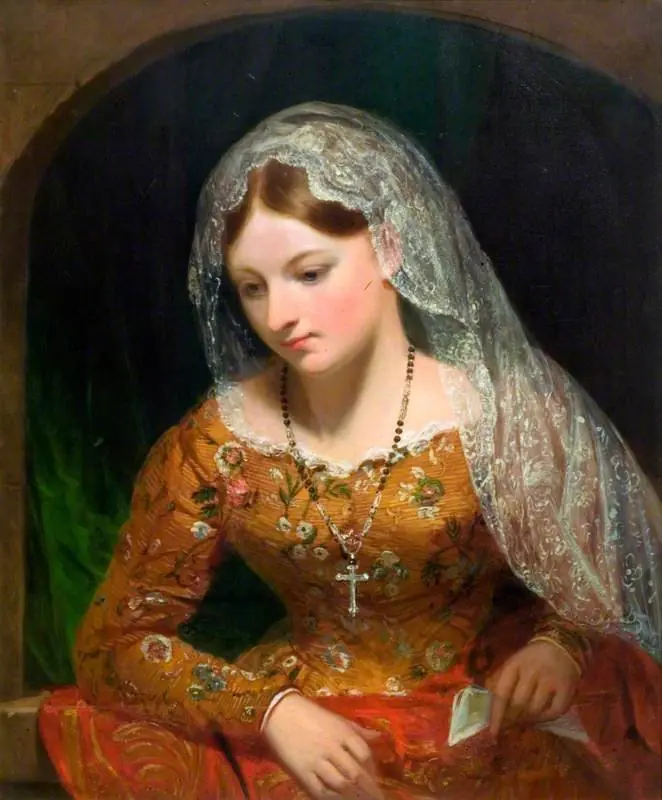 La Palermitana
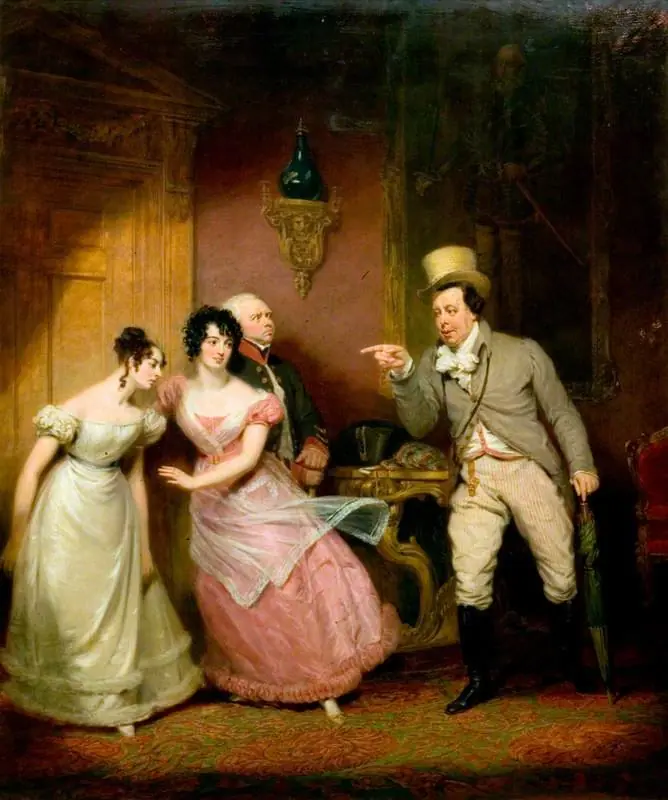 Scene from John Poole's Comedy 'Paul Pry', with Portraits of Madame Vestris, Miss P. Glover, Mr Williams, and Mr Liston
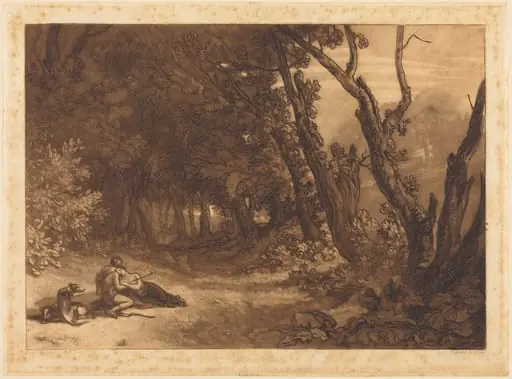 Procris and Cephalus
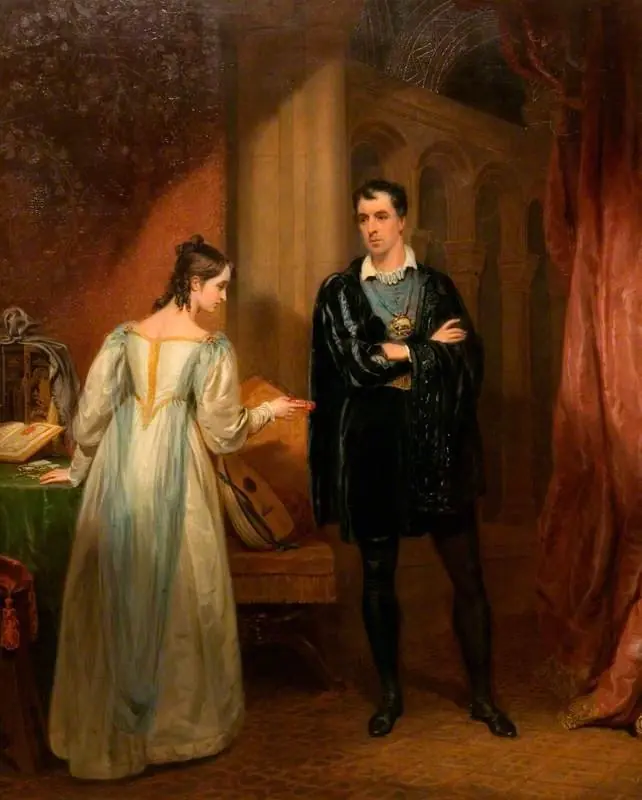 Charles Mayne Young (1777–1856), as Hamlet and Mary Glover as Ophelia in 'Hamlet' by William Shakespeare
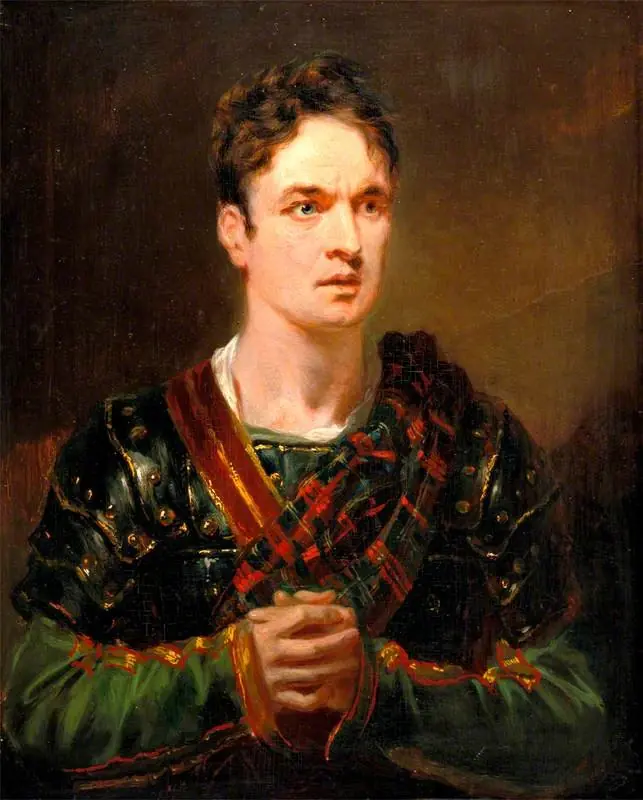 William Charles Macready (1793–1873), as Macbeth in 'Macbeth' by William Shakespeare
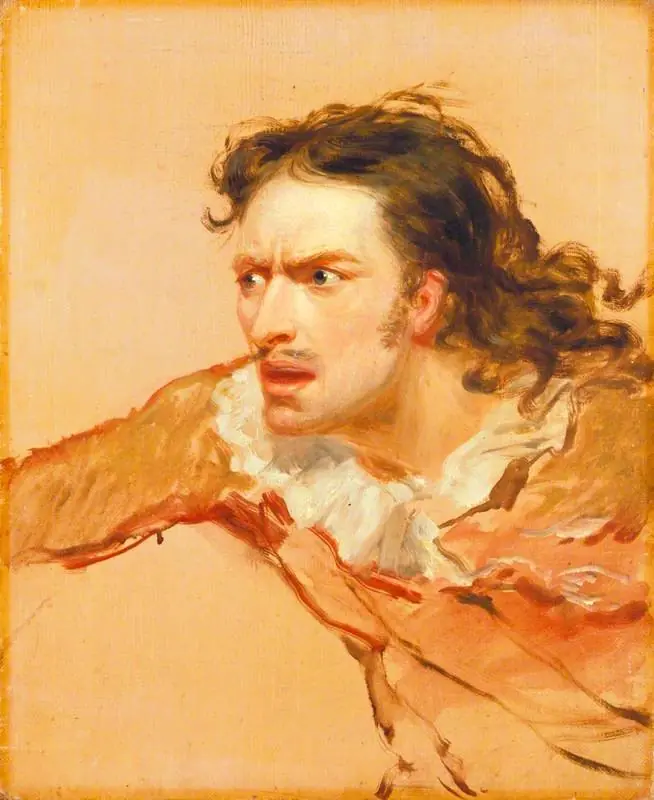 Edmund Kean (1787–1833), as Sir Giles Overreach in 'A New Way to Pay Old Debts' by Philip Massinger