Artwork
Stephen Dutilh
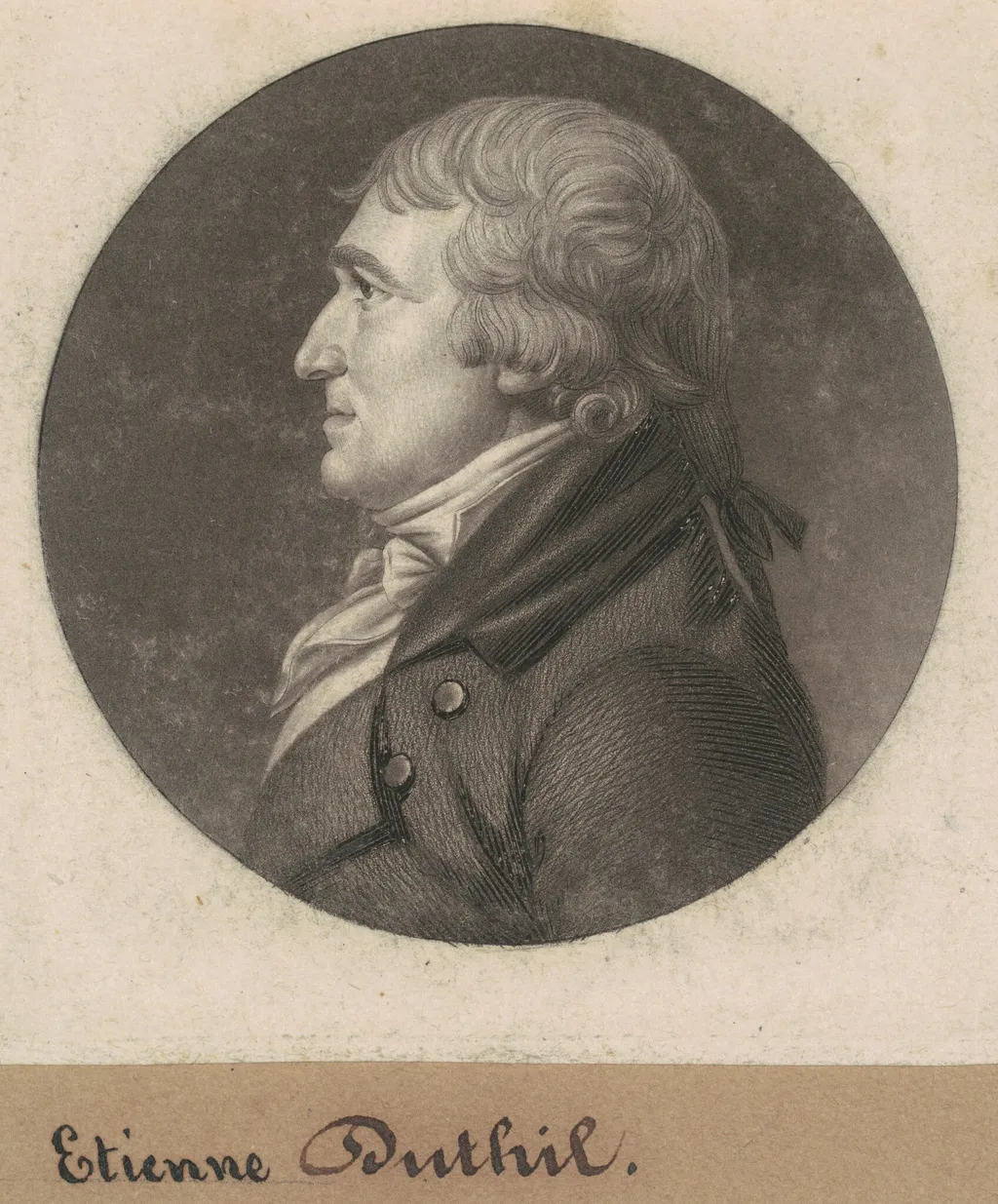
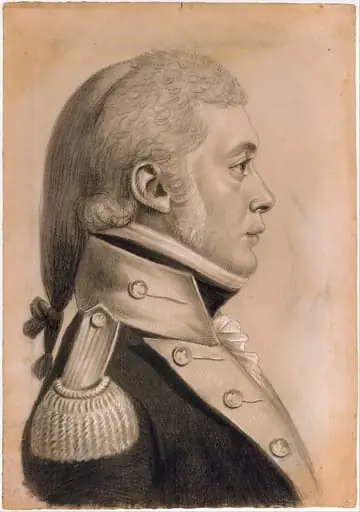
Stephen Dutilh is an ink print by the Romanticist artist Charles Balthazar Julien Févret de Saint-Mémin. It dates from 1801 and is held in the collection of the National Gallery of Art.
About this work
The portrait is special because it's an engraving, which means it was made by carving a design into a metal plate.
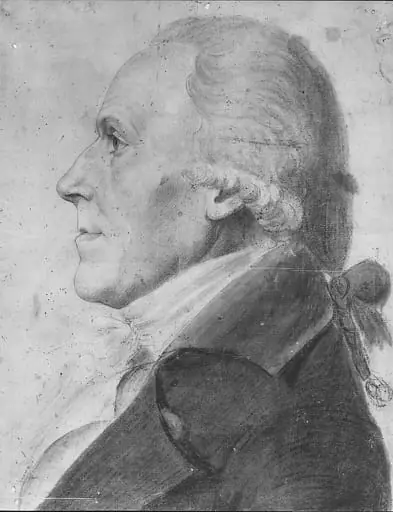
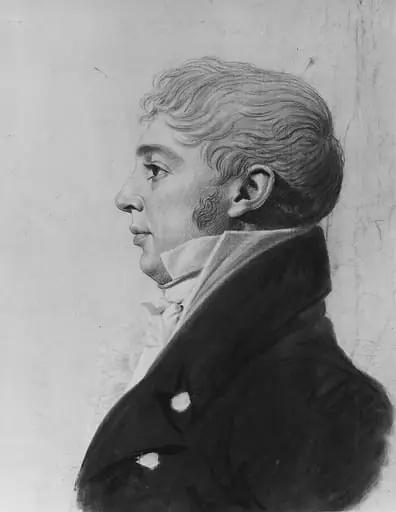
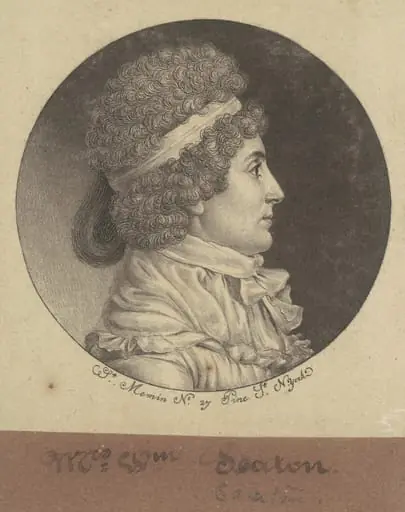
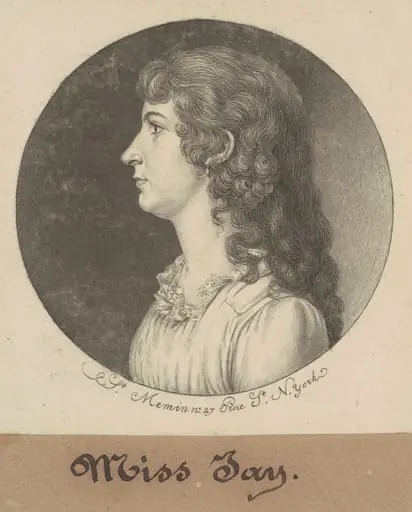
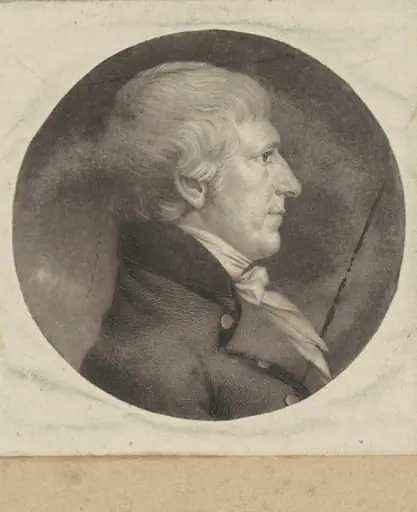
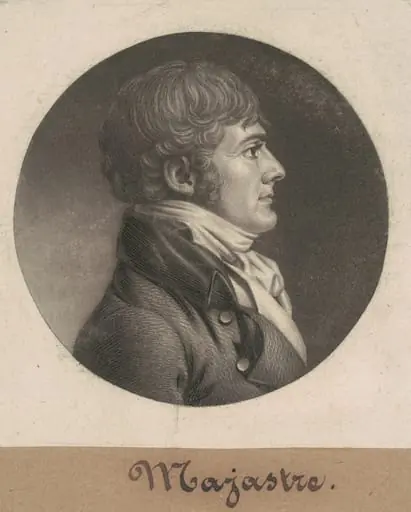
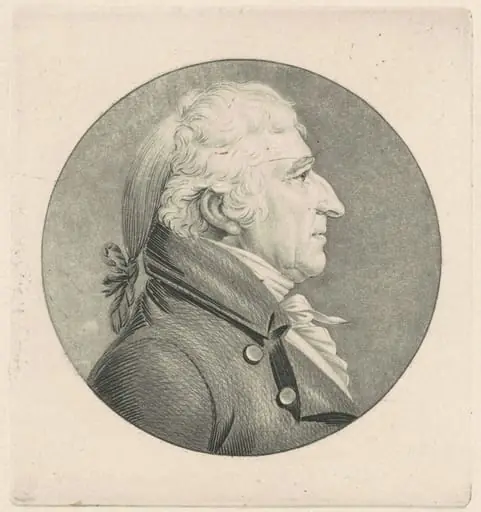
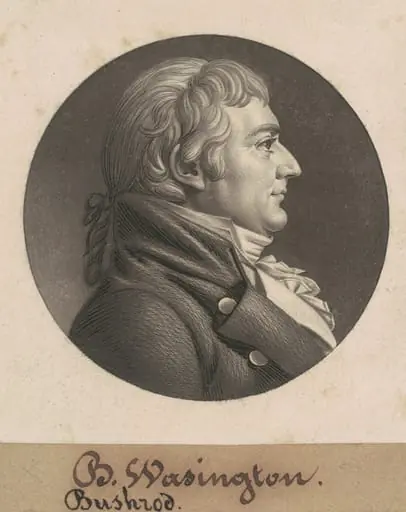
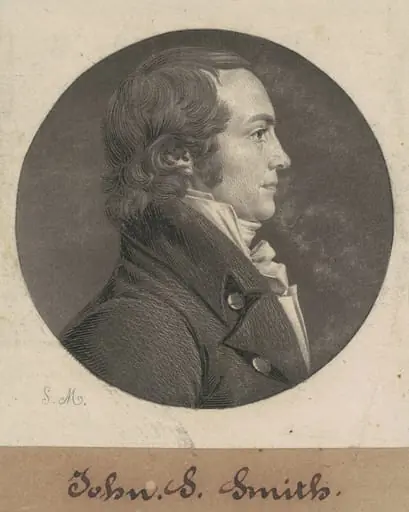
The painting shows a man's upper body in profile.
He's looking straight ahead, and you can see his nose and mouth clearly.
The artist used a lot of detail to make the man's face look realistic.
The man in the portrait is Stephen Dutilh, and the artist made the portrait in 1801.
The portrait is special because it's an engraving, which means it was made by carving a design into a metal plate.
You can learn more about this kind of art by looking into the technique of engraving.
Overview
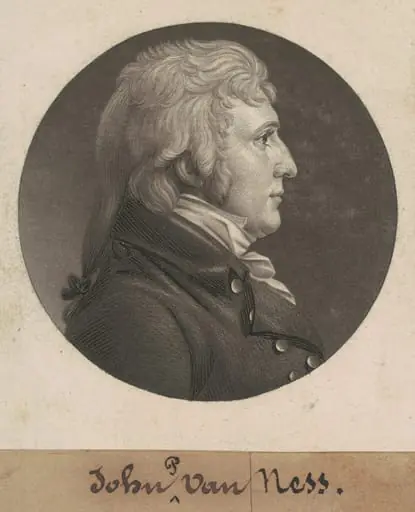
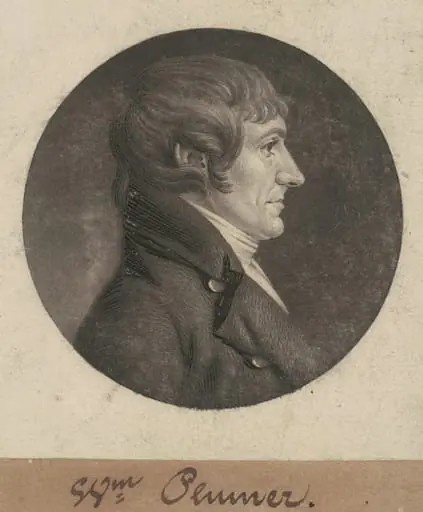
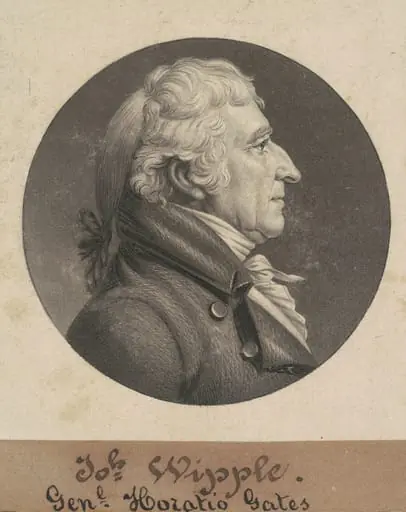
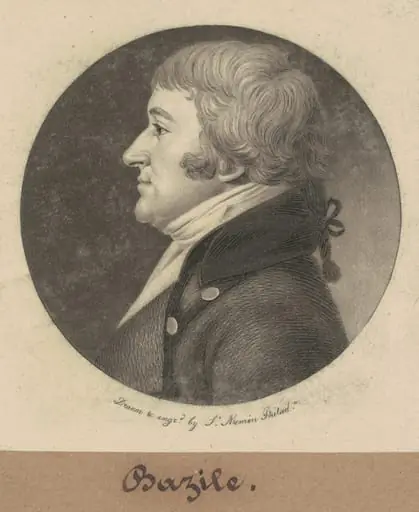
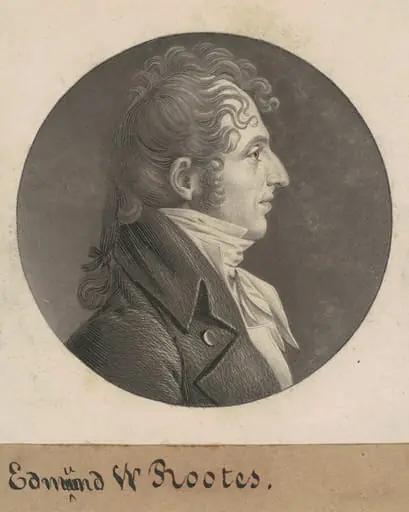
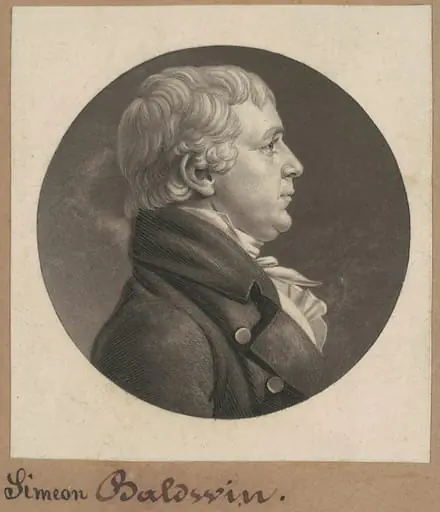
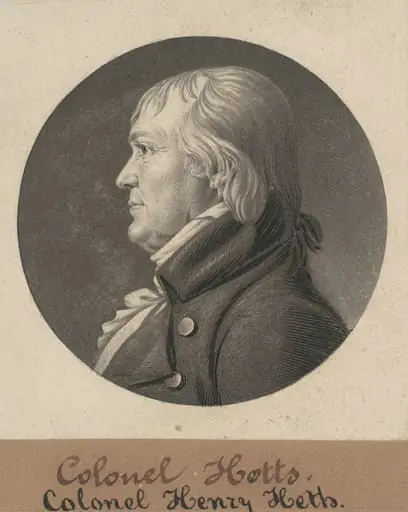
Created in 1801, this print is a portrait of Stephen Dutilh, executed in mezzotint and engraving on wove paper. The image is mounted on a brown wove support, a common practice for preserving delicate prints. The work belongs to a series of profile portraits produced by Charles B. J. Févret de Saint-Mémin during his time in the United States, reflecting a broader interest in documenting prominent individuals through precise graphic techniques.
Subject & Meaning
The portrait captures Stephen Dutilh in strict profile, facing left with his gaze directed straight ahead. His facial features—nose, mouth, and jawline—are rendered with clinical precision, emphasizing identity over expression. The absence of background or adornment focuses attention solely on the sitter’s likeness, aligning with the 19th-century convention of using portraiture as a record of personal and social presence rather than narrative.
Technique & Style
Févret de Saint-Mémin employed mezzotint to achieve subtle tonal gradations, complemented by fine engraving lines that define contours and texture. The technique allowed for rich blacks and delicate transitions in the skin and hair, lending a lifelike solidity to the face. The choice of wove paper, with its smooth, uniform surface, enhanced the clarity of the fine lines, reflecting the technical sophistication of early American printmaking.
History & Provenance
The portrait was made during Févret de Saint-Mémin’s residency in the United States, where he produced over 200 profile portraits between 1793 and 1815. Dutilh, a French émigré and civil servant, was among the many political and cultural figures documented in this project. The print’s survival in institutional collections suggests its early recognition as a representative example of the artist’s systematic approach to portraiture.
Context
In the early 1800s, profile portraits were widely used for identification and commemoration, especially before the普及 of photography. Févret de Saint-Mémin’s method—using a physiognotrace to trace silhouettes before engraving—combined mechanical aid with handcrafted detail. This hybrid approach reflected a transitional moment in visual culture, where scientific precision and artistic craft converged in the documentation of individual identity.
Legacy
Févret de Saint-Mémin’s series of engraved profiles remains a significant resource for studying early American social history. His technique influenced later printmakers and contributed to the standardization of portrait documentation. The Dutilh portrait, like others in the series, endures not as a work of flamboyant artistry but as a quiet, enduring record of a moment in time, valued for its fidelity and restraint.
Artist & collection

Artist
Charles Balthazar Julien Févret de Saint-Mémin
Charles Balthazar Julien Févret de Saint-Mémin (French pronunciation: ; 1770–1852) was a French portrait painter and museum director.