Artwork
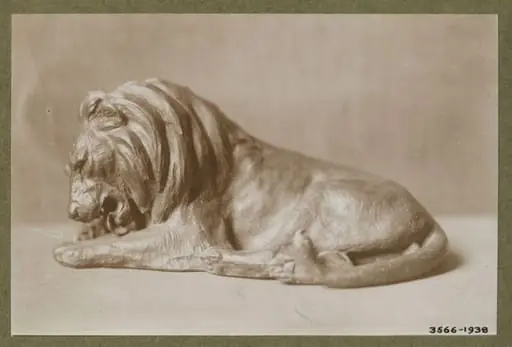
The British Lion
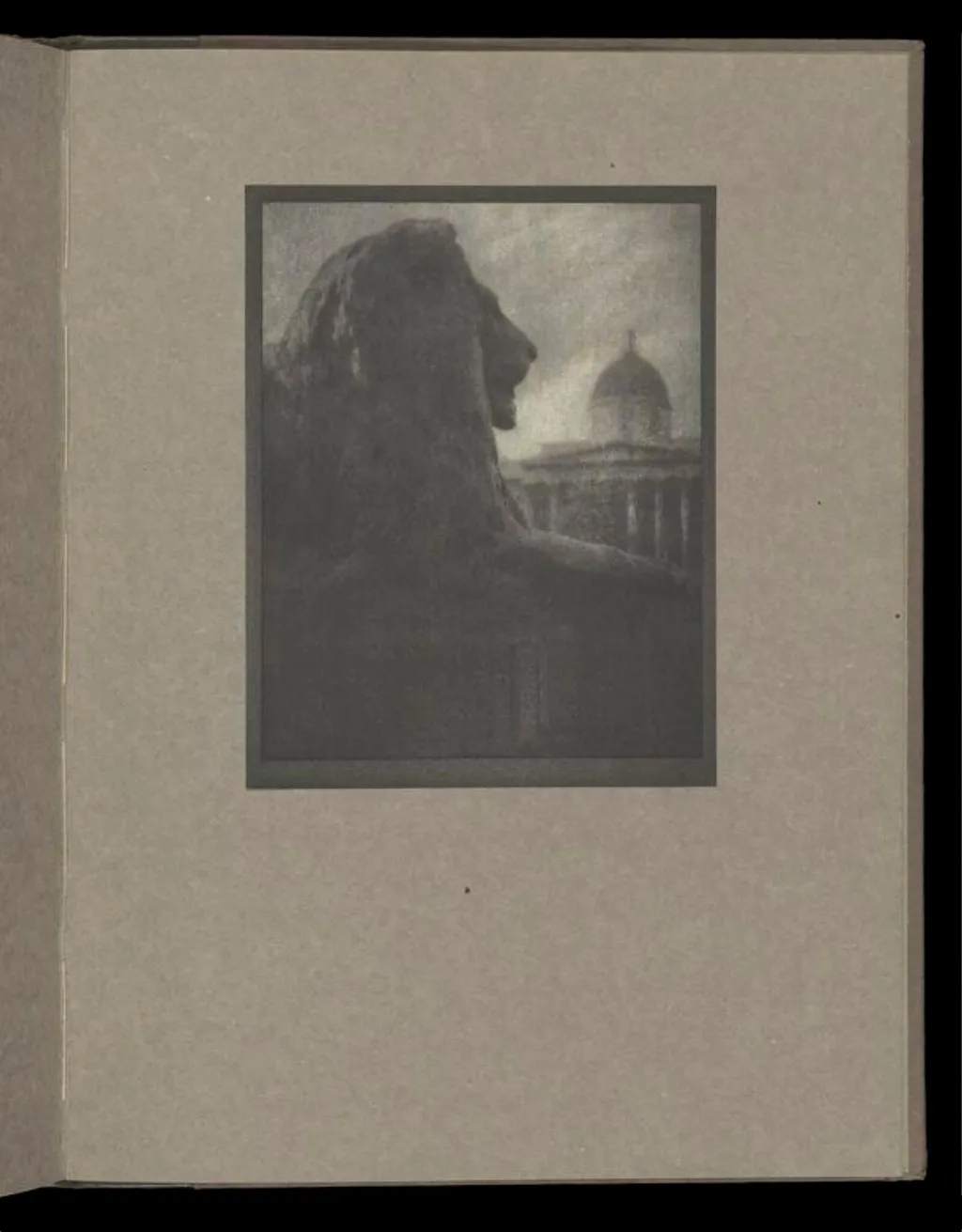
The British Lion is a photographic photography by Alvin Langdon Coburn. It dates from 1909 and is held in the collection of the Victoria and Albert Museum.
About this work
If you're interested in learning more about Coburn's work, you might want to explore the artist: Coburn, Alvin Langdon.
The image presents a photograph of a lion statue, positioned in front of a building. The lion is depicted in profile, facing left, with its head turned slightly towards the viewer. Its mane is visible, and it appears to be gazing at the building behind it.
The building in the background features a dome, which is partially obscured by the lion's head. The overall atmosphere of the image is somber, with muted tones that evoke a sense of solemnity.
This photograph, titled "The British Lion," was taken by Alvin Langdon Coburn in 1909. It is currently held at the Victoria and Albert Museum. If you're interested in learning more about Coburn's work, you might want to explore the artist: Coburn, Alvin Langdon.
Overview
This 1909 photogravure by Alvin Langdon Coburn captures a sculpted lion in profile, positioned before a domed architectural structure. The image is a tipped-in print mounted on a grey-green page within a bound album of nineteen such works. Rendered in sepia tones, the photograph emphasizes texture and shadow, avoiding dramatic contrast. Its quiet composition invites contemplation rather than spectacle, aligning with Coburn’s interest in subtle visual poetry.
Subject & Meaning
The lion, a traditional emblem of British imperial power, is depicted not in motion or triumph but in stillness, gazing toward a distant building. Its posture suggests vigilance rather than aggression. The building’s dome, partially veiled by the lion’s form, may reference institutions of governance or empire. The image avoids overt symbolism, instead conveying a mood of quiet endurance, reflecting the complex legacy of imperial iconography in early 20th-century Britain.
Technique & Style
Coburn employed the photogravure process, known for its rich tonal range and fine detail, to render the lion’s mane and the building’s surface with nuanced gradations. The sepia palette enhances the somber atmosphere, while the close framing isolates the subject from its surroundings. The print’s matte finish and precise registration reflect the high standards of early 20th-century fine-art photography, emphasizing craft over immediacy.
History & Provenance
The photograph was produced in 1909 and included in a limited album of Coburn’s work, likely intended for collectors or cultural institutions. It entered the Victoria and Albert Museum’s collection as part of a broader acquisition of photographic albums from the period. The album’s binding and letterpress text suggest it was curated as a cohesive artistic statement, not merely a collection of images.
Context
Created during the waning years of the British Empire, the image reflects a cultural moment where national symbols were being re-examined through artistic lenses. Coburn, an American expatriate based in London, brought a modernist sensibility to traditional subjects. His choice to photograph a static monument rather than a living animal or event signals a shift toward introspective, symbolic representation in photographic art.
Legacy
Coburn’s 'The British Lion' remains a quiet but significant example of early modernist photography engaging with national iconography. It influenced later photographers who sought to infuse symbolic subjects with psychological depth. The work’s inclusion in the V&A’s collection underscores its role in documenting how photography contributed to the evolving discourse on empire, identity, and visual culture in the early 1900s.
Artist & collection
Artist
Alvin Langdon Coburn kept a tiny camera in every coat pocket, snapping odd angles of London’s streets while pretending to window-shop.

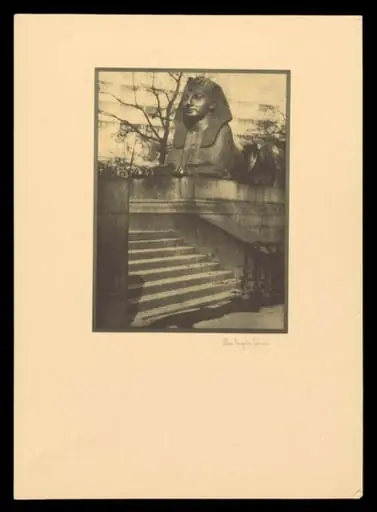 London: A Sphinx
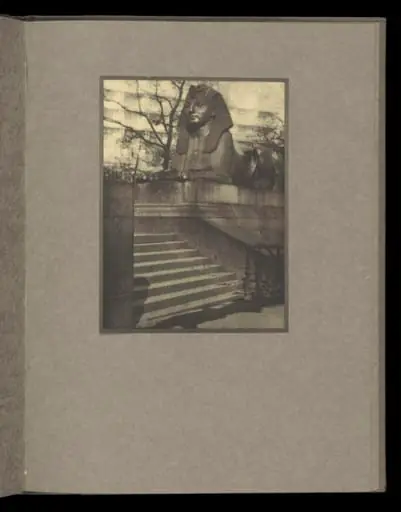 On the Embankment
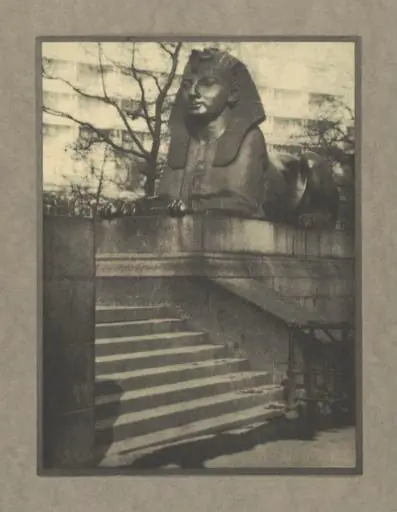 A Sphinx, The Embankment, London
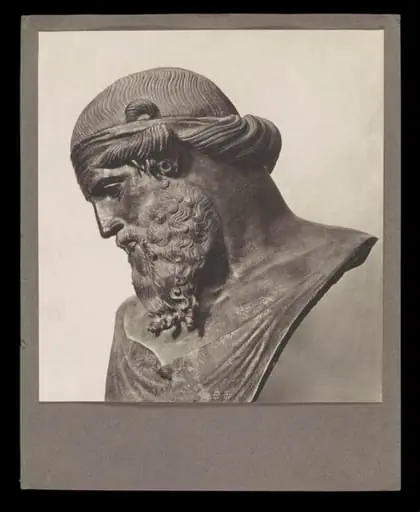 Bust of Dionysus, Platon
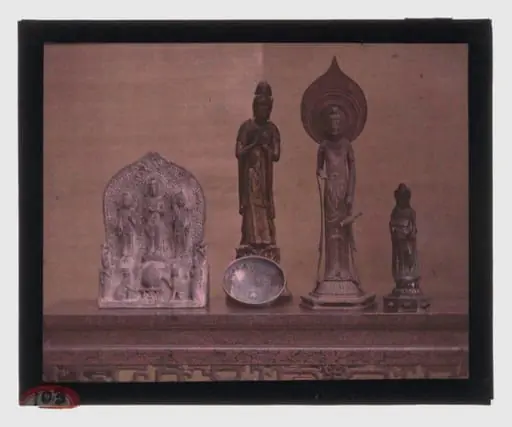 'Stele with Buddhist triad', China, 581-618 or later, 'Bodhisattva', Japan, 'Bowl', (origins unknown), 'Figure of Avalokiteshvara', Japanese, after statue in Horyuji Temple, early 20th century, 'Bodhisattva Avalokiteshvara (Kannon)', Japan, late 8th century, from the Charles Lang Freer Collection
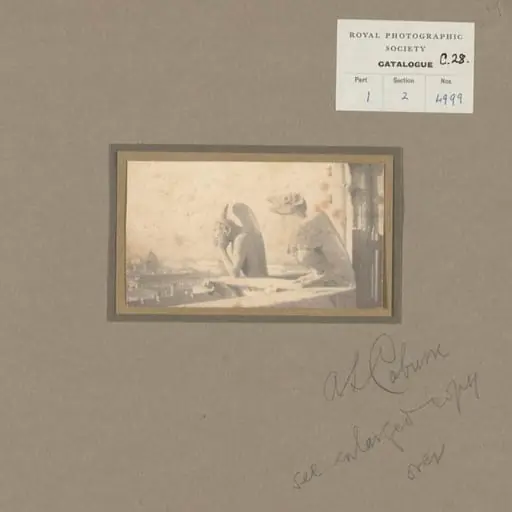 After Meryon - Le Stryge
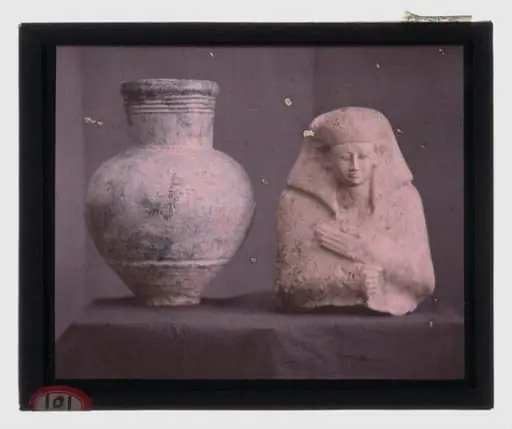 'Jar', Raqqa, Syria, 11th-12th century, 'Head and Bust (fragment) of a man', Egypt, ca. 1980-1630 BCE, face later recarved, from the Charles Lang Freer Collection
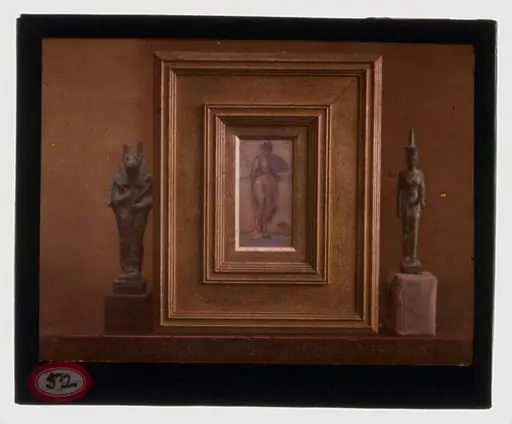 'Figure of Anubis', Egypt, 664-525 BCE, 'Resting', ca 1870-1873 by James McNeil Whistler and 'Figurine of the Goddess Neith', 664-525 BCE or later, from the Charles Lang Freer Collection
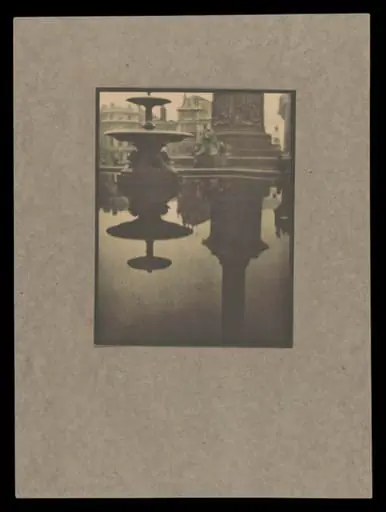 Trafalgar Square
 Untitled
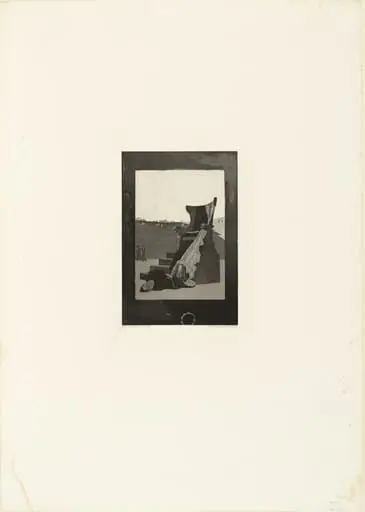 Untitled
 Drawing Book
 Ensemble Picador au n° 74
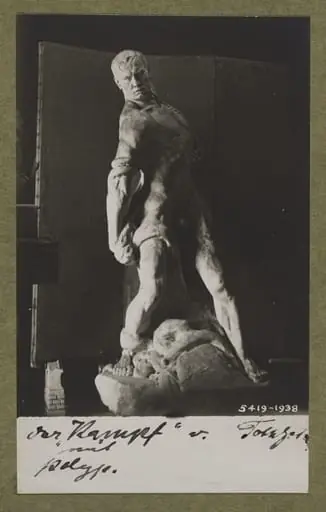 Untitled
 Untitled
 Imagine realizată prin tehnica desenului și a acuarelei, ce prezintă un bărbat în port orășenesc săsesc din Sibiu. Acesta ține în mână o blană. Acuarela este încadrată într-un chenar negru, realizat pe hârtie cu tuș. Sub imagine, însemnare manuscrisă în limba germană: „Ein sächsischer Burger in Hermannstadt
 Sans dessin