Artwork
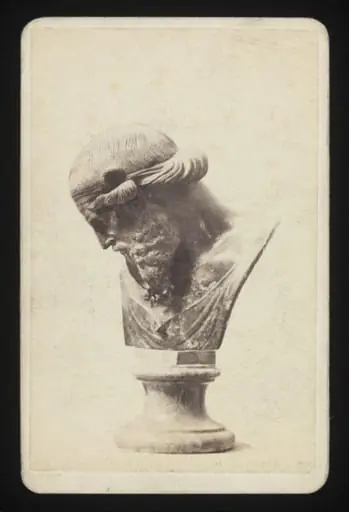
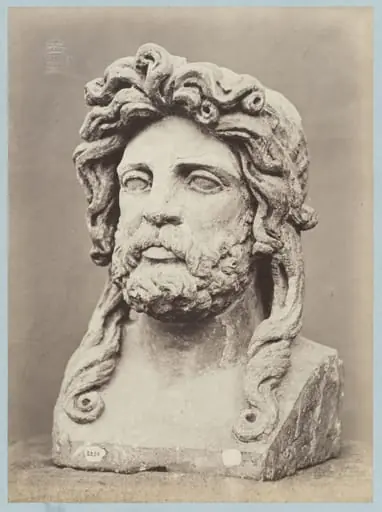
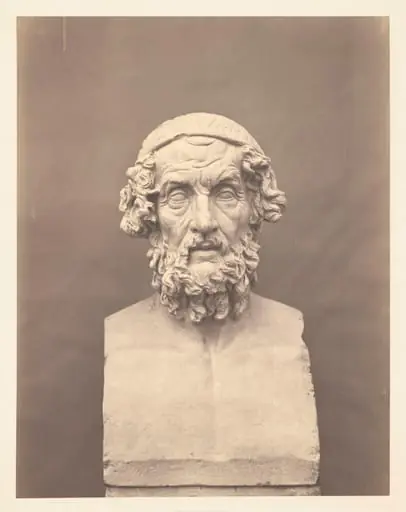
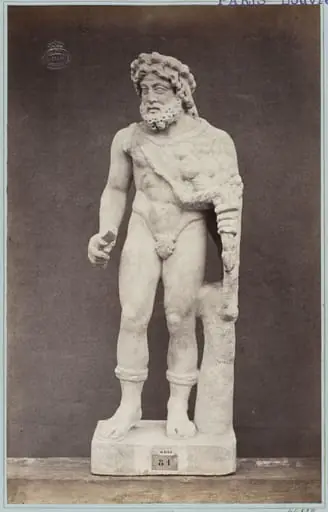
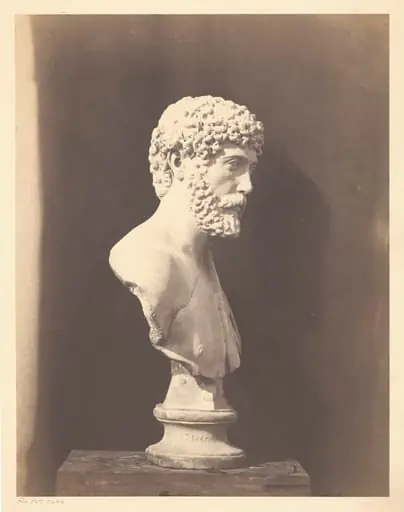
Bust of Dionysus, Platon
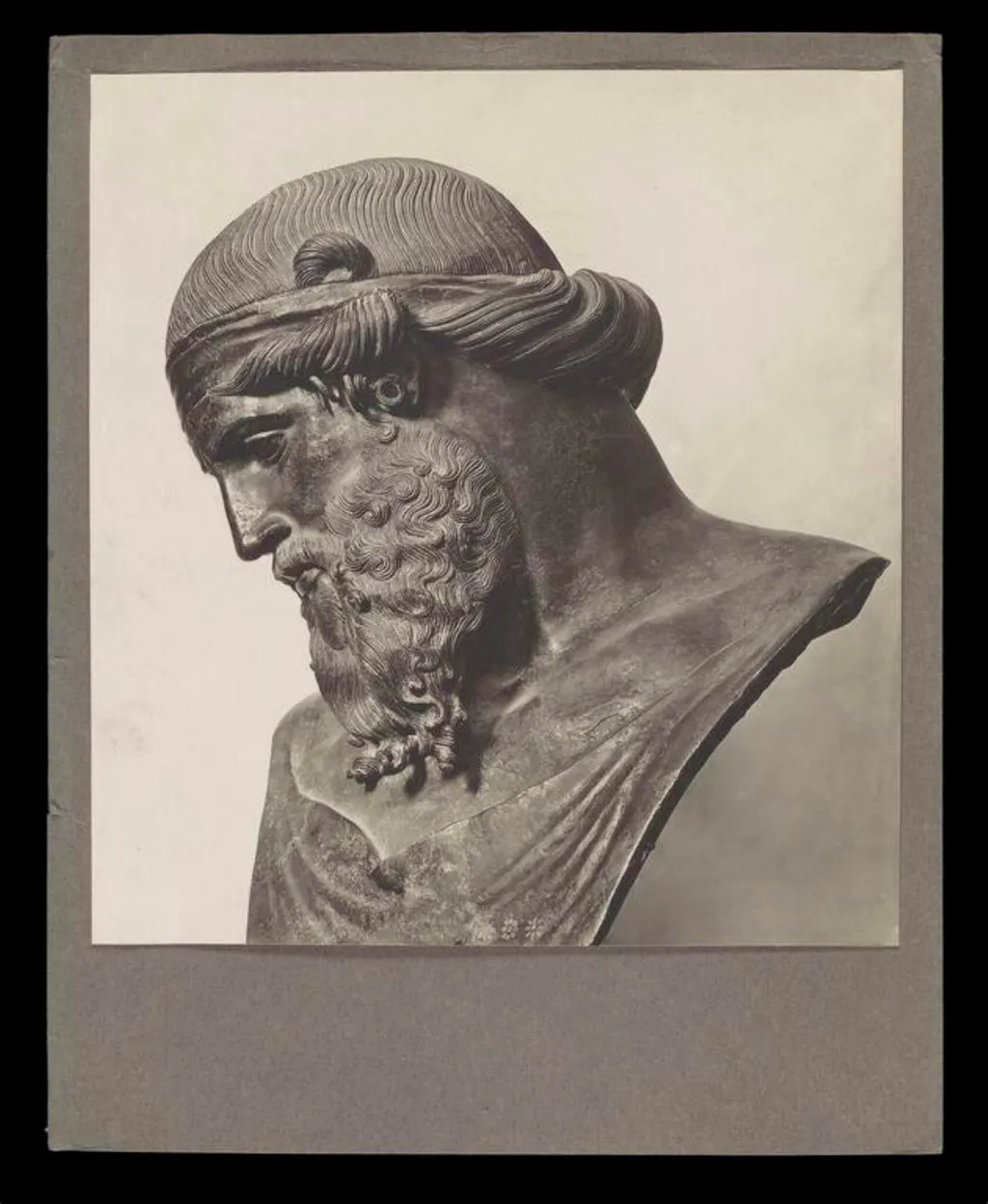
Bust of Dionysus, Platon is a photographic photography by Alvin Langdon Coburn. It dates from 1950 and is held in the collection of the Victoria and Albert Museum.
About this work
Overview
The image carries the quiet patina of early photographic practice, its tonal range muted by time.
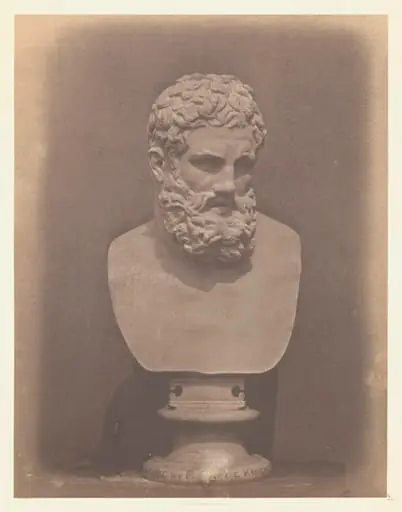
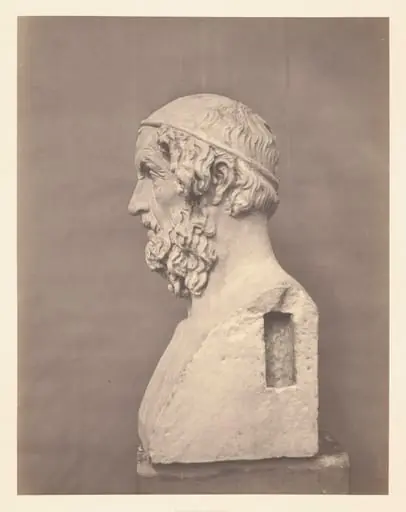
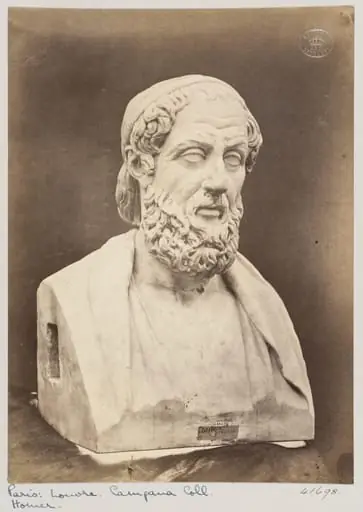
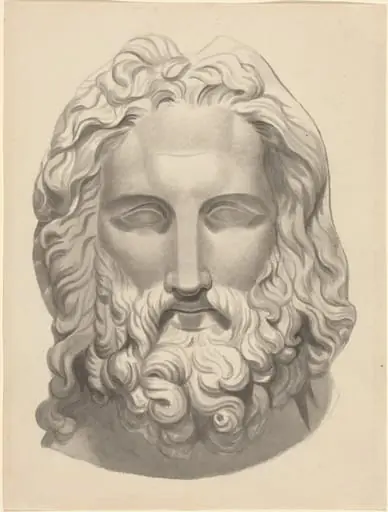
A sepia-toned photograph captures a classical stone bust of Dionysus, rendered in profile with soft, diffused lighting that gently merges the figure with its background. The image carries the quiet patina of early photographic practice, its tonal range muted by time. The composition focuses tightly on the head and upper shoulders, emphasizing texture and form over context, suggesting a study of ancient sculpture rather than a display setting.
Subject & Meaning
The bust represents Dionysus, the Greek god of wine, ritual, and transformation, identifiable through his full beard, curled hair bound at the nape, and serene expression. His calm demeanor reflects Hellenistic ideals of divine composure, contrasting with later, more theatrical depictions. The draped cloth over the shoulders alludes to his association with nature and fertility, while the restrained features align with scholarly interpretations of the deity as a figure of contemplative power rather than excess.
Technique & Style
The original sculpture is carved from stone, with deliberate texturing in the beard and hair to suggest volume and movement. The photograph reproduces these surface details with subtle contrast, preserving the tactile quality of the marble. Lighting is deliberately soft, minimizing harsh shadows and enhancing the sense of quiet monumentality. The photographic style reflects 19th-century archival practices, prioritizing clarity and documentation over artistic embellishment.
History & Provenance
The photograph likely originates from a 19th-century collection of classical antiquities, possibly made during a period of increased archaeological interest in Greek and Roman sculpture. Its sepia tone and mounting suggest it was produced for academic or institutional use, perhaps by a museum or private collector documenting their holdings. Though the exact origin is unrecorded, its aesthetic aligns with photographic surveys of antiquities from European collections of the era.
Context
In the 1800s, photographs of classical sculptures served as vital tools for scholars, educators, and collectors lacking access to original artifacts. This image would have been part of a broader effort to catalog and disseminate knowledge of ancient art across institutions. The focus on Dionysus reflects the period’s fascination with mythological figures as embodiments of cultural ideals, particularly in the study of Hellenistic aesthetics and Roman adaptations of Greek forms.
Legacy
This photograph preserves a moment in the history of classical reception, documenting how ancient sculpture was visually interpreted before widespread digital reproduction. It contributes to the archive of scholarly imagery that shaped modern understanding of Greco-Roman art. Though the original bust’s current location is unconfirmed, the photograph remains a testament to the enduring interest in Dionysian iconography and the role of photography in art historical preservation.
Artist & collection
Artist
Alvin Langdon Coburn kept a tiny camera in every coat pocket, snapping odd angles of London’s streets while pretending to window-shop.

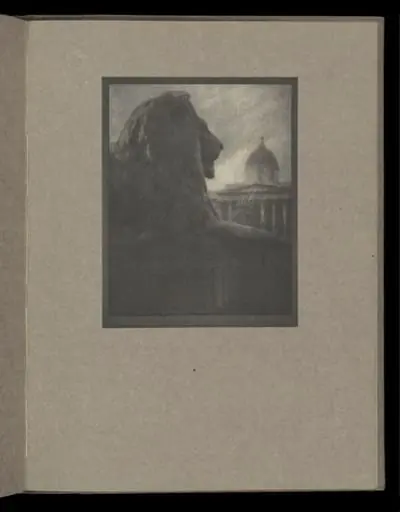 The British Lion
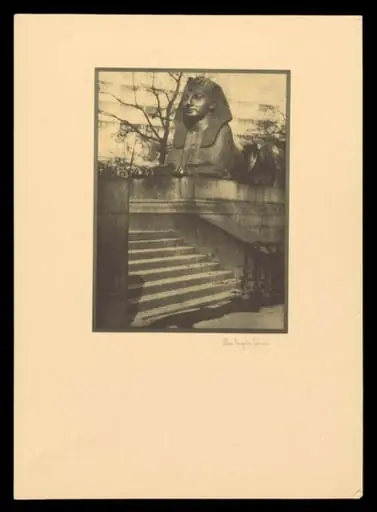 London: A Sphinx
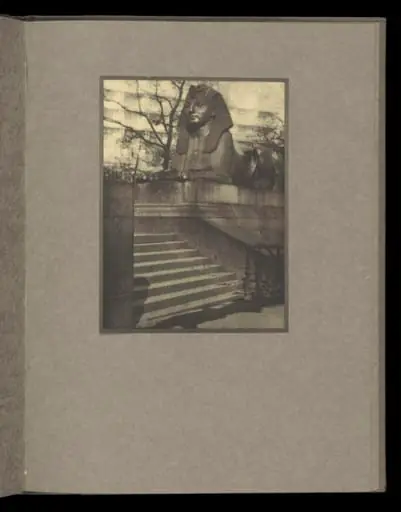 On the Embankment
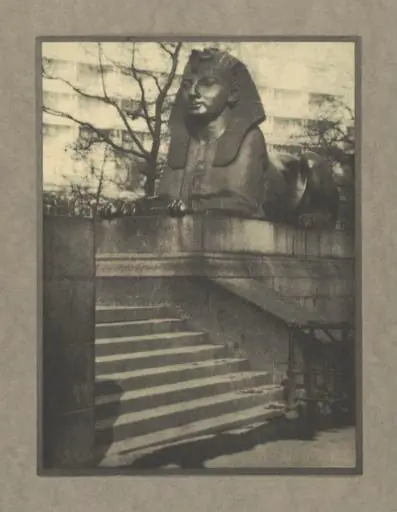 A Sphinx, The Embankment, London
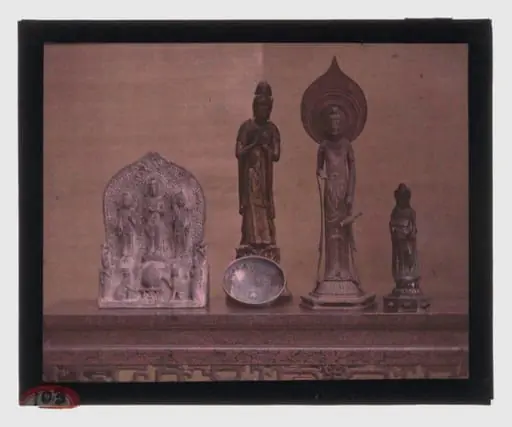 'Stele with Buddhist triad', China, 581-618 or later, 'Bodhisattva', Japan, 'Bowl', (origins unknown), 'Figure of Avalokiteshvara', Japanese, after statue in Horyuji Temple, early 20th century, 'Bodhisattva Avalokiteshvara (Kannon)', Japan, late 8th century, from the Charles Lang Freer Collection
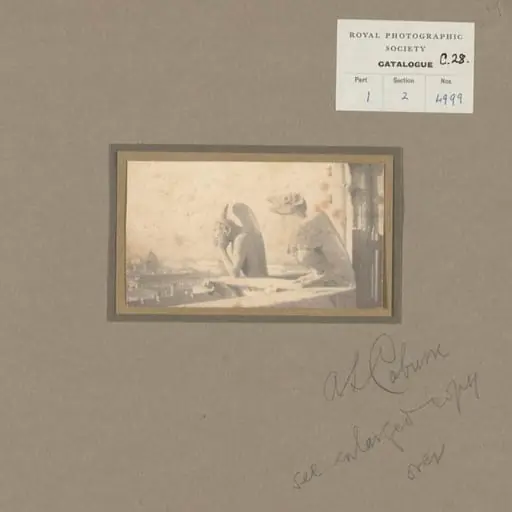 After Meryon - Le Stryge
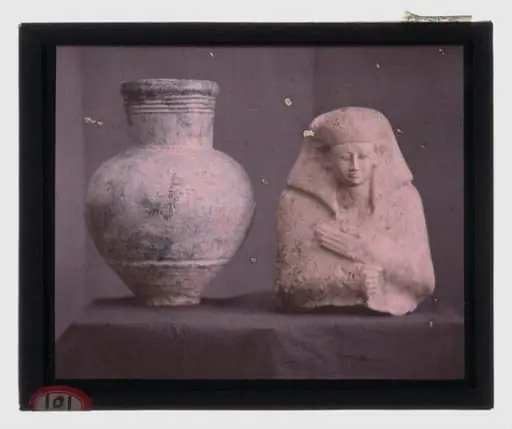 'Jar', Raqqa, Syria, 11th-12th century, 'Head and Bust (fragment) of a man', Egypt, ca. 1980-1630 BCE, face later recarved, from the Charles Lang Freer Collection
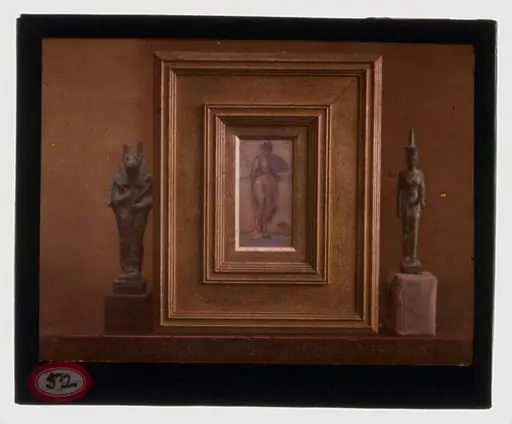 'Figure of Anubis', Egypt, 664-525 BCE, 'Resting', ca 1870-1873 by James McNeil Whistler and 'Figurine of the Goddess Neith', 664-525 BCE or later, from the Charles Lang Freer Collection