Artwork
The Three Ages of Man
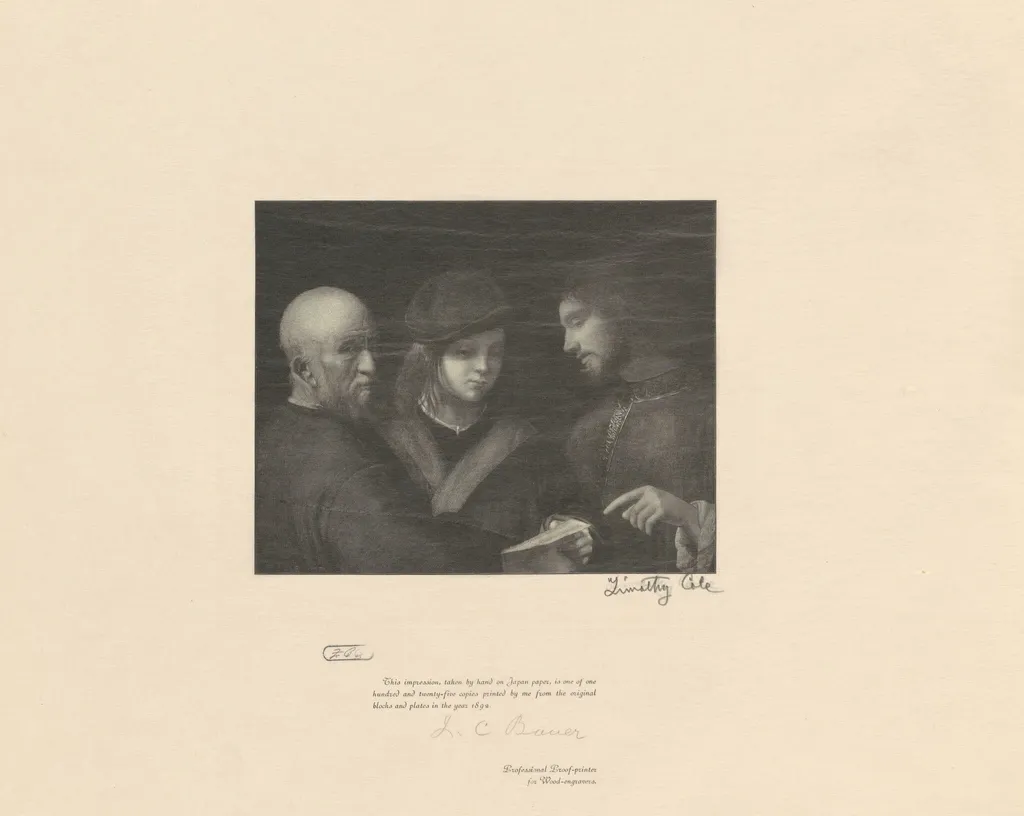
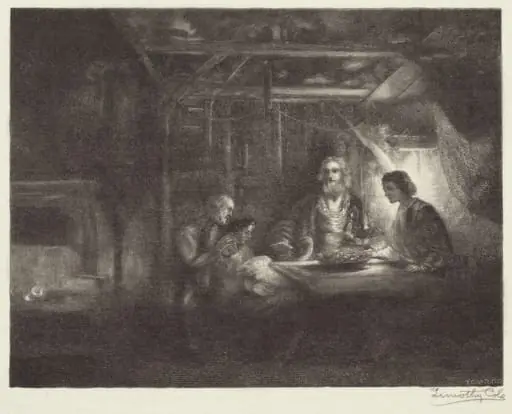
The Three Ages of Man is an ink print by the Impressionist artist Timothy Cole. It dates from 1892 and is held in the collection of the National Gallery of Art.
About this work
Overview
Rendered in black ink on wove paper, the composition emphasizes quiet stillness through restrained tonal contrasts and minimal background detail.
Created in 1892 by Timothy Cole, this wood engraving depicts three male figures at different life stages, gathered around a book. Rendered in black ink on wove paper, the composition emphasizes quiet stillness through restrained tonal contrasts and minimal background detail. The work belongs to the tradition of 19th-century American printmaking, where engraving was used to convey narrative depth with precision.
Subject & Meaning
The three figures represent youth, middle age, and old age, united in a shared moment of reflection. Their postures and attire suggest solemnity, with no overt gesture or expression to distract from the implied weight of time. The book, central yet unreadable, functions as a symbol of accumulated knowledge or spiritual contemplation, anchoring the scene in a meditative atmosphere rather than a specific narrative.
Technique & Style
Cole employed fine-line wood engraving to achieve subtle gradations of gray and deep black, modeling form through cross-hatching and stippling. The dark, uniform background isolates the figures, enhancing their sculptural presence. The precision of the technique reflects the academic training of the period, prioritizing clarity and tonal control over expressive brushwork, aligning with the era’s reverence for craftsmanship in reproductive prints.
History & Provenance
The print was produced during Cole’s most active period as a reproductive engraver, known for translating paintings into detailed black-and-white prints for illustrated publications. While the original painting it may have reproduced is unconfirmed, this engraving circulated in art journals and private collections, reflecting the demand for accessible, high-quality graphic art in late 19th-century America.
Context
In the 1890s, American printmakers like Cole responded to a cultural interest in moral and philosophical themes, often drawn from literature or religious allegory. The Three Ages of Man aligns with broader Victorian preoccupations with mortality and the passage of time, yet avoids sentimentality. Its quiet tone contrasts with the more dramatic illustrations of the period, offering a restrained meditation on human experience.
Legacy
Timothy Cole’s engraving contributed to the recognition of printmaking as a serious artistic medium in the United States. Though less widely known today than his contemporaries in painting, his technical rigor influenced later generations of printmakers. The work remains a quiet example of how engraving could convey profound human themes through economy of line and tone.
Artist & collection

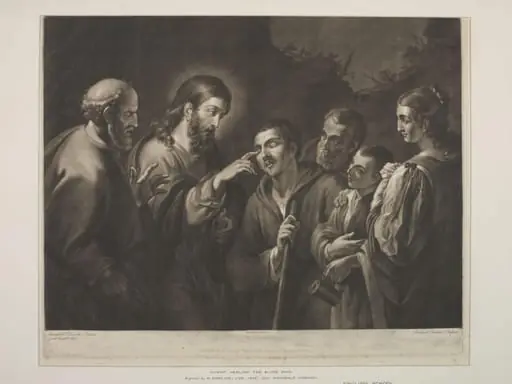 Christ Healing the Blind Man
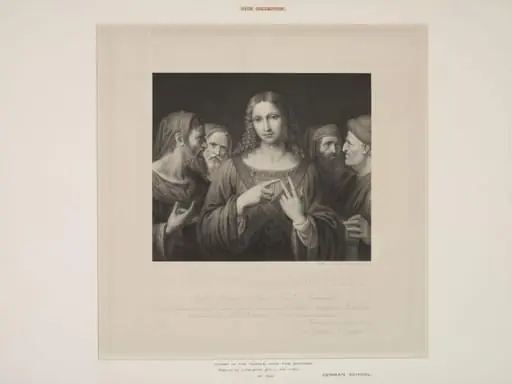 Christ Disputing with the Doctors
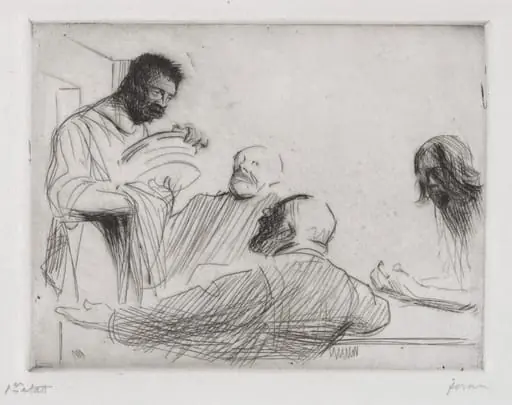 Avant le repas à Emmaus
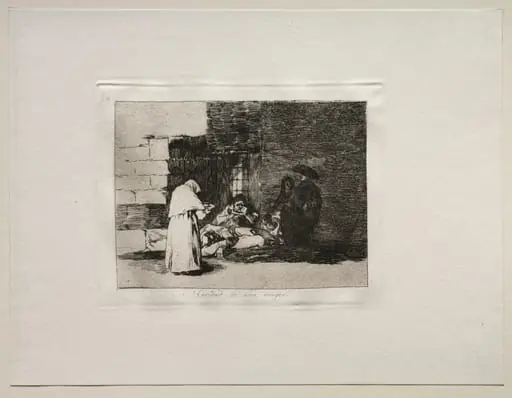 The Horrors of War: A Woman's Charity
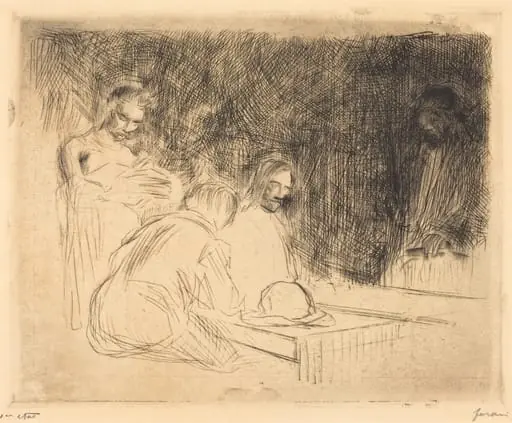 Le repas à Emmaus (3e planche) (The Supper at Emmaus) (third plate)
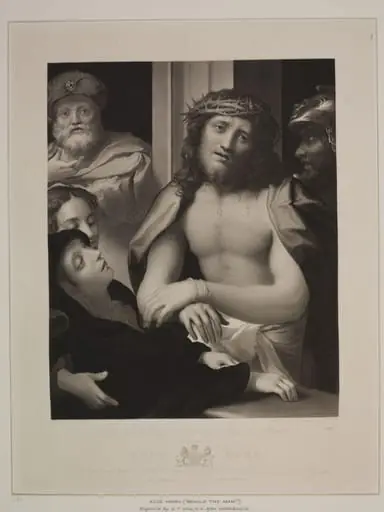 Ecce Homo
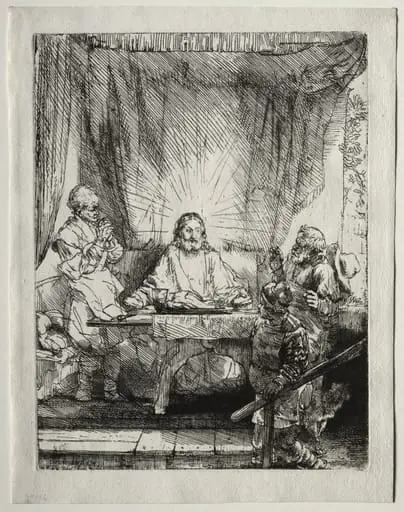 Christ at Emmaus: The Larger Plate
 Untitled
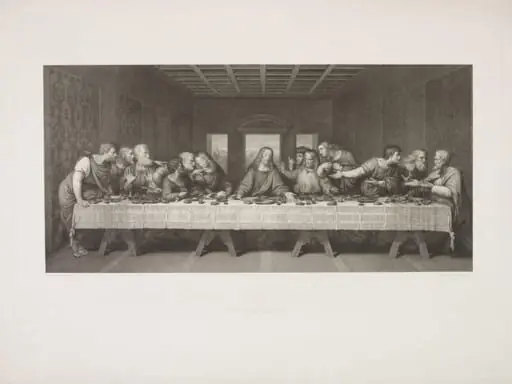 The Last Supper
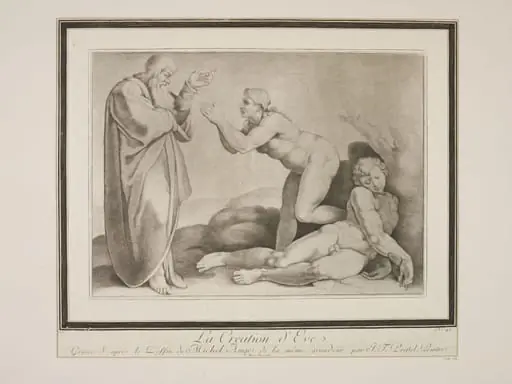 Creation of Eve
 Frédéric Mistral: Mémoires et Recits by Frédéric Mistral: vagabond and monk/ landscape with cows (insert after 160)
 The Horrors of War: And There's No Help For It