Artwork
Half-Length Portrait of a Cleric
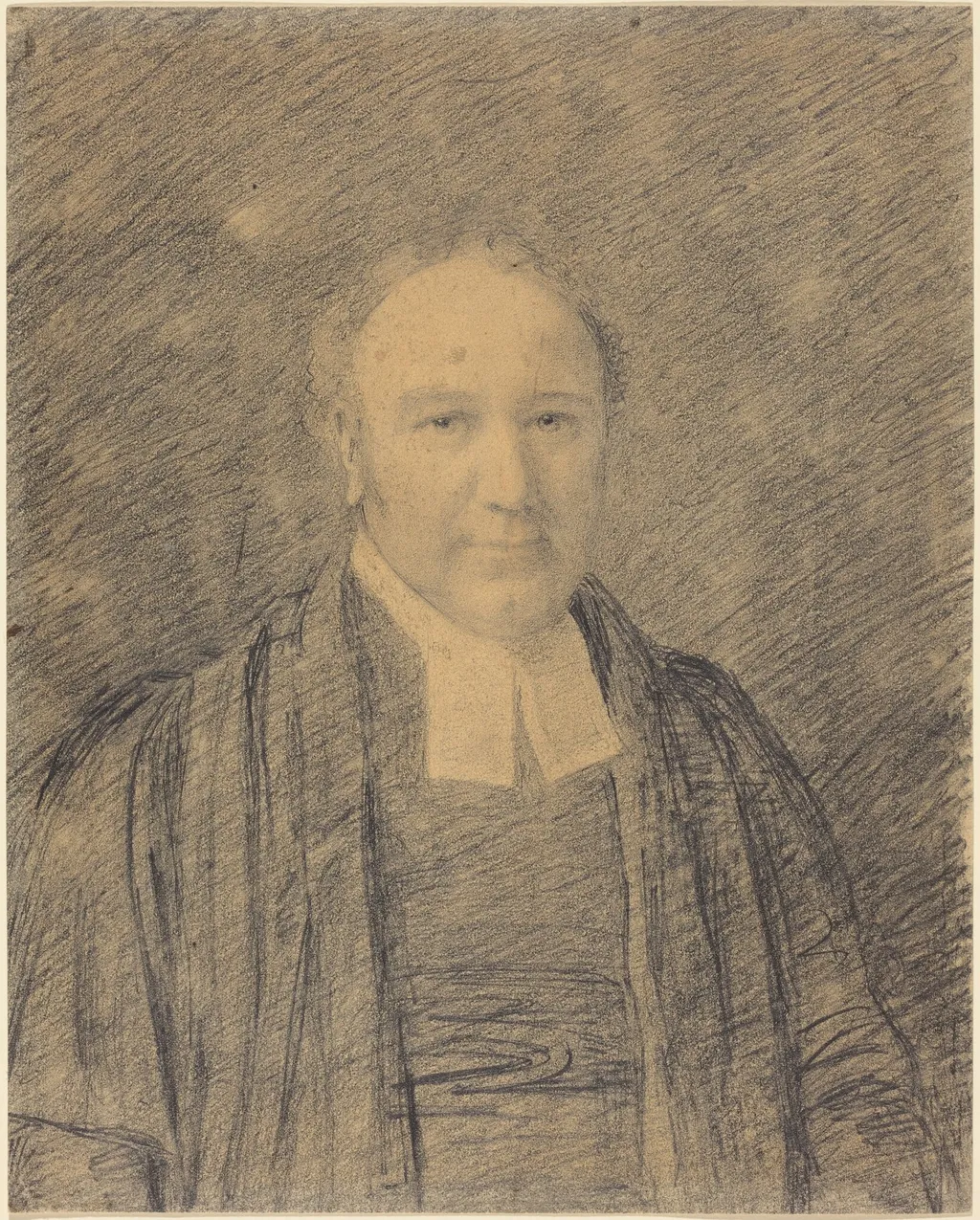
Half-Length Portrait of a Cleric is a graphite drawing by the Romanticist artist John Constable. It dates from 1806 and is held in the collection of the National Gallery of Art.
About this work
Overview
The medium’s subtlety and the paper’s warm tone contribute to a quiet, intimate atmosphere, distinguishing it from his more celebrated outdoor scenes.
Created in 1806, this graphite drawing on tan wove paper is a half-length portrait of a clergyman, executed by John Constable. Though Constable is primarily recognized for his landscape works, this piece reveals his skill in capturing human presence with minimal means. The medium’s subtlety and the paper’s warm tone contribute to a quiet, intimate atmosphere, distinguishing it from his more celebrated outdoor scenes.
Subject & Meaning
The subject is likely a local cleric, portrayed in a plain dark robe with no identifying attributes. His face, rendered with careful attention, conveys a sense of quiet contemplation. The lack of elaborate detail in the clothing and posture suggests an emphasis on inner character rather than social status. This focus on individual presence aligns with broader Romantic interests in personal dignity and emotional depth.
Technique & Style
Constable employed graphite with varied pressure to build form through soft gradations of tone. The tan paper serves as a mid-value ground, allowing highlights and shadows to emerge with economy. Loose, suggestive lines define the robe and shoulders, while the face is more fully modeled. The technique balances precision with spontaneity, reflecting a sketchbook sensibility rather than a formal commission.
History & Provenance
The drawing dates from Constable’s early career, shortly after his admission to the Royal Academy. It likely originated as a study made during his time in Suffolk or London, possibly of a local figure encountered in daily life. Its survival suggests it was retained by the artist or a close associate, rather than being sold or given away. No documented ownership before the 20th century is known.
Context
In the early 1800s, British artists often produced portrait sketches as preparatory studies or personal records. Constable’s focus on a humble clerical figure reflects a broader cultural interest in ordinary individuals, distinct from grand historical or aristocratic subjects. This work exists alongside his landscape studies, revealing his consistent attention to human presence within everyday environments.
Legacy
Though not widely exhibited during Constable’s lifetime, this drawing contributes to understanding his broader artistic practice beyond landscapes. It demonstrates his ability to convey psychological presence through minimal means, influencing later generations of draftsmen who valued direct observation over idealization. Its preservation offers insight into the quiet, personal side of a major 19th-century artist.
Artist & collection
Artist
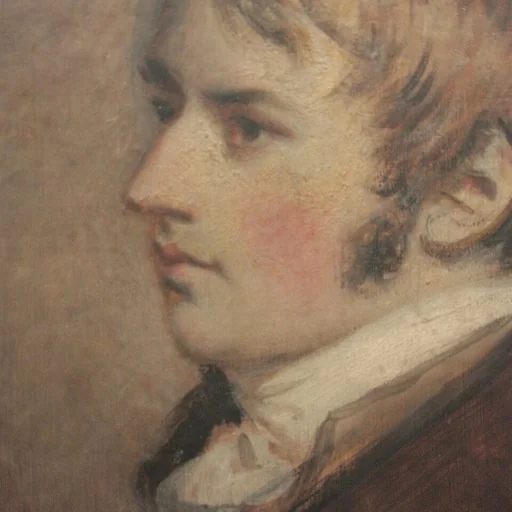
John Constable (; 11 June 1776 – 31 March 1837) was an English landscape painter in the Romantic tradition.

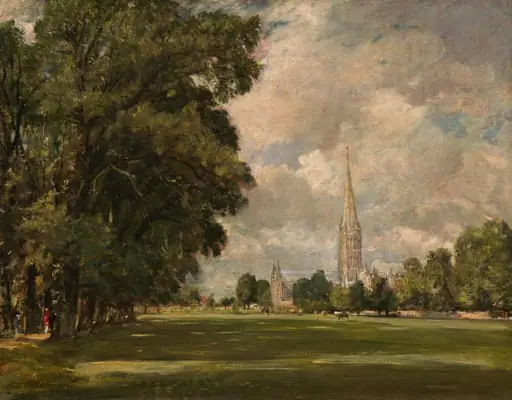
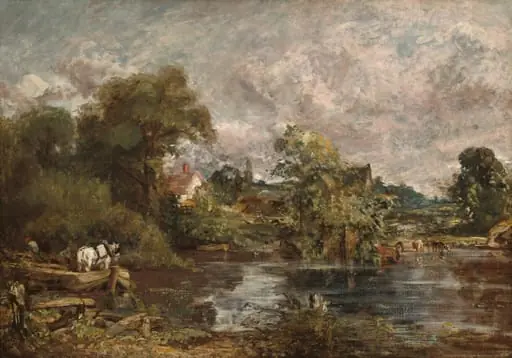
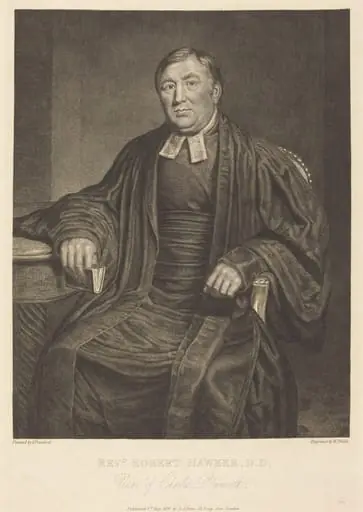 Reverend Robert Hawker, D.D.
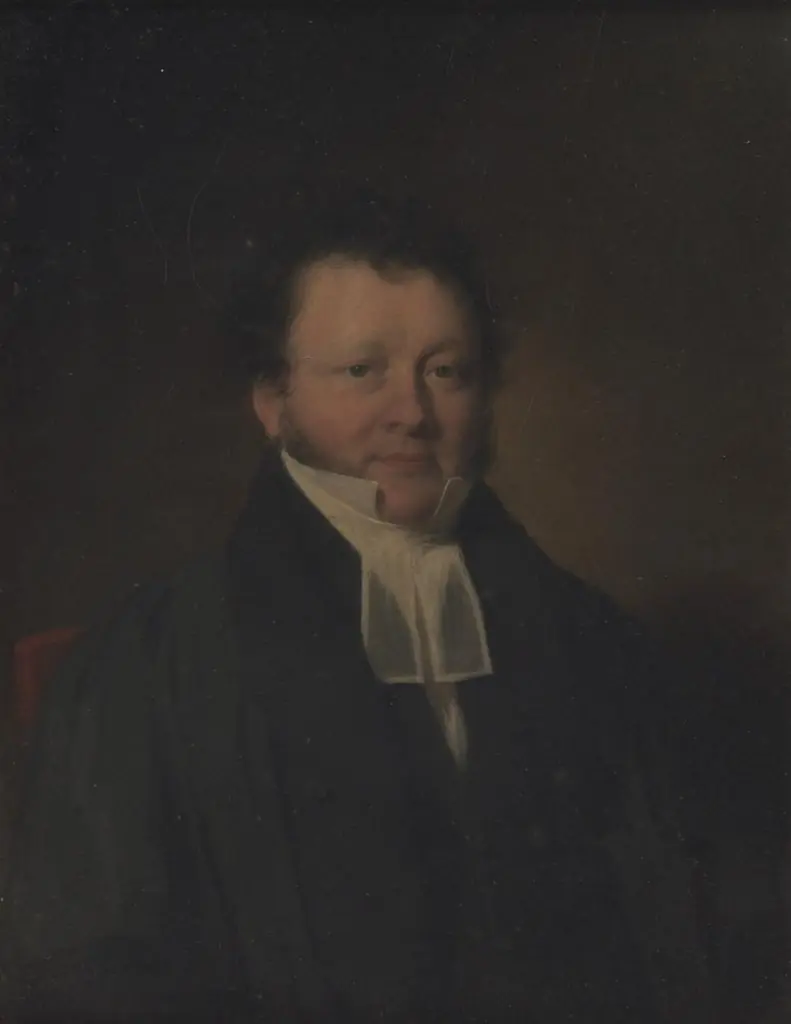 Rev.Morgan Davies
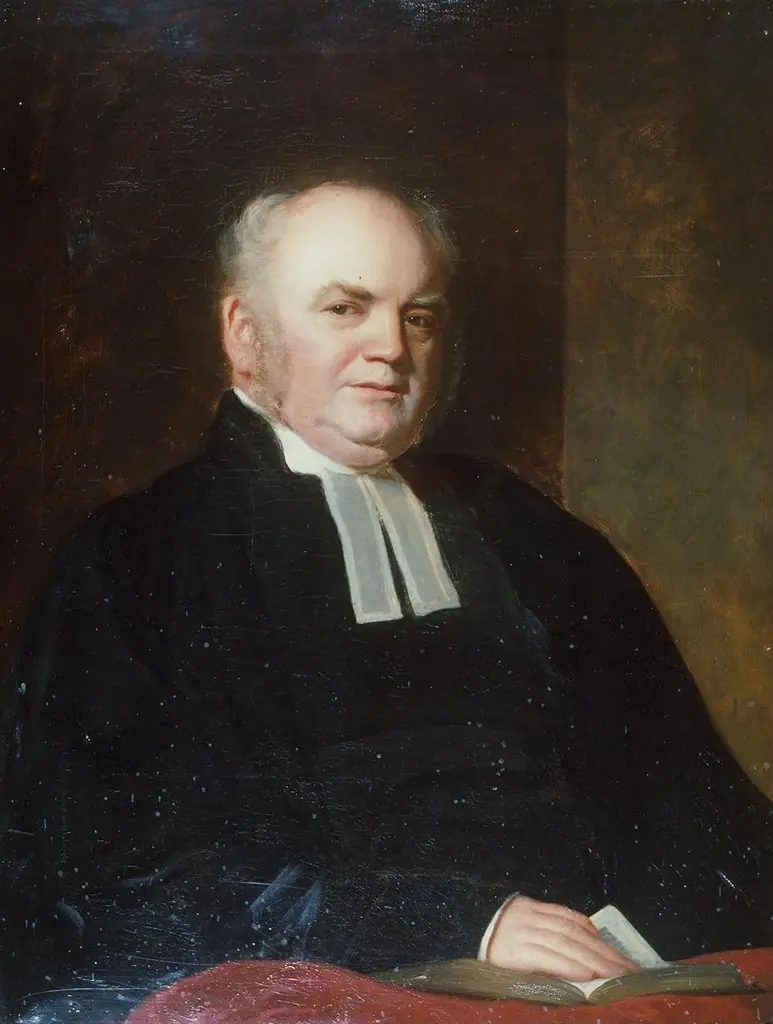 Revd.John Hughes, 1787-1860
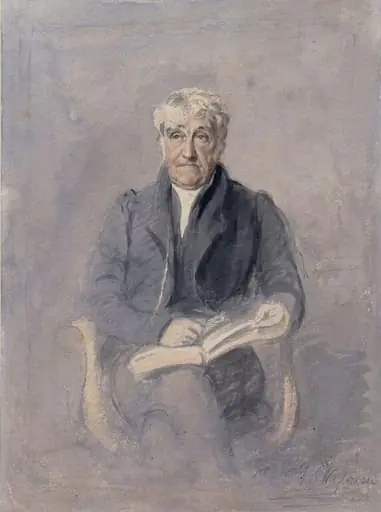 Thomas Stothard (1755-1834), drawn from life
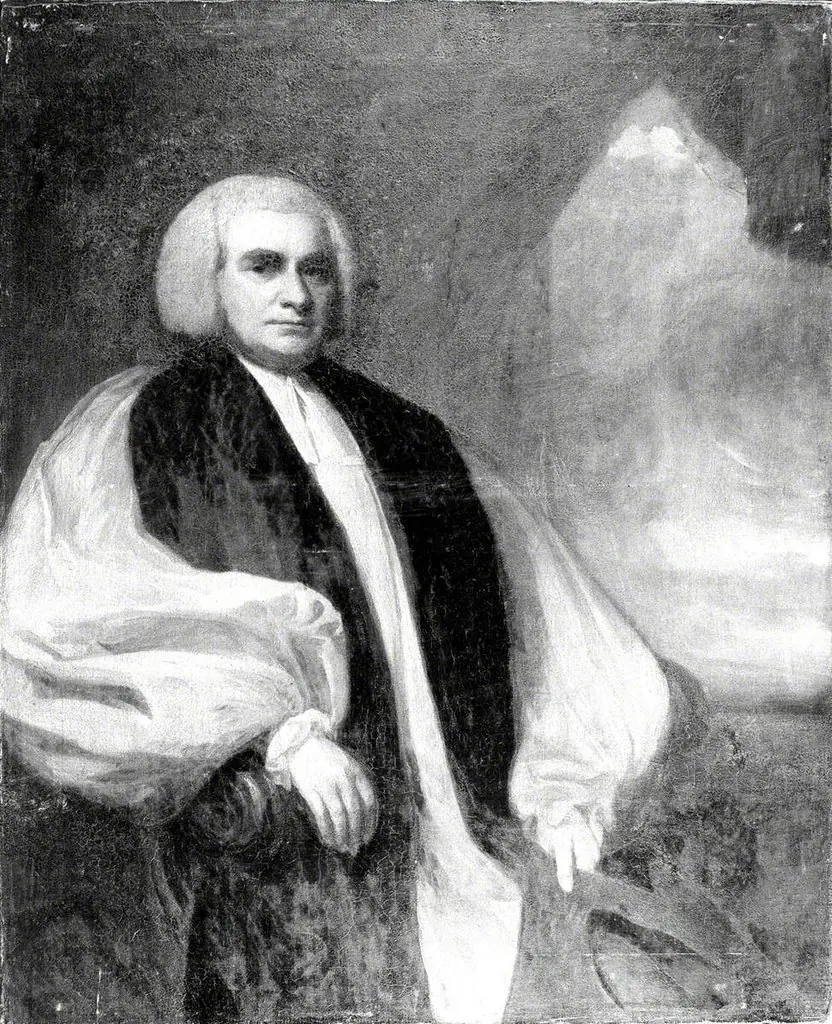 Dr John Warren, Bishop of Bangor
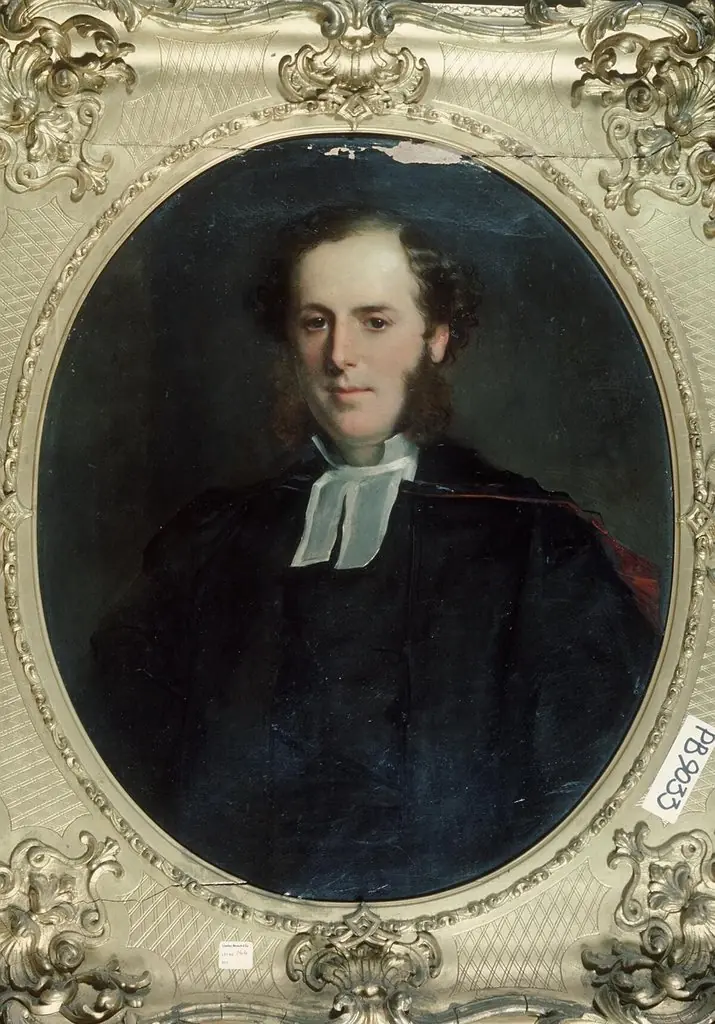 Revd. H. Davies, died 1868
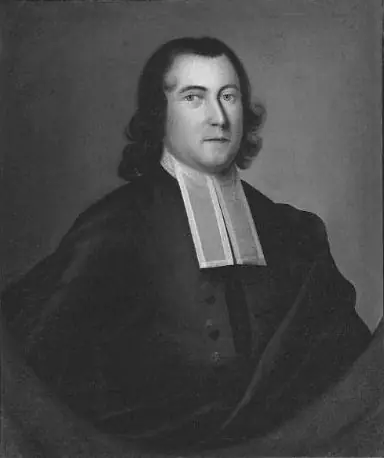 Reverend Ellis Gray
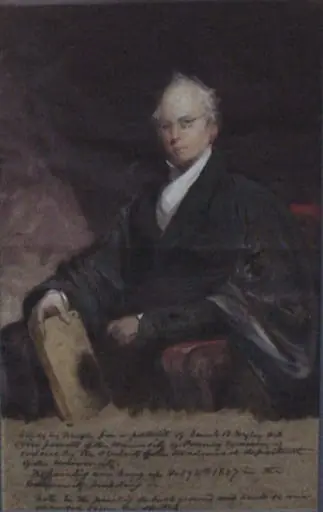 Reverend Samuel Brown Wiley
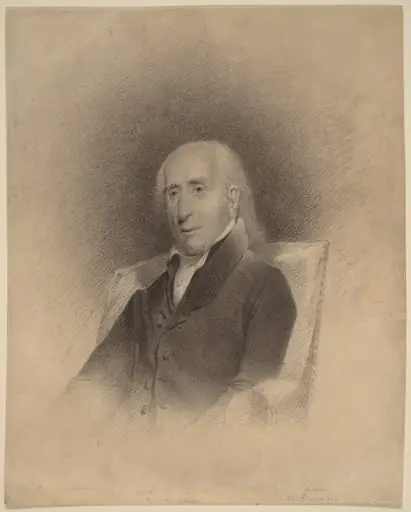 Portrait of a Seated Man
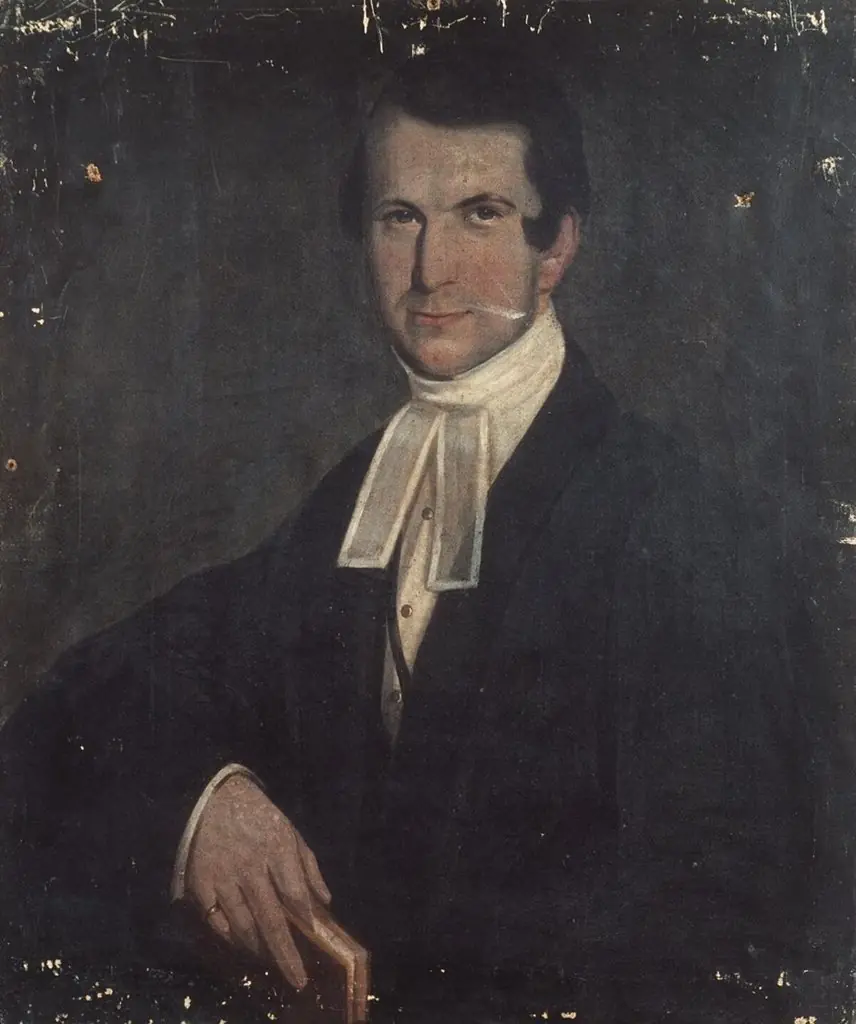 Young minister of religion
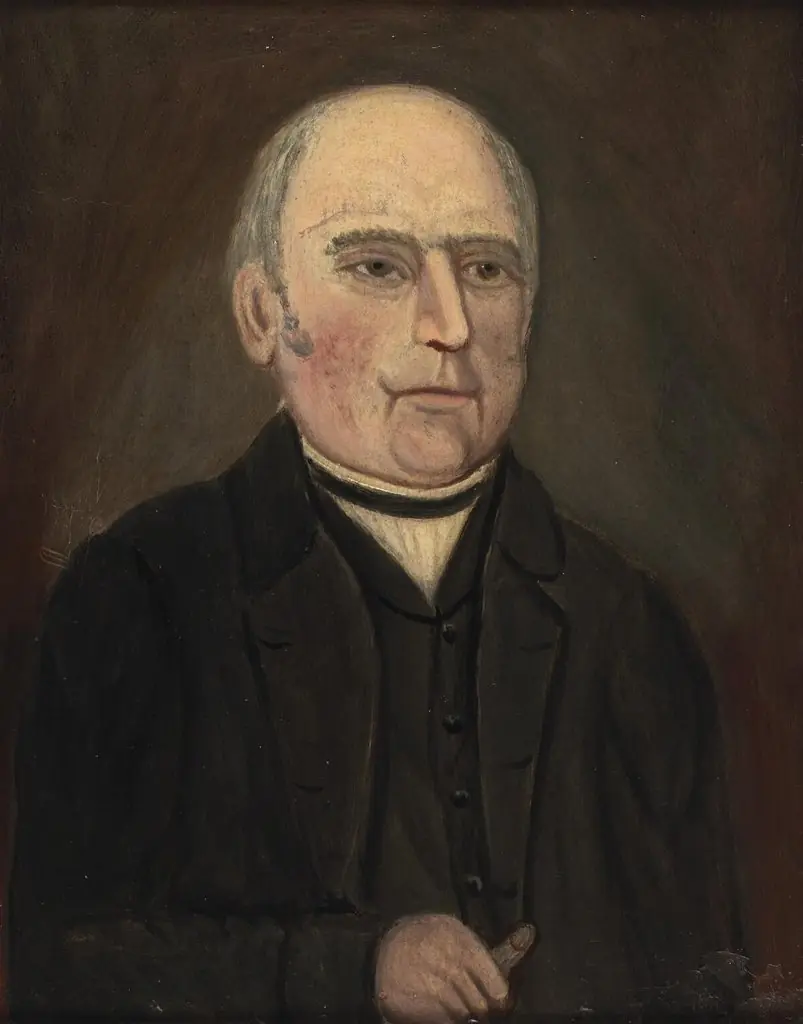 Reverend John Jones, Talysarn, Carnarvon
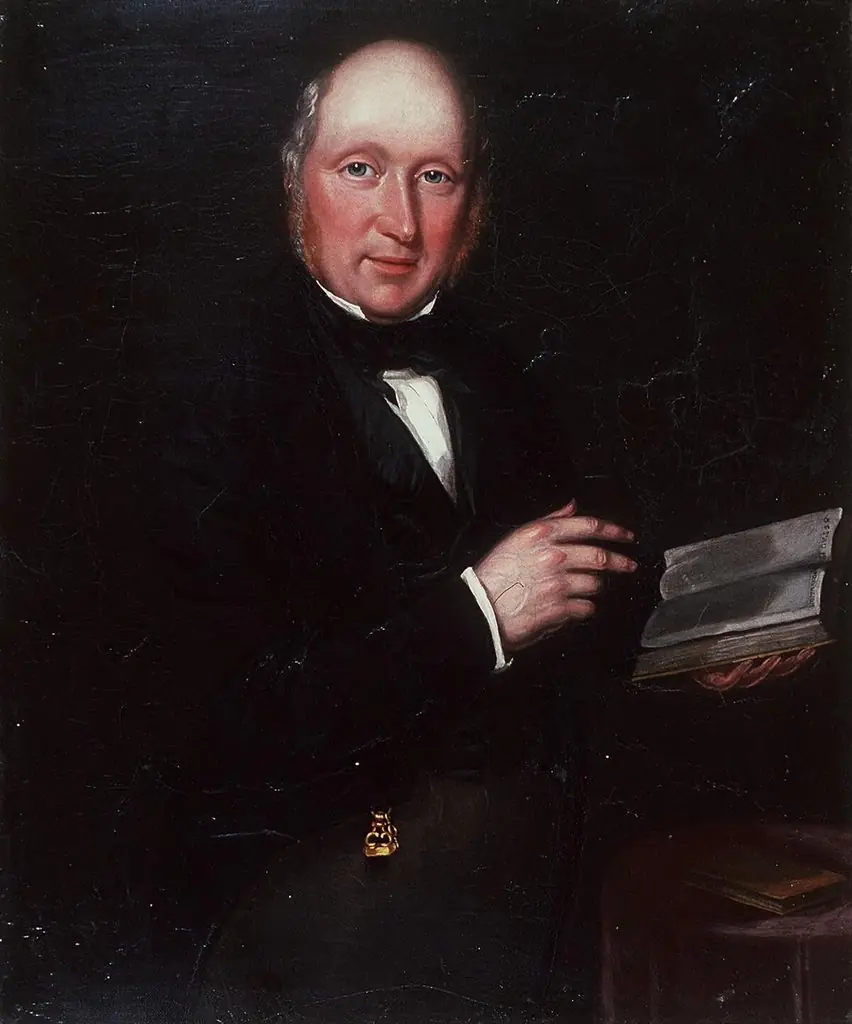 Portrait of an unidentified cleric