Artwork
Reverend Samuel Brown Wiley
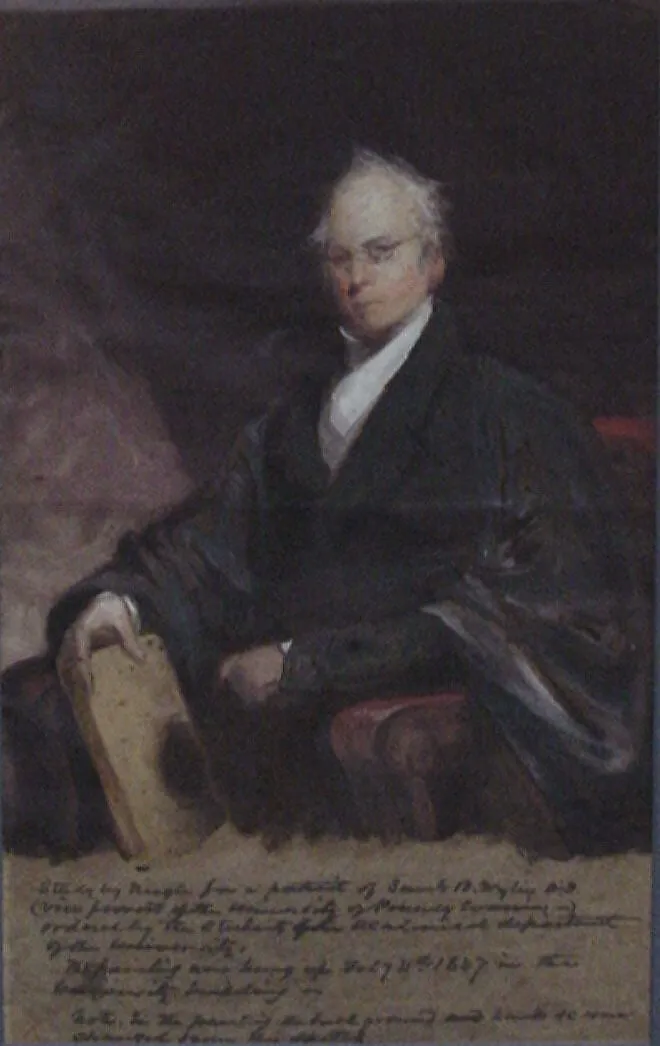
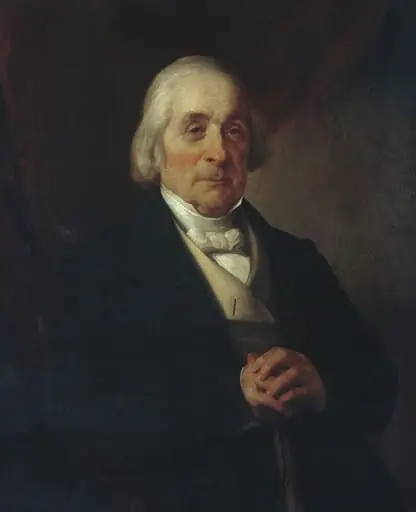
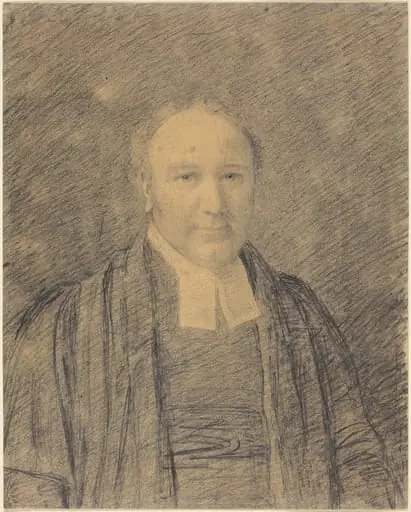
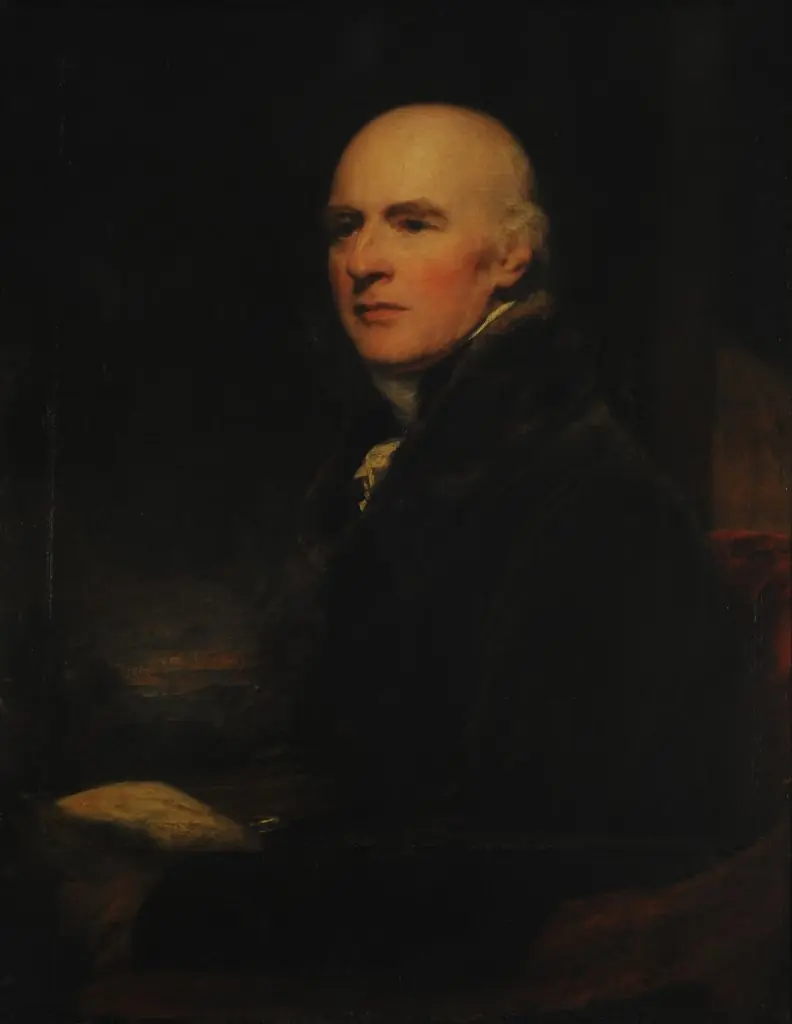
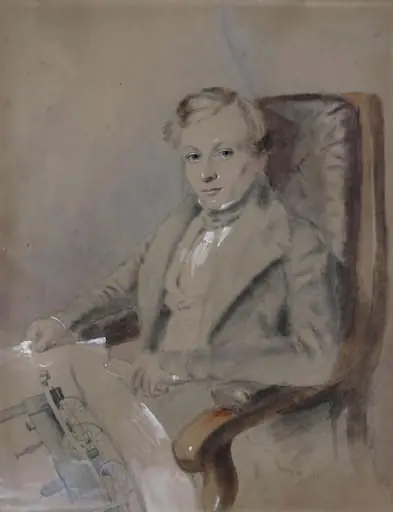
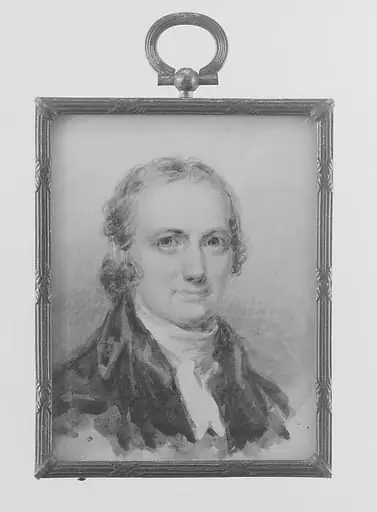
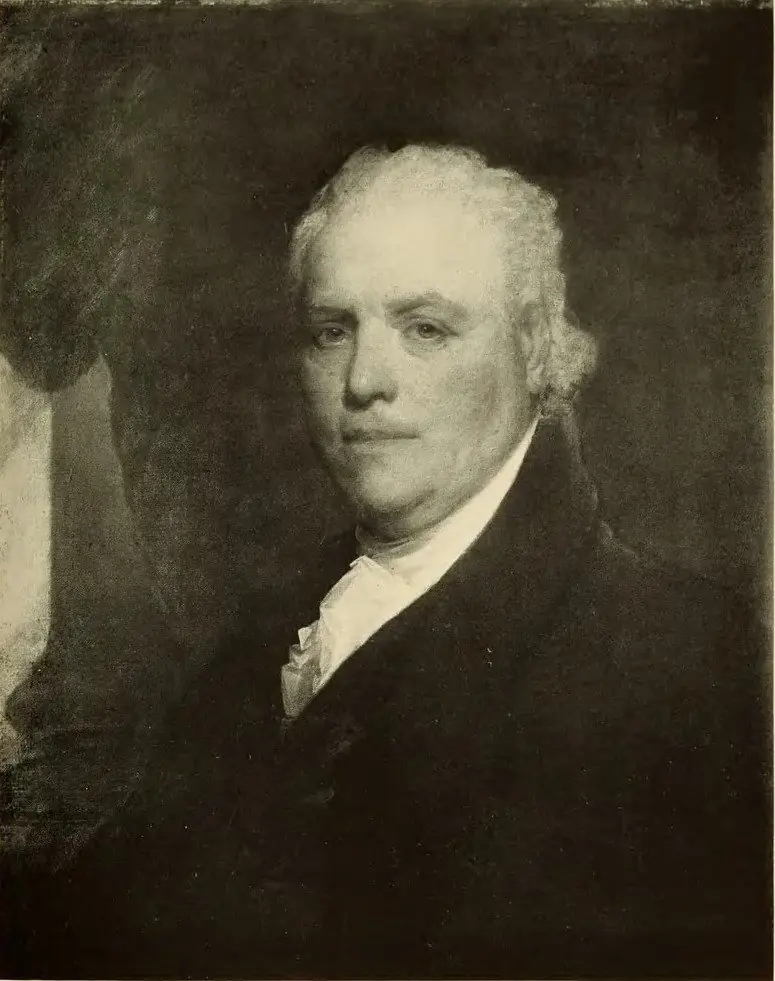
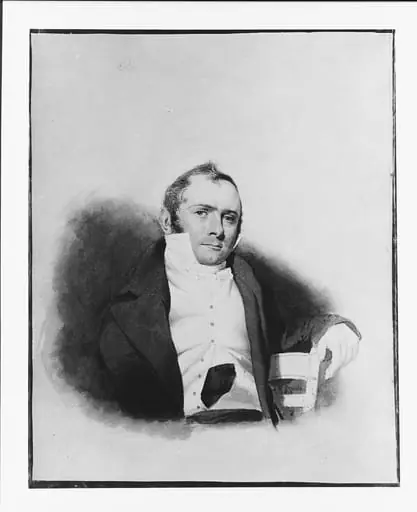
Reverend Samuel Brown Wiley is an ink drawing by the Romanticist artist John Neagle. It dates from 1847 and is held in the collection of the Metropolitan Museum of Art.
About this work
Instead of a quick photo, he used slow oil and ink to show every wrinkle and button.
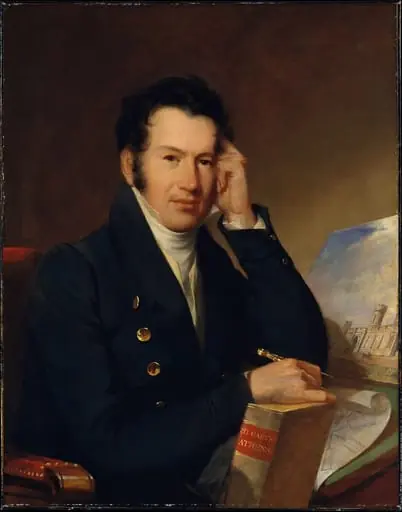
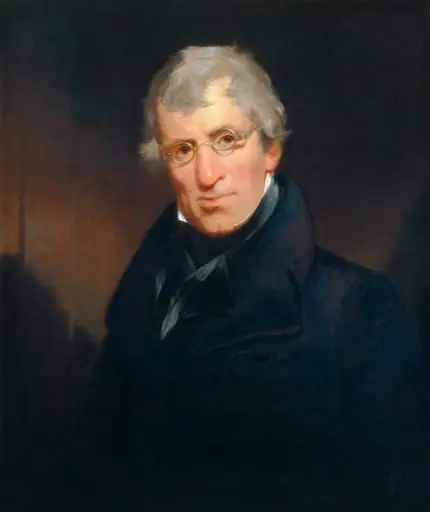
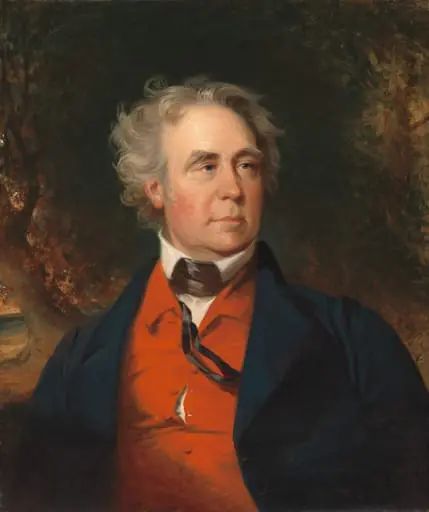
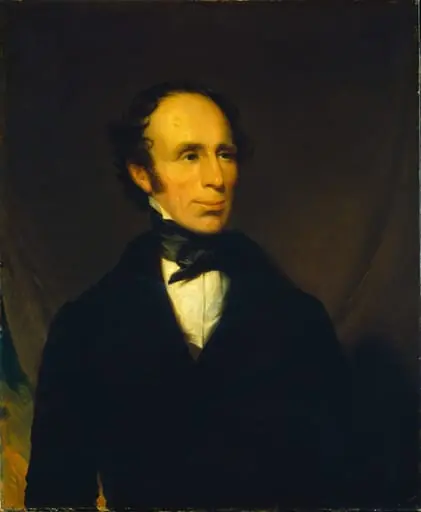
A man in a black suit sits stiffly in a wooden chair, one hand resting on a book. His face is lit softly, but the background stays dark.
Neagle painted this portrait in 1847, when photography was new. Instead of a quick photo, he used slow oil and ink to show every wrinkle and button. The quiet light makes the man feel real, like he could stand up and walk out.
Look up other portraits from The Metropolitan Museum of Art.
Overview
John Neagle, a Philadelphia portraitist active in the early‑to‑mid‑19th century, completed the work titled Reverend Samuel Brown Wiley in 1847. Executed with oil, pen, and ink on paper, the piece presents a formal seated likeness of a clergyman in a dark interior, characteristic of Neagle’s refined approach to portraiture.
Subject & Meaning
The sitter, Reverend Samuel Brown Wiley, is shown in a black suit, upright in a wooden chair, one hand resting on an open book. The subdued illumination falls on his face, emphasizing his expression and attire while the surrounding darkness isolates him, suggesting a contemplative, scholarly demeanor appropriate to his clerical role.
Technique & Style
Neagle combined oil paint with pen and ink, allowing fine detail in the fabric, facial wrinkles, and accessories. The layered medium creates a delicate chiaroscuro: a gentle light models the visage against a uniformly dark background, a method that underscores the sitter’s presence without relying on the emerging photographic technology of the period.
Context
Created at a time when photography was just beginning to influence portraiture, the work reflects the lingering preference for painted likenesses among the American elite. Neagle’s choice of a labor‑intensive mixed medium demonstrates the continued demand for personalized, handcrafted representations of status and profession in the 1840s.
History & Provenance
The portrait entered the American Wing of the Metropolitan Museum of Art as part of its collection of 19th‑century American portraiture. Its acquisition aligns with the museum’s effort to document the development of regional artistic practices, particularly those emerging from Philadelphia’s vibrant portrait market.
Artist & collection

Artist
John Neagle (November 4, 1796 – September 17, 1865) was a fashionable American painter, primarily of portraits, during the first half of the 19th century in Philadelphia.