Artwork
Milford Bridge
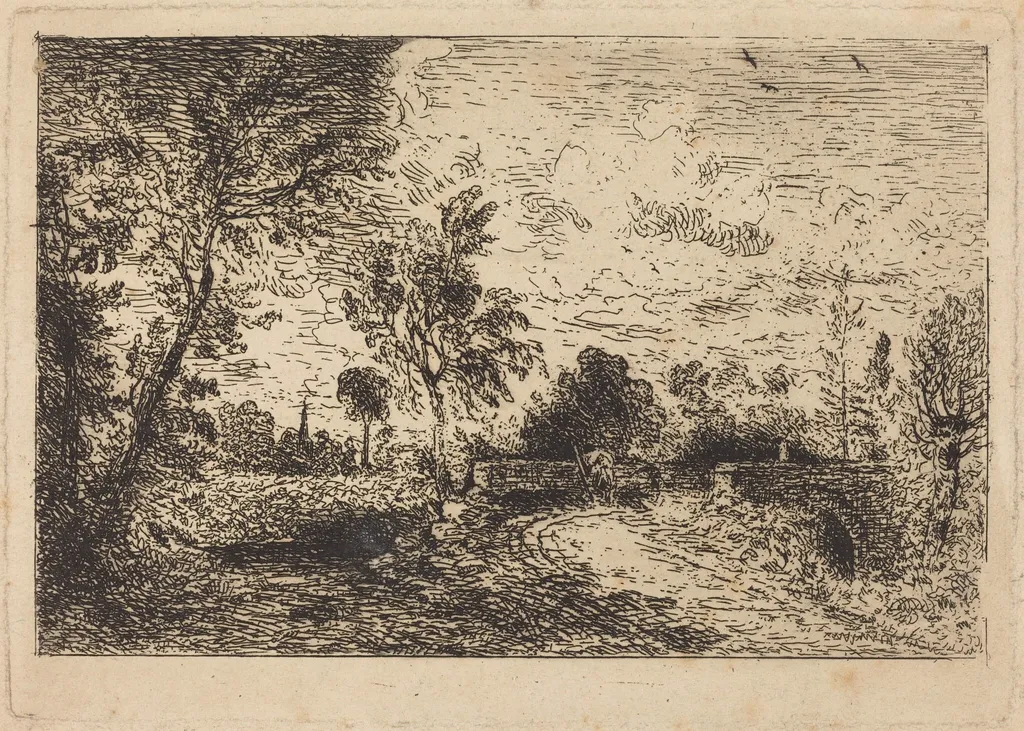
Milford Bridge is an ink print by the Romanticist artist John Constable. It dates from 1826 and is held in the collection of the National Gallery of Art.
About this work
Overview
John Constable produced the etching Milford Bridge around 1826, depicting a tranquil river scene in Suffolk. Executed on wove paper in its first state, the print captures a modest bridge spanning calm water, flanked by trees and low vegetation, with a gently rising bank in the background.
Subject & Meaning
The composition presents a quiet stretch of river, its surface marked by subtle ripples near the shore. A modest bridge arches across the water, anchoring the view, while the surrounding foliage frames the scene, emphasizing the serene, everyday character of the local landscape.
Technique & Style
Constable employed fine, closely spaced lines to render the texture of foliage and the reflective quality of the water, creating a sense of immediacy. The largely empty sky directs attention to the land and river, reflecting his Romantic inclination to record observed topography with personal sensitivity.
History & Provenance
Created during Constable’s long‑term engagement with the Suffolk countryside surrounding his home, the print belongs to his series of landscape etchings that complement his more widely known oil paintings of the region, such as those of Dedham Vale.
Context
Milford Bridge exemplifies Constable’s early 19th‑century effort to translate the English countryside into intimate visual records. The work aligns with his broader aim to infuse ordinary rural scenes with emotional resonance, a hallmark of his contribution to Romantic landscape art.
Artist & collection
Artist
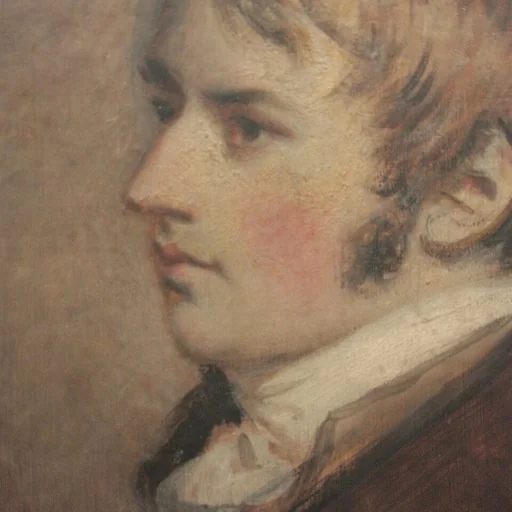
John Constable (; 11 June 1776 – 31 March 1837) was an English landscape painter in the Romantic tradition.

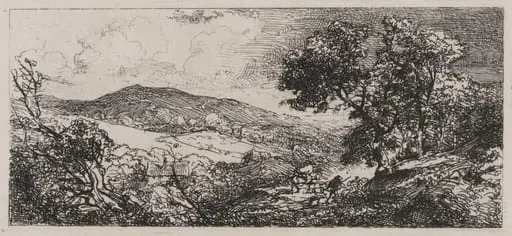 Valley View, Man with a Donkey and a Dog
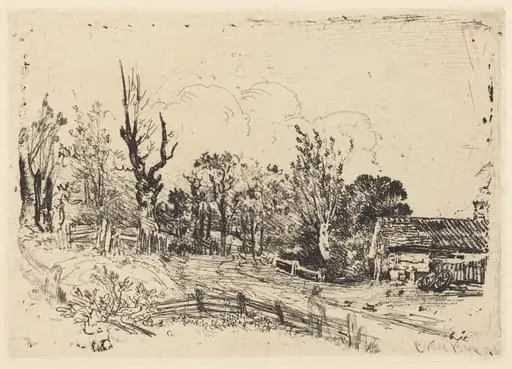 Road with a Farmhouse on the Right
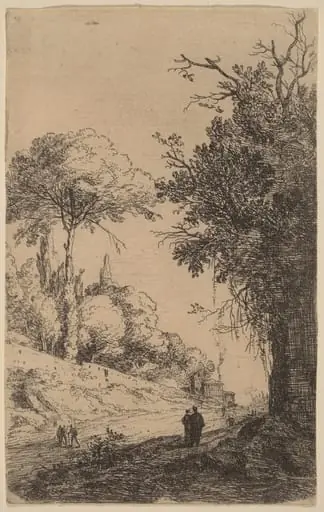 Part of the Via Flaminia
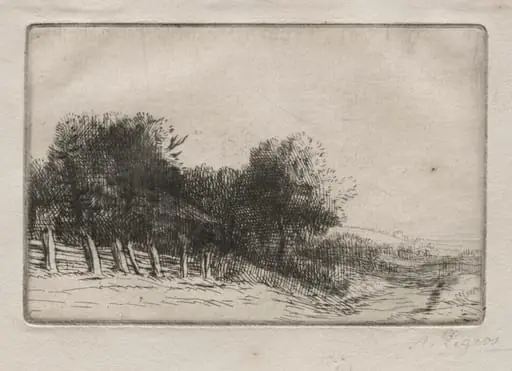 Landscape (Un Paysage)
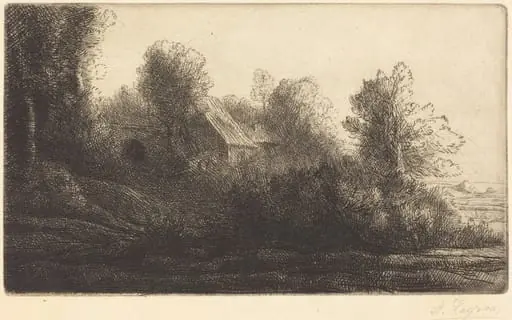 View of a Farm, 2nd plate (La ferme de Bienheureux)
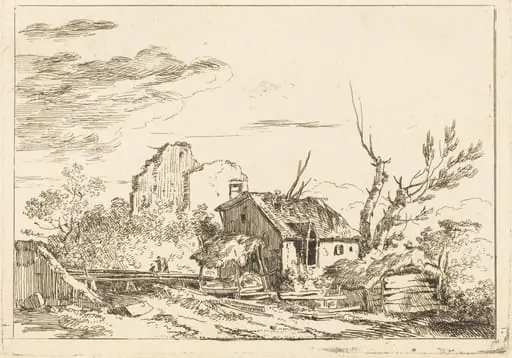 Hovel at the Bridge
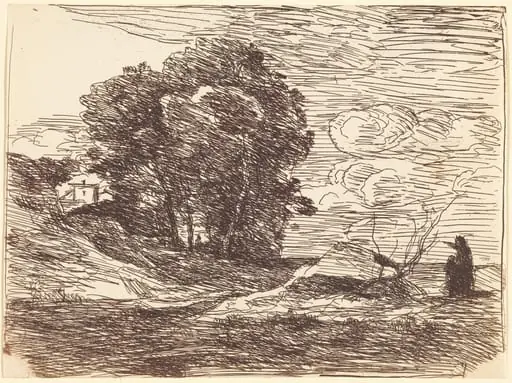 Poet's Dwelling (La Demeure du poete)
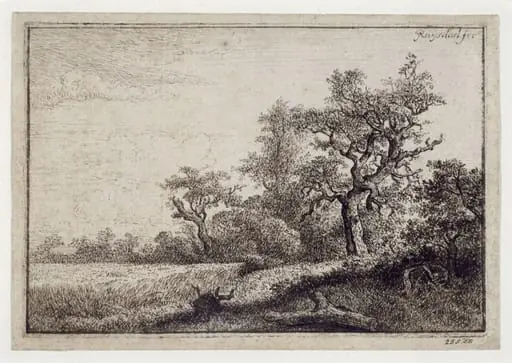 The Wheatfield. After Jacob Ruysdael
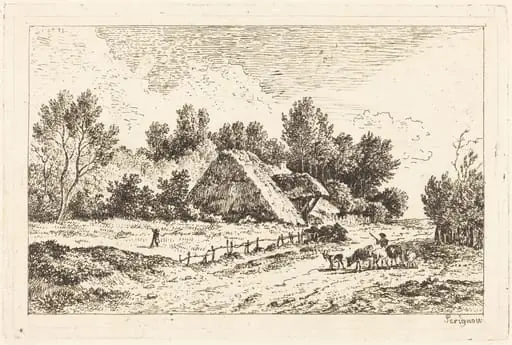 A Low Cottage with a Herdsman Leading His Flock
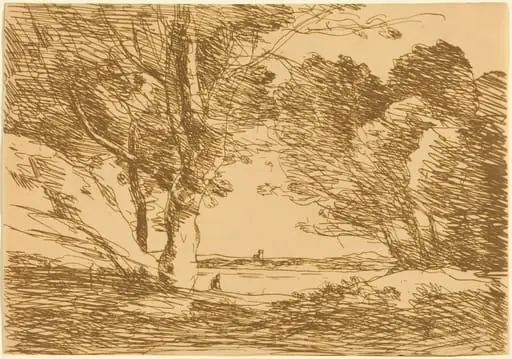 Tower on the Horizon of a Lake (Tour a l'horizon d'un lac)
 Italian Landscape (Paysage d'Italie)
 The Tree with a Double Trunk