Artwork
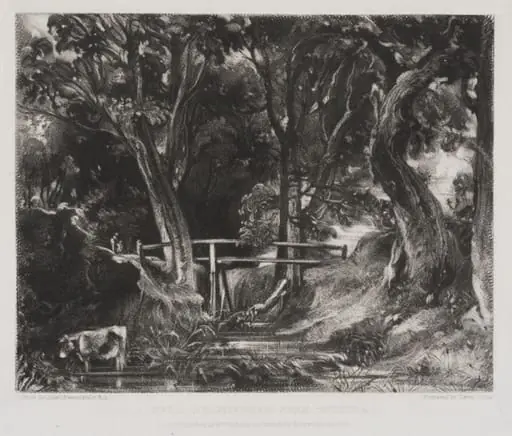
A DELL, HELMINGHAM PARK, SUFFOLK
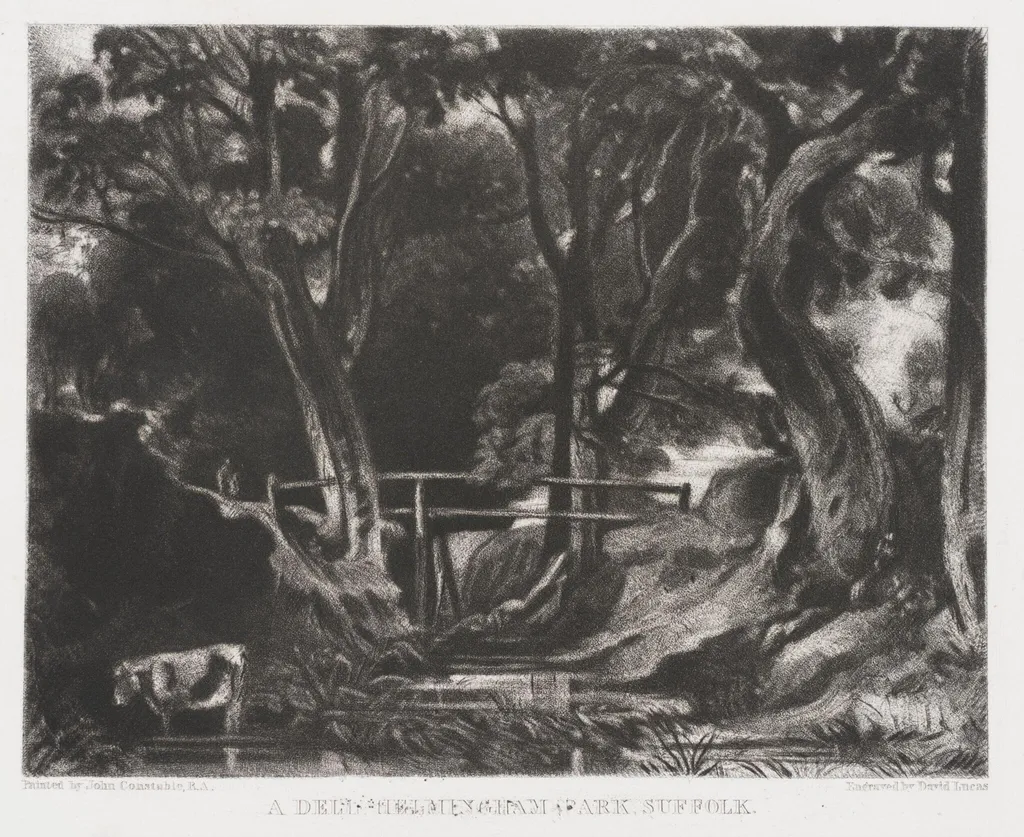
A DELL, HELMINGHAM PARK, SUFFOLK is a print by the Impressionist artist John Constable. It is held in the collection of the Victoria and Albert Museum.
About this work
Overview
Commissioned late in Constable’s career, the project comprised 22 prints, all engraved by David Lucas under the artist’s close supervision.
A Dell, Helmingham Park, Suffolk is a mezzotint from John Constable’s landmark series English Landscape, published between 1830 and 1832. Commissioned late in Constable’s career, the project comprised 22 prints, all engraved by David Lucas under the artist’s close supervision. Though initially met with limited public interest, the series was intended as a definitive statement of Constable’s artistic philosophy, translating his landscape studies into a reproducible format for broader engagement.
Subject & Meaning
The print depicts a quiet, shaded dell within Helmingham Park, Suffolk — a place tied to Constable’s personal memories and regional identity. Rather than idealizing the scene, he emphasized the subtle interplay of light and shadow across foliage and earth, reflecting his belief in nature’s inherent tonal harmony. The subject was chosen not for grandeur but for its quiet authenticity, embodying his conviction that ordinary English landscapes held profound visual and emotional value.
Technique & Style
Executed in mezzotint, a technique prized for its rich tonal range, the print captures the soft gradations of light and atmosphere Constable favored in his paintings. David Lucas, working closely with Constable, adapted the artist’s brushwork into the medium’s stippled textures, preserving the sense of movement and moisture in the air. The result is a print that feels painterly, not merely reproductive — a translation of oil sketch into print with emotional fidelity.
History & Provenance
The series was issued in six installments between 1830 and 1832, with a revised second edition in 1833. After Constable’s death in 1837, Lucas continued to print and occasionally add new plates using the original copper plates. Some impressions were made decades later, but those produced during Constable’s lifetime, under his direct oversight, are considered the most authentic. The print’s provenance is tied to these early impressions, often signed and annotated by the artist.
Context
Constable turned to printmaking at a time when his paintings were still undervalued by the Royal Academy and public. Drawing from Claude Lorrain’s compositional balance and Turner’s atmospheric effects, he sought to elevate landscape as a serious genre. English Landscape was his response — a deliberate counter to prevailing tastes, asserting that England’s rural scenes deserved the same reverence as classical or romanticized vistas.
Legacy
Though commercially unsuccessful in his lifetime, Constable’s mezzotint series later became a touchstone for artists and critics reevaluating British landscape art. The collaboration with Lucas demonstrated how print could serve as a vehicle for artistic intent, not just reproduction. Today, the series is recognized as a pivotal moment in the history of printmaking, where technical precision and personal vision converged to redefine the role of the artist in the age of mechanical reproduction.
Artist & collection
Artist
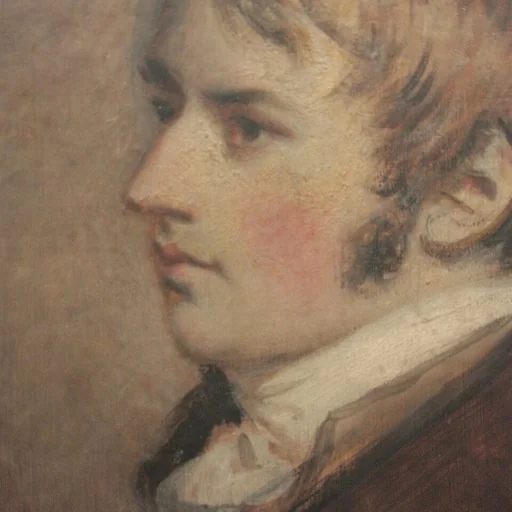
John Constable (; 11 June 1776 – 31 March 1837) was an English landscape painter in the Romantic tradition.

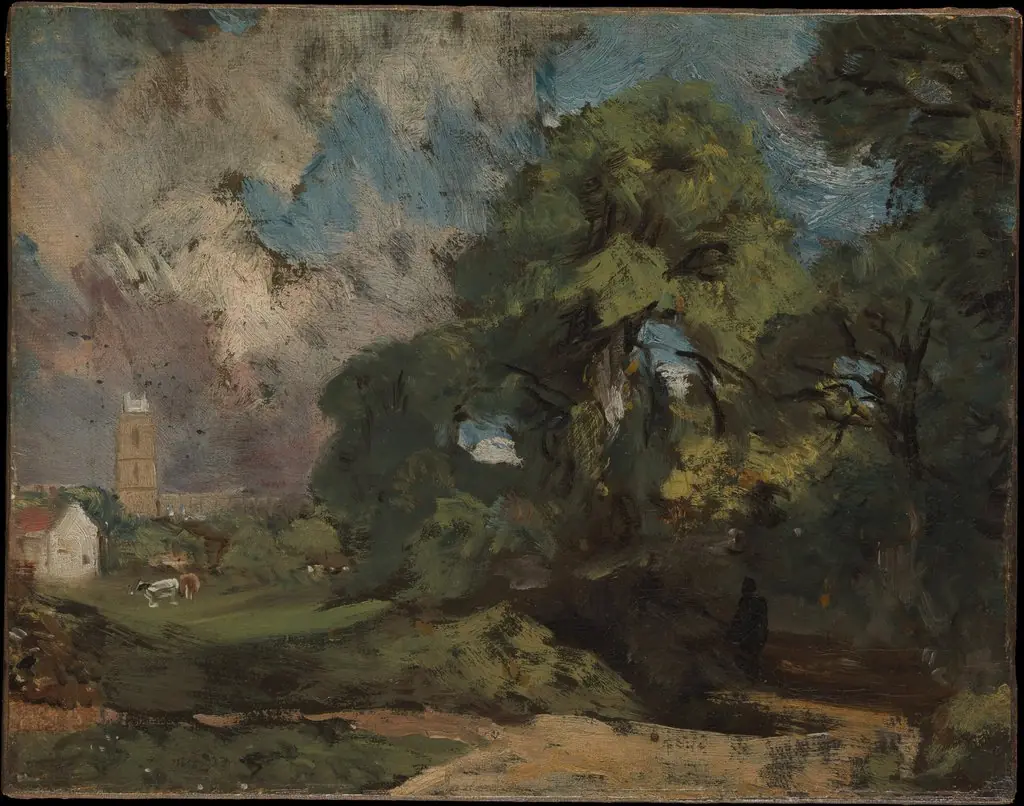
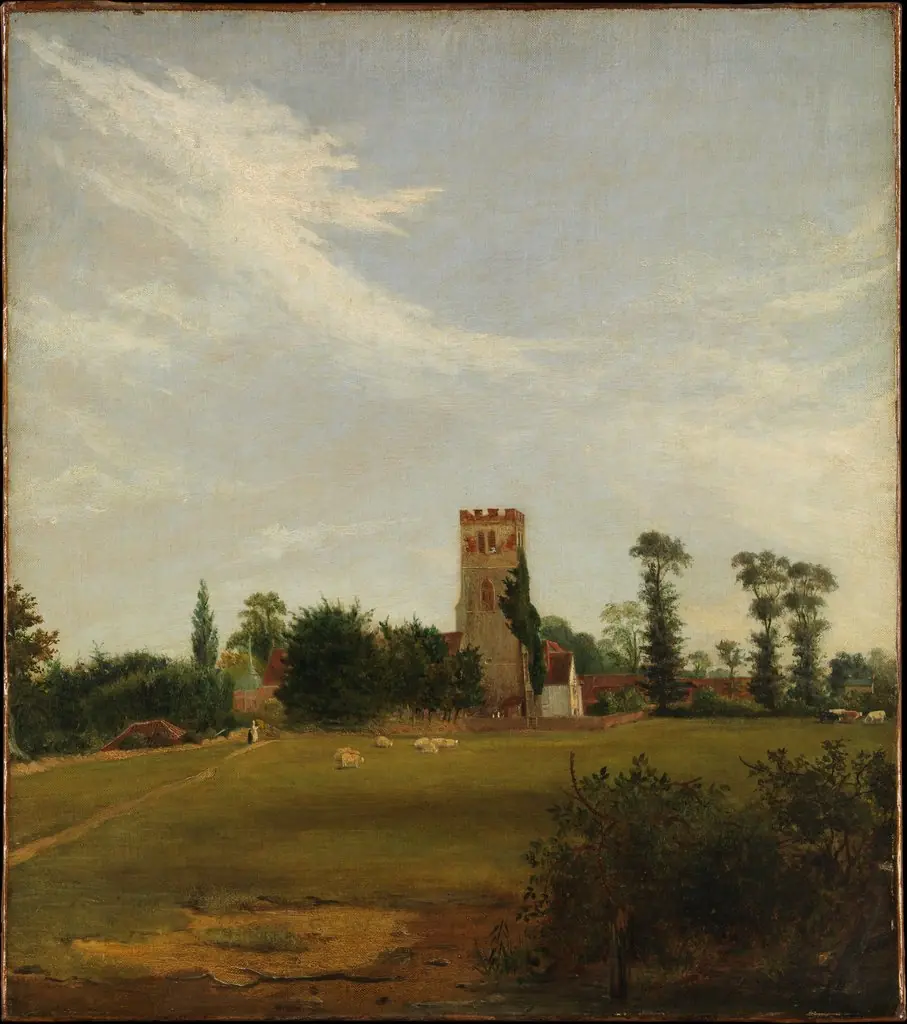
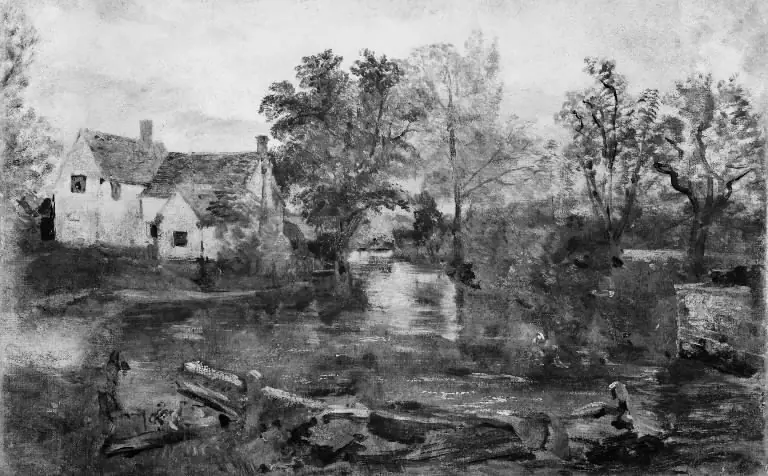
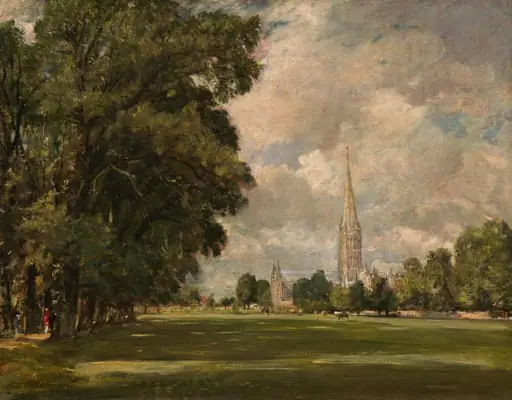
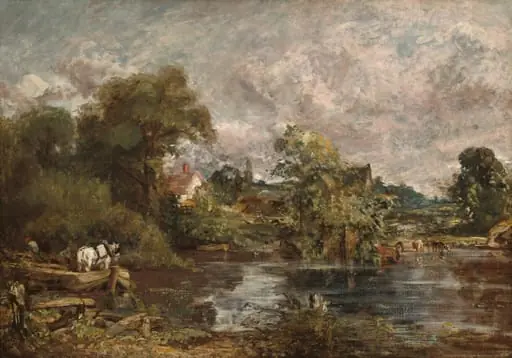
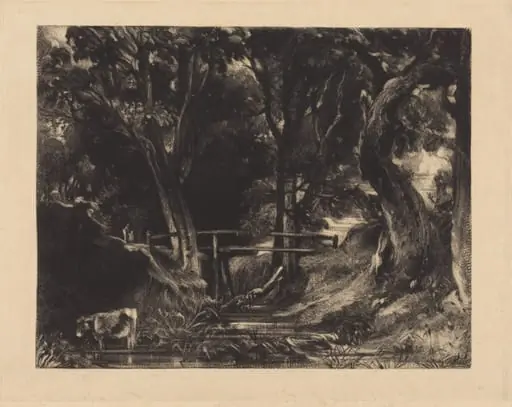 A Dell, Helmingham Park, Suffolk
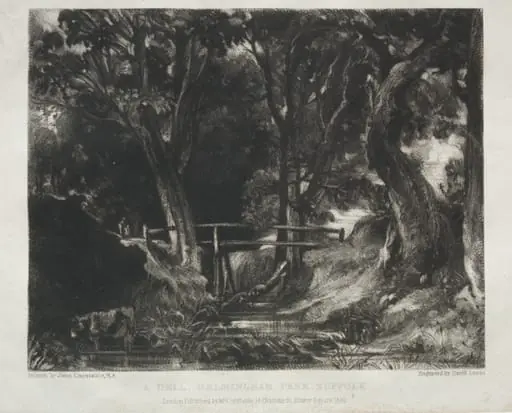 Various Subjects of Landscape, Characteristic of English Scenery from Pictures Painted by John Constable, R.A.: Dell in the Woods of Helmingham Park, Suffolk
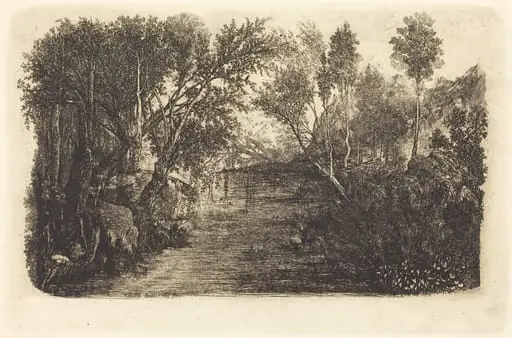 The Water's Course
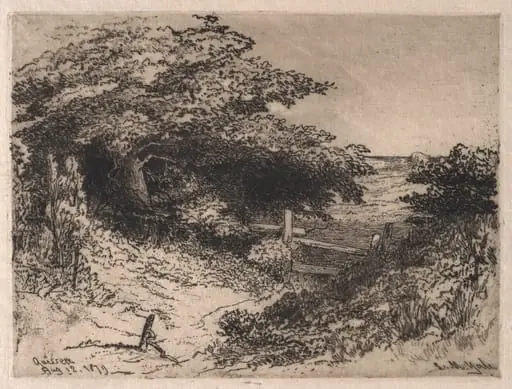 Quissett, Barnstable County, Massachusetts
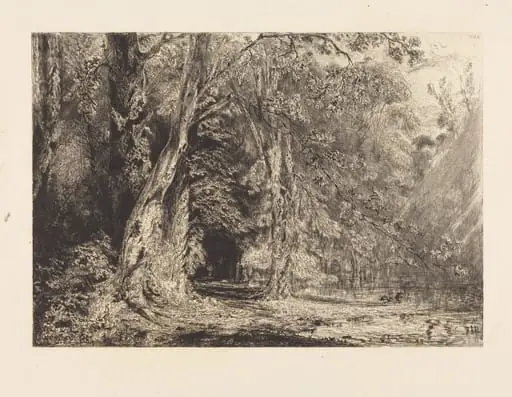 Flooding in the Forest of the Ile Séguin
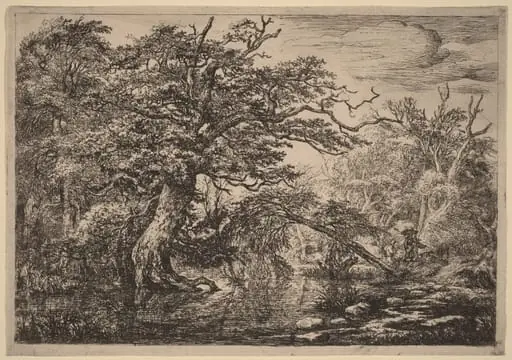 A Forest Marsh with Travelers on a Bank (The Travelers)
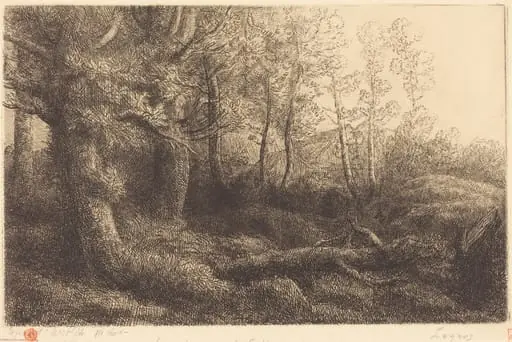 In the Forest (Lisiere de foret)
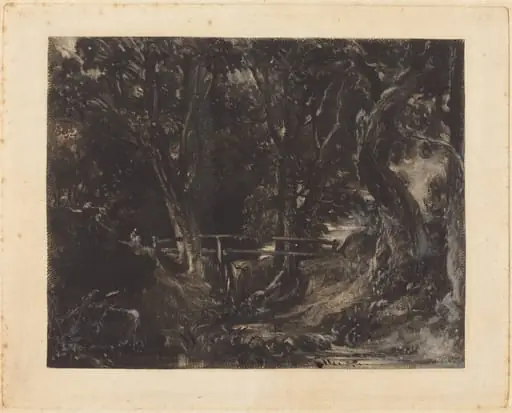 A Dell at Helmingham Park, Suffolk
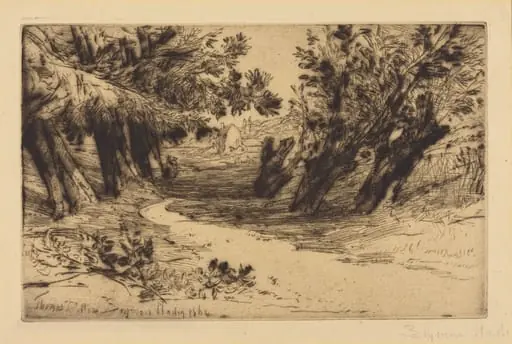 The Lovers' Walk, No.2
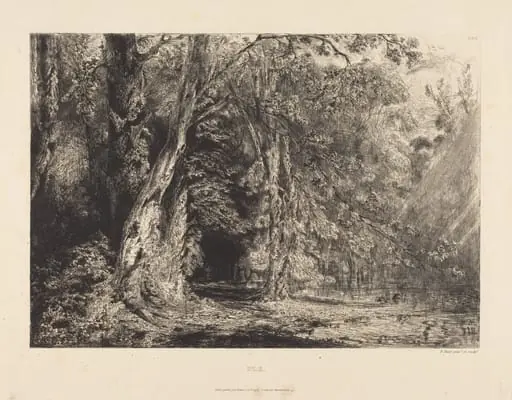 L'Ile Séguin in Flood
 A DELL, HELMINGHAM PARK, SUFFOLK
 A MILL. NEAR BRIGHTON