Artwork
YARMOUTH, NORFOLK
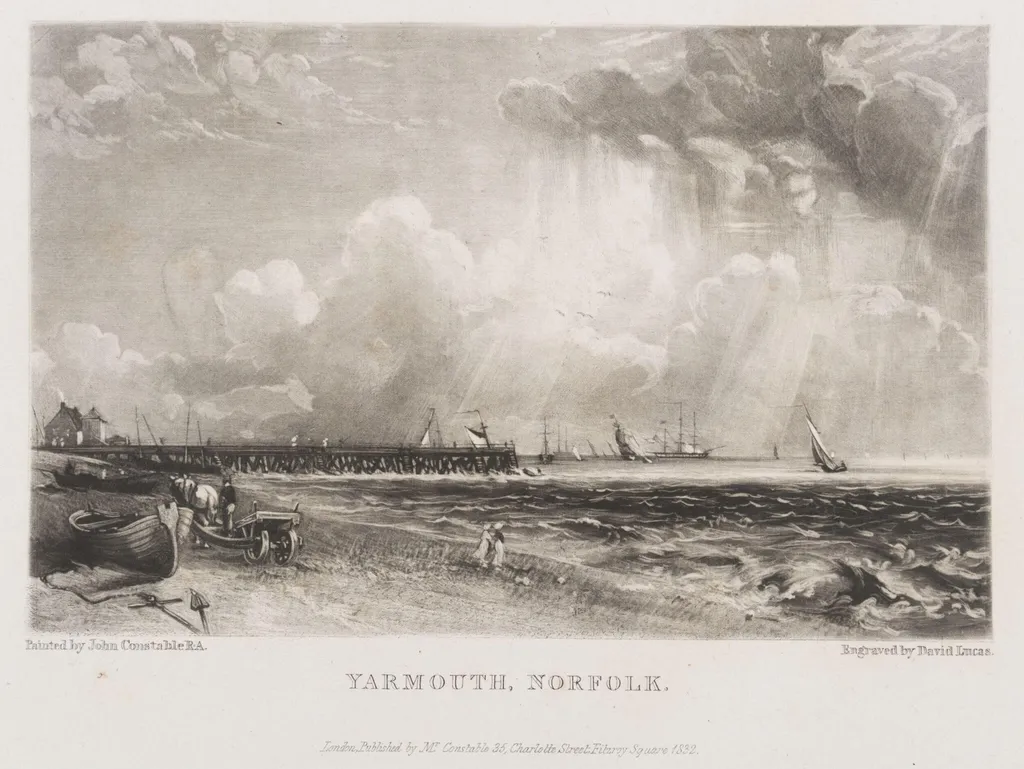
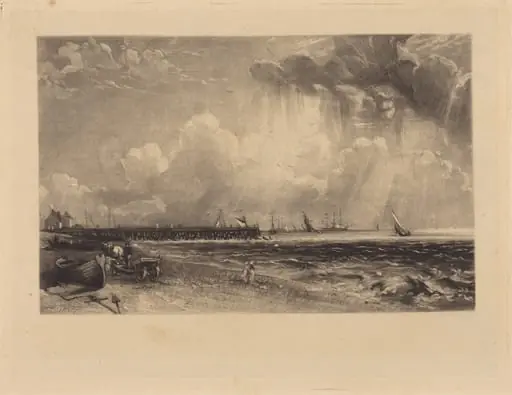
YARMOUTH, NORFOLK is a print by the Romanticist artist John Constable. It dates from 1832 and is held in the collection of the Victoria and Albert Museum.
About this work
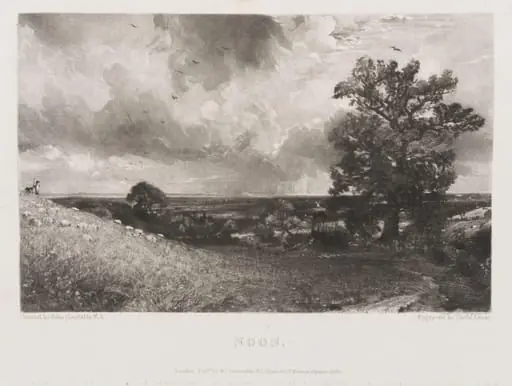
John Constable’s print *Yarmouth, Norfolk* shows an English landscape scene from 1832.
John Constable’s print *Yarmouth, Norfolk* shows an English landscape scene from 1832. It’s part of a famous series he guided himself. The print was made using mezzotint, a tricky process that creates deep shades of gray.
The series had 22 landscape prints. Constable picked works he’d already painted and oversaw each step. This print came out just before his death in 1837.
Check out the Victoria and Albert Museum for more.
Overview
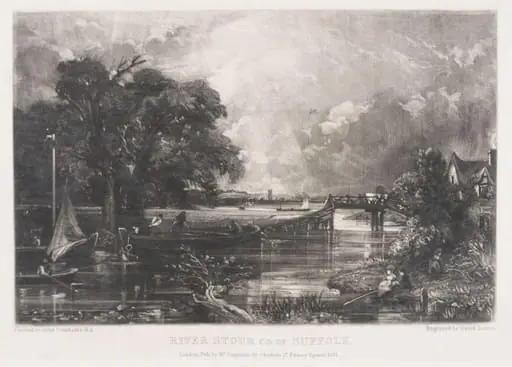
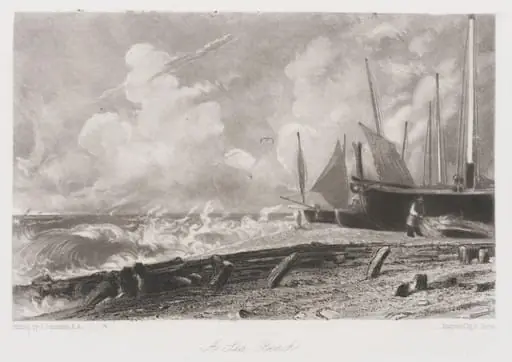
Yarmouth, Norfolk is one of twenty-two mezzotint prints produced between 1830 and 1832 under John Constable’s direct supervision. Part of the series English Landscape, it reproduces a landscape he originally painted, translated into tonal gradations through the labor-intensive mezzotint technique. Constable collaborated closely with engraver David Lucas to ensure fidelity to his vision, treating the prints not as mere reproductions but as independent expressions of his artistic philosophy.
Subject & Meaning
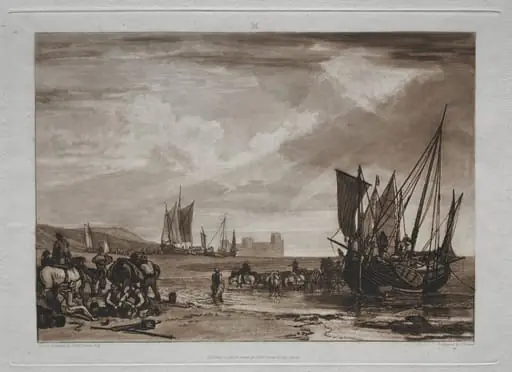
The print depicts the coastal town of Yarmouth in Norfolk, capturing its quiet maritime atmosphere with a focus on sky, sea, and shifting light. Constable selected this scene for its personal resonance and its embodiment of natural rhythm. He intended the series to convey the emotional and structural power of light and shadow in English countryside, positioning nature not as backdrop but as an active, guiding force in composition.
Technique & Style
Mezzotint, a method involving roughened copper plates scraped and burnished to create tones, allowed for rich, velvety blacks and subtle transitions between light and dark. Lucas, under Constable’s guidance, adapted the technique to mimic the brushwork and atmospheric effects of the original oils. The result is a print that retains the softness and depth of Constable’s sketches, emphasizing mood over detail.
History & Provenance
Published in six installments between 1830 and 1832, the series was revised by Constable in 1833. After his death in 1837, Lucas continued to print and occasionally add new plates using the original copper. Yarmouth, Norfolk was issued in 1832, near the end of Constable’s life, and remains among the most carefully controlled reproductions of his work, reflecting his lifelong effort to secure recognition for his approach to landscape.
Context
Constable drew inspiration from the tonal harmonies of Claude Lorrain and the dramatic skies of J.M.W. Turner, yet sought to ground his vision in the specific, observed reality of English countryside. At a time when landscape painting was undervalued compared to historical or portrait subjects, he used the series to assert the dignity and complexity of everyday natural scenes, aligning them with enduring artistic traditions.
Legacy
The English Landscape series established mezzotint as a legitimate medium for fine art reproduction in Britain. Constable’s insistence on artistic control over the printing process set a precedent for later printmakers. Though commercially modest in its time, the series is now recognized as a pivotal document of 19th-century British landscape theory and a testament to Constable’s enduring commitment to naturalism.
Artist & collection
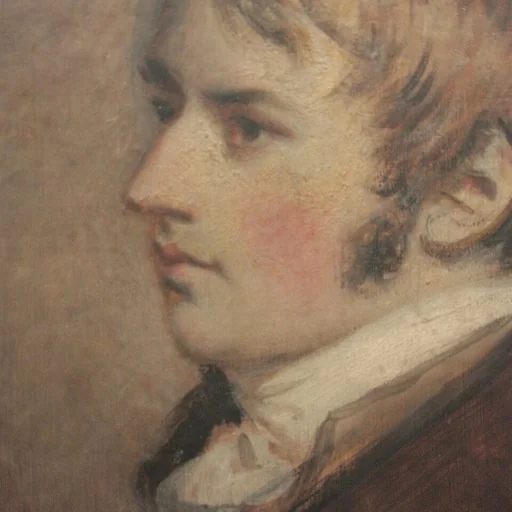
Artist
John Constable (; 11 June 1776 – 31 March 1837) was an English landscape painter in the Romantic tradition.