Artwork
Mrs. Tyng
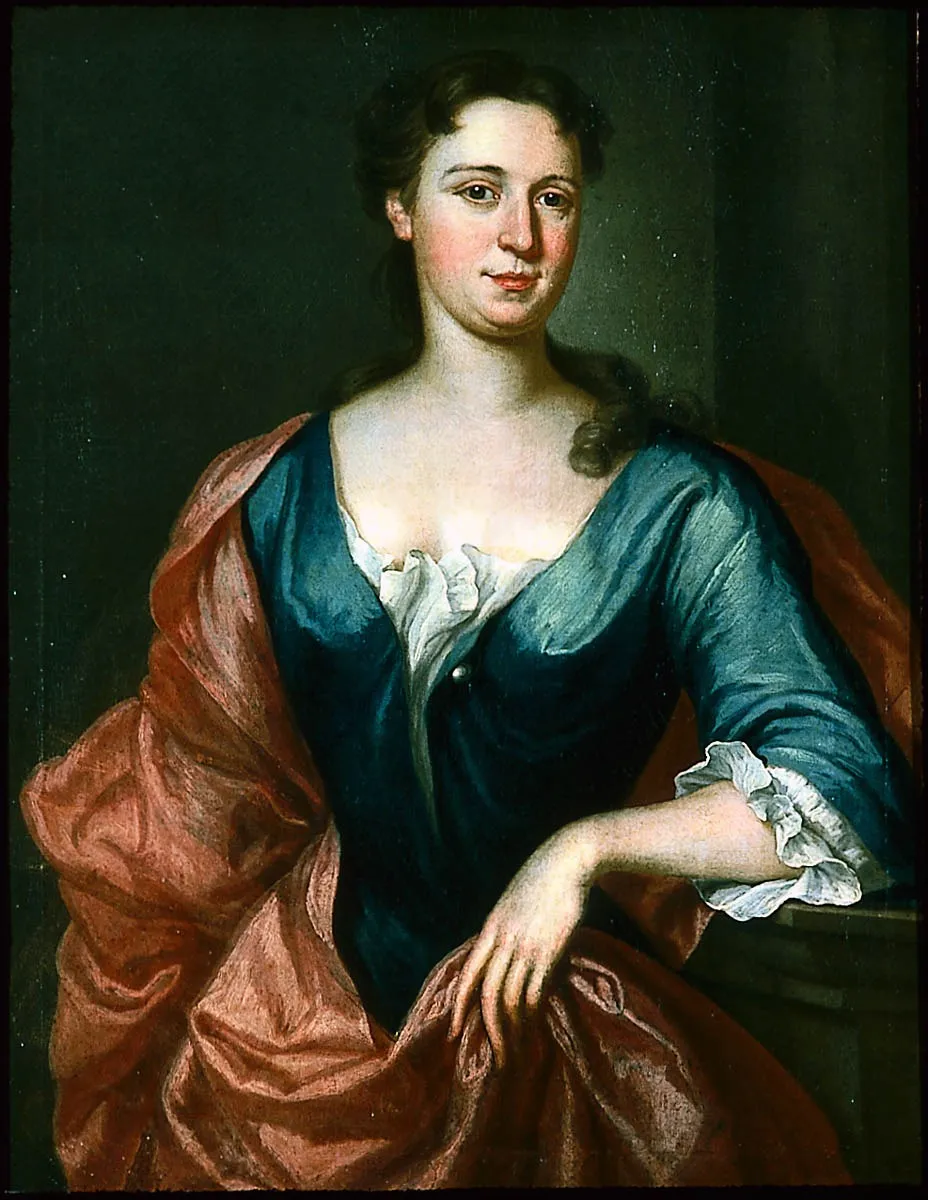
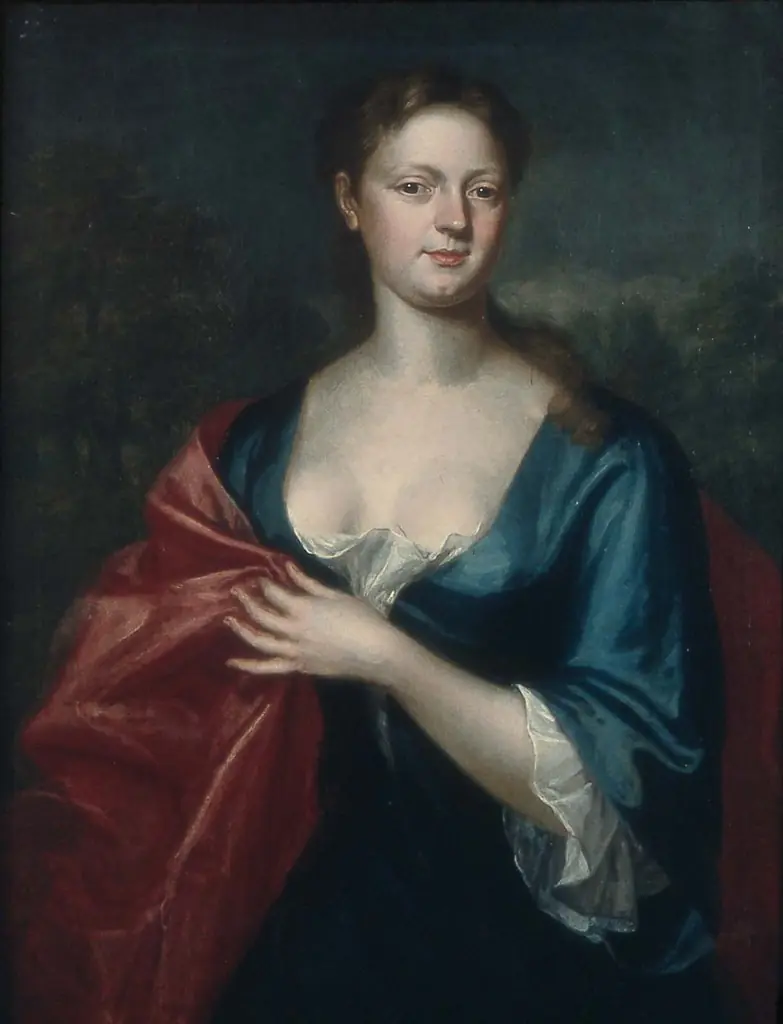
Mrs. Tyng is an oil painting by the Rococo painting artist John Smibert. It dates from 1729 and is held in the collection of the Museum of Fine Arts Boston.
About this work
Overview
Smibert, trained in Europe, was among the first artists in the region to bring formal academic techniques to portraiture.
Painted in 1729 by John Smibert, *Mrs. Tyng* is an oil portrait executed in British America during the early colonial period. Smibert, trained in Europe, was among the first artists in the region to bring formal academic techniques to portraiture. The work reflects the emerging demand for refined likenesses among colonial elites and stands as a significant early example of sustained artistic practice in North America.
Subject & Meaning
The sitter, Mrs. Tyng, is portrayed with quiet composure, her direct gaze and faint smile suggesting a personal connection with the viewer. Her attire—blue dress, white lace, and a draped red shawl—conveys modest elegance, typical of affluent women of the time. The restrained pose and calm expression emphasize dignity and social standing, aligning with ideals of feminine decorum in early 18th-century colonial society.
Technique & Style
Smibert employed chiaroscuro to model the figure with subtle gradations of light and shadow, lending volume and realism to the form. The dark, neutral background isolates the subject, focusing attention on her face and garments. Delicate rendering of lace and fabric textures demonstrates attention to detail, while the overall composition follows European portraiture conventions, adapted to the limited resources available in colonial Boston.
History & Provenance
Commissioned during Smibert’s time in Boston, the portrait remained within the Tyng family for generations before entering the Museum of Fine Arts, Boston’s collection. Its preservation reflects the family’s social prominence and the painting’s value as a personal and cultural artifact. It is one of the few surviving portraits from Smibert’s American period, making it a key document of early colonial artistic life.
Context
In the early 1700s, formal portraiture was rare in British America, with most artists arriving from Europe. Smibert’s presence in Boston marked a turning point, as he introduced techniques learned in London and Italy. *Mrs. Tyng* exemplifies how colonial patrons sought to align themselves with European cultural norms through commissioned art, even amid geographic and material isolation.
Legacy
As one of the earliest surviving portraits by a formally trained artist in the colonies, *Mrs. Tyng* helped establish a precedent for American portraiture. Smibert’s work influenced subsequent artists and contributed to the development of a local artistic tradition. The painting remains a vital reference for understanding the intersection of European aesthetics and colonial identity in early American visual culture.
Artist & collection
Artist
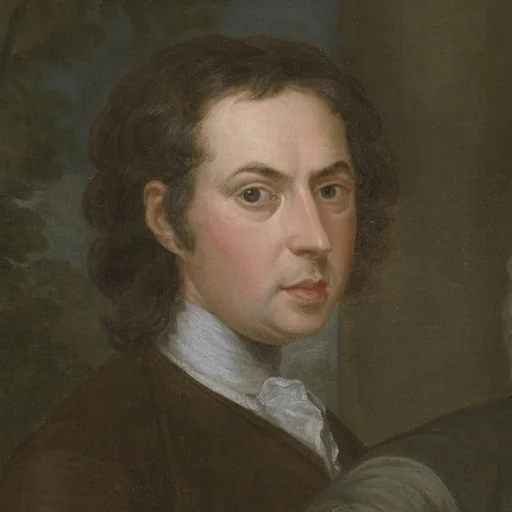
John Smibert (24 March 1688 – 2 April 1751) was a Scottish-born painter who specialised in portrait painting and was the first academically trained artist to work in British America.

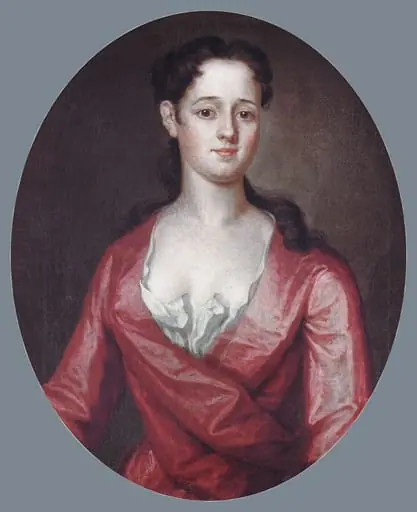
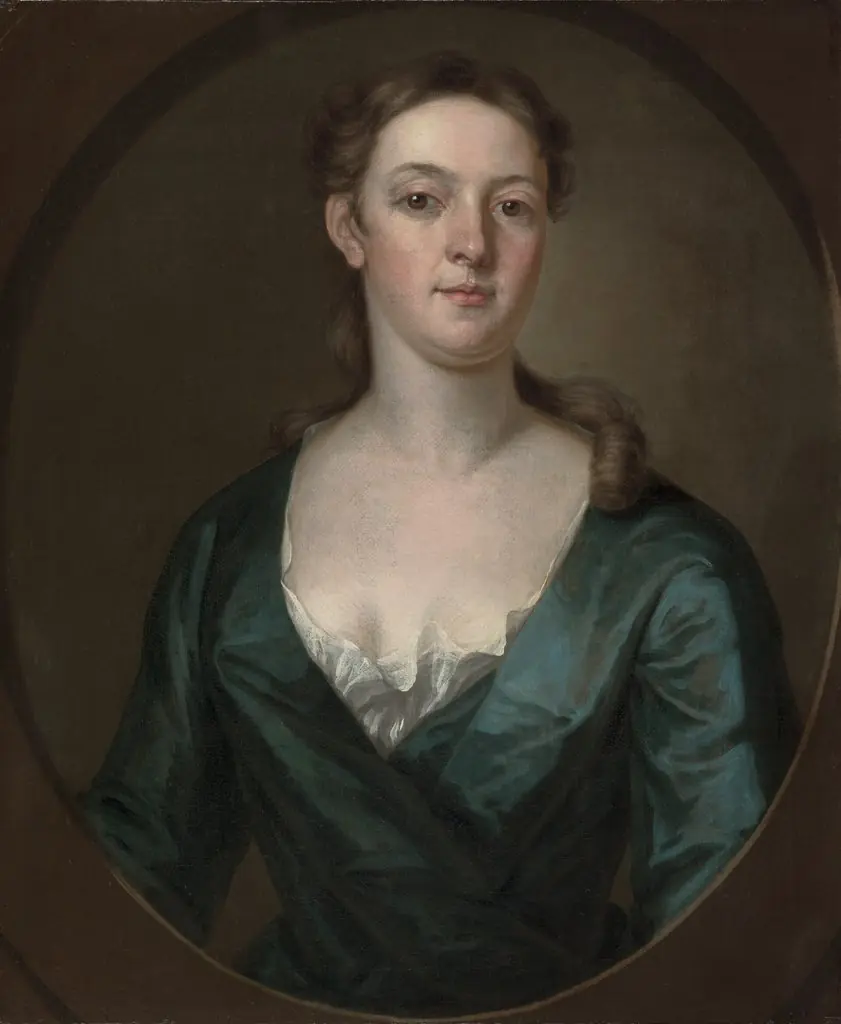

 Mrs. William Dudley (Elizabeth Davenport)
 Barbara, Countess of Pembroke & Mont
 Portrait of Mary Pemberton (1717–1763)
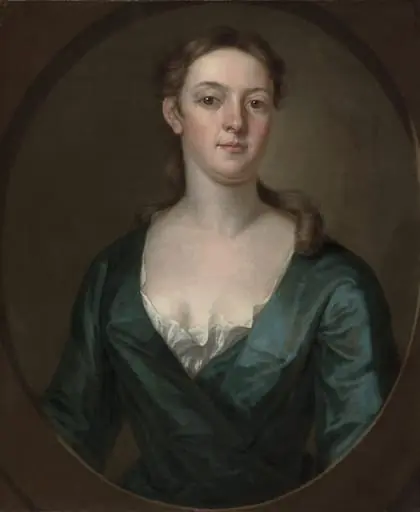 Portrait of a Woman (Judith Colman Bulfinch?)
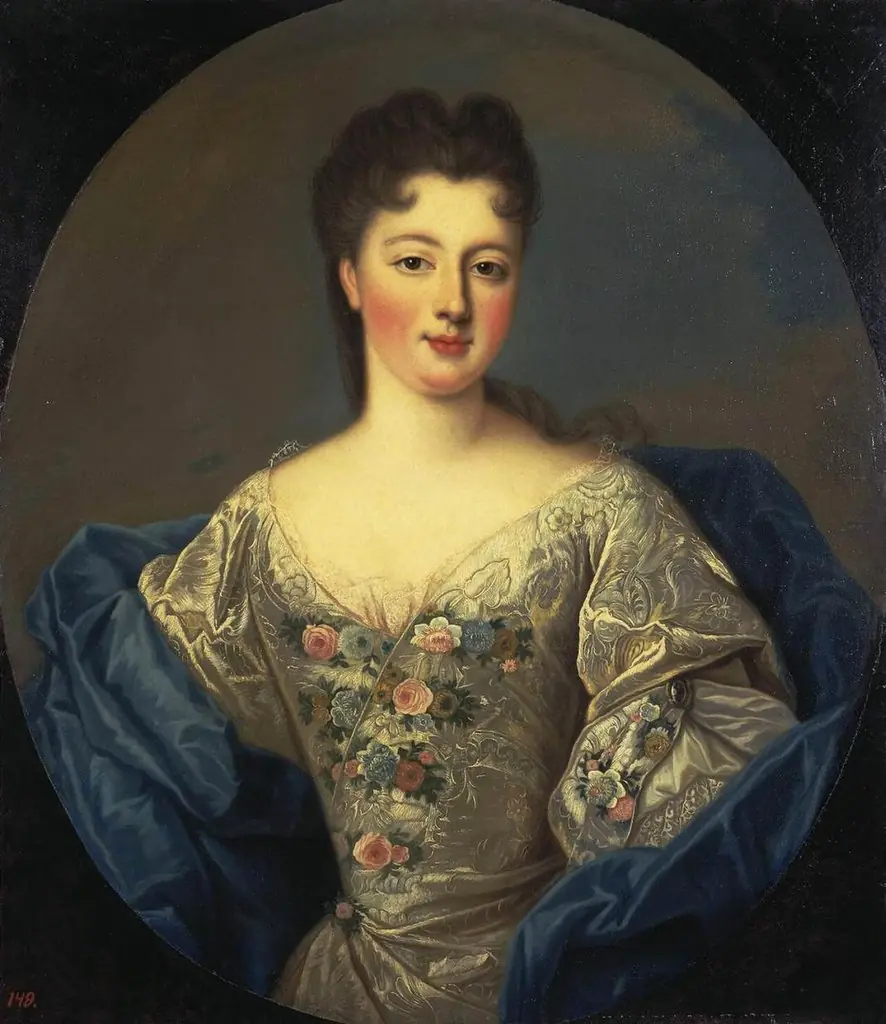 Portrait of Luiza Adelaida of Orleans
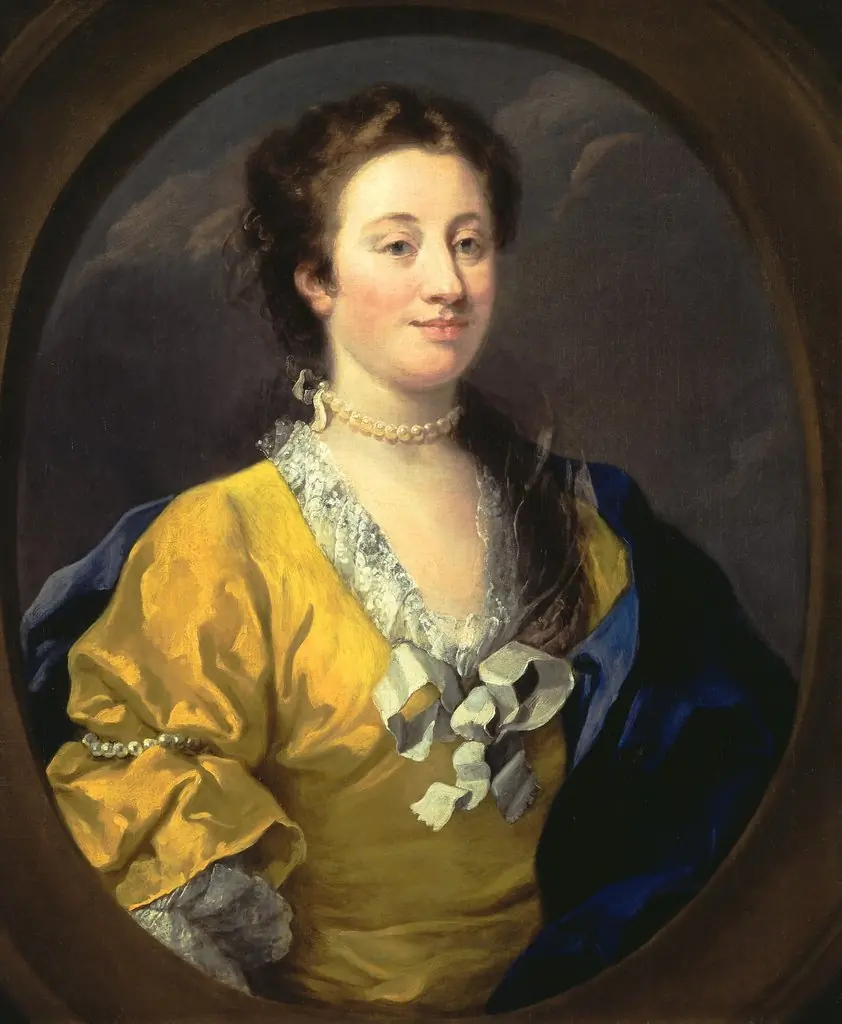 Portrait of a Lady
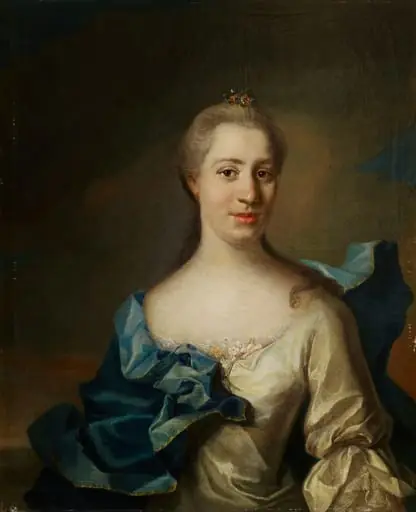 Maria Charlotta Silfverstjerna
 Portrait de Suzanne de Boubers de Bernâtre, épouse de Balthasar Keller
 Portrait of Agnes Catherina Hoeuft (1689-1758)
 Portrait of a Lady
 Mrs. Bridget Ottley