Artwork
Tor. Study for Aegir’s Feast
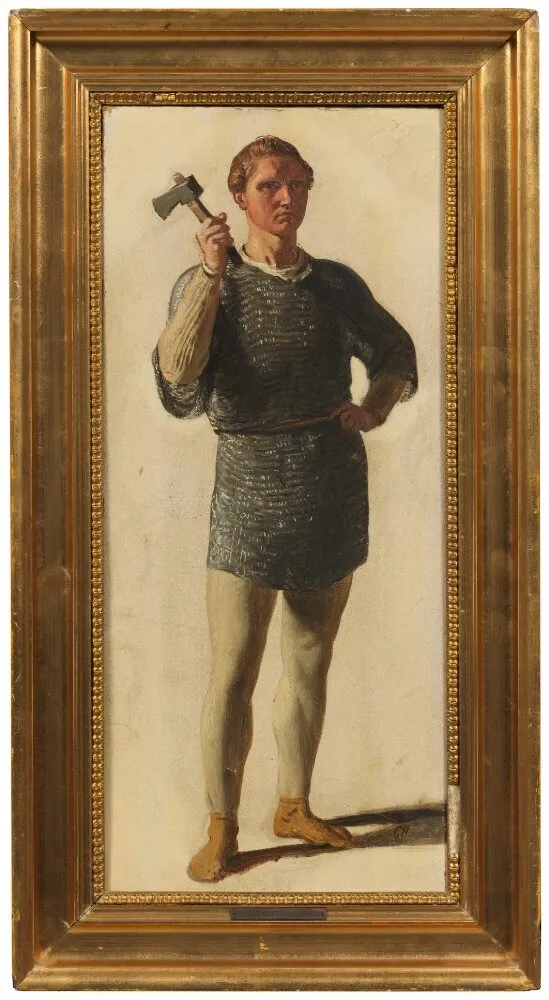
Tor. Study for Aegir’s Feast is an unspecified painting by Constantin Hansen. It dates from 1857 and is held in the collection of the Nationalmuseum.
About this work
Overview
As part of a series of sketches and studies, it reveals his methodical process in developing complex narrative scenes rooted in Scandinavian tradition.
Painted in 1857 by Constantin Hansen, this study is a preparatory work for a larger mythological composition centered on Norse legend. It reflects Hansen’s dedication to historical and literary subjects, shaped by the scholarly guidance of Niels Laurits Høyen. As part of a series of sketches and studies, it reveals his methodical process in developing complex narrative scenes rooted in Scandinavian tradition.
Subject & Meaning
The figure represents Thor, the Norse god of thunder, identified by the hammer he holds—a symbol of both divine power and artisanal craft. His grounded posture and direct gaze convey authority and composure. Though drawn from myth, the rendering avoids idealization, presenting the deity with the physical presence of a laborer, aligning with 19th-century efforts to ground myth in tangible human experience.
Technique & Style
Hansen employed a restrained palette of earth tones and muted shadows to emphasize form over ornament. The figure is rendered with careful attention to anatomical structure and weight, suggesting a study from life. Brushwork is controlled yet expressive, focusing on the solidity of the body and the texture of fabric, reinforcing the subject’s physicality and presence within the pictorial space.
History & Provenance
Created as part of Hansen’s extended engagement with Norse themes, the study remained within the artist’s circle before entering the Nationalmuseum’s collection. Its preservation reflects its role as a critical step in the development of a planned, large-scale mythological painting that was never fully realized. The work’s survival underscores its value as a document of Hansen’s creative process.
Context
In mid-19th-century Denmark, a national revival of interest in pre-Christian heritage influenced artists to turn to Norse sagas and legends. Hansen, aligned with this movement, sought to elevate mythological subjects through rigorous study and historical fidelity. This study exemplifies how artists of the time balanced scholarly research with visual storytelling to forge a distinct national artistic identity.
Legacy
Though the final composition was never completed, this study endures as a testament to Hansen’s disciplined approach to mythological painting. It contributes to the broader understanding of how Danish artists negotiated classical ideals with indigenous narratives. The work remains a key reference in the history of Scandinavian art, illustrating the intersection of scholarship, identity, and visual practice.
Artist & collection
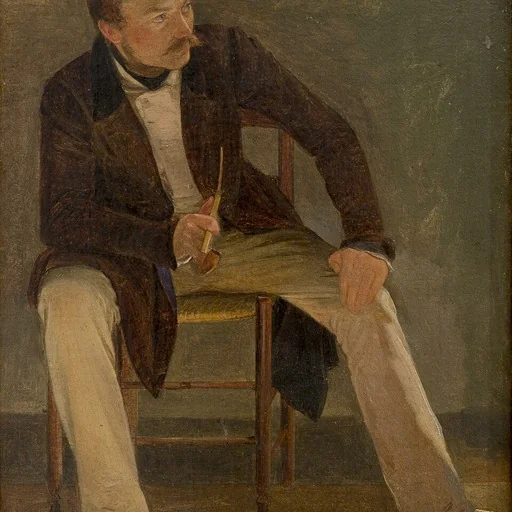
Artist
Carl Christian Constantin Hansen (Constantin Hansen) (3 November 1804 – 29 March 1880) was one of the painters associated with the Golden Age of Danish Painting.

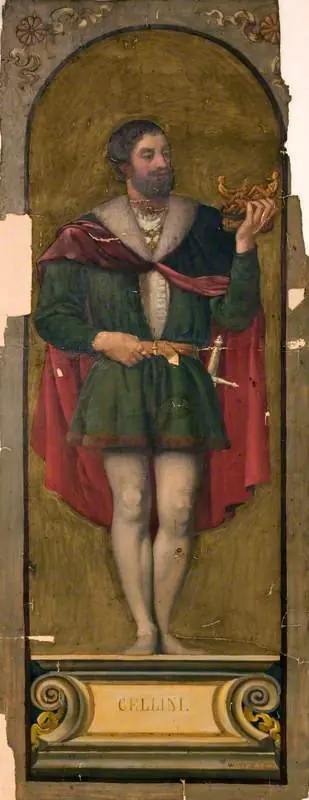 Benvenuto Cellini (1500–1571) (design for a mosaic in the Victoria and Albert Museum)
 Student
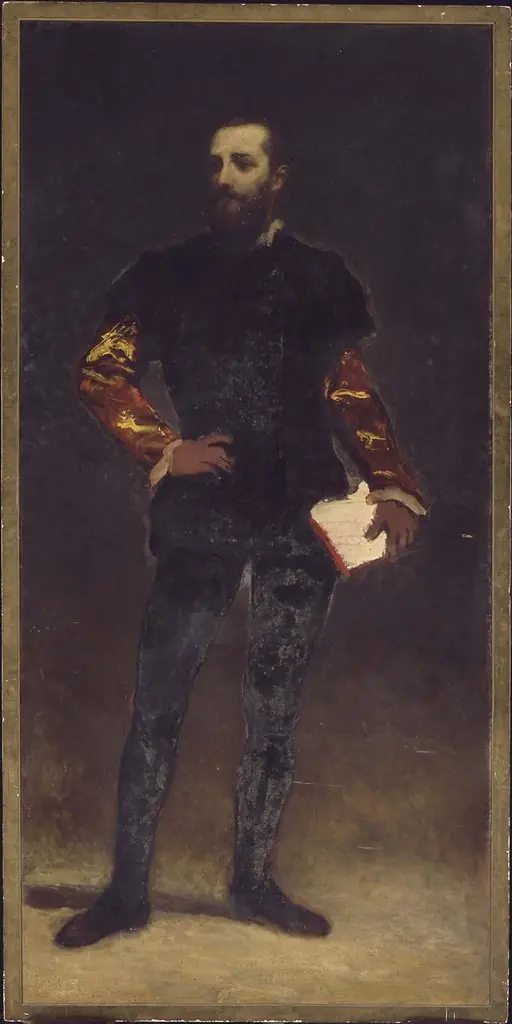 Felix Regamy
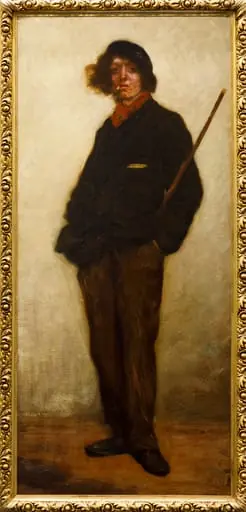 Ștrengarul
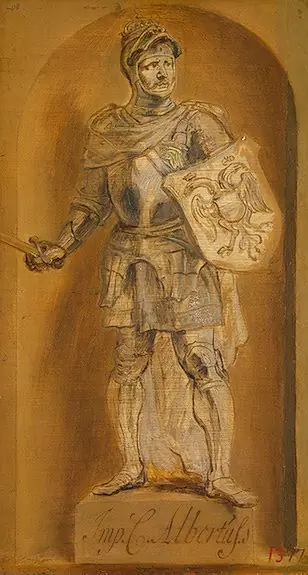 Statue of Albert I in a niche
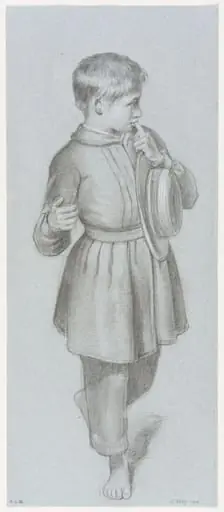 Study of the boy with his finger in his mouth for <i>Sunday Morning: Walk from Church</i>
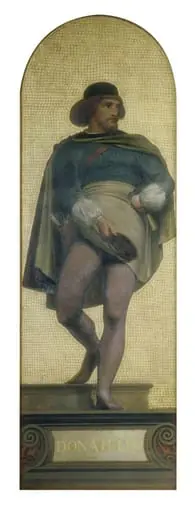 Donatello: design for a mosaic in the Museum (the 'Kensington Valhalla')
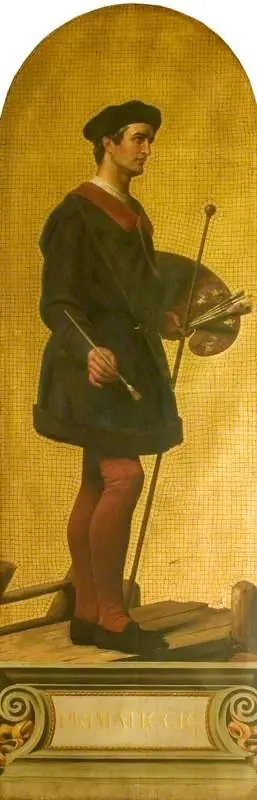 Francesco Primaticcio (1504–1570) (design for a mosaic in the Victoria and Albert Museum)
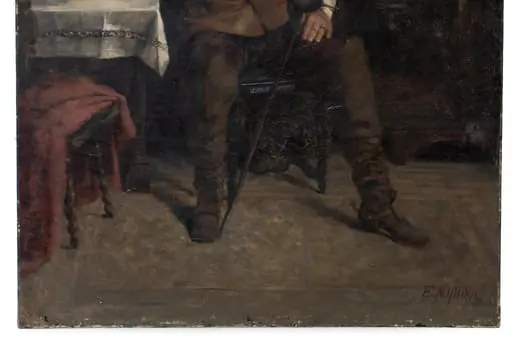 Un cavaler - Porthos
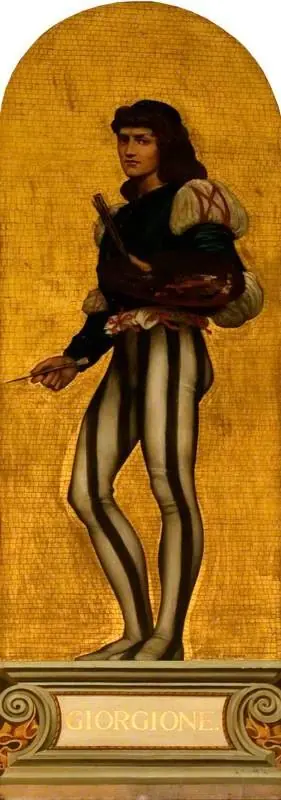 Giorgione (c.1477–1510) (design for a mosaic in the Victoria and Albert Museum)
 Zrinyi la Roma
 Loki. Study for Ægir’s Feast