Artwork
John Selden, Jurist and Antiquary
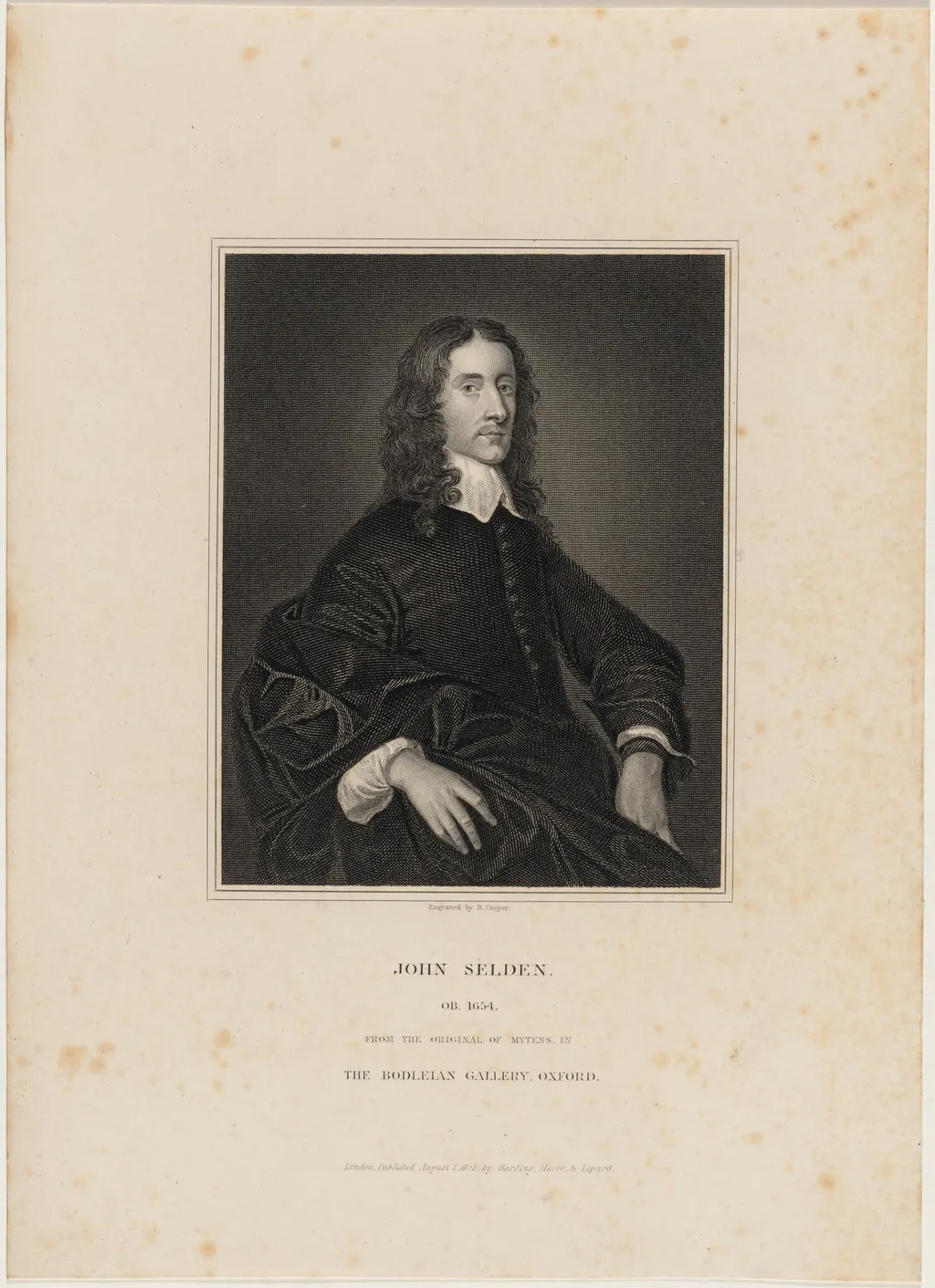
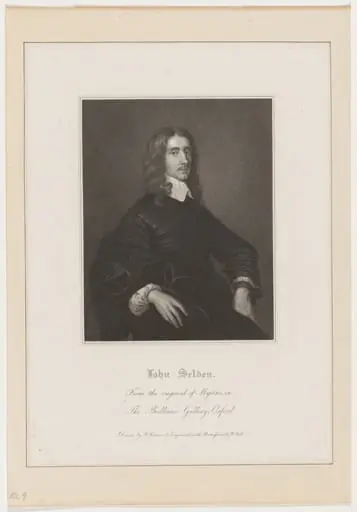
John Selden, Jurist and Antiquary is an ink print by the Romanticist artist Robert Cooper. It dates from 1806 and is held in the collection of the National Gallery of Art.
About this work
Overview
The technique relies on fine dots and incised lines to model light and shadow, a method widely used for reproducing likenesses before the advent of photography.
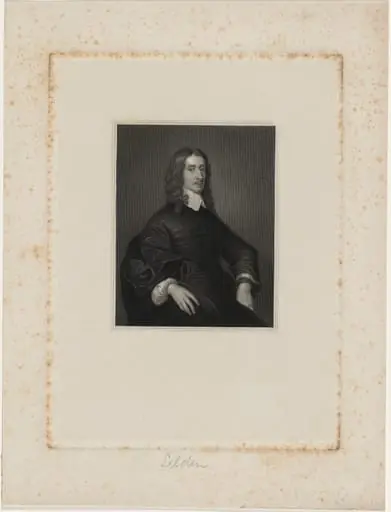
This black-and-white print, created in 1806 by Robert Cooper, depicts John Selden, a prominent English legal scholar and antiquarian. Executed in stipple and line engraving, the portrait captures Selden in formal attire with a composed expression. The technique relies on fine dots and incised lines to model light and shadow, a method widely used for reproducing likenesses before the advent of photography. The plain background directs attention entirely to the figure.
Subject & Meaning
John Selden was a leading legal thinker and collector of historical documents in 17th-century England. The portrait presents him not as a public official but as a scholar: hands clasped over the chest, suggesting contemplation and intellectual authority. His curled hair and sober attire reflect the dress of learned men of his era. The image conveys dignity through restraint, aligning with his reputation as a meticulous researcher rather than a flamboyant figure.
Technique & Style
Cooper employed stipple engraving, using small dots to build tonal gradations, combined with fine linear strokes for definition. This method allowed for subtle modeling of skin and fabric without the bold contrasts of etching or mezzotint. The precision of the lines emphasizes texture in the lace cuffs and the softness of Selden’s hair. The restrained palette and lack of decorative elements reflect the print’s purpose as a scholarly portrait, not a decorative piece.
History & Provenance
The engraving was produced in 1806, nearly a century after Selden’s death, likely as part of a broader effort to commemorate notable English figures. It was probably issued as a standalone print or included in a collection of biographical portraits. No record suggests it was commissioned by Selden’s family, indicating its creation was driven by historical interest rather than personal legacy.
Context
In the early 19th century, there was growing public interest in England’s legal and intellectual heritage. Engravings of historical figures like Selden served to educate and inspire, especially among legal professionals and antiquarians. The use of stipple engraving aligned with contemporary tastes for refined, detailed portraiture, bridging the gap between the 17th-century subject and the 19th-century viewer through a technique that emphasized clarity and dignity.
Legacy
This print remains one of the most recognizable visual representations of John Selden, despite being created long after his lifetime. It has been reproduced in legal and historical publications, helping to standardize his image in scholarly memory. While not an original likeness, it reflects how later generations chose to remember him—as a quiet, authoritative intellect whose contributions endured beyond his era.
Artist & collection

 John Selden, Jurist and Antiquary
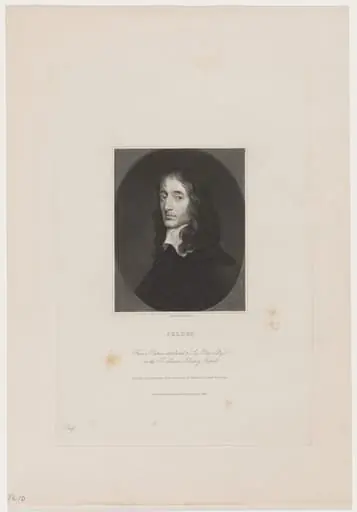 John Selden, Jurist and Antiquary
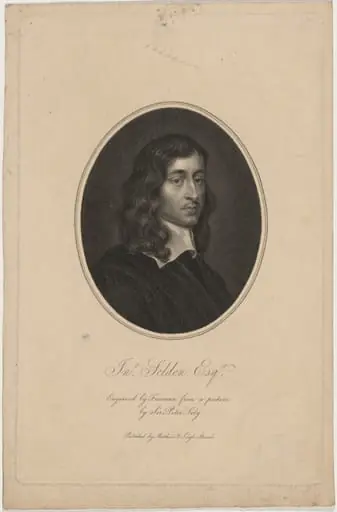 John Selden, Esquire, Jurist and Antiquary
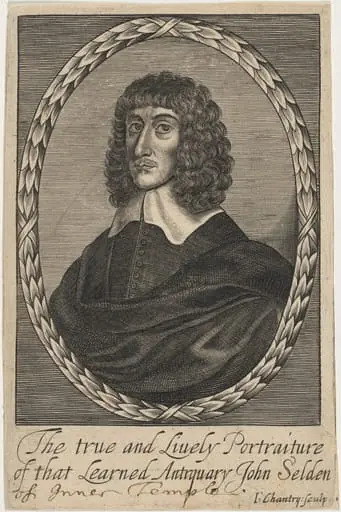 John Selden, Jurist and Antiquary
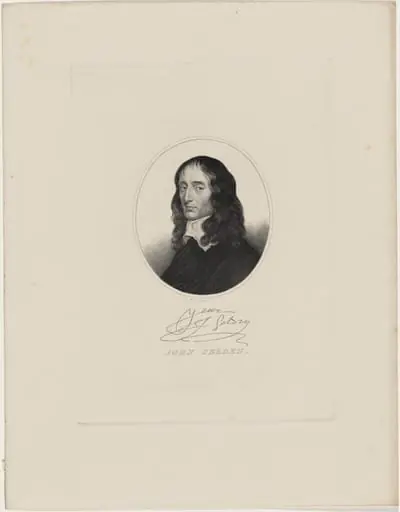 John Selden
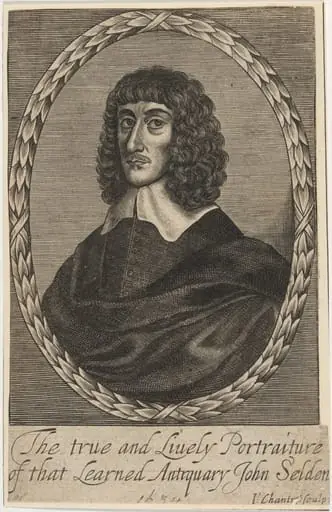 John Selden, Jurist and Antiquary
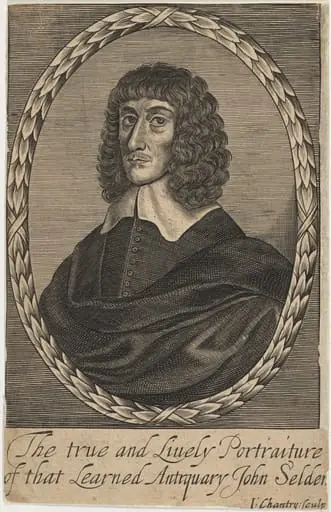 John Selden, Jurist and Antiquary
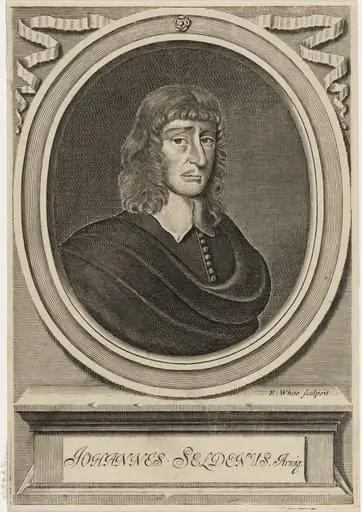 John Selden
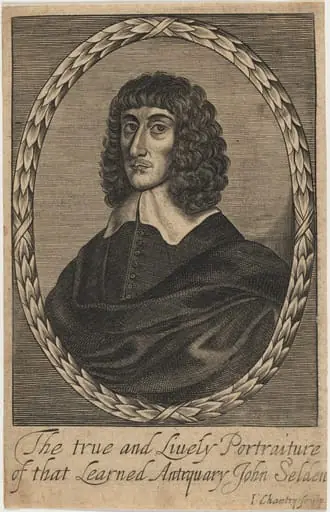 John Selden, Jurist and Antiquary
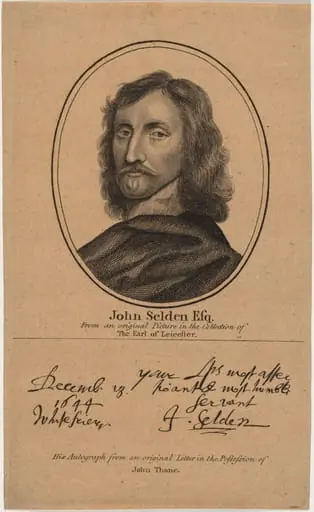 John Selden, Esq., Jurist and Antiquary
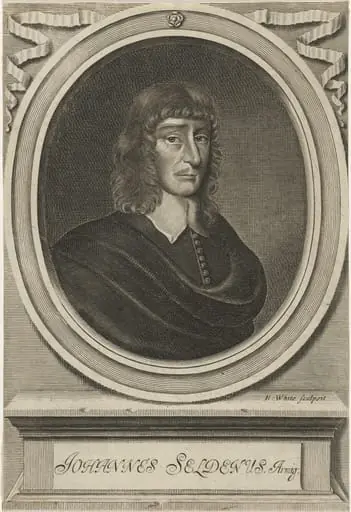 John Selden