Artwork
A heath near the coast
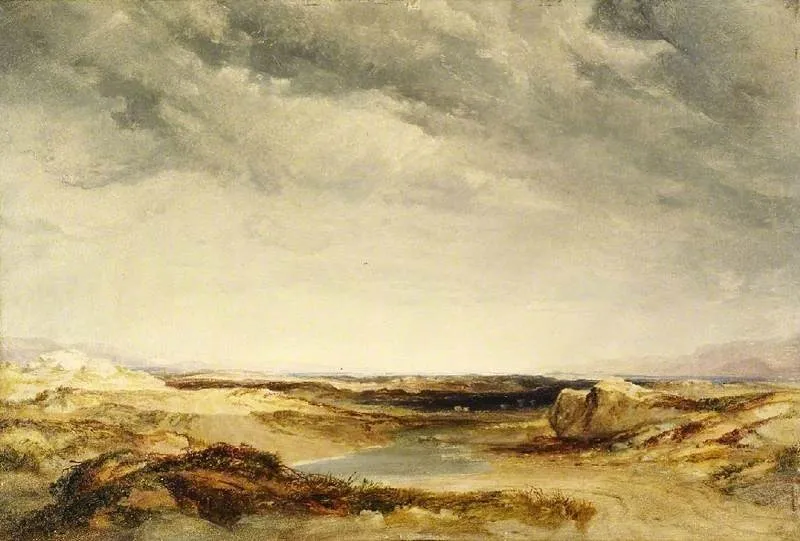
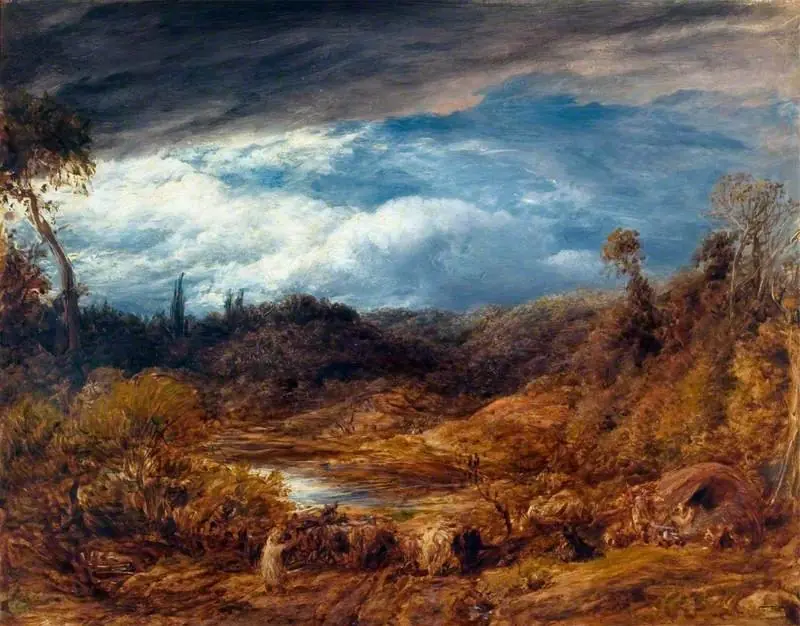
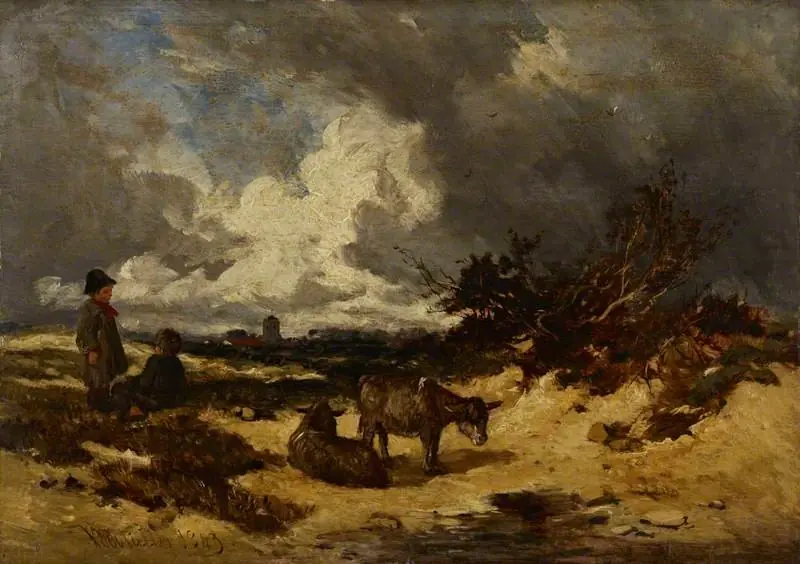
A heath near the coast is an oil painting by Copley Fielding. It dates from 1831 and is held in the collection of the Fitzwilliam Museum.
About this work
Overview
Created circa 1831, *A heath near the coast* presents a quiet coastal landscape rendered in oil. The composition opens onto a broad stretch of sand, dotted with sparse vegetation and a few prominent rocks, while a low horizon meets a sky softened by diffused cloud light. The work belongs to the collection of the Fitzwilliam Museum in Cambridge.
Subject & Meaning
The painting captures a heathland bordering the sea, emphasizing the interplay of land, rock, and atmospheric conditions. The muted palette and expansive sky suggest a tranquil, perhaps contemplative mood, inviting viewers to consider the subtle forces of wind and light that shape such a marginal environment.
Technique & Style
Although Fielding is chiefly remembered for watercolours, this oil piece demonstrates his capacity for delicate brushwork and tonal modulation. Thin, layered strokes convey the texture of sandy ground and the gentle sway of grasses, while the softened edges of clouds create depth and a sense of atmospheric perspective.
History & Provenance
Copley Fielding (1787–1855), a pupil of John Varley, rose to prominence within the Old Water‑colour Society, serving as its president from 1831 until his death. *A heath near the coast* entered the Fitzwilliam Museum’s holdings, where it remains accessible to scholars and the public as part of the museum’s British art collection.
Artist & collection

Artist
Anthony Vandyke Copley Fielding (22 November 1787 – 3 March 1855), commonly called Copley Fielding, was an English painter born in Sowerby, near Halifax, and famous for his watercolour landscapes.

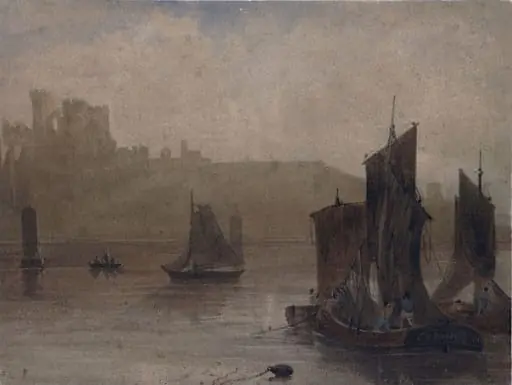
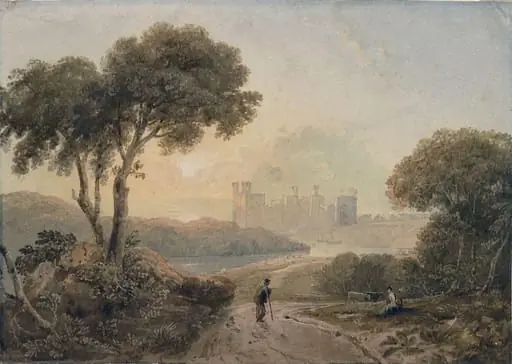
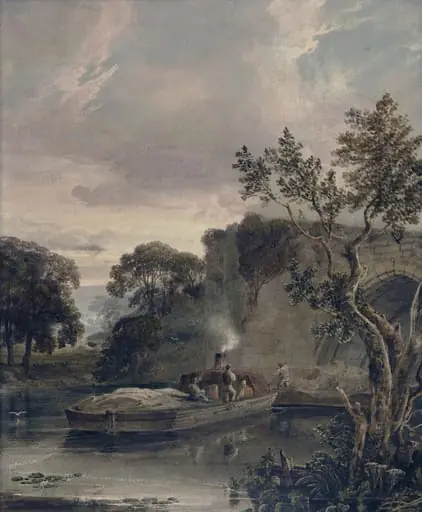
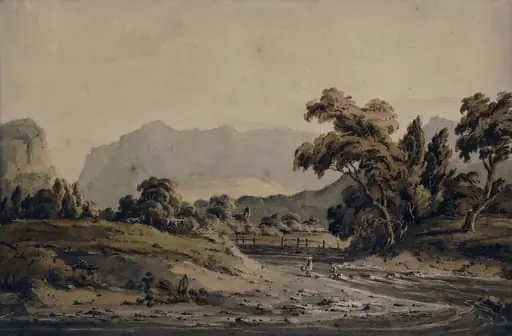
 Landscape, Driving Cattle
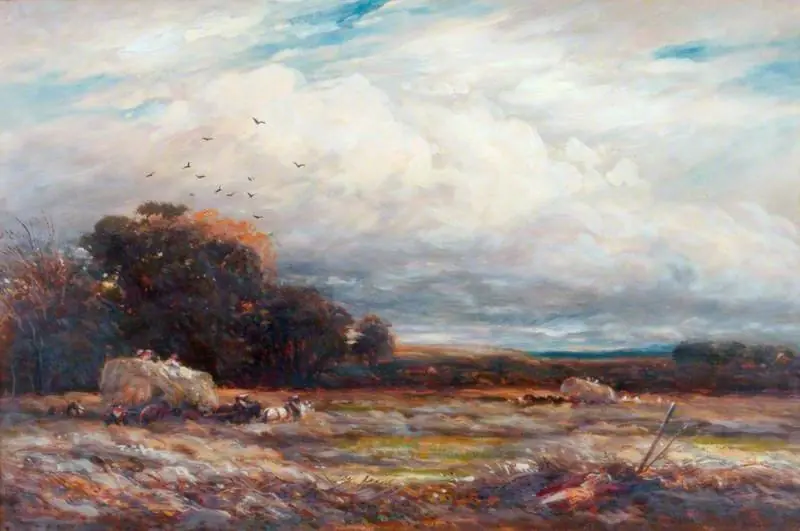 A Hayfield in Surrey
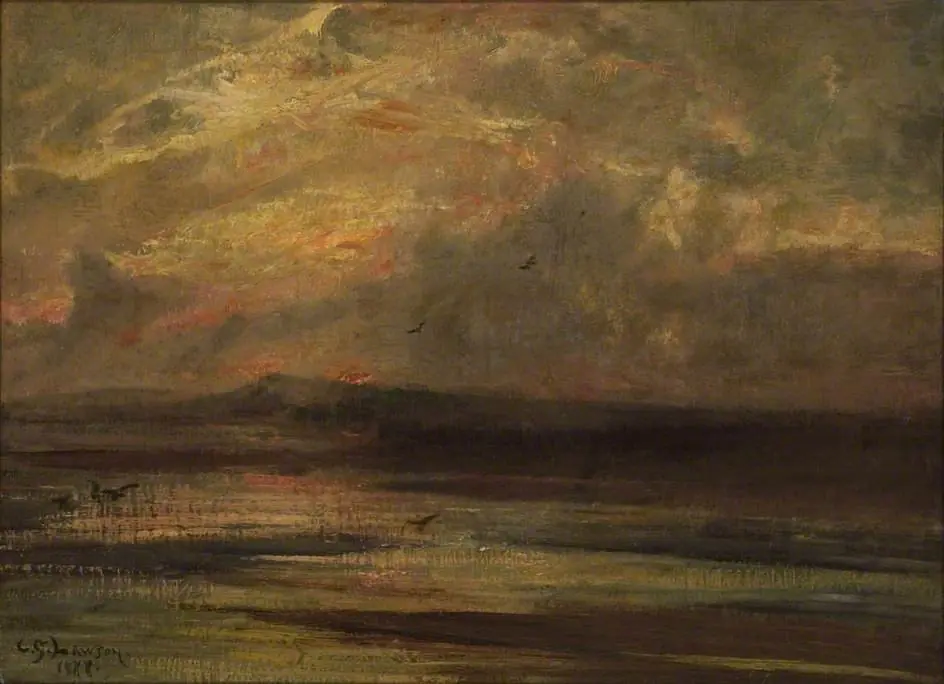 Sunset
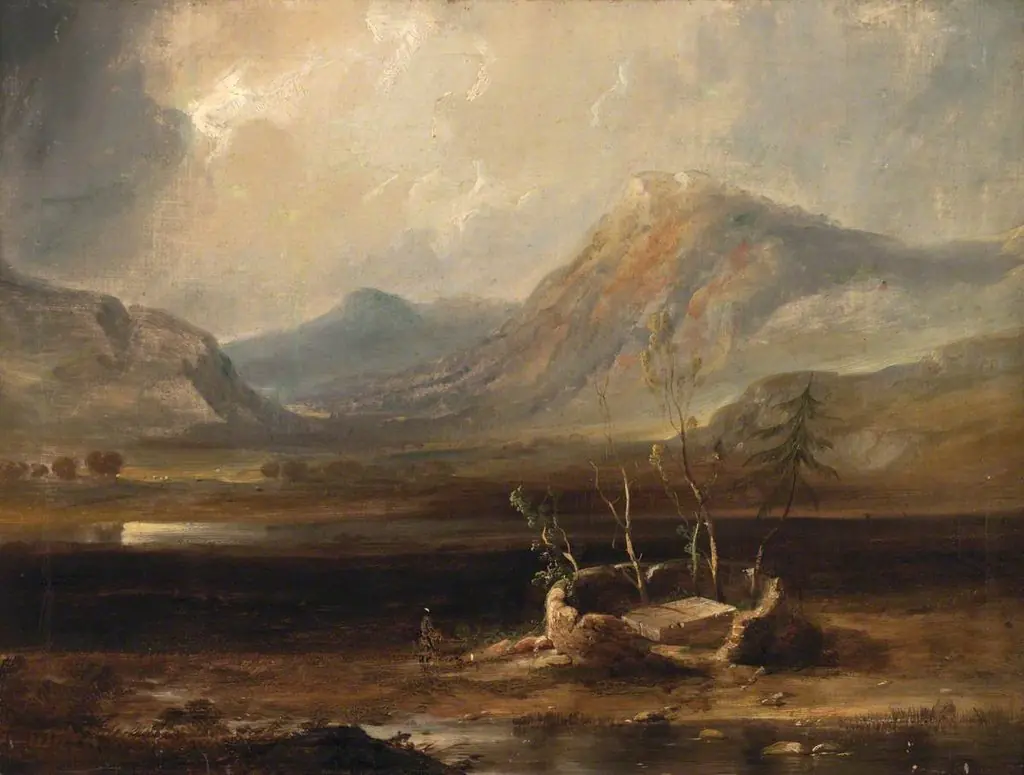 The Martyrs' Tombs in the Moss of Lochinkett
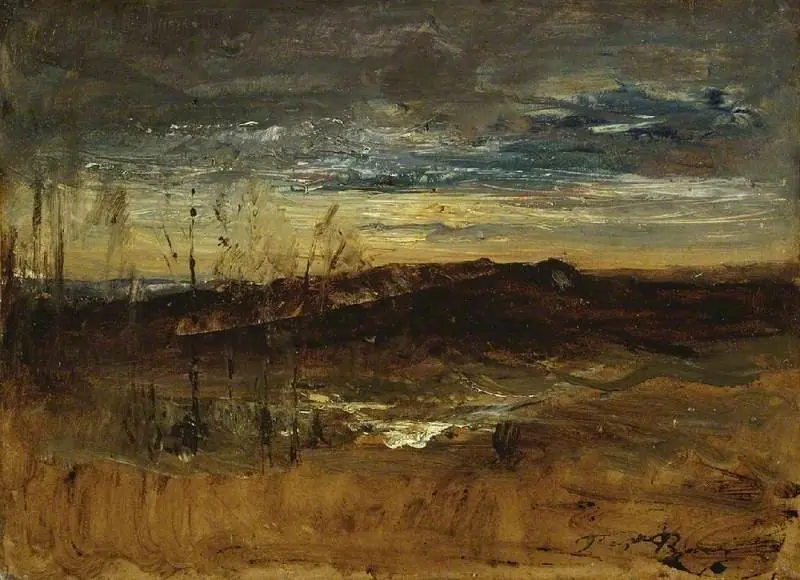 Paysage au coucher du soleil
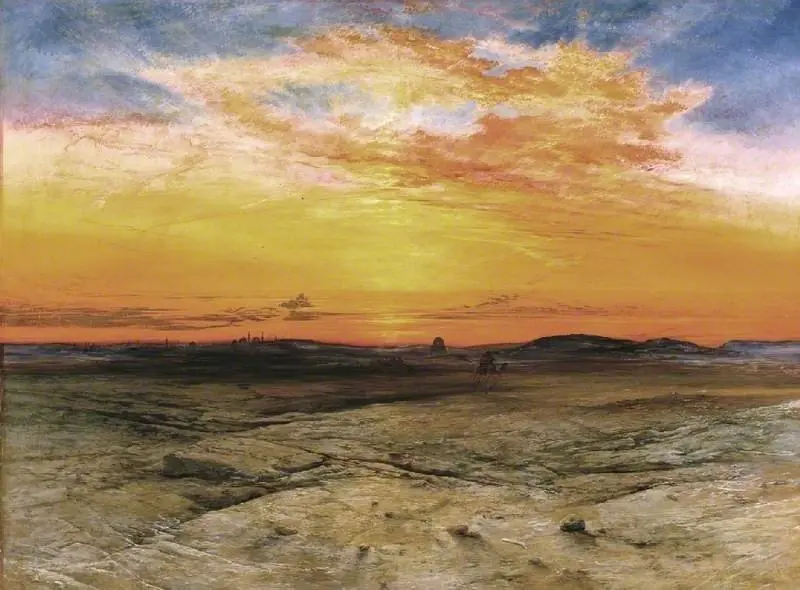 The Tombs of the Sultans near Cairo
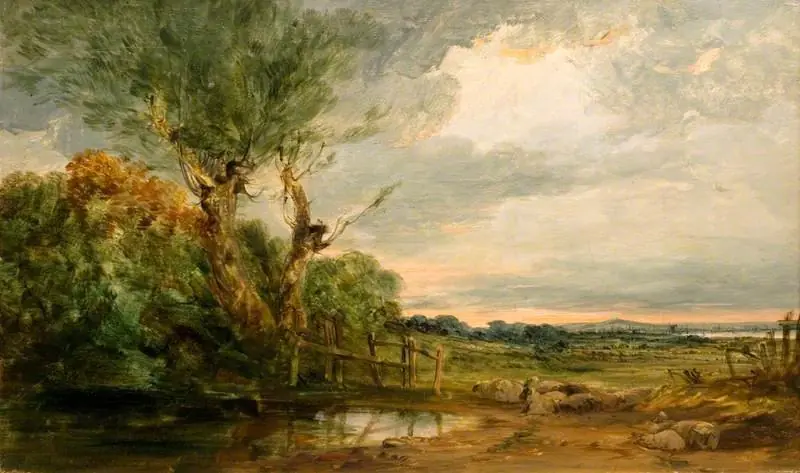 Near Blackheath: Blackwall Reach from Charlton Fields
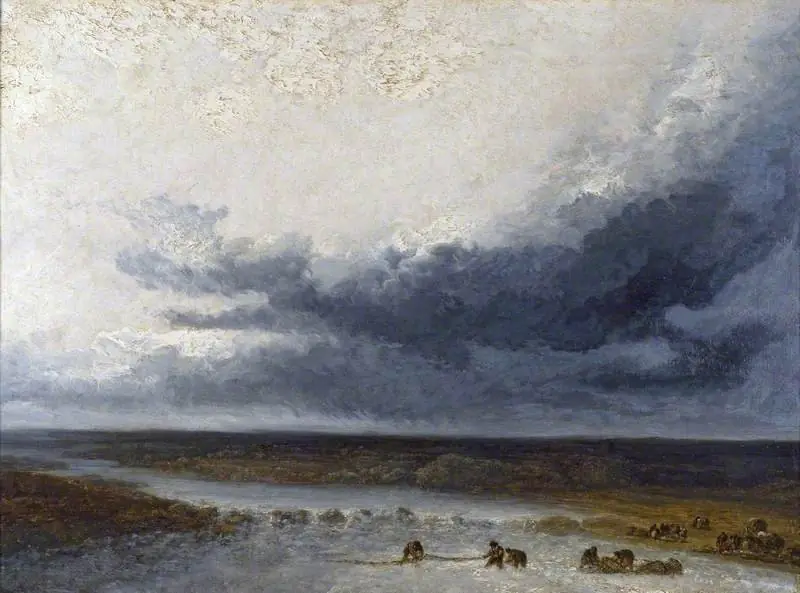 Landscape with Fishermen at the Mouth of a River
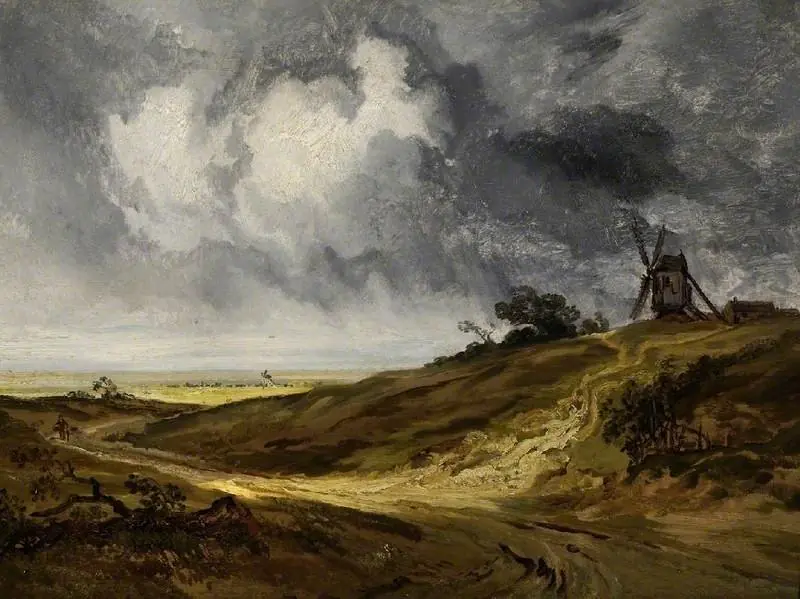 Landscape with a windmill
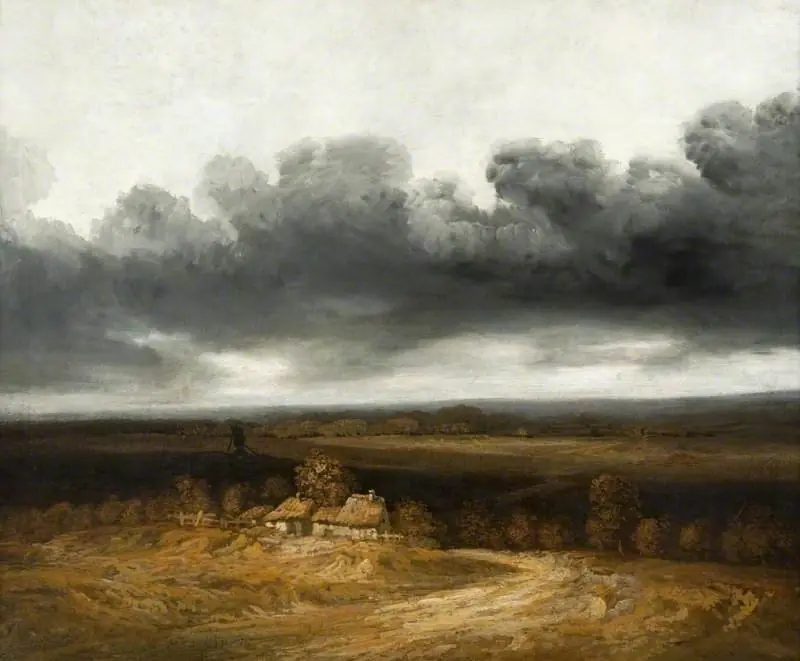 Landscape with Cottages
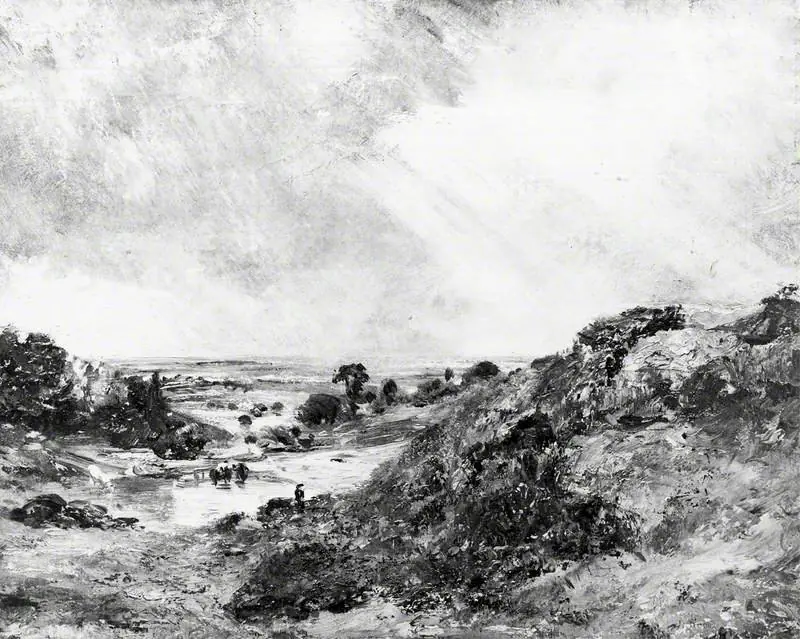 Branch Hill Pond, Hampstead
 A Heath Scene