Artwork
Newark Castle
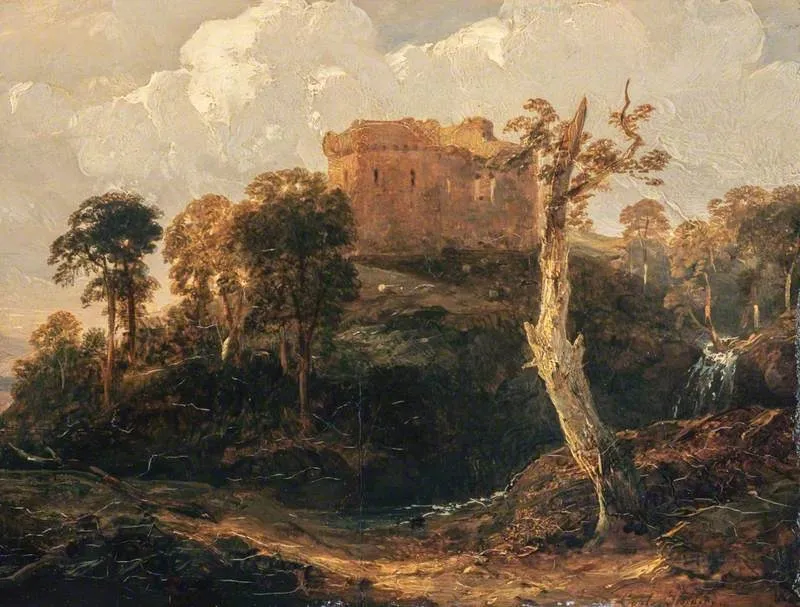
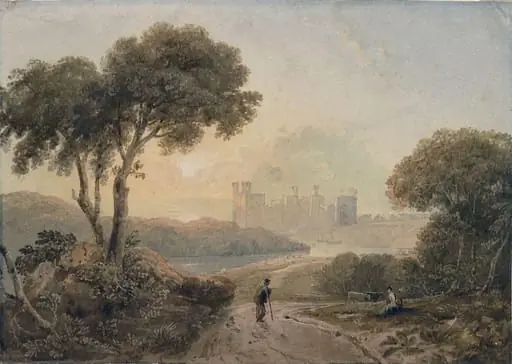
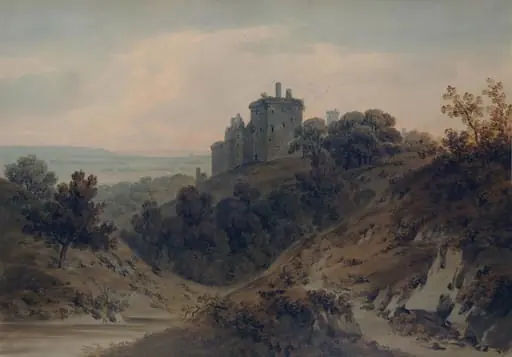
Newark Castle is an oil painting by the British Romanticist artist Copley Fielding. It dates from 1810 and is held in the collection of the National Galleries Scotland.
About this work
Overview
Newark Castle is an oil painting created in 1810 by Copley Fielding, an English artist predominantly known for his watercolour landscapes. The work is part of the British Romanticism movement and is now held in the collection of the Scottish National Gallery.
Subject & Meaning
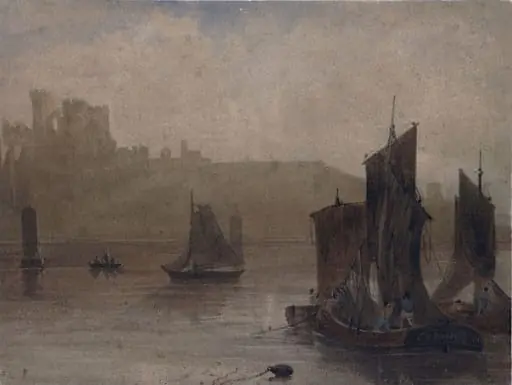
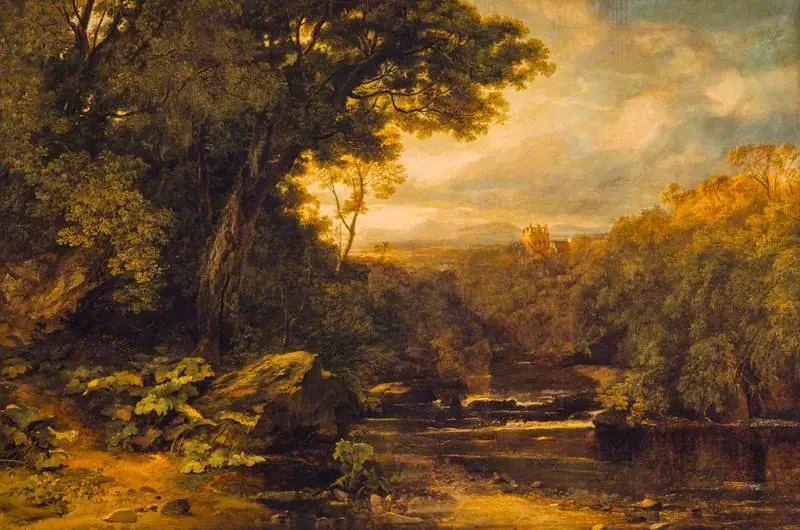
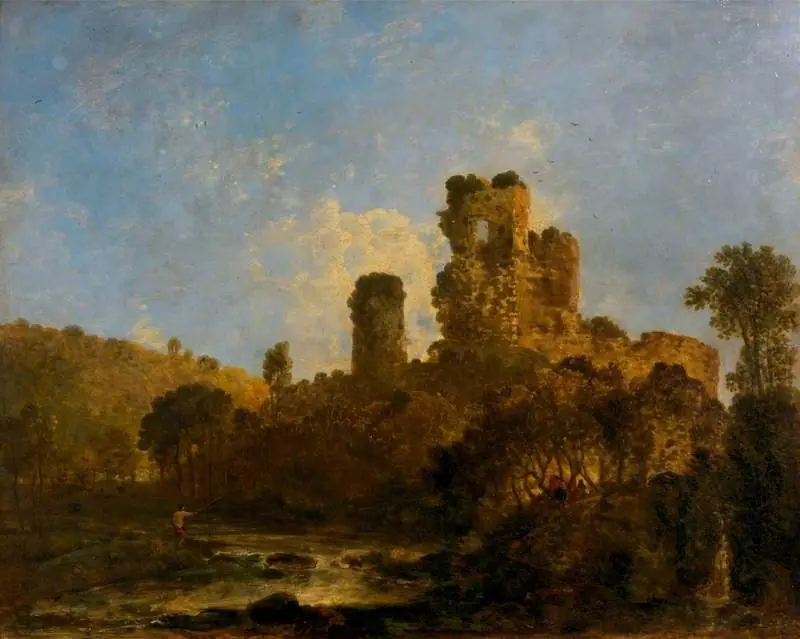
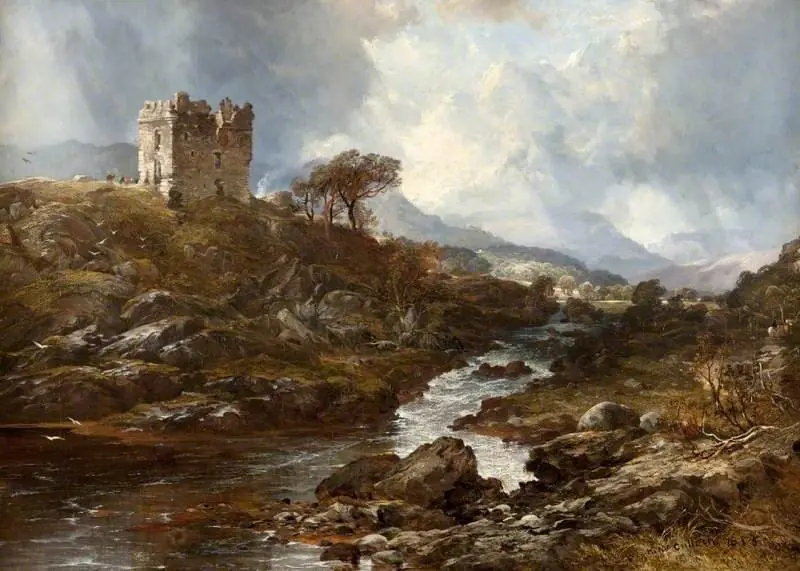
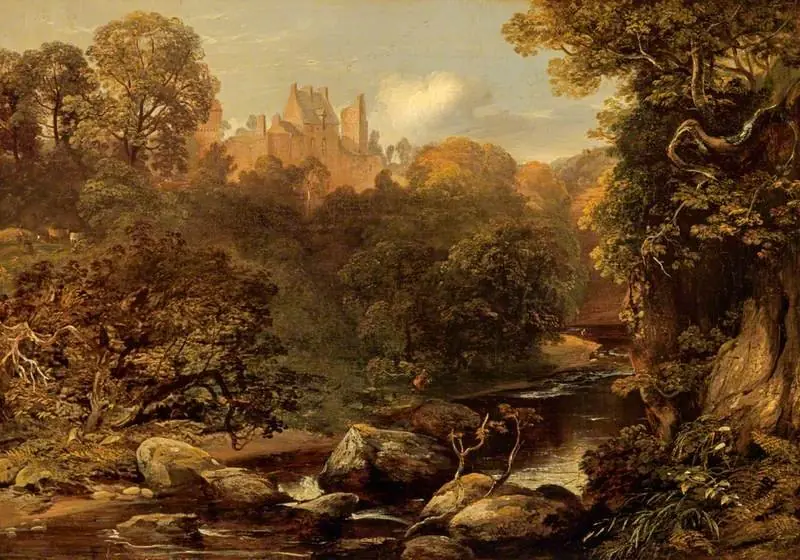
The painting depicts Newark Castle situated on a hill, emphasized as the central focus. The castle, surrounded by trees and bushes with a leading path, is portrayed as a place of significance or interest, potentially highlighting its historical or aesthetic appeal within the Romanticist context.
Technique & Style
Notably, Newark Castle was executed in oil paint, contrasting with Fielding's more common medium of watercolour. The composition features a stone castle with minimal window details, set against a backdrop of cloudy, grey skies, and framed by foreground foliage, reflecting elements of Romantic landscape painting.
History & Provenance
Created in 1810, the painting is now part of the Scottish National Gallery's collection. Fielding, born in 1787, was a prominent figure in the Old Water-colour Society, serving as its president from 1831 until his death in 1855.
Context
As part of the British Romanticism movement, Newark Castle aligns with the era's emphasis on emotive, often historical or natural subjects. Fielding's work under John Varley's tutelage and his later presidency of the Old Water-colour Society position this oil painting within a broader career marked by watercolour expertise.
Artist & collection
Artist
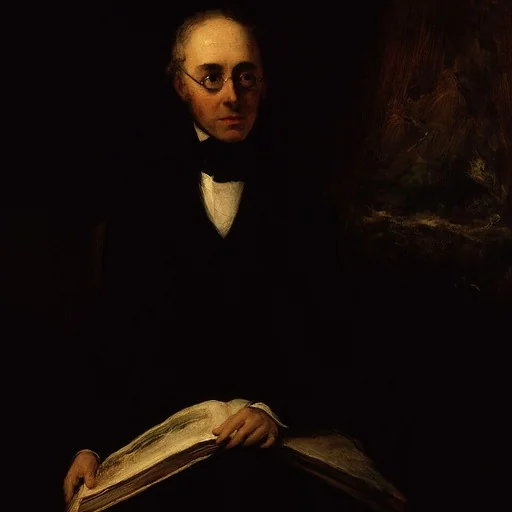
Anthony Vandyke Copley Fielding (22 November 1787 – 3 March 1855), commonly called Copley Fielding, was an English painter born in Sowerby, near Halifax, and famous for his watercolour landscapes.