Artwork
Pipăitul
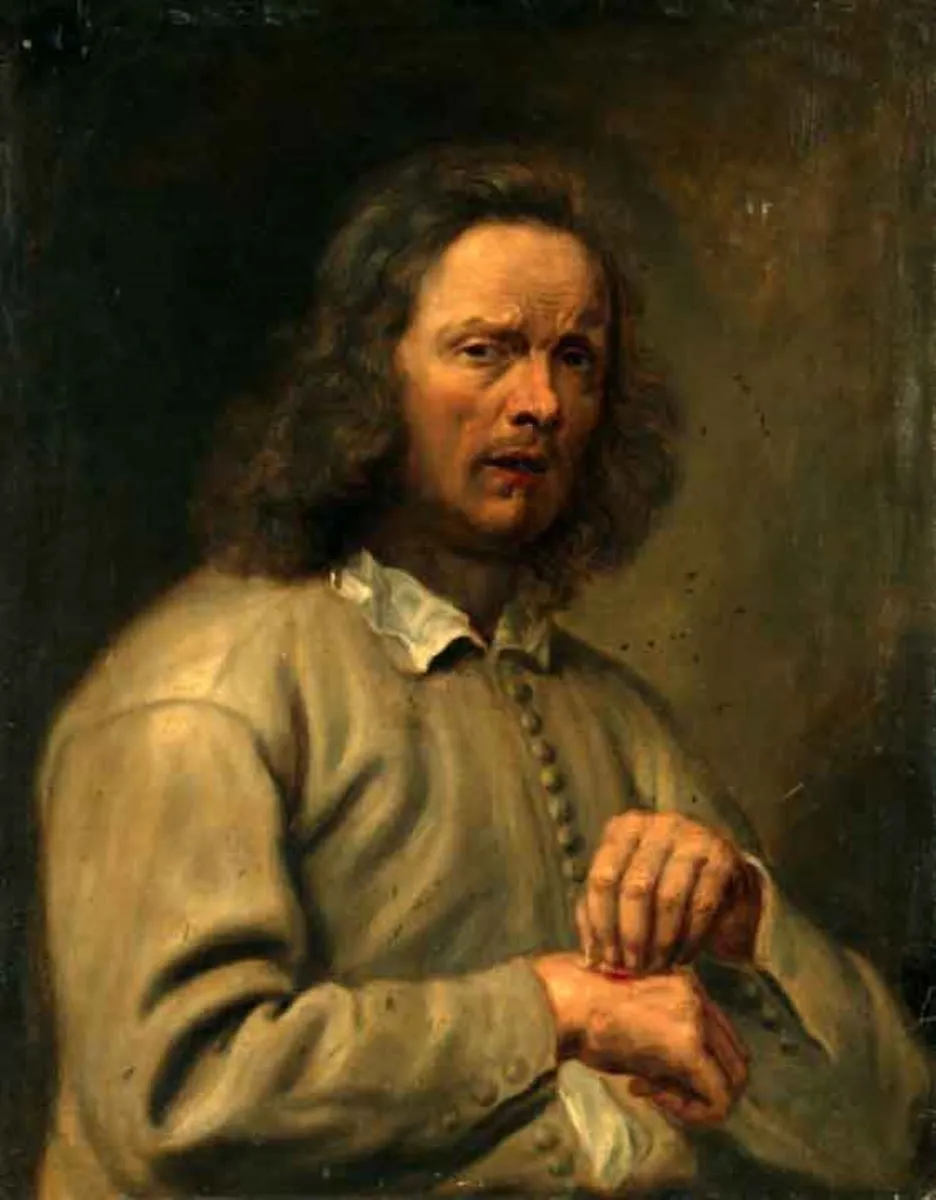
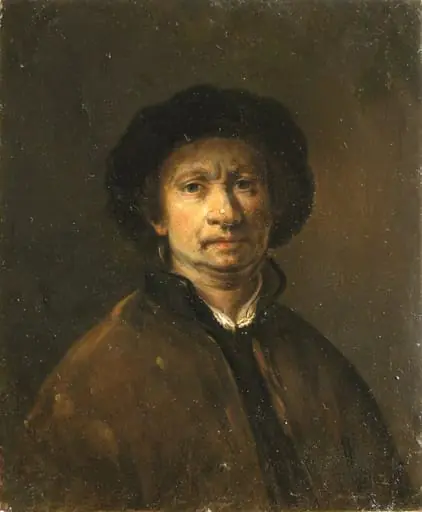
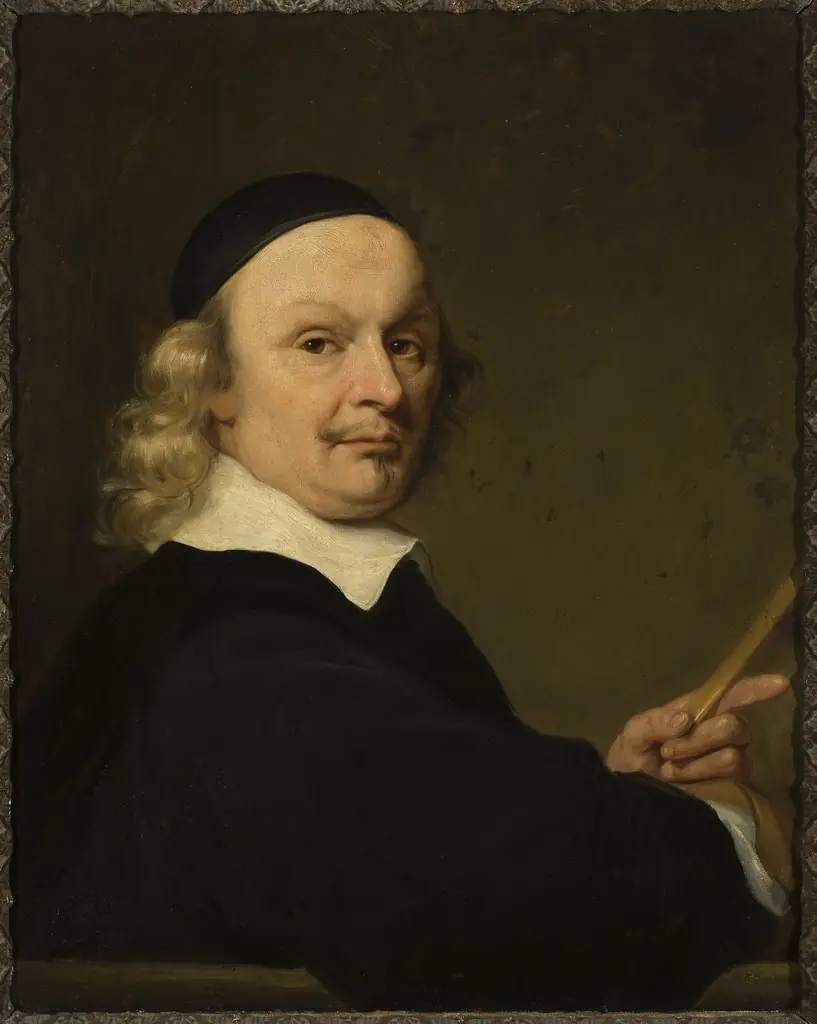
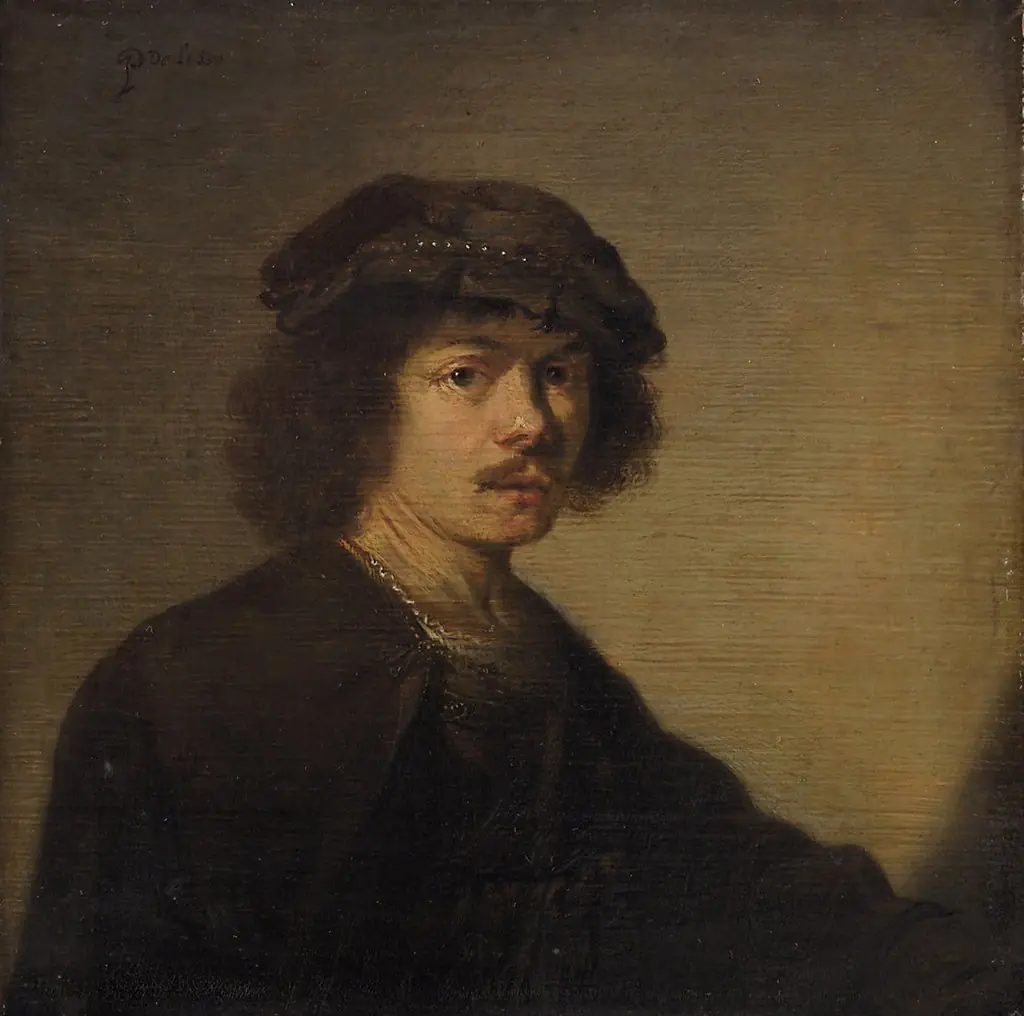
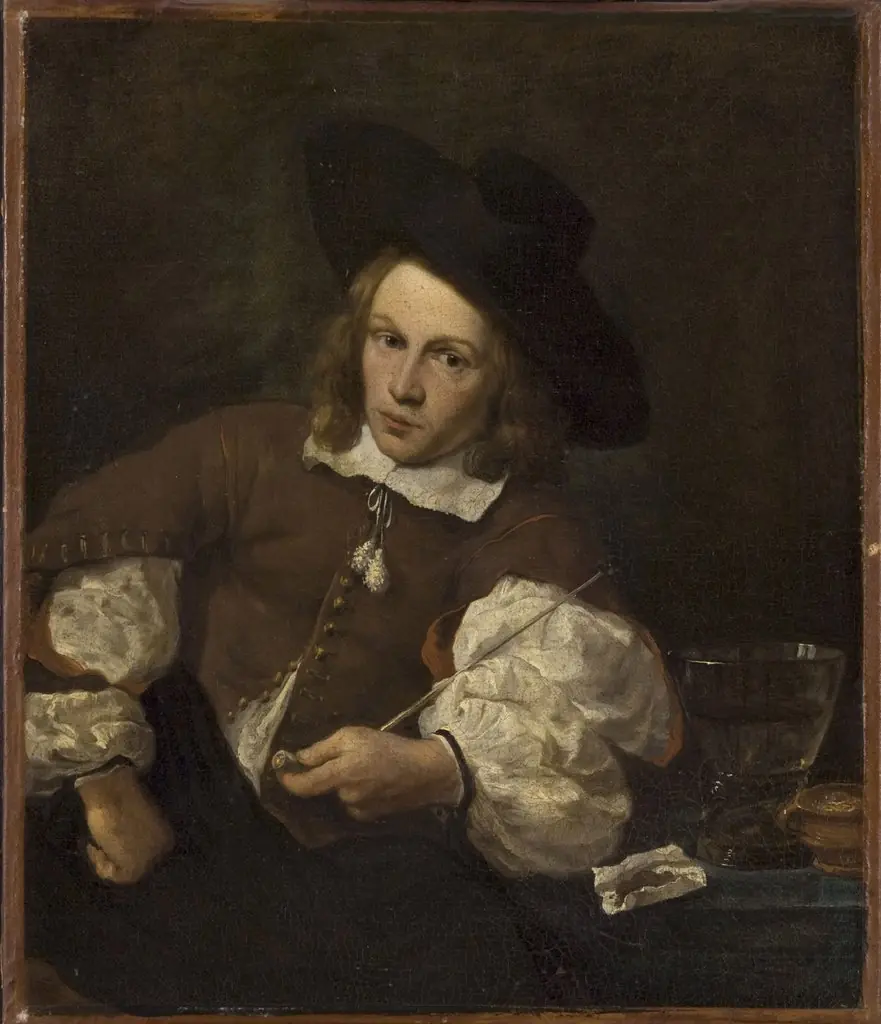
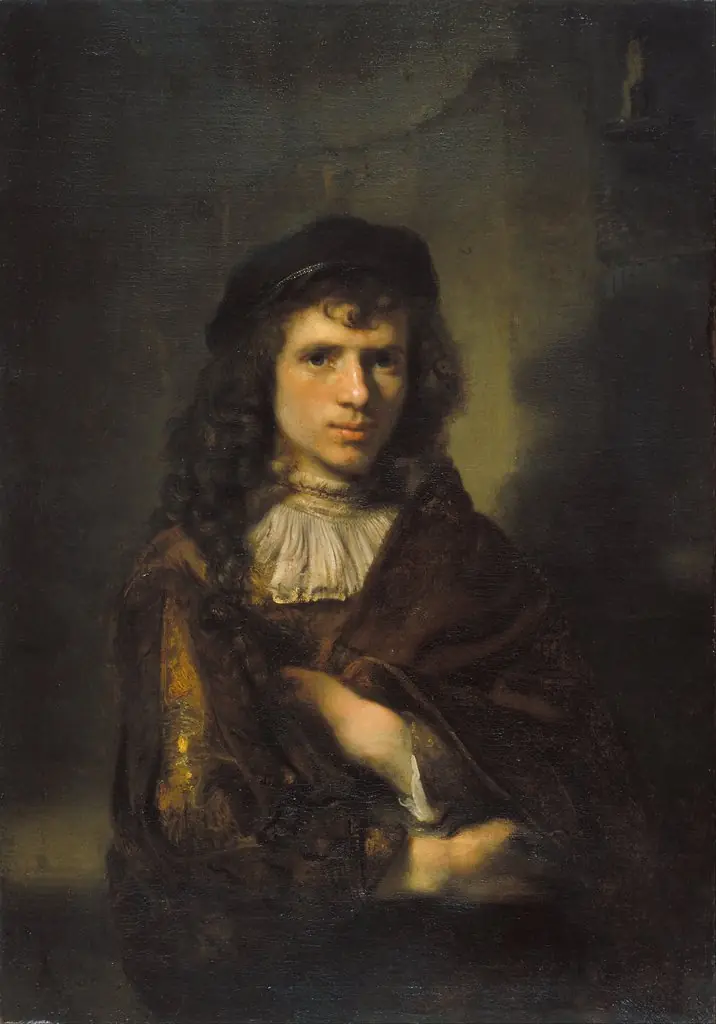
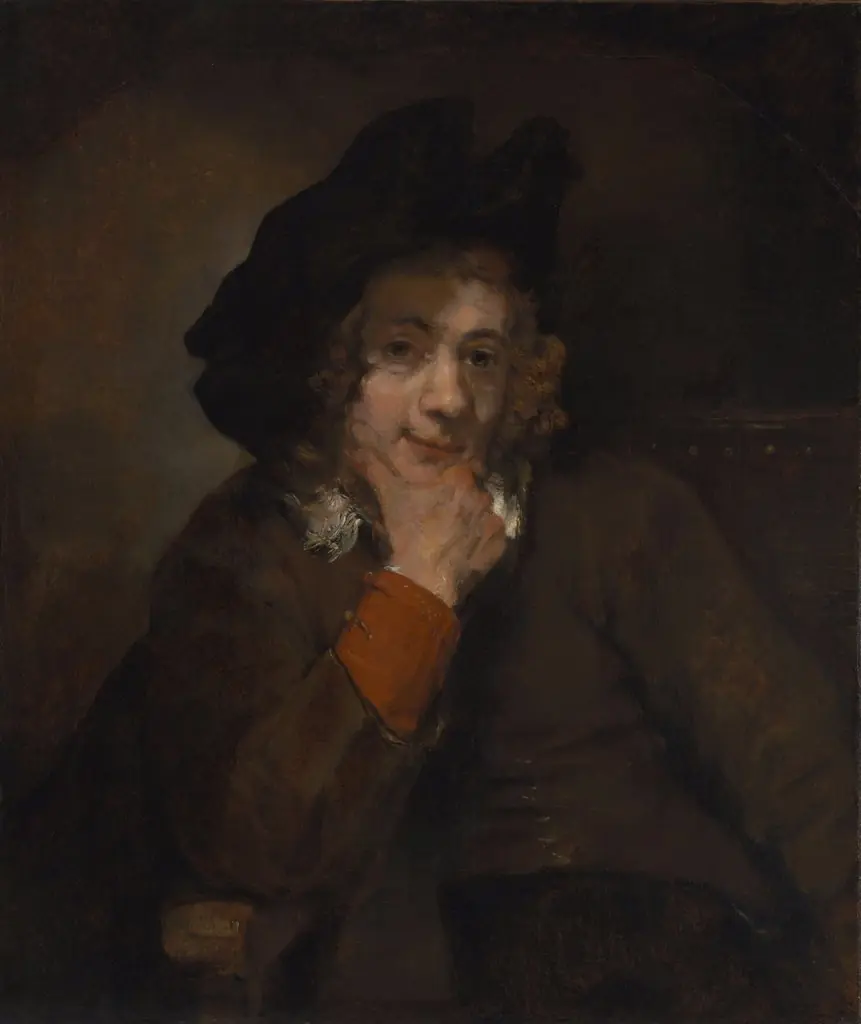
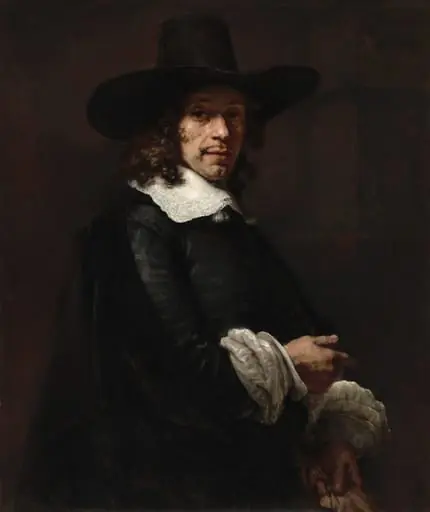
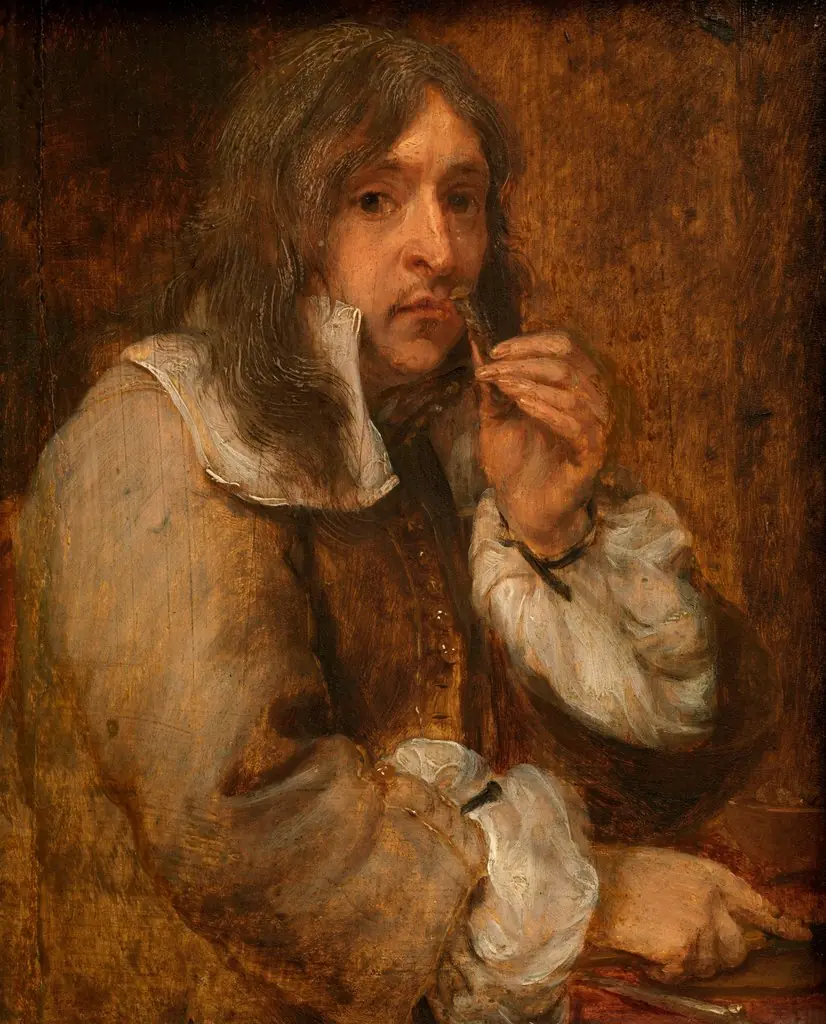
Pipăitul is an unspecified painting by the Baroque artist Gonzales Coques. It is held in the collection of the Brukenthal National Museum. This portrait depicts a man in quiet contemplation, rendered with focused attention on his facial expression and posture.
About this work
Overview
His clasped hands and solemn gaze suggest introspection, while the absence of contextual elements directs the viewer’s attention entirely to his demeanor.
This portrait depicts a man in quiet contemplation, rendered with focused attention on his facial expression and posture. The composition isolates the figure against a dark, undefined background, emphasizing his presence through careful lighting. His clasped hands and solemn gaze suggest introspection, while the absence of contextual elements directs the viewer’s attention entirely to his demeanor.
Subject & Meaning
The subject appears to be a man of quiet intensity, his long curls and high-collared attire hinting at a personal or cultural identity, though no specific name or role is indicated. His closed expression and stillness evoke inner reflection rather than outward engagement. The painting conveys psychological depth without narrative clues, inviting interpretation rooted in mood rather than biography.
Technique & Style
The artist employs chiaroscuro to model the face with strong contrasts between light and shadow, particularly beneath the eyes and along the jawline. This technique gives the features a sculptural solidity, enhancing the sense of volume. The dark background recedes completely, allowing the figure to emerge with clarity. Brushwork is restrained, favoring smooth transitions over texture or detail.
History & Provenance
The painting’s origin and early ownership are undocumented in available records. It has been preserved as a standalone portrait, likely created in a private studio setting rather than as part of a commissioned series. Its survival suggests it was valued for its emotional resonance, though no historical context or collector history has been established.
Context
This work aligns with 17th-century portraiture traditions that prioritized psychological presence over social status. Similar treatments appear in Dutch and Flemish studies of individual character, where subdued palettes and dramatic lighting served to convey inner life. The absence of symbols or props reflects a shift toward intimate, unadorned representation.
Legacy
Though not widely exhibited or cited in major art historical texts, the painting remains a quiet example of early modern portraiture’s capacity to capture solitude. Its emphasis on light and expression continues to serve as a reference for studies of emotional realism, particularly in pedagogical contexts examining chiaroscuro’s psychological effects.
Artist & collection
Artist
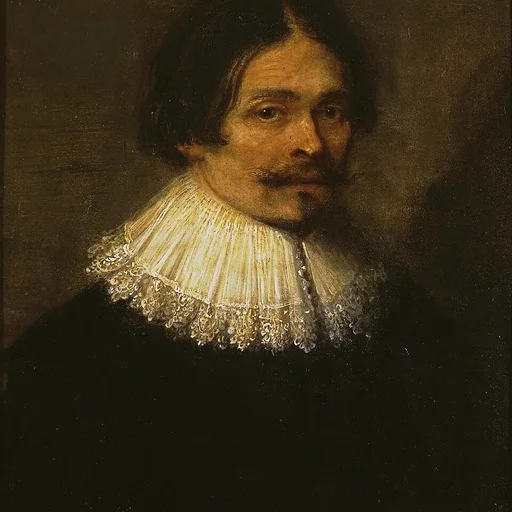
Gonzales Coques (between 1614 and 1618 – 18 April 1684) was a Flemish painter of portraits and history paintings.

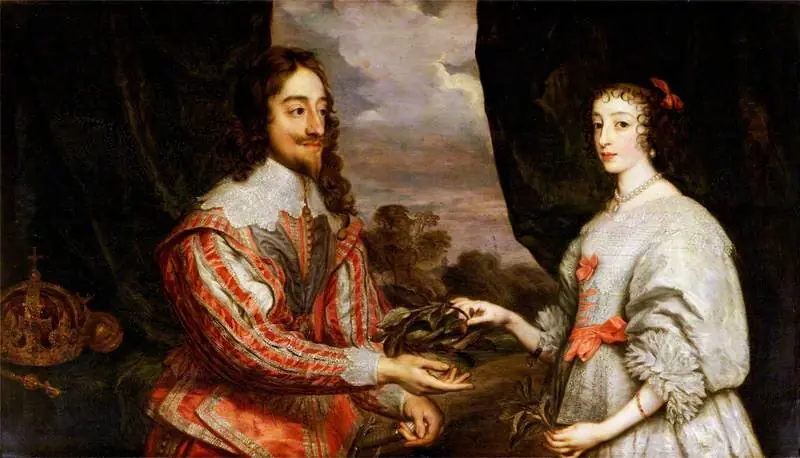 Charles I (1600–1649), and Henrietta Maria (1609–1669), with a Laurel Wreath
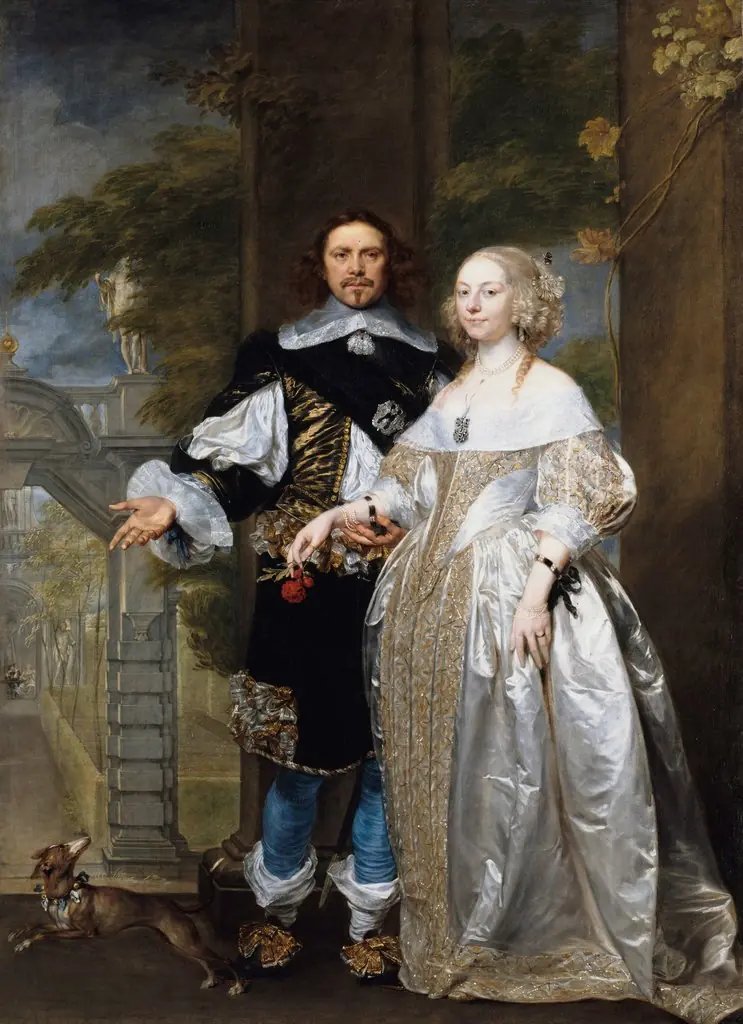 Married Couple in the Park
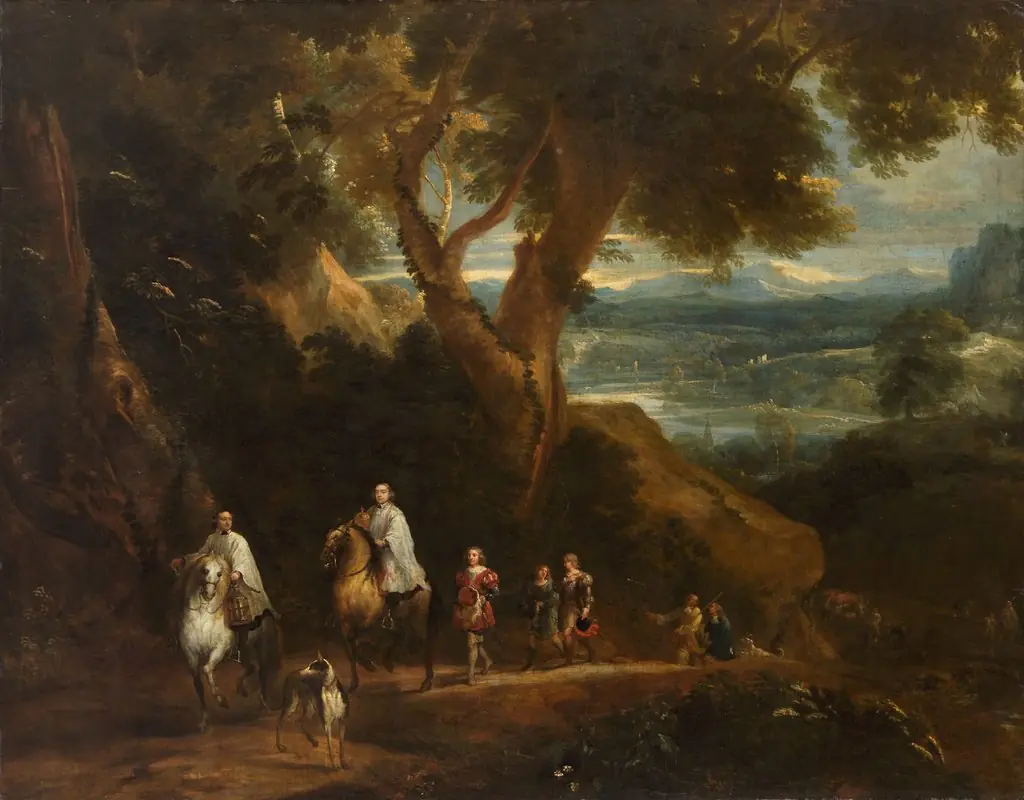 Landscape with Rudolf von Habsburg and the priest
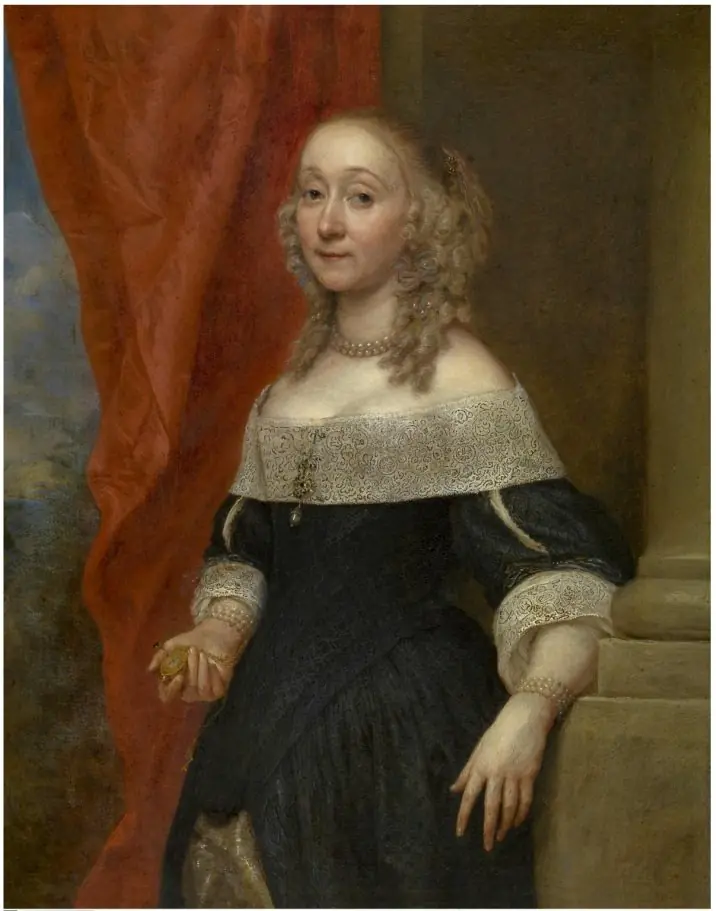 Portrait of a Woman
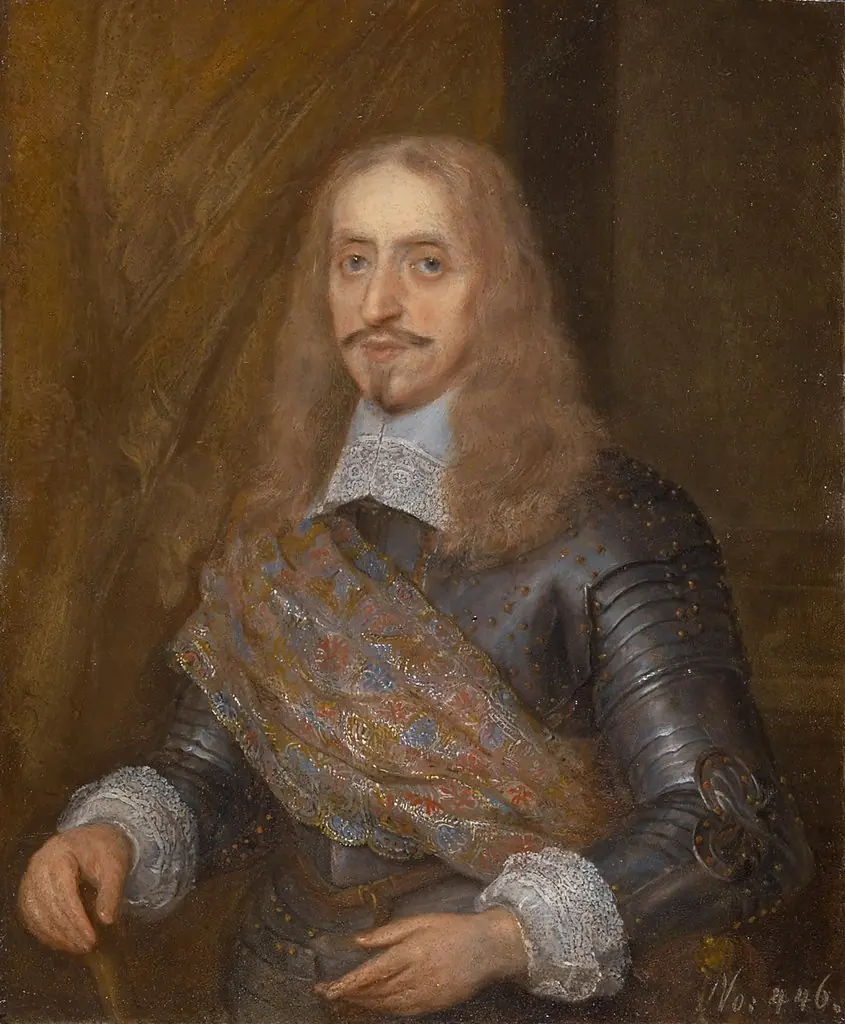 Leopold Wilhelm, geboren 1614, Bischof v. Passau u. Straßburg 1625, v. Halberstadt 1628, v. Olmütz 1637, v. Breslau 1655, Hoch- und Deutschmeister 1642, Statthalter d. Niederlande 1646-56, gestorben 1
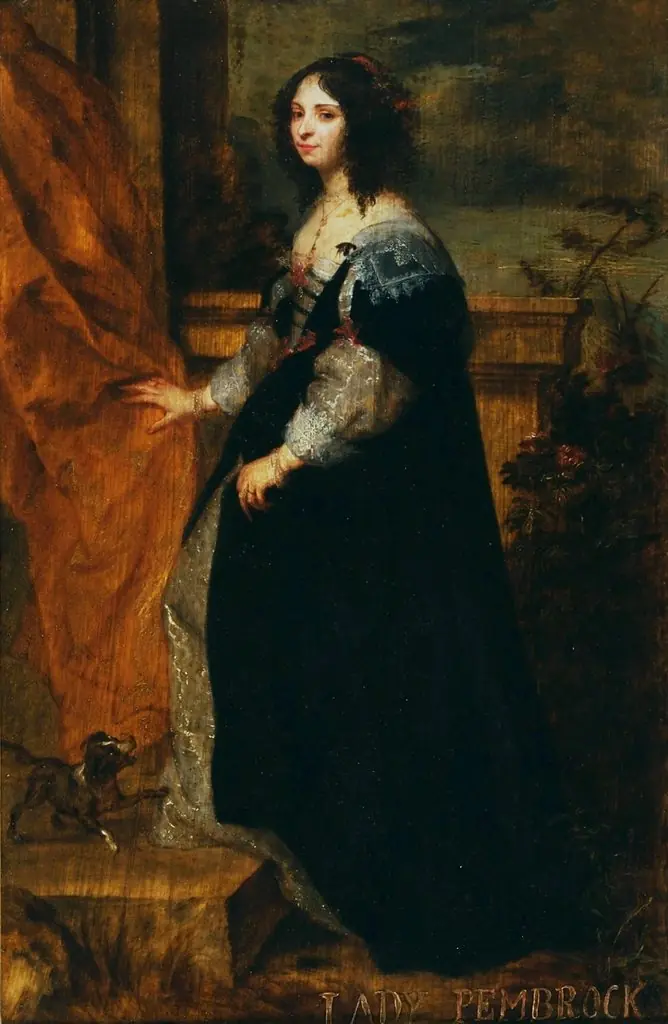 Portrait of Lady Pembrock
 Smell
Smell Sight
Sight