Artwork
Leopold Wilhelm, geboren 1614, Bischof v. Passau u. Straßburg 1625, v. Halberstadt 1628, v. Olmütz 1637, v. Breslau 1655, Hoch- und Deutschmeister 1642, Statthalter d. Niederlande 1646-56, gestorben 1
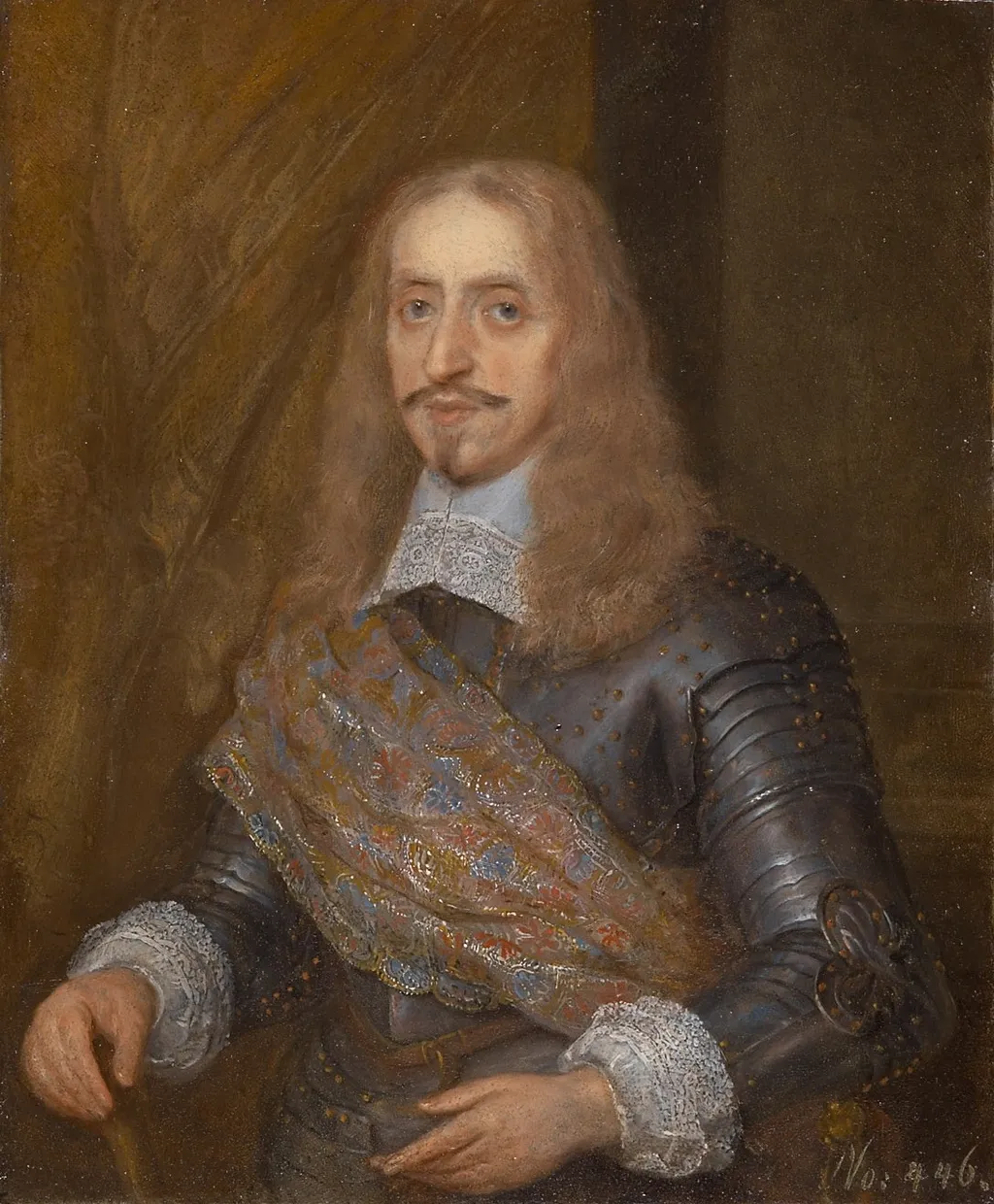
Leopold Wilhelm, geboren 1614, Bischof v. Passau u. Straßburg 1625, v. Halberstadt 1628, v. Olmütz 1637, v. Breslau 1655, Hoch- und Deutschmeister 1642, Statthalter d. Niederlande 1646-56, gestorben 1 is an unspecified painting by the Flemish Baroque painting artist Gonzales Coques. It dates from 1659 and is held in the collection of the Kunsthistorisches Museum.
About this work
Overview
Coques, often compared to Anthony van Dyck for his refined portraiture, rendered the subject with quiet dignity against a dark, unadorned background.
Painted around 1659 by the Flemish artist Gonzales Coques, this portrait captures Leopold Wilhelm of Austria, a prominent ecclesiastical and political figure of the mid-seventeenth century. Coques, often compared to Anthony van Dyck for his refined portraiture, rendered the subject with quiet dignity against a dark, unadorned background. The painting is held in the Kunsthistorisches Museum, Vienna, as part of its extensive Habsburg collection.
Subject & Meaning
Leopold Wilhelm, Archduke of Austria, held multiple bishoprics across the Holy Roman Empire and served as Governor of the Spanish Netherlands. The portrait emphasizes his dual authority as churchman and statesman. His hands folded over his chest suggest contemplative authority, while the absence of overt symbols of power directs focus to his presence and status, conveyed through attire and bearing rather than regalia.
Technique & Style
Coques employed delicate brushwork to render the texture of the subject’s rich fabric, using tiny, precise touches of color to suggest sheen and pattern. The face is smoothly modeled, with soft transitions that recall van Dyck’s elegance. The dark background isolates the figure, enhancing the three-dimensionality of the form. The contrast between the refined facial rendering and the intricate detailing of the garment reflects a mastery of surface and light.
History & Provenance
Commissioned during Leopold Wilhelm’s tenure as Governor of the Netherlands, the portrait likely served to affirm his authority within Habsburg circles. It entered the Kunsthistorisches Museum’s collection through the imperial holdings, remaining part of the Habsburg visual archive. Its survival through centuries reflects its importance as a record of aristocratic identity in the Baroque era.
Context
In mid-17th century Europe, ecclesiastical princes often held secular power, and portraiture functioned as a tool of political representation. Coques’s work aligns with Flemish traditions that balanced realism with ceremonial gravitas. The portrait reflects the Habsburgs’ use of imagery to project continuity and control across their diverse territories, especially during the turmoil of the Thirty Years’ War.
Legacy
Though less celebrated than his contemporaries, Coques’s portrait of Leopold Wilhelm exemplifies the quiet sophistication of Flemish court painting. It preserves the visual language of aristocratic identity in an age of shifting power structures. The work remains a key reference for understanding how religious and political authority were visually consolidated in the Habsburg domains.
Artist & collection
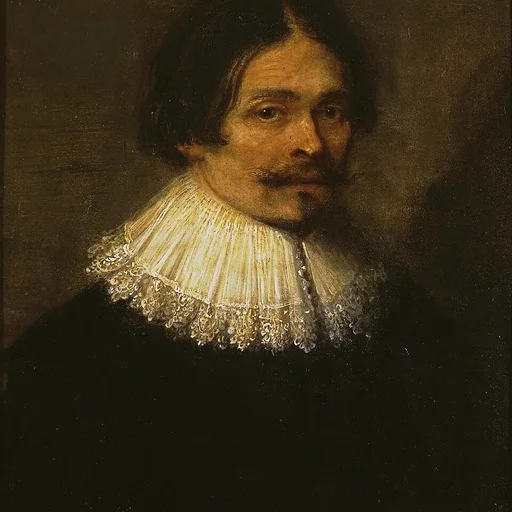
Artist
Gonzales Coques (between 1614 and 1618 – 18 April 1684) was a Flemish painter of portraits and history paintings.

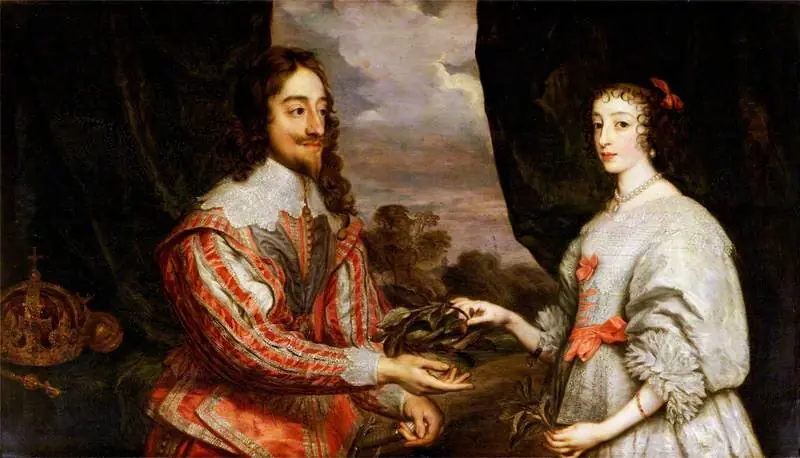
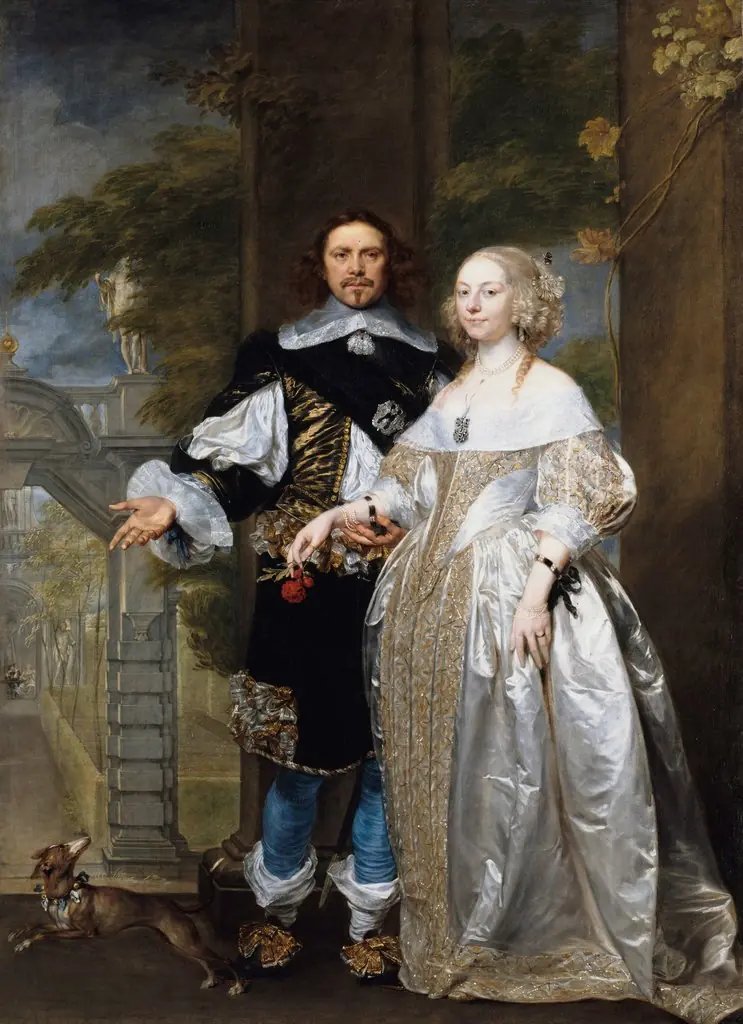
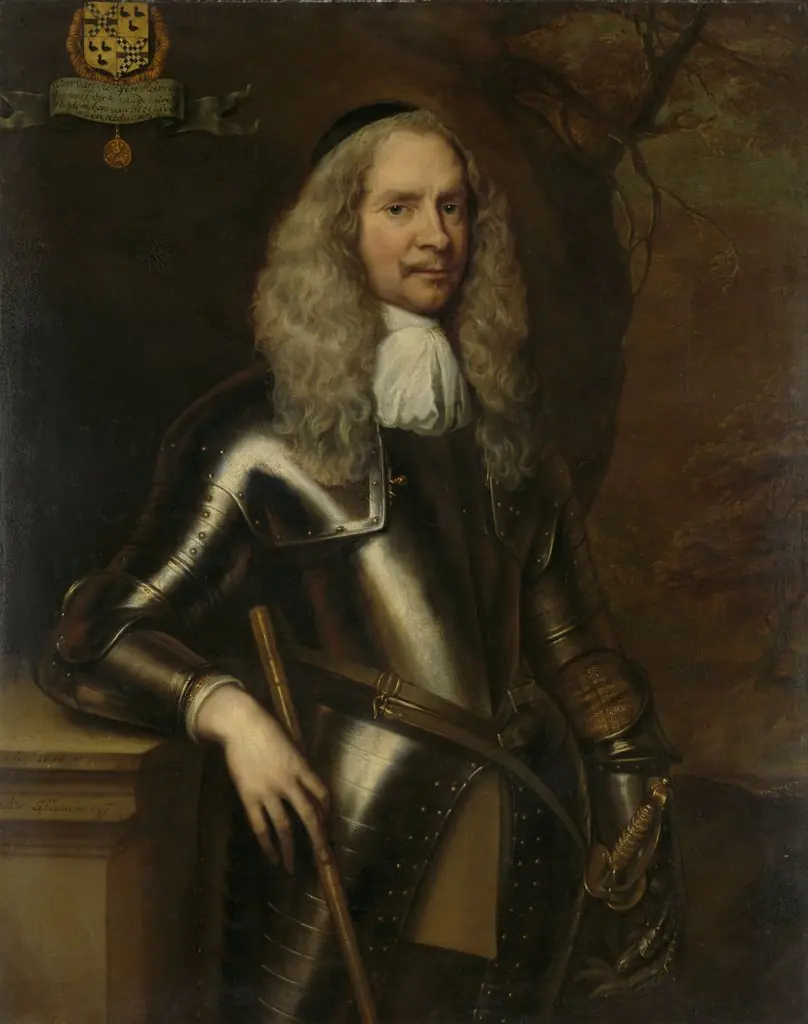 Cornelis van Aerssen (1600-62), lord of Sommelsdijk. Colonel of cavalry
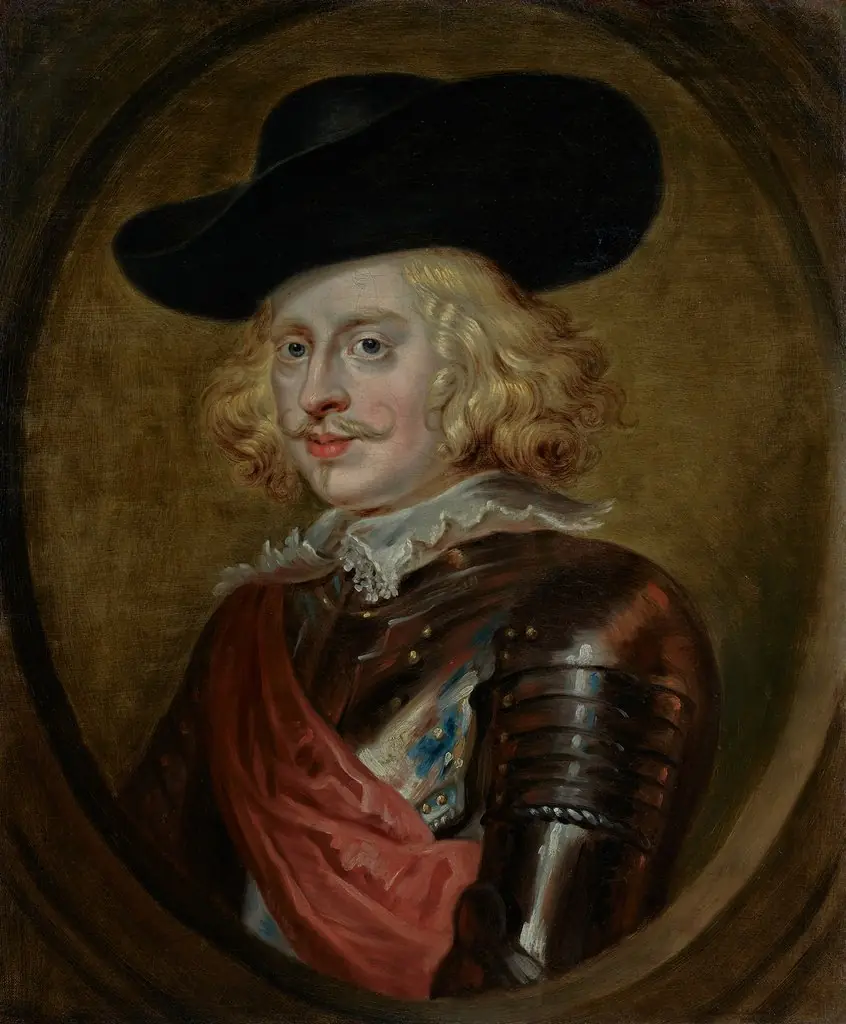 Archduke Ferdinand, Cardinal-Infante of Spain (1609-1641)
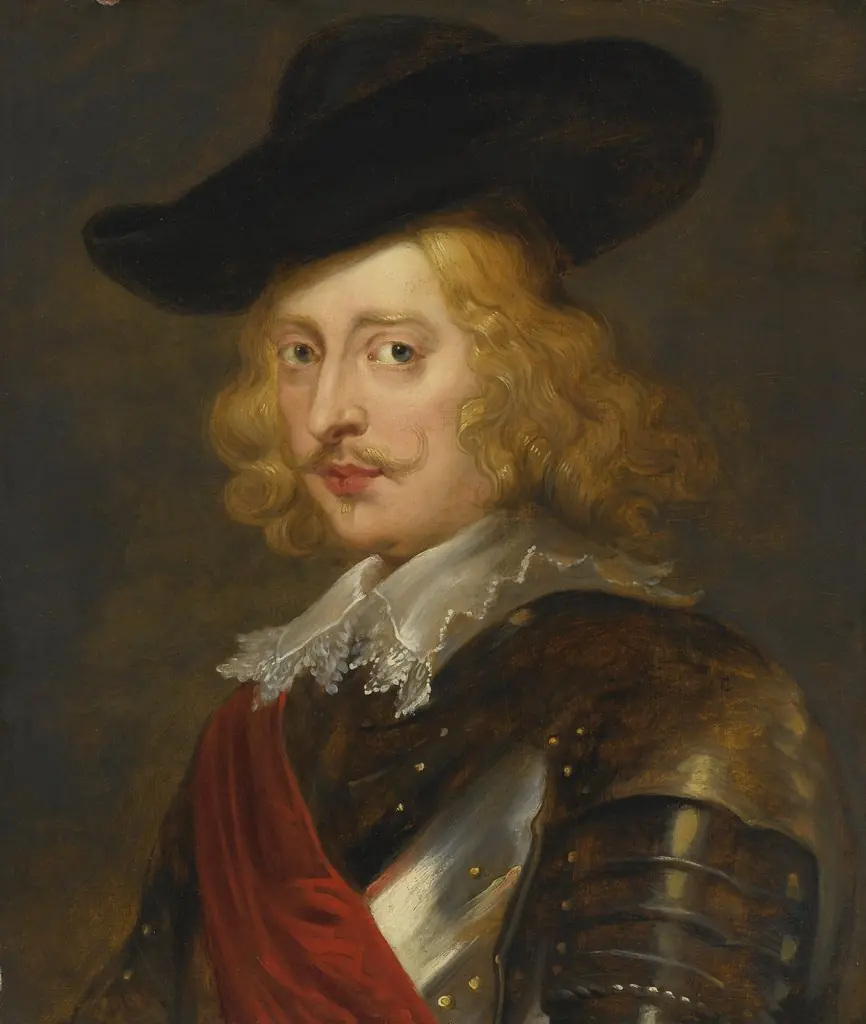 Portrait of cardinal-infante Ferdinand of Spain
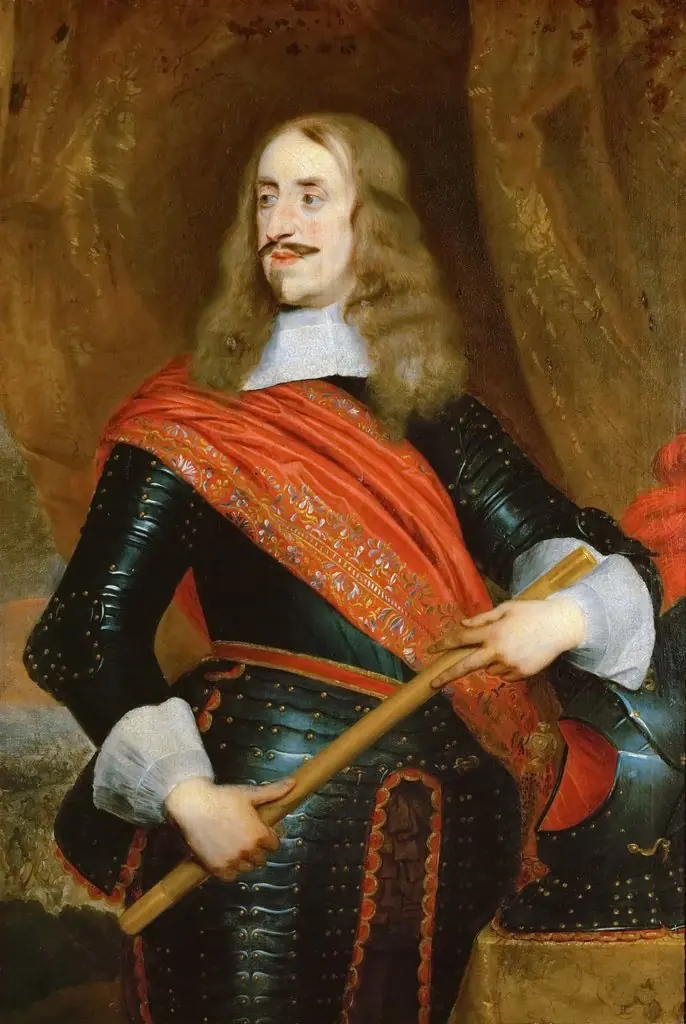 Portrait of Archduke Leopold Wilhelm (1614-1662)
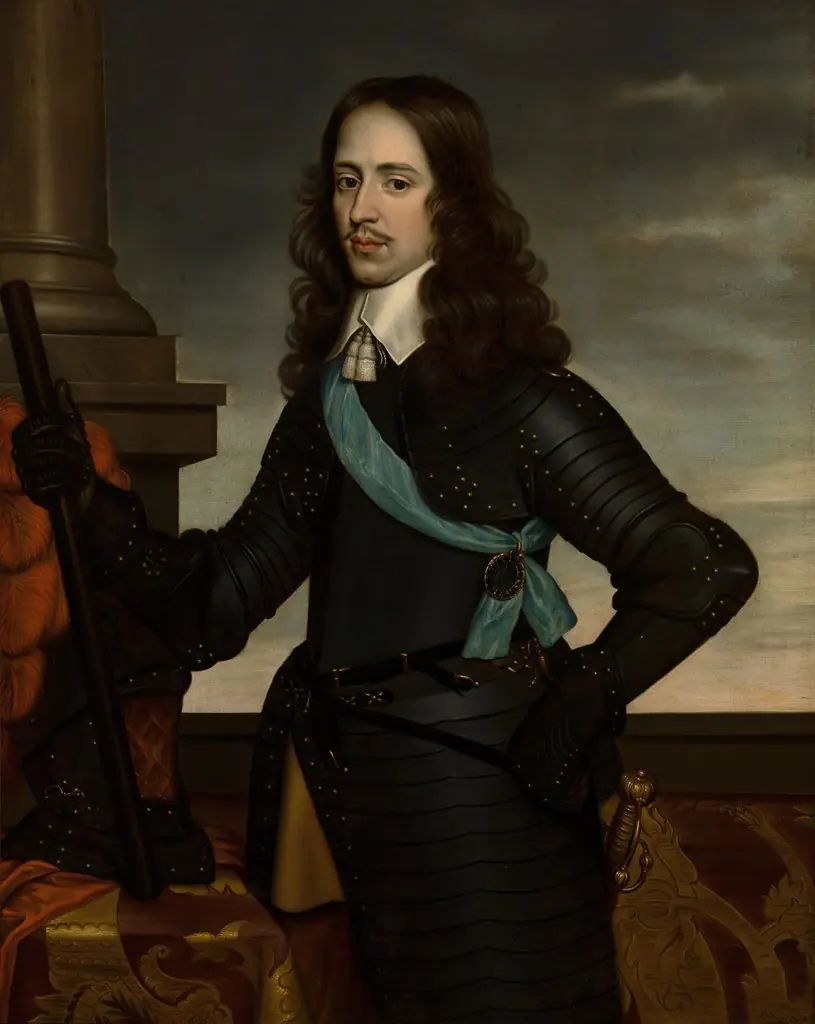 Portrait of Prince Willem II (1626-1650)
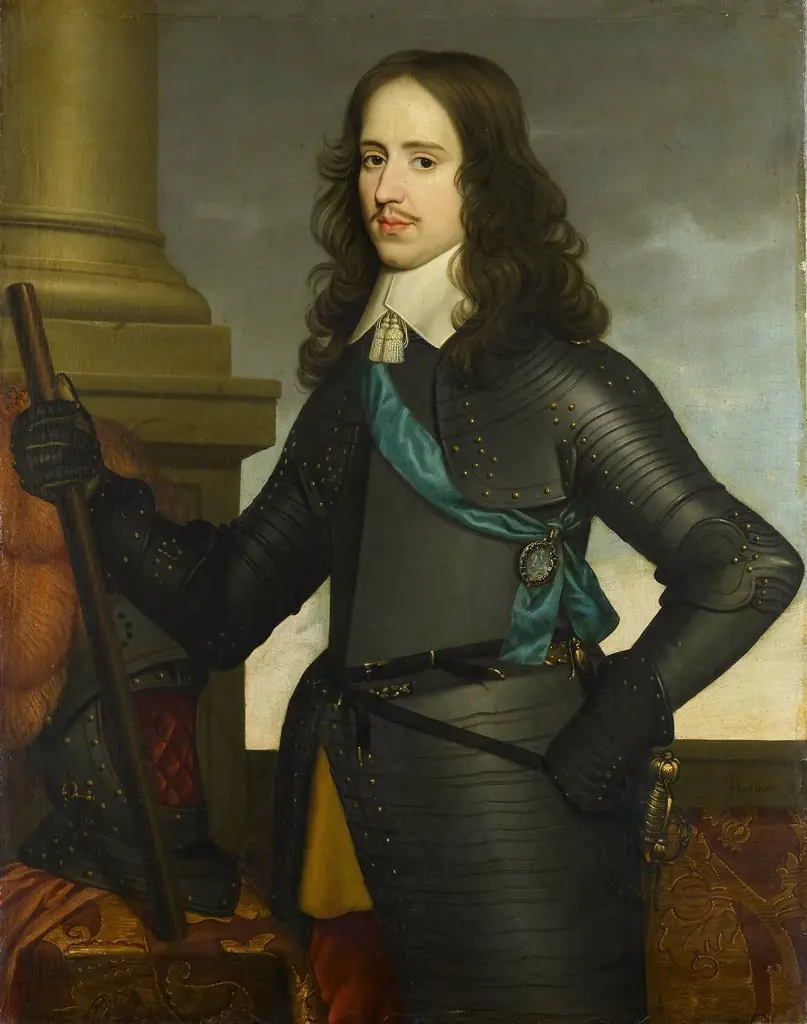 Portrait of Willem II (1626-50), Prince of Orange
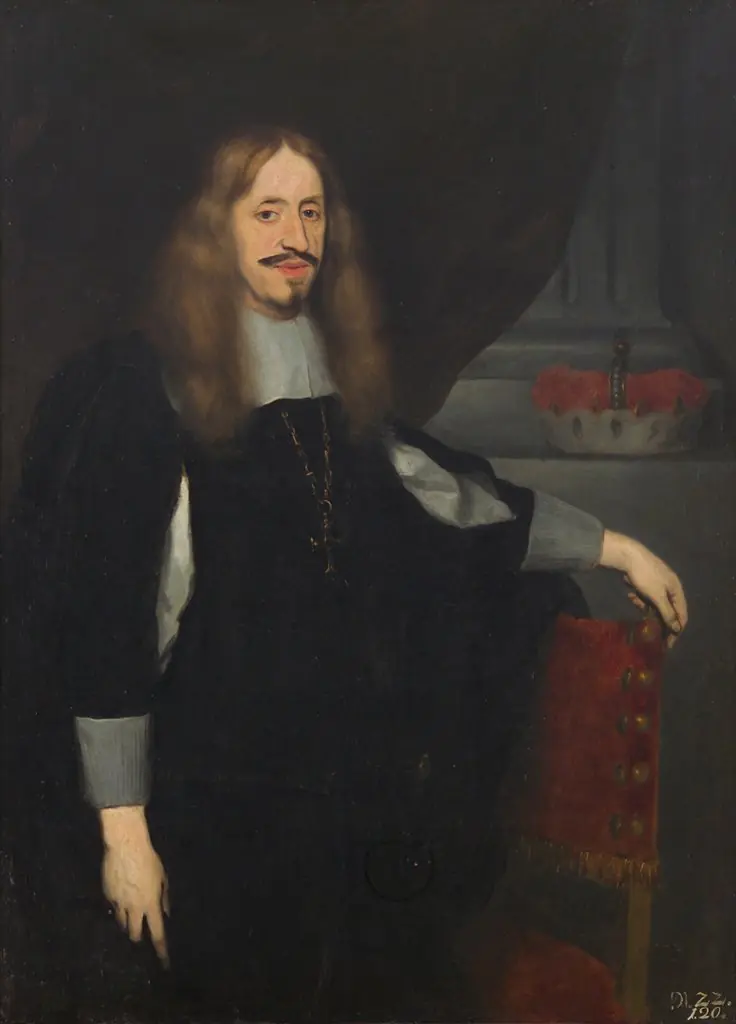 Portrait of archduke Leopold Wilhelm (1614-1662)
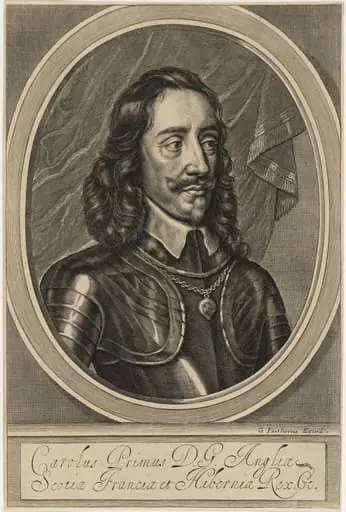 Charles I
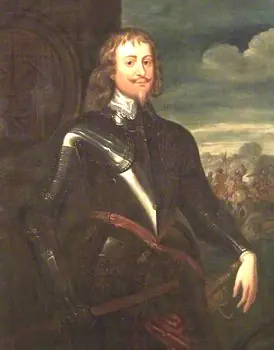 Sir Bevil Grenville (1596-1643)
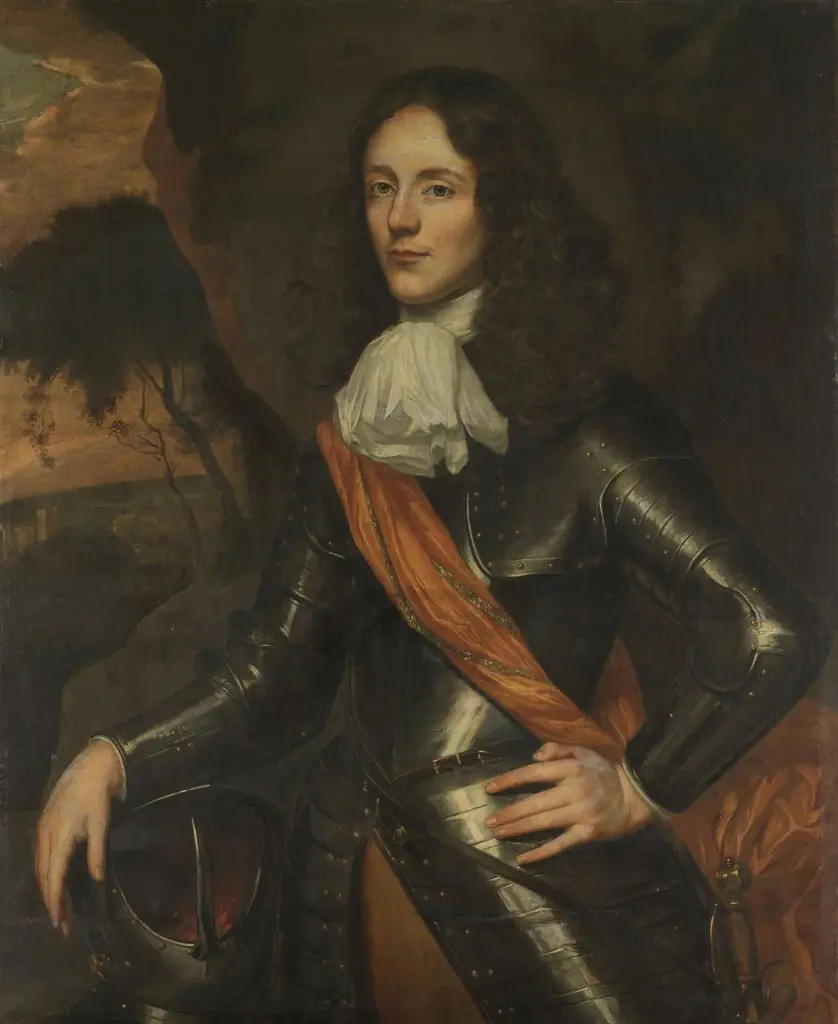 A military officer
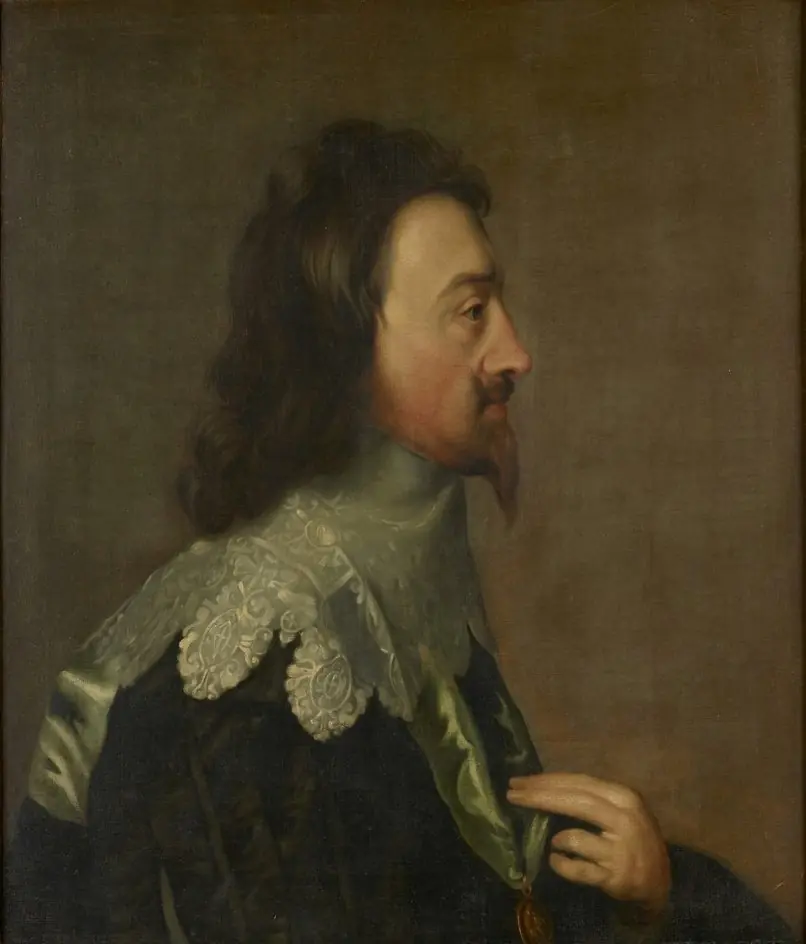 Charles I
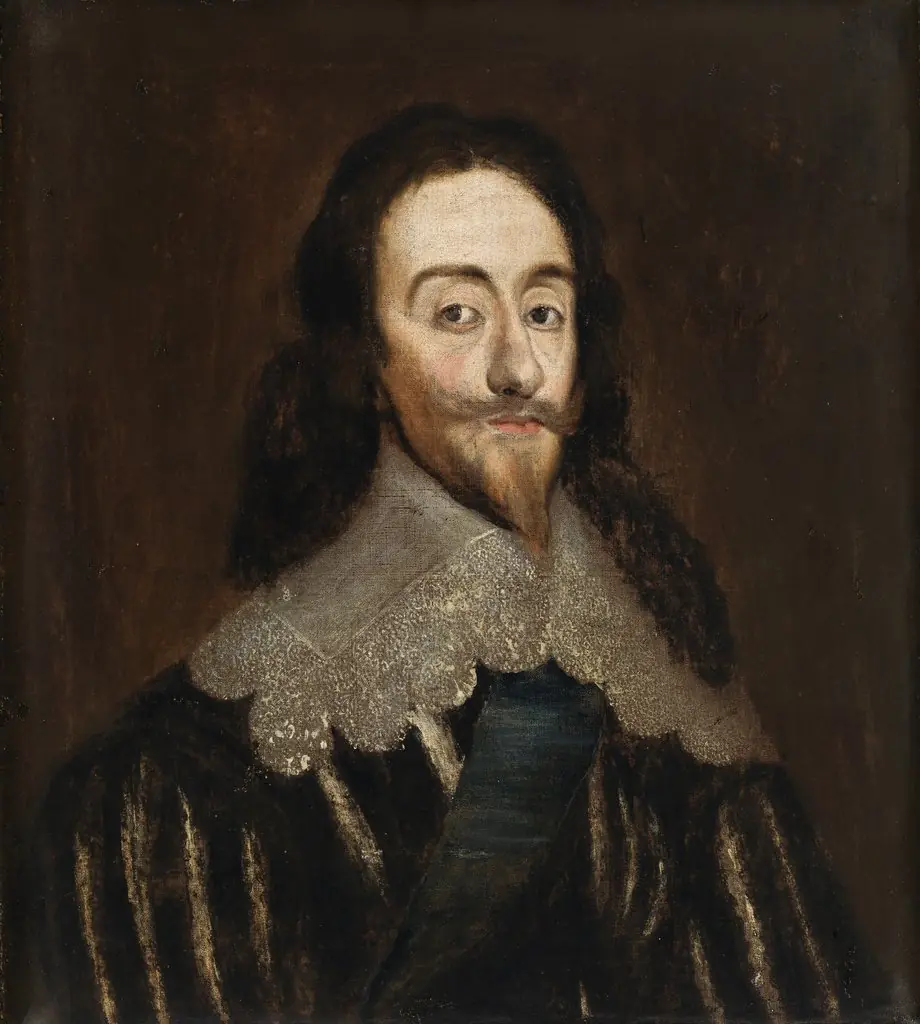 Portrait of Charles I, King of England (1600-1649)