Artwork
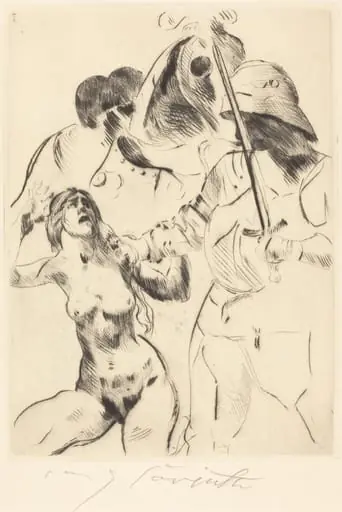
Entführung (Abduction)
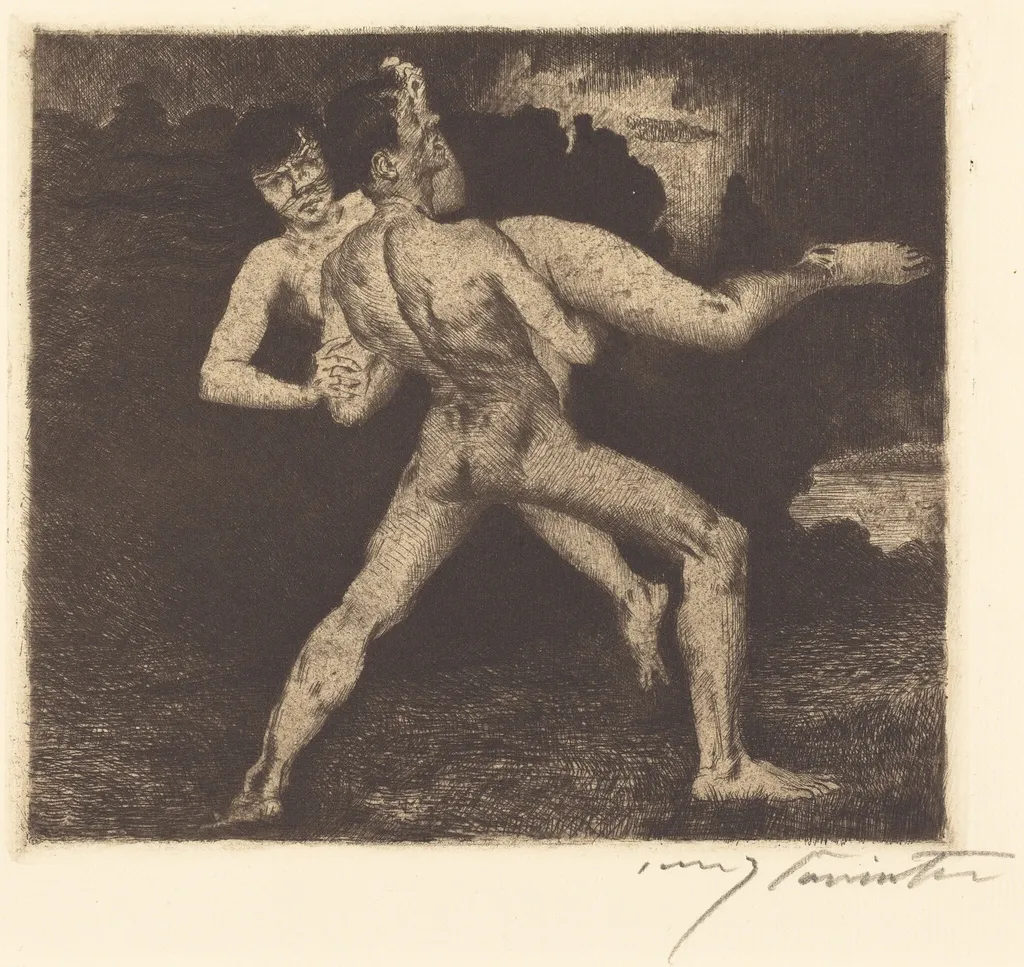
Entführung (Abduction) is an ink print by the Impressionist artist Lovis Corinth. It dates from 1894 and is held in the collection of the National Gallery of Art.
About this work
Overview
Entführung (Abduction) is a 1894 etching in black on laid paper by German artist Lovis Corinth, created during a transitional period in his style, bridging naturalism and the early influences of expressionism.
Subject & Meaning
The print depicts two nude figures in a dark, shadowy environment. One figure is bent over with arms clasped around knees, while another stands behind, extending an arm forward. The scene conveys dramatic intensity through stark contrasts.
Technique & Style
Corinth employed etching techniques to achieve deep shadows and strong light-dark contrasts, emphasizing the emotional intensity of the scene. The background features faint, suggestive textures evoking either rough fabric or a nocturnal sky.
History & Provenance
Created in 1894, Entführung reflects Corinth's evolving style after his studies in Paris and Munich, and before his leadership in the Berlin Secession. A stroke in 1911 would later push his work further into expressionism.
Context
This etching exemplifies Corinth's transitional printmaking during the mid-1890s, as he moved from naturalistic beginnings towards more expressive tendencies, influenced by both impressionism and the emerging expressionist movement.
Legacy
Entführung (Abduction) serves as a notable example of Corinth's printwork during his stylistic transition, illustrating the bridge between his earlier and later artistic phases.
Artist & collection

Artist
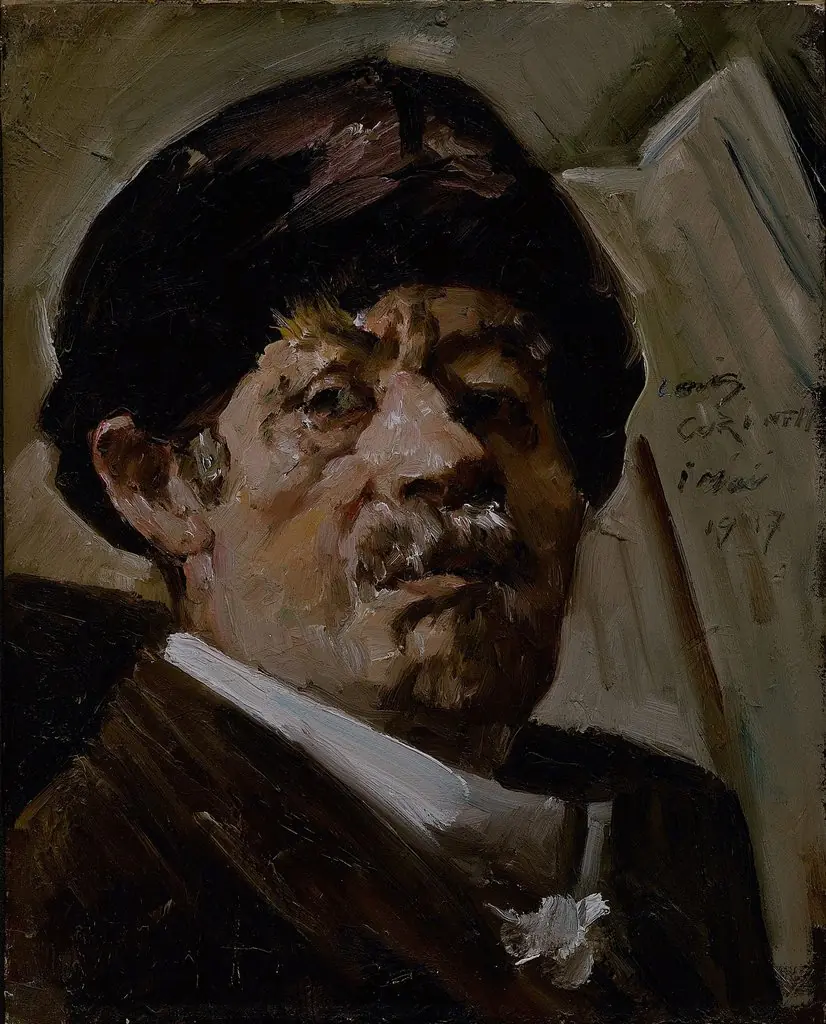
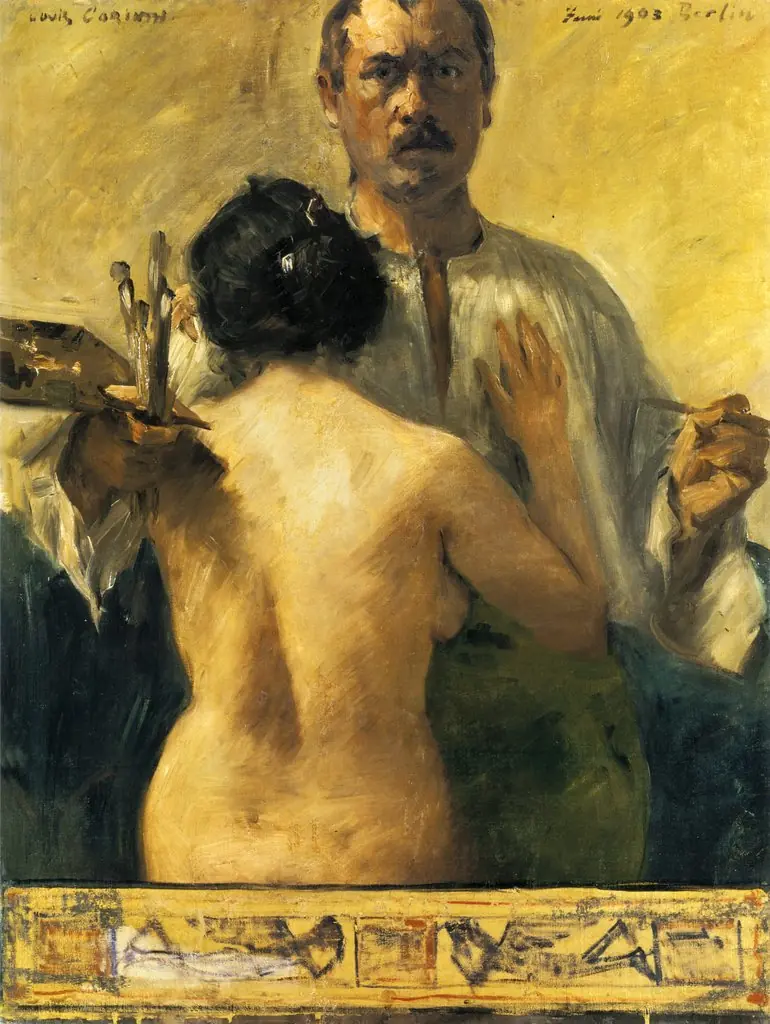
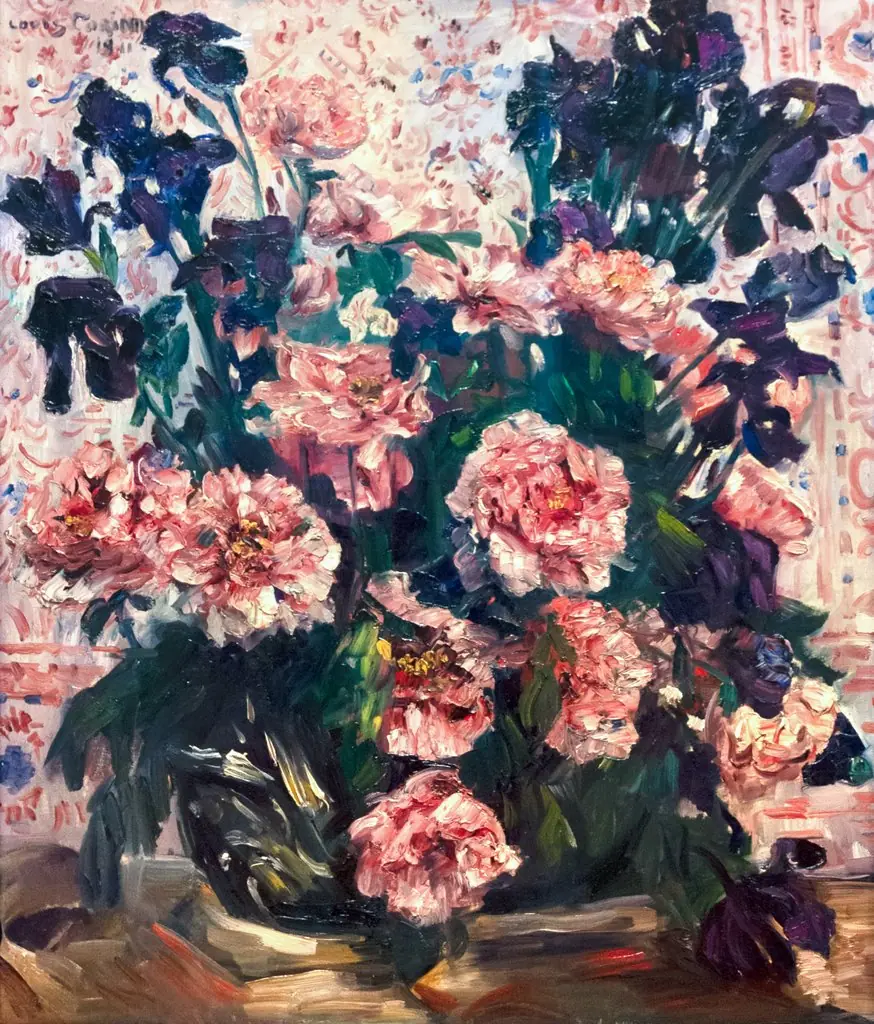
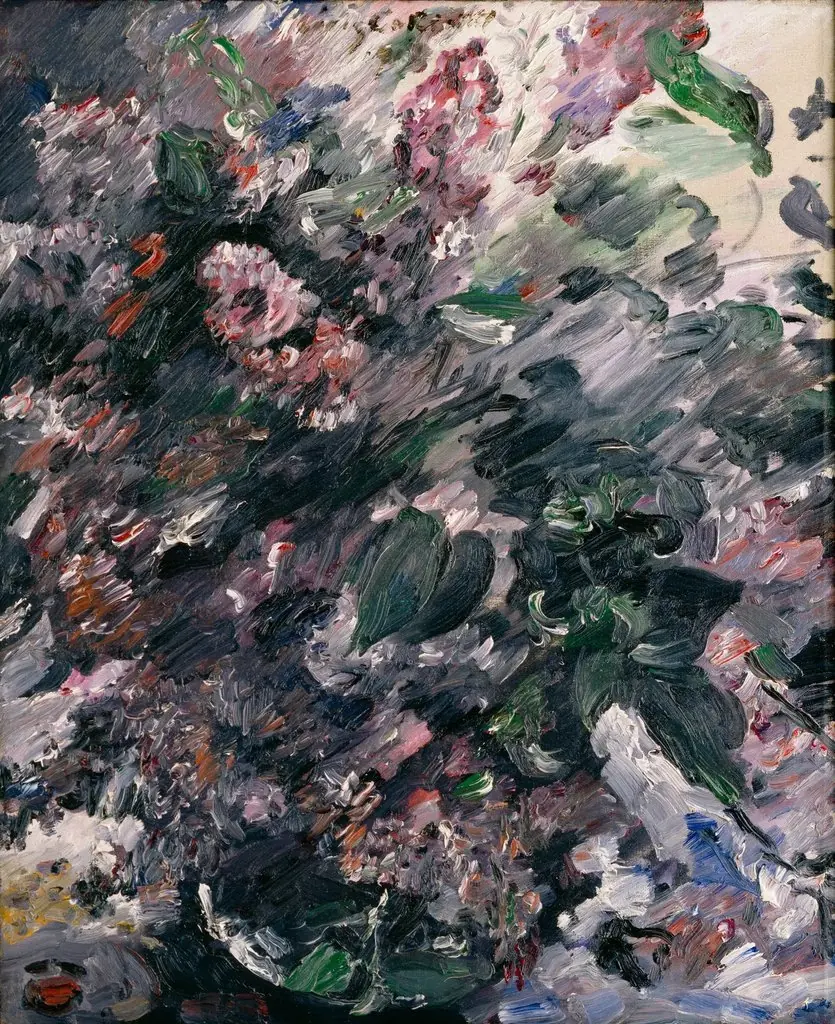
Lovis Corinth was a German artist and writer whose mature work as a painter and printmaker realized a synthesis of impressionism and expressionism.

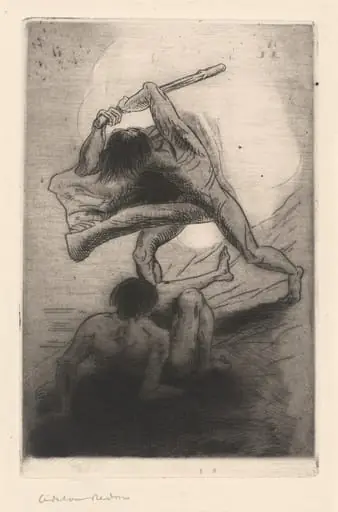 Cain and Abel
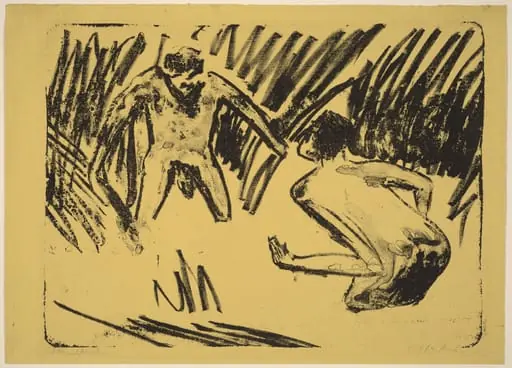 Men Splashing in the Reeds (Sich Spritzende Männer im Schilf)
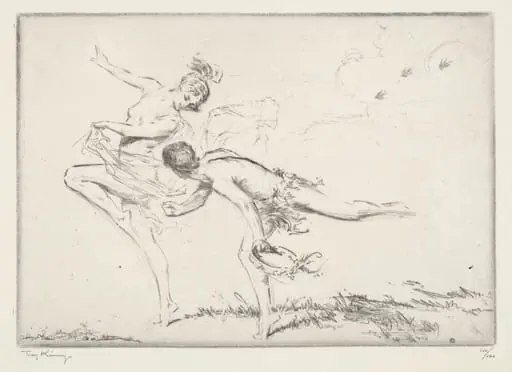 Swallows
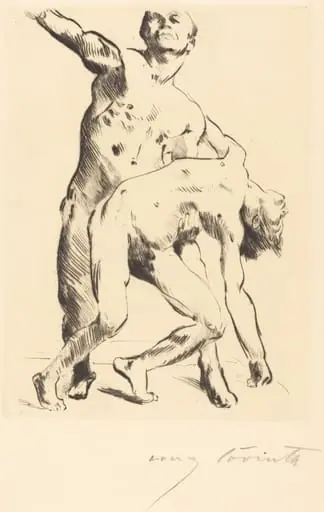 Odysseus und die Freier (Odysseus and the Suitor)
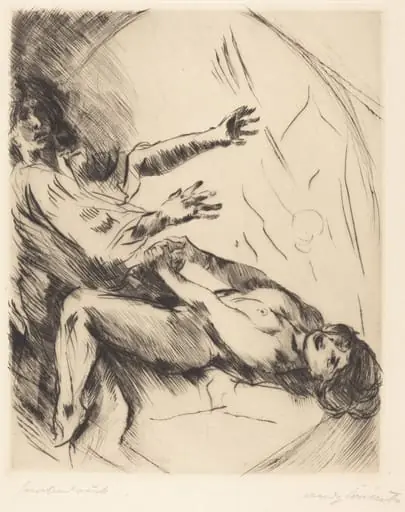 Joseph und Potiphars Weib I (Joseph and Potiphar's Wife I)
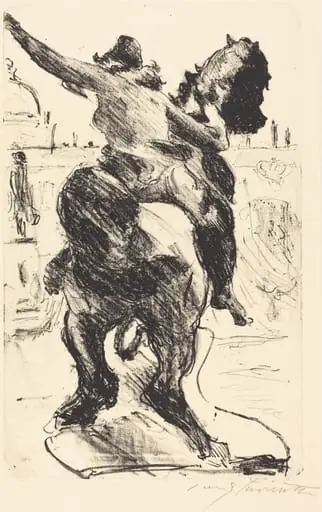 Amazonenstatue auf der Freitreppe des Alten Museums (Statue of an Amazon at the Alte Museum)
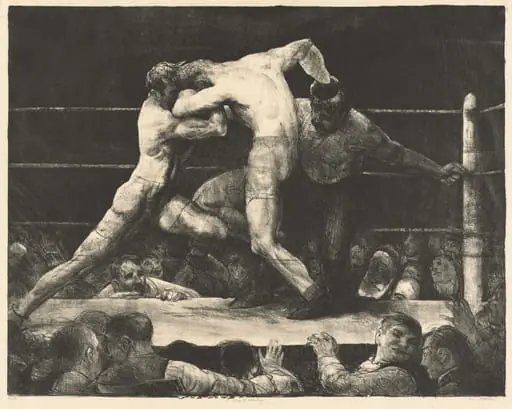 A Stag at Sharkey's
 Joseph und Potiphars Weib II (Joseph and Potiphar's Wife II)
 Dempsey Through the Ropes
 Untitled
 A Knockout
 Frauenraub III (Abduction III)