Artwork
Cain and Abel
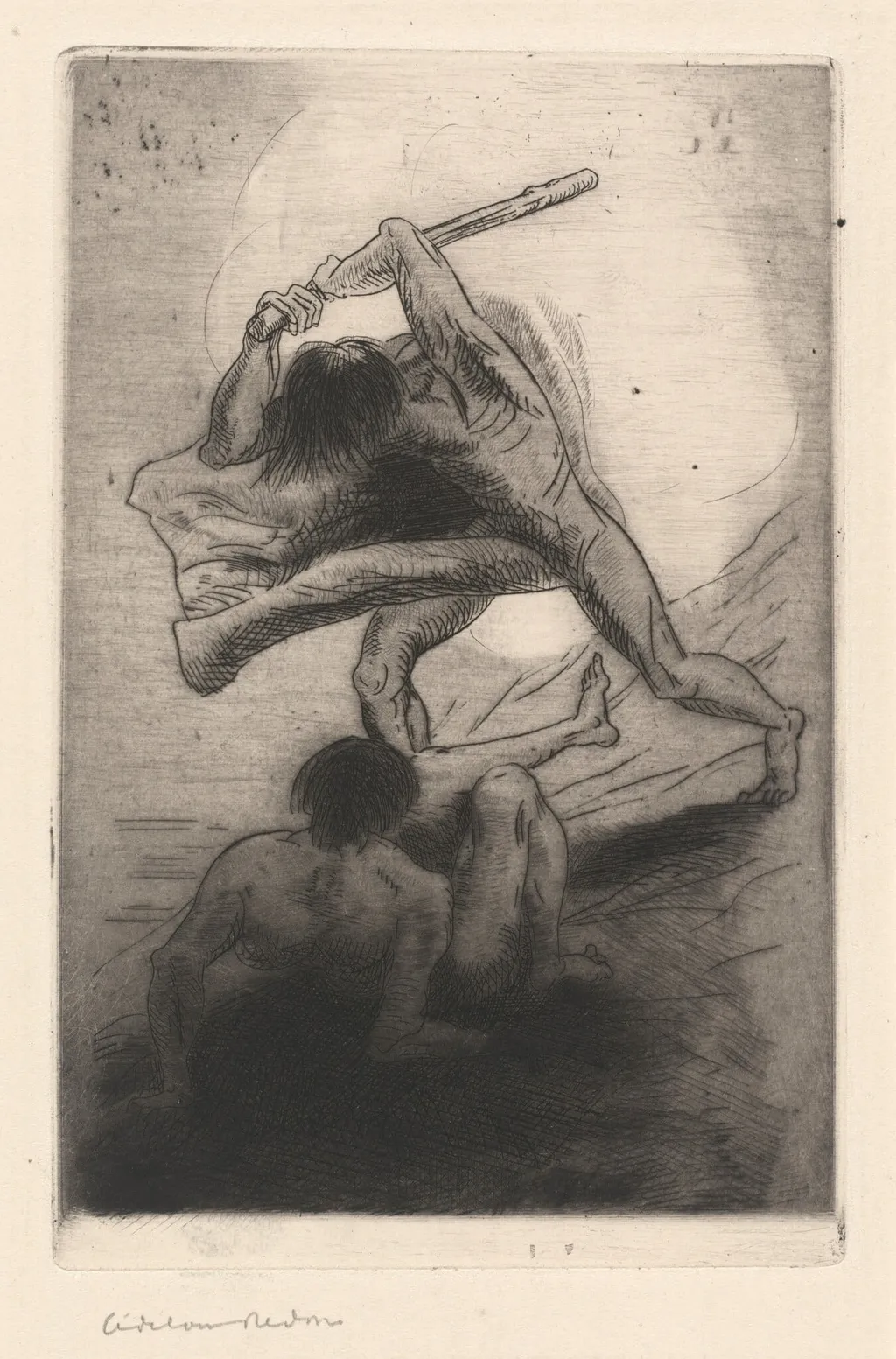
Cain and Abel is an ink print by the Impressionist artist Odilon Redon. It dates from 1886 and is held in the collection of the National Gallery of Art.
About this work
Overview
Odilon Redon’s 1886 etching titled *Cain and Abel* presents a stark, confrontational tableau rendered on wove paper. The work captures a moment of imminent violence between two figures, one elevated and poised with a club, the other crouched and averting his gaze. The composition is rendered in abrupt, angular lines and deep shadows, conveying tension without ornamental detail.
Subject & Meaning
The image alludes to the biblical narrative of the first fraternal murder, emphasizing the psychological clash rather than a literal recounting. By isolating the aggressor above the victim and focusing on their gestures, Redon underscores themes of power, guilt, and the inevitability of conflict, inviting viewers to contemplate the underlying moral drama.
Technique & Style
Created through the etching process, Redon incised the design onto a metal plate, allowing acid to bite the lines and produce varied ink depths. The resulting prints display a scratch‑like quality, with thickened ink in shadowed zones and sharply cut edges. This method yields a raw, textural surface that heightens the work’s sense of immediacy and unrest.
History & Provenance
The etching was produced in the late nineteenth century, a period when Redon explored darker, symbolic subjects through printmaking. While specific ownership records are scarce, the piece has been catalogued among Redon’s graphic oeuvre and appears in several scholarly surveys of his work, confirming its place within his broader artistic development.
Artist & collection
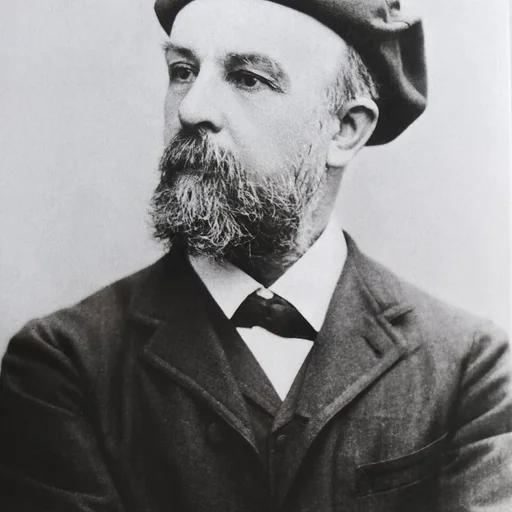
Artist
Born Bertrand-Jean Redon on 20 April 1840 in Bordeaux, the artist adopted the name Odilon from his mother, Marie-Odile.

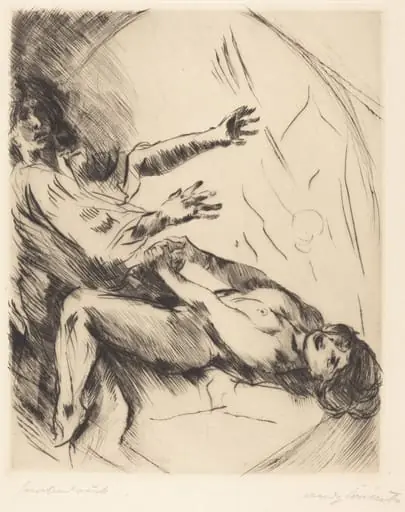 Joseph und Potiphars Weib I (Joseph and Potiphar's Wife I)
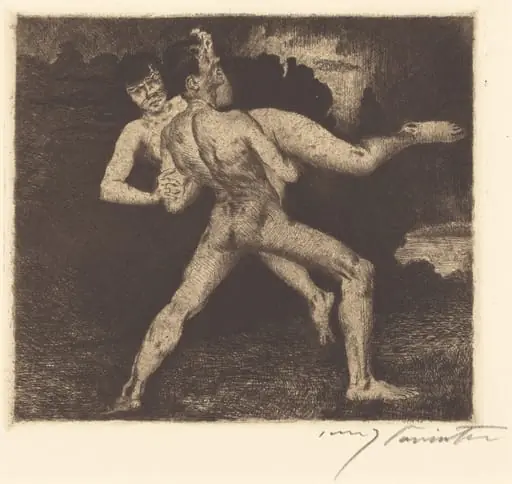 Entführung (Abduction)
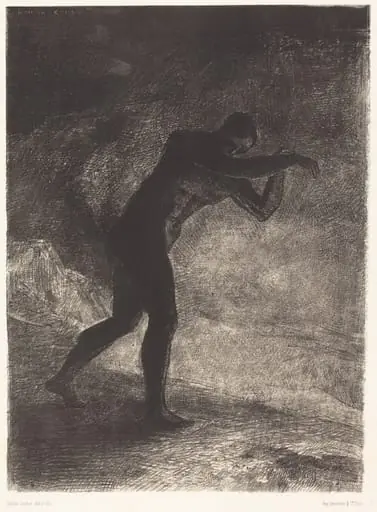 Et l'homme parut, interrogeant le sol d'ou il sort et qui l'attire, il se fraya la voie vers (And Man appeared; questioning theearth from which he emerged and which attracts hi m, he made his way toward somber brightness)
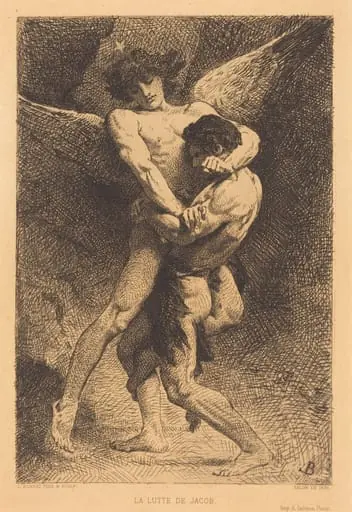 La Lutte de Jacob (Jacob Wrestling with the Angel)
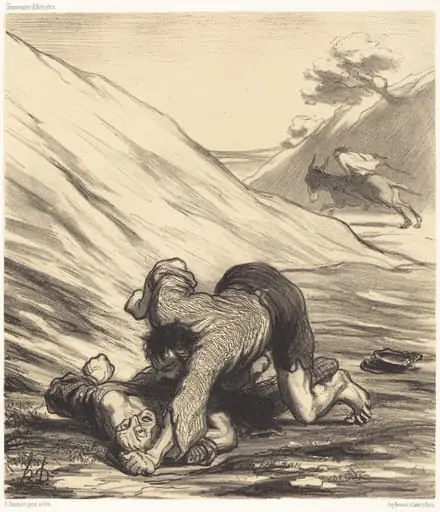 L'Ane et les deux voleurs
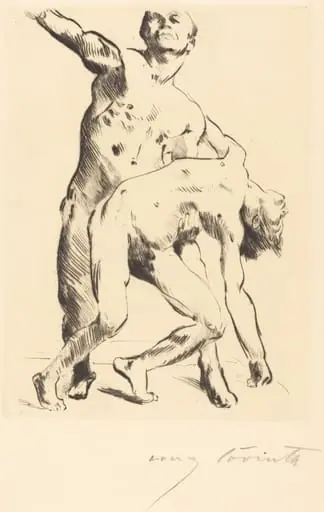 Odysseus und die Freier (Odysseus and the Suitor)
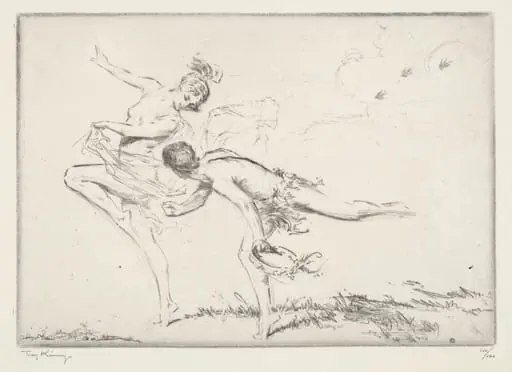 Swallows
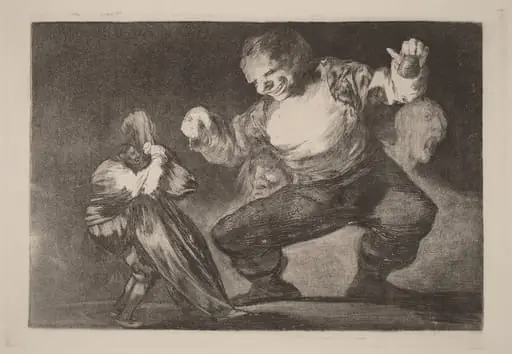 Bobalicon (Simpleton)
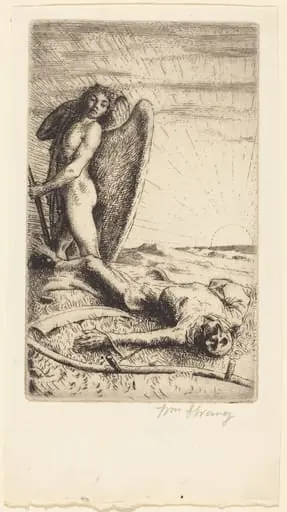 Death Defeated
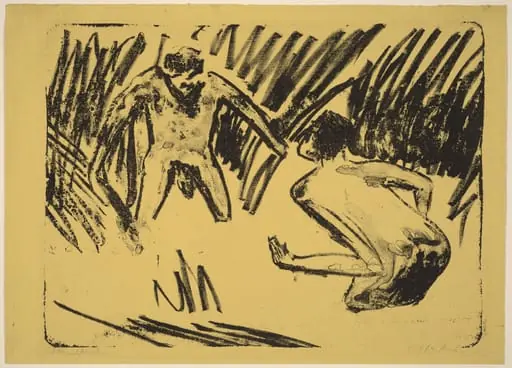 Men Splashing in the Reeds (Sich Spritzende Männer im Schilf)
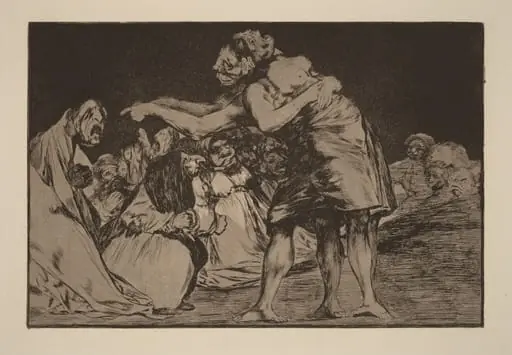 Disparate desordenado (Disorderly Folly)
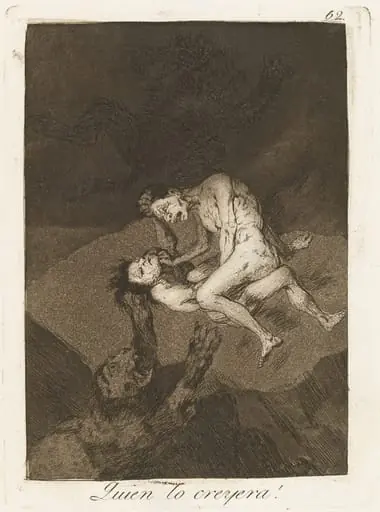 Quien lo creyera! (Who Would Have Thought It!)