Artwork
Milchwagen (Milk Wagon)
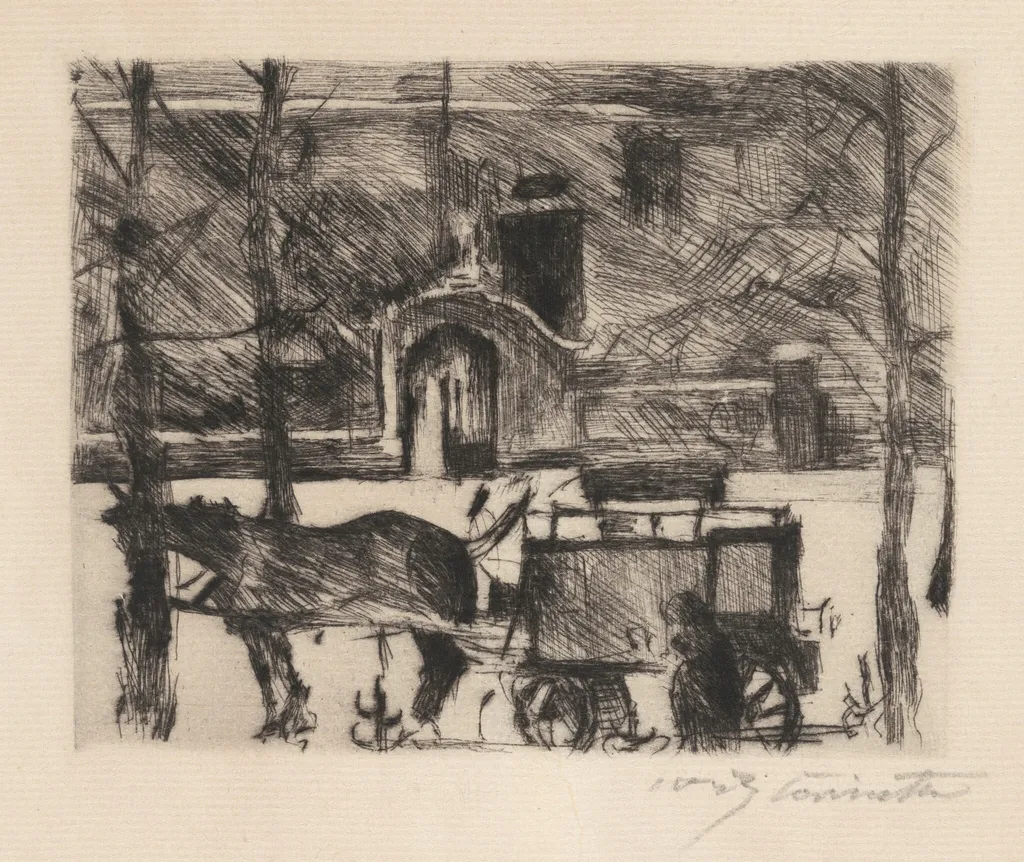
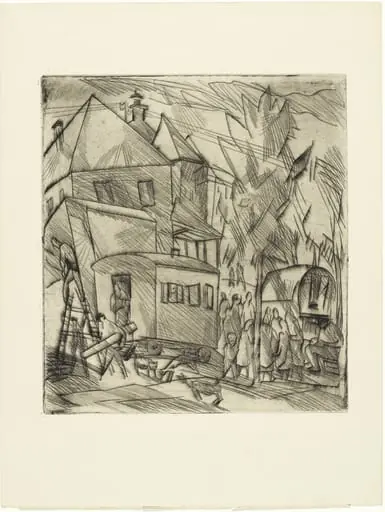
Milchwagen (Milk Wagon) is an ink print by Lovis Corinth. It dates from 1916 and is held in the collection of the National Gallery of Art.
About this work
Overview
Corinth, then sixty years old, continued to produce prints with vigor, drawn to the medium’s capacity for expressive line and tonal depth.
Created in 1916, Milchwagen is a small drypoint print by Lovis Corinth, measuring 11.1 by 14 cm. Executed on wove paper, the work captures a solitary horse-drawn milk cart moving along a quiet lane. Corinth, then sixty years old, continued to produce prints with vigor, drawn to the medium’s capacity for expressive line and tonal depth. The image conveys quiet movement and everyday life, rendered with deliberate economy.
Subject & Meaning
The scene portrays a modest milk wagon, pulled by a single horse, with a driver dressed in period attire. The setting suggests a rural or semi-rural outskirts, where such deliveries were still common. No dramatic event occurs; the quietude of the moment reflects Corinth’s interest in ordinary routines. The horse, central to the composition, embodies labor and endurance, rendered with anatomical precision that hints at deeper respect for the animal’s role.
Technique & Style
Corinth employed drypoint, scratching directly into a metal plate to create rich, velvety lines. The technique allows for deep shadows and fine, broken strokes that suggest texture and motion. Background elements—trees, buildings—are softly blurred, drawing focus to the wagon and horse. The horse’s musculature is defined through layered, incised lines, revealing Corinth’s close observation of anatomy and his mastery of the medium’s tactile qualities.
History & Provenance
Made during Corinth’s later years, Milchwagen belongs to a period when he increasingly turned to printmaking after a stroke in 1911. Though his physical coordination was affected, his artistic output remained prolific. The print entered the collection of the National Gallery of Art in Washington, D.C., where it is held as part of a broader group of his graphic works, reflecting his sustained engagement with print media into old age.
Context
In 1916, Europe was engulfed in war, yet Corinth focused on quiet, domestic scenes. His choice to depict a milk wagon—a symbol of pre-industrial routine—contrasts with the era’s upheaval. This work aligns with his broader interest in rural life and animal subjects during this time, offering a contemplative counterpoint to the chaos of the war years, rooted in personal observation rather than political commentary.
Legacy
Milchwagen exemplifies Corinth’s late printmaking phase, where technical precision merged with emotional restraint. His use of drypoint influenced later generations of German graphic artists who valued directness and expressive line. The work remains a quiet testament to his enduring curiosity about everyday subjects, demonstrating that artistic vitality need not depend on youth or grandeur.
Artist & collection

Artist
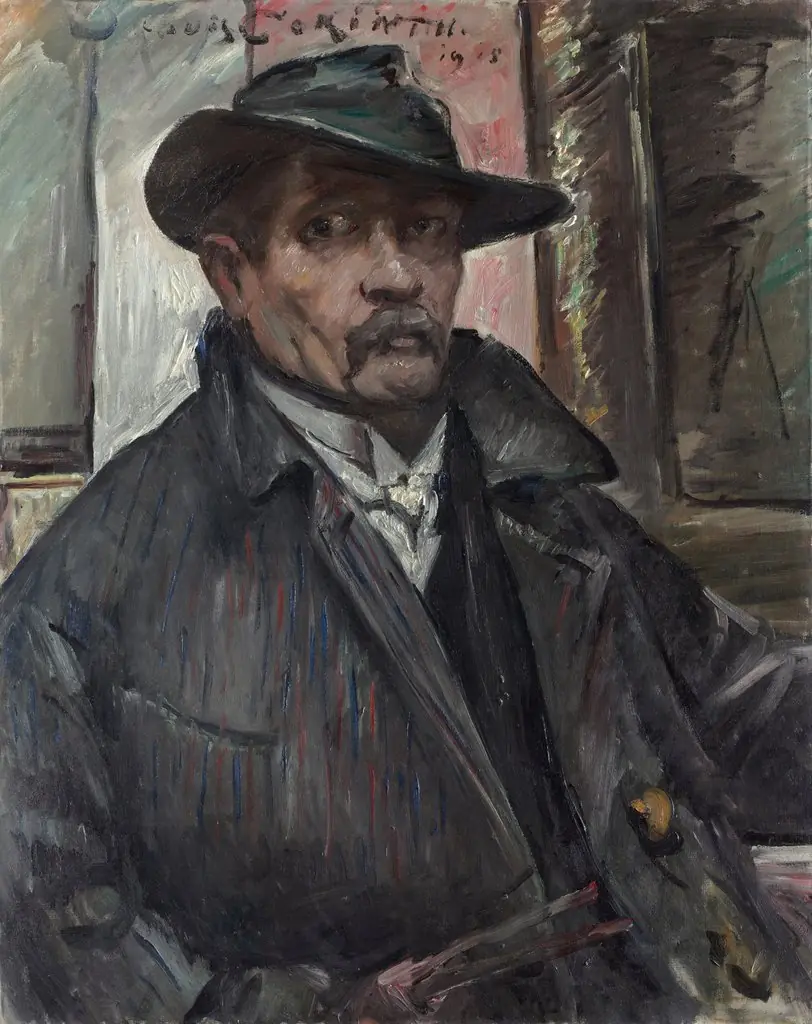
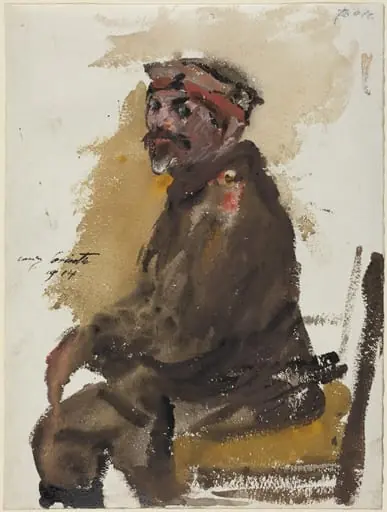
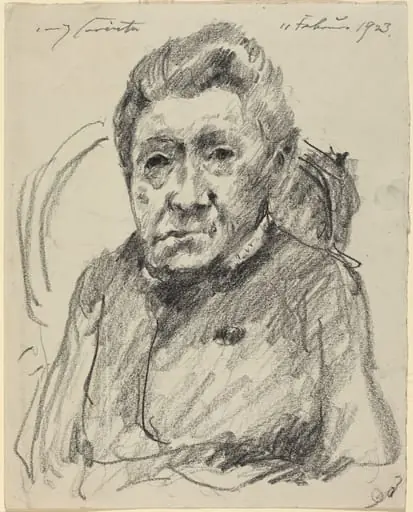
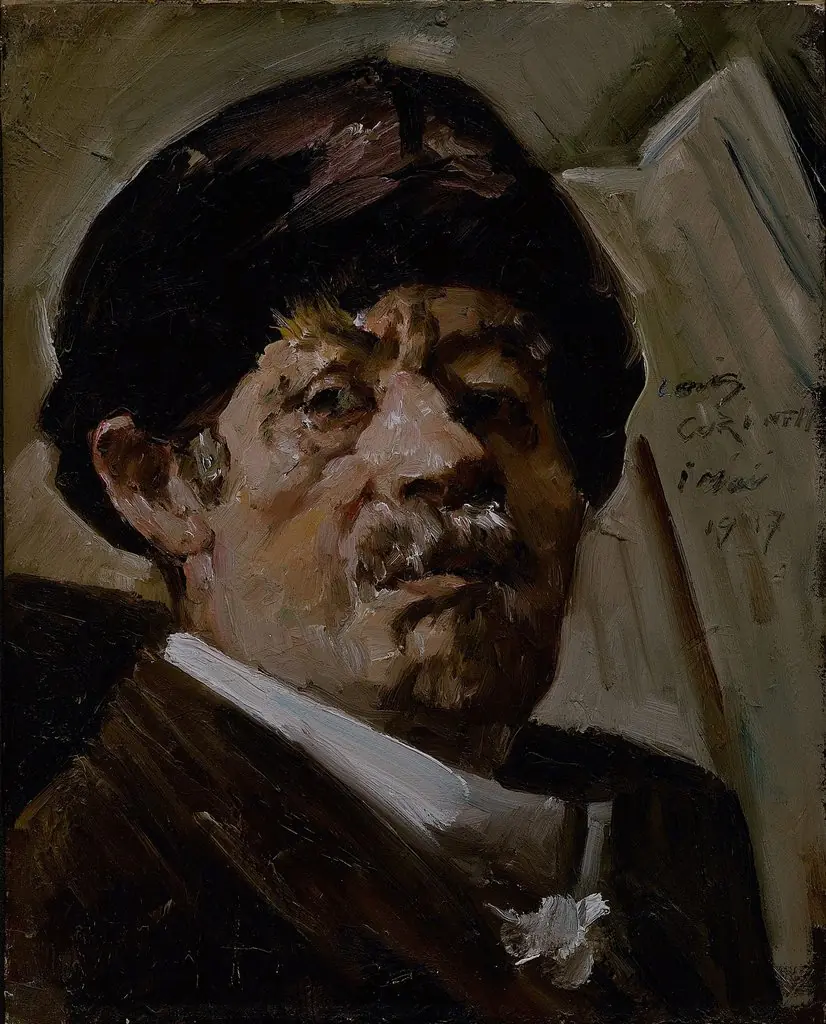
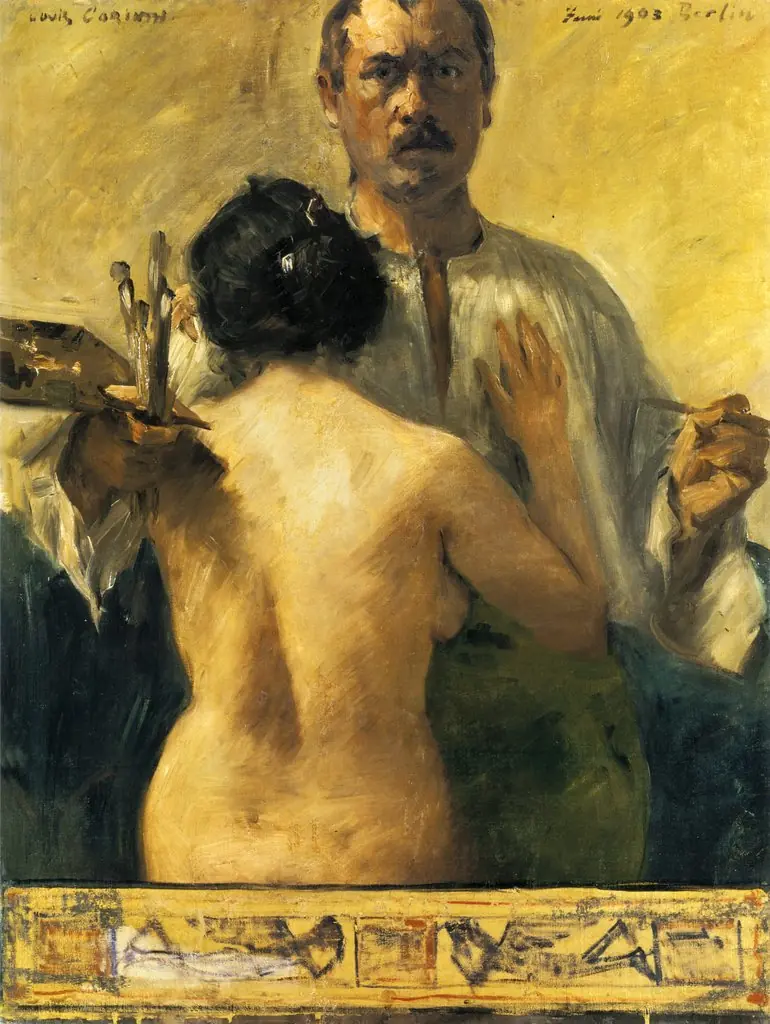
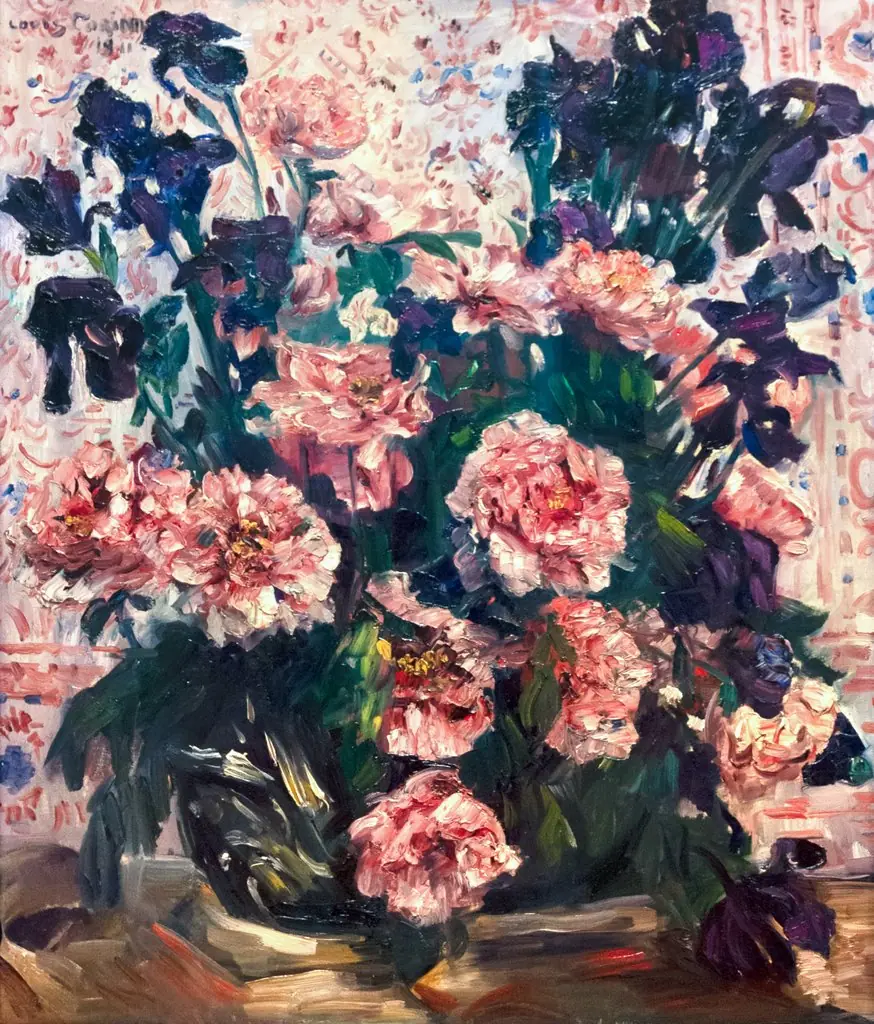
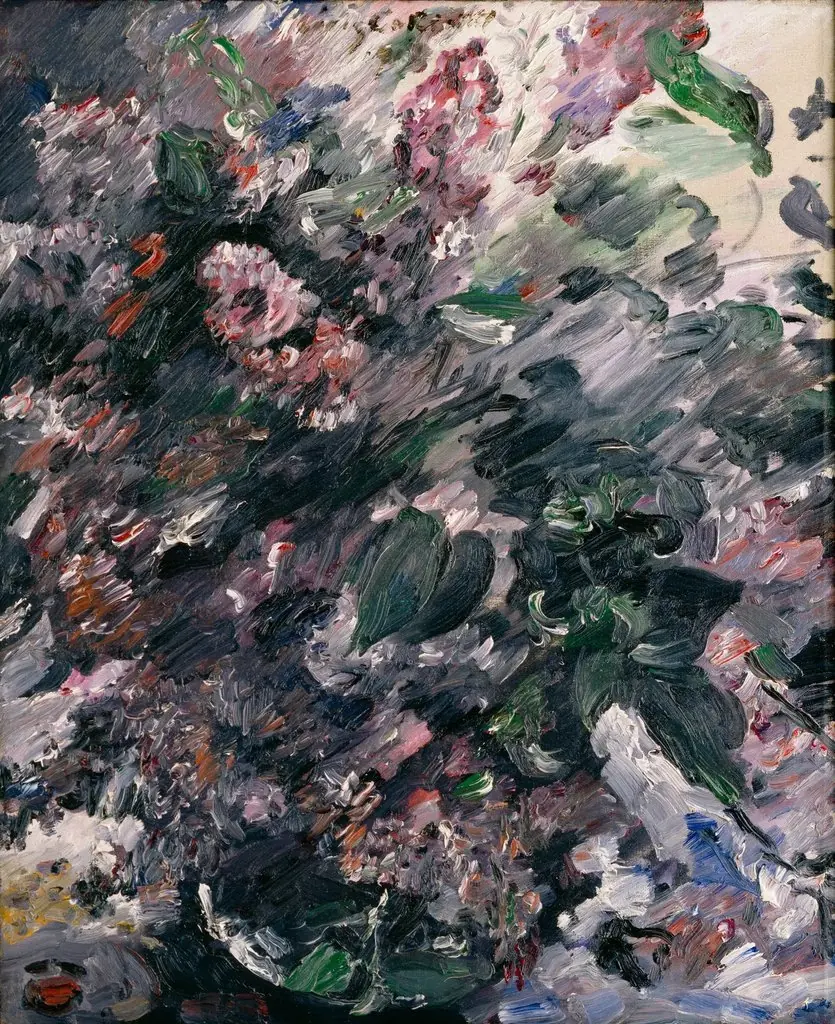
Lovis Corinth was a German artist and writer whose mature work as a painter and printmaker realized a synthesis of impressionism and expressionism.

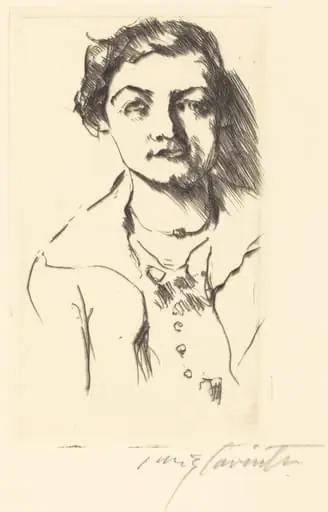
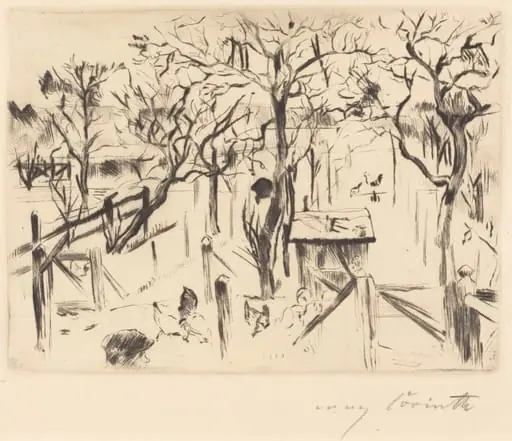 Obstgarten im Herbst (Fruit Garden in Autumn)
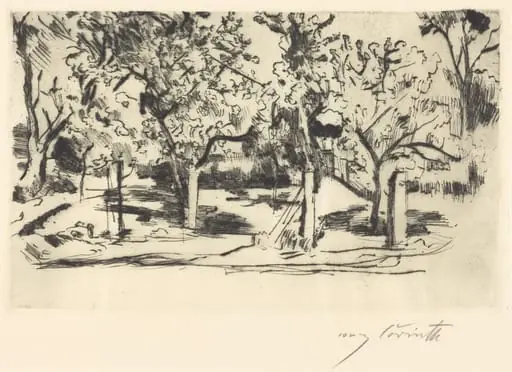 Obstgarten (Orchard)
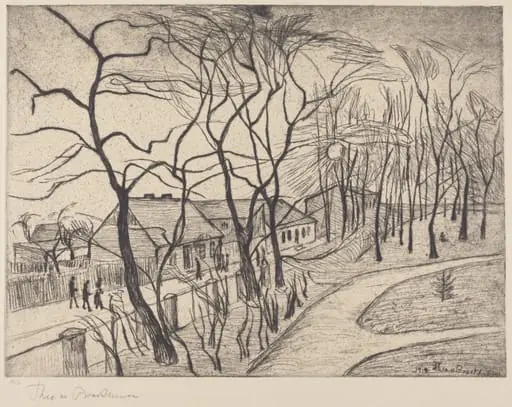 Landscape
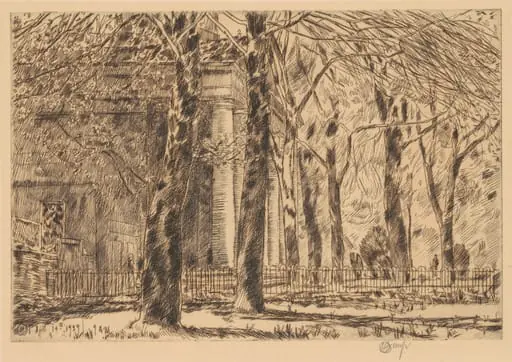 First Leaves—Spring in Washington, St. John's
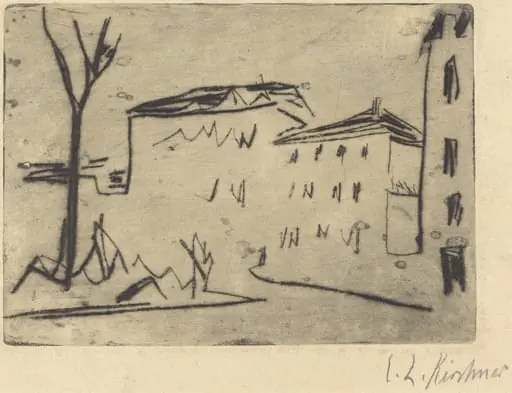 Street Corner in Dresden (Strassenecke Dresden)
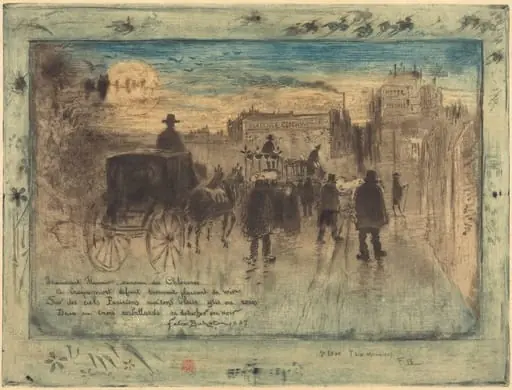 Convoi Funèbre au Boulevard de Clichy (Funeral Procession on the Boulevard de Clichy)
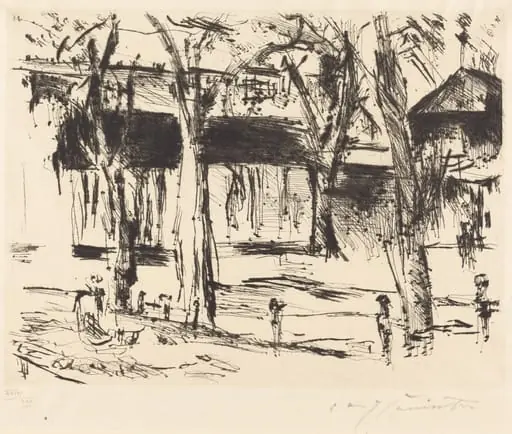 Bahnhof Tiergarten (Court with Trees)
 Petite rue Royale
 Untitled
 Landscape
 Street at Evening in the Rain
 Untitled