Artwork
Lady and Gentleman
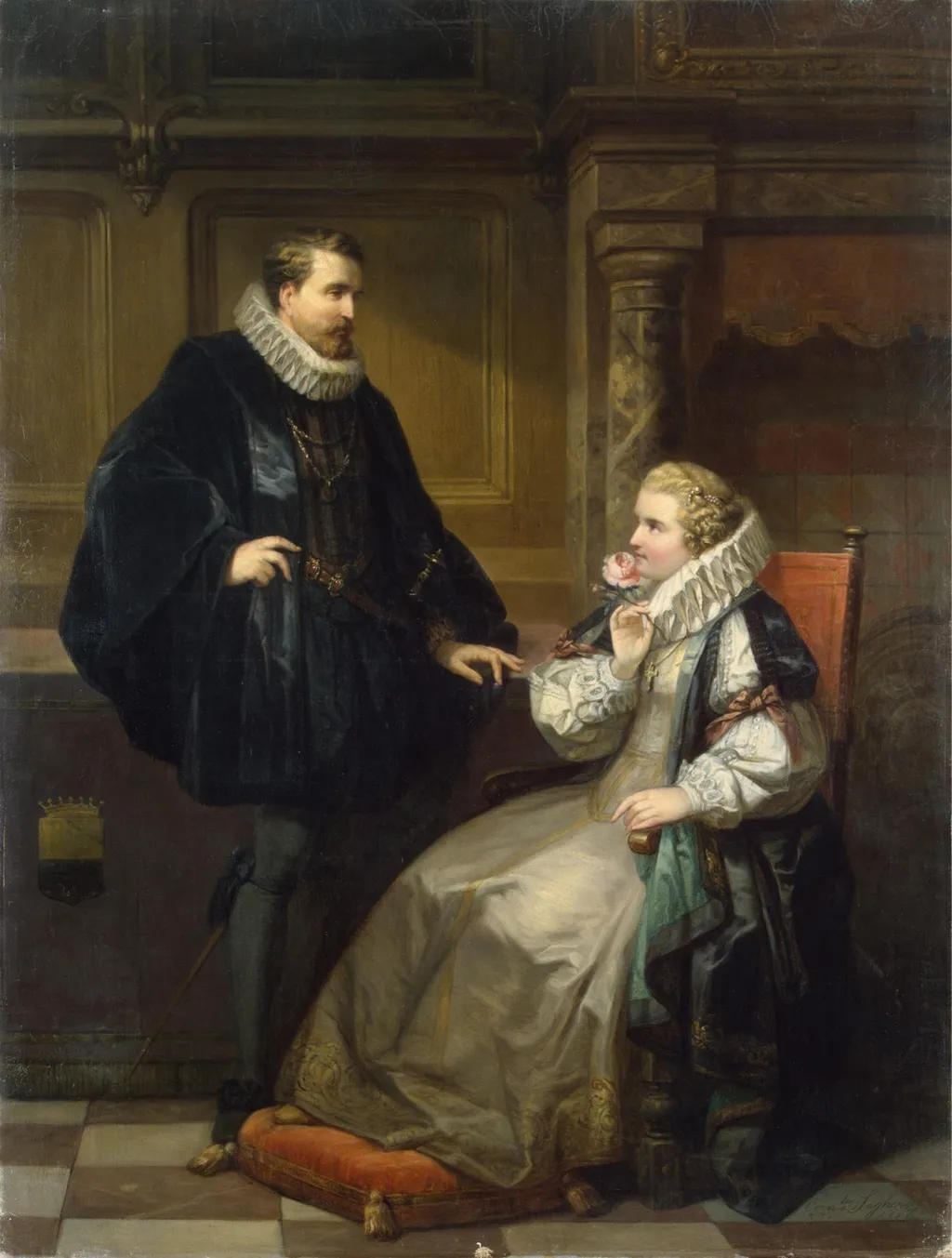
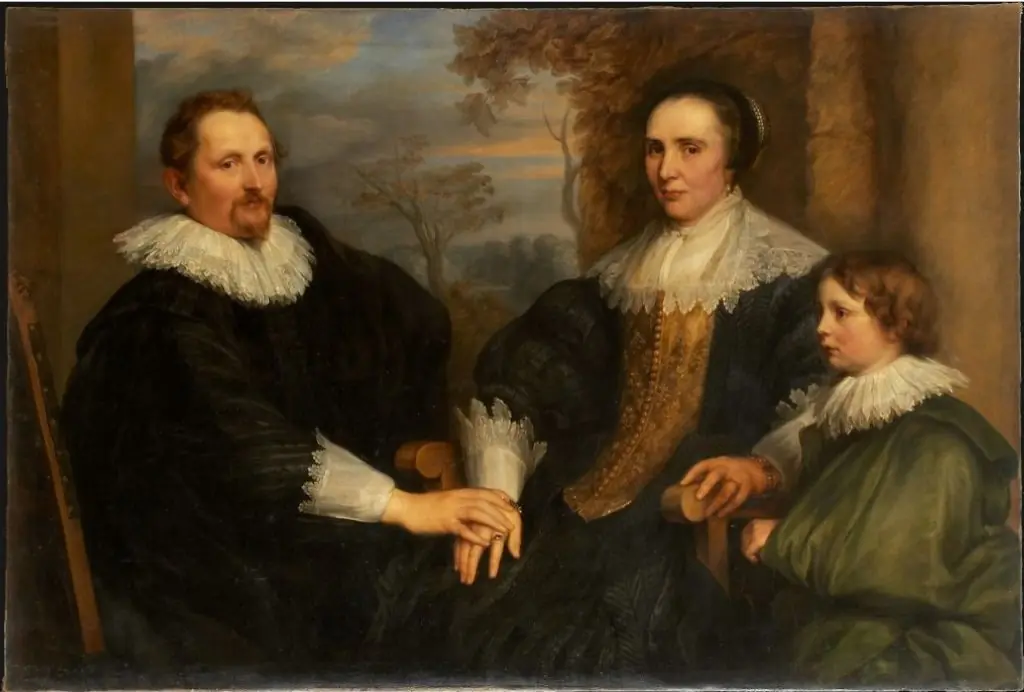
Lady and Gentleman is an oil painting by the Biedermeier artist Corneille Seghers. It dates from 1857 and is held in the collection of the Hermitage Museum.
About this work
Overview
Created in 1857, this oil on canvas by Corneille Seghers presents a formal interior scene that now belongs to the collection of the State Hermitage Museum. The composition centers on a seated woman and a standing man, whose refined clothing and poised demeanor convey a cultivated atmosphere typical of mid‑nineteenth‑century portraiture.
Subject & Meaning
The work shows a gentleman positioned on the left in a dark, richly ornamented costume with a ruffled collar, while the lady on the right occupies a chair, wearing a white and gold dress accented by a black shawl. She holds a single rose, a conventional symbol of affection or courtship, suggesting a private yet socially aware interaction between the two figures.
Technique & Style
Seghers employs chiaroscuro to model the figures, contrasting illuminated areas of the faces and garments with deeper shadows that recede into the surrounding interior. This handling of light creates a three‑dimensional effect, emphasizing the texture of fabrics and the subtle gradations of the room’s architectural elements, such as the column and doorway.
History & Provenance
After its completion in 1857, the painting entered the holdings of the State Hermitage Museum, where it remains on display. The museum’s acquisition records indicate that the work was obtained as part of a broader 19th‑century European painting collection, reflecting the institution’s interest in representing French academic portraiture of the period.
Artist & collection

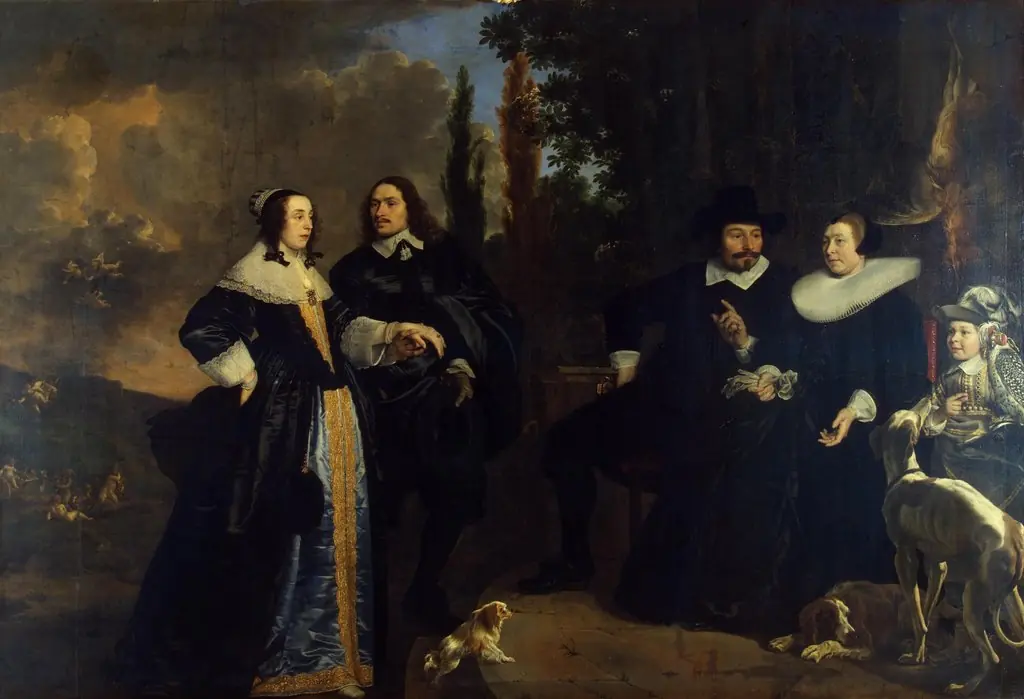 Family Portrait
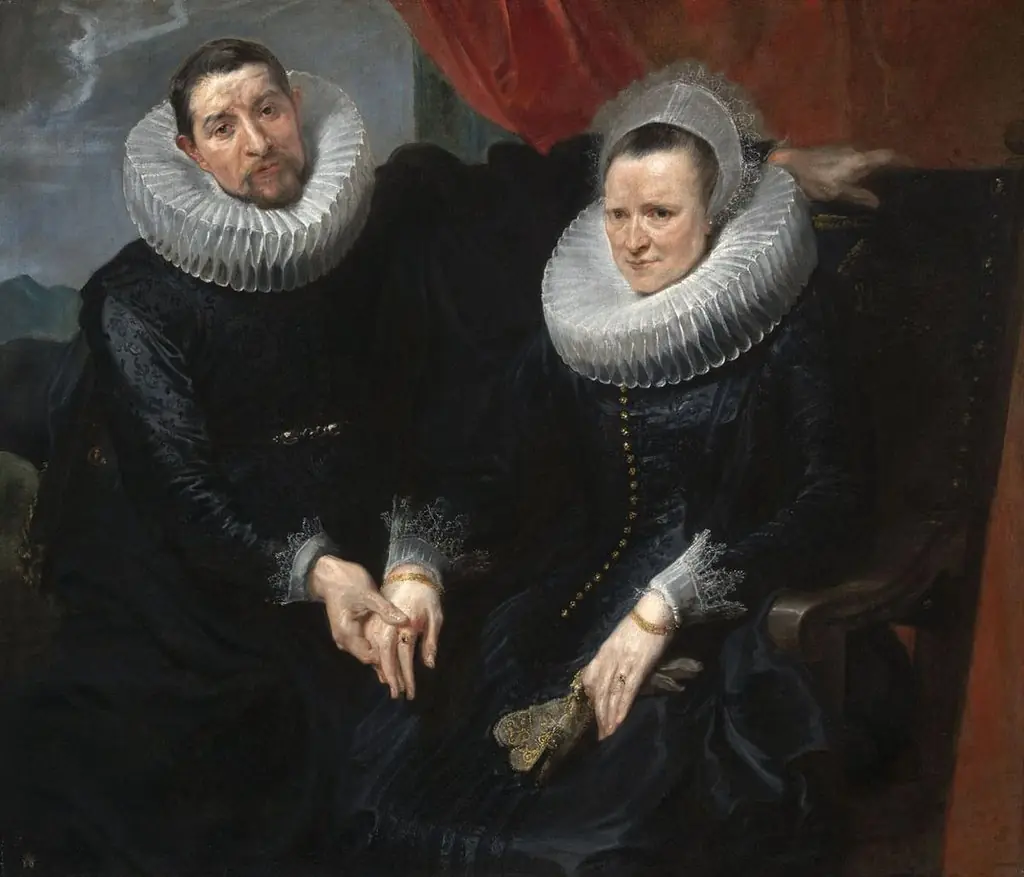 Portrait of a Married Couple
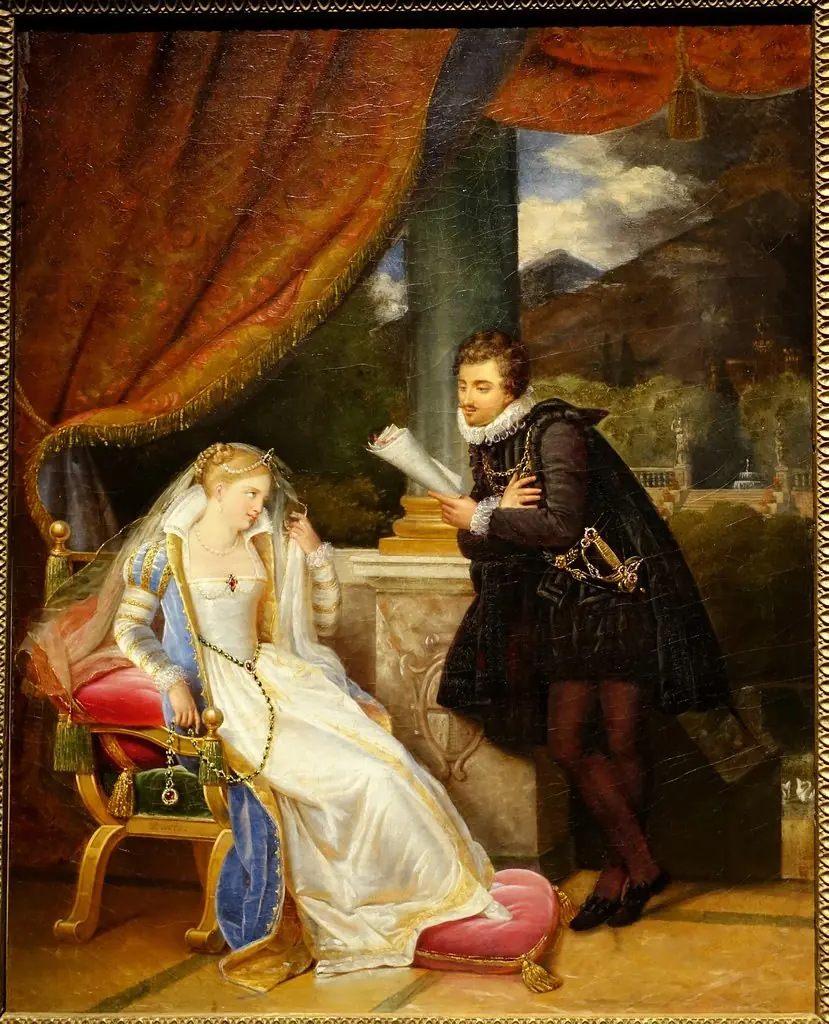 Le Tasse lisant à la princesse Éléonore un épisode de « La Jérusalem délivrée »
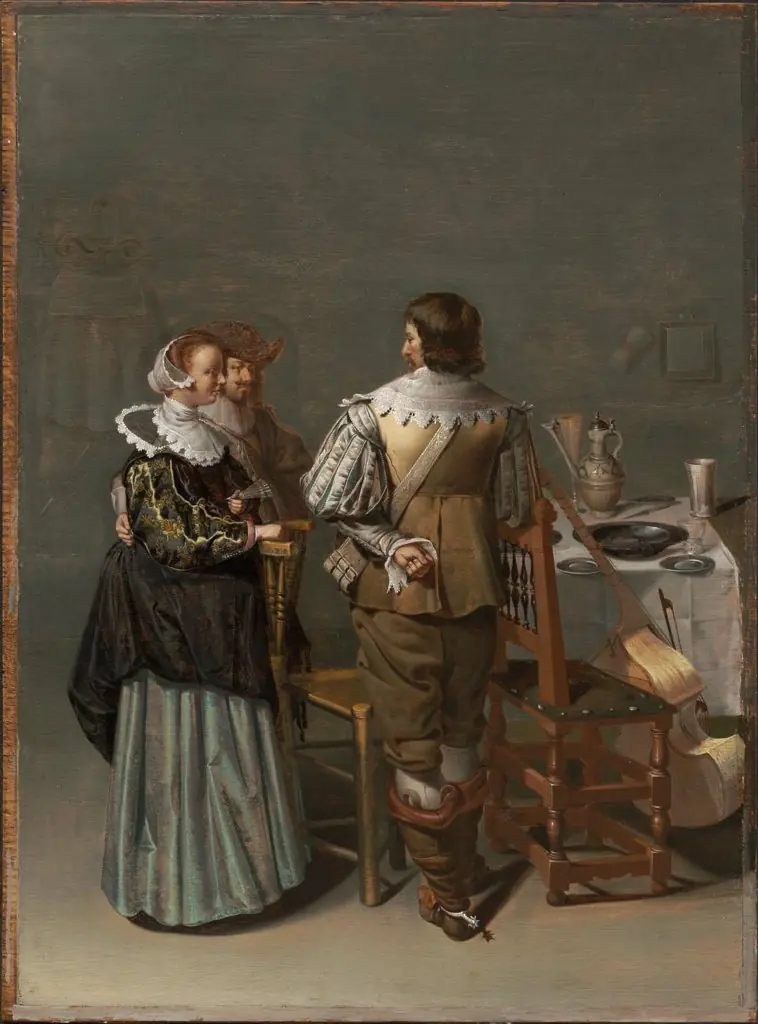 A Merry Company
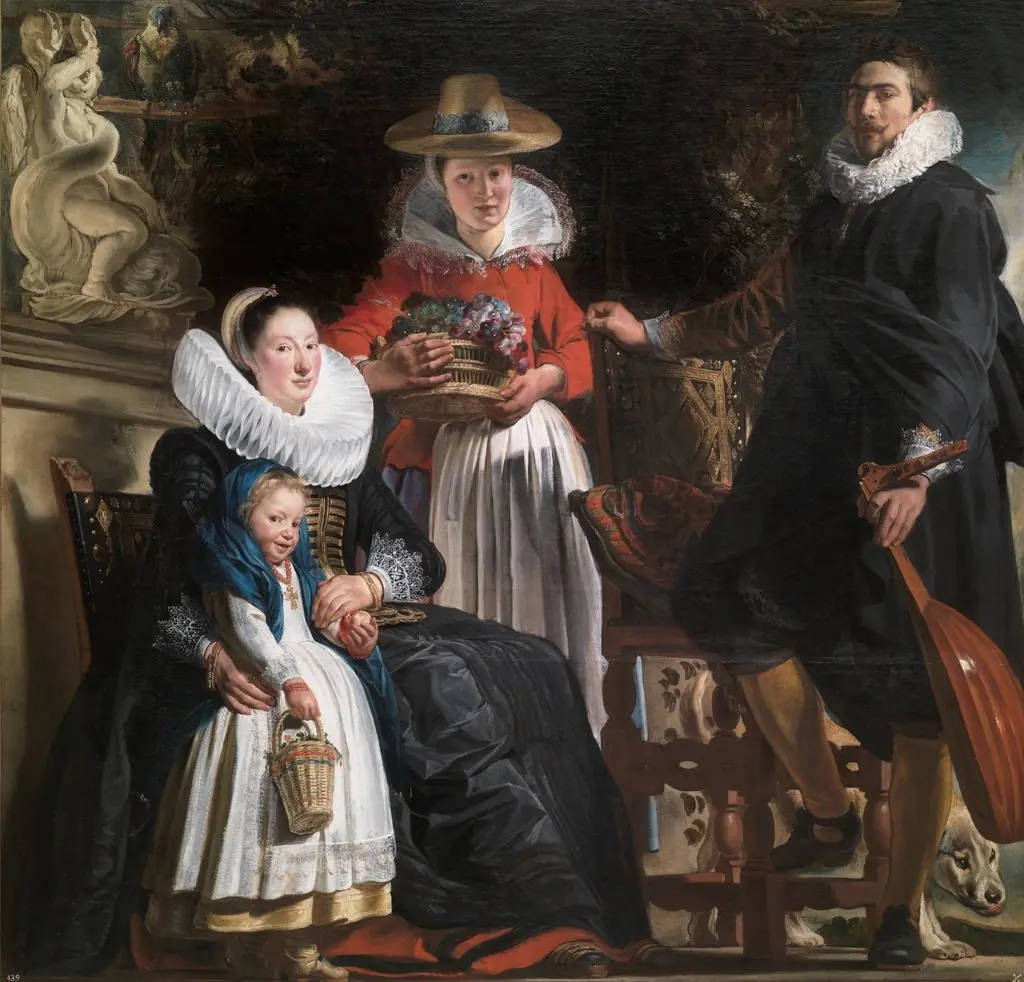 Portrait of the artist with his family
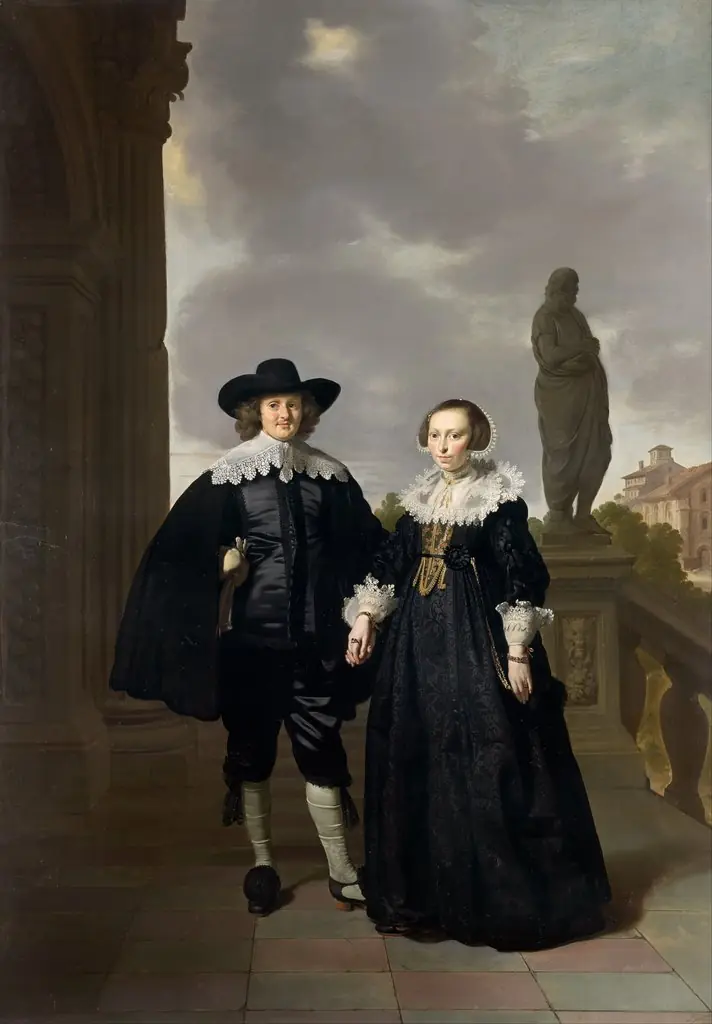 Frederick van Velthuysen and his wife, Josina
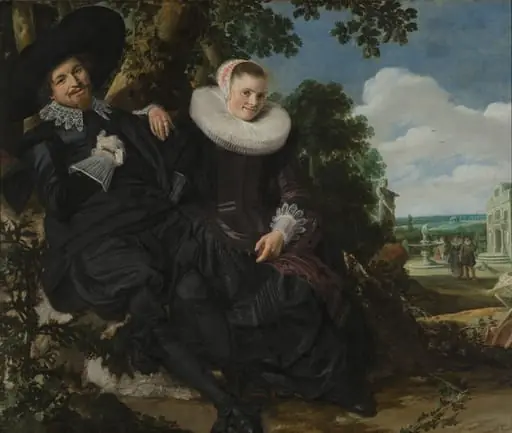 Portrait of a Couple, Probably Isaac Abrahamsz Massa and Beatrix van der Laen
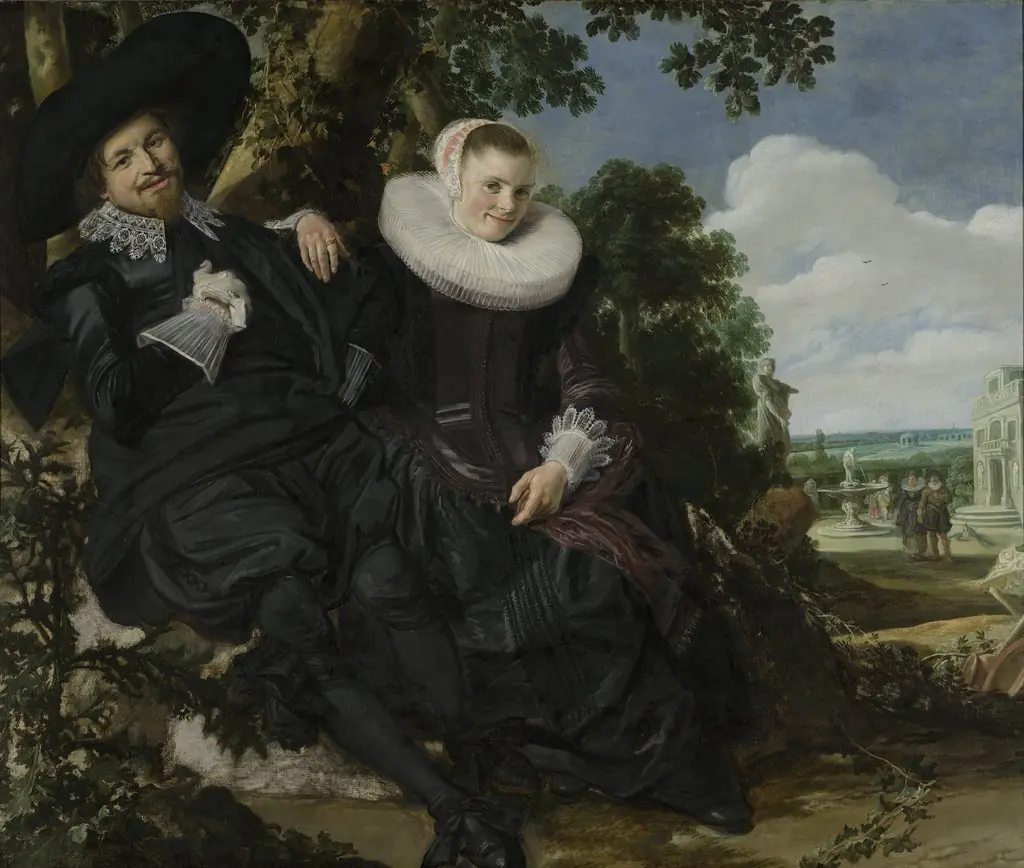 Portrait of a Couple probably Isaac Massa and Beatrix van der Laen
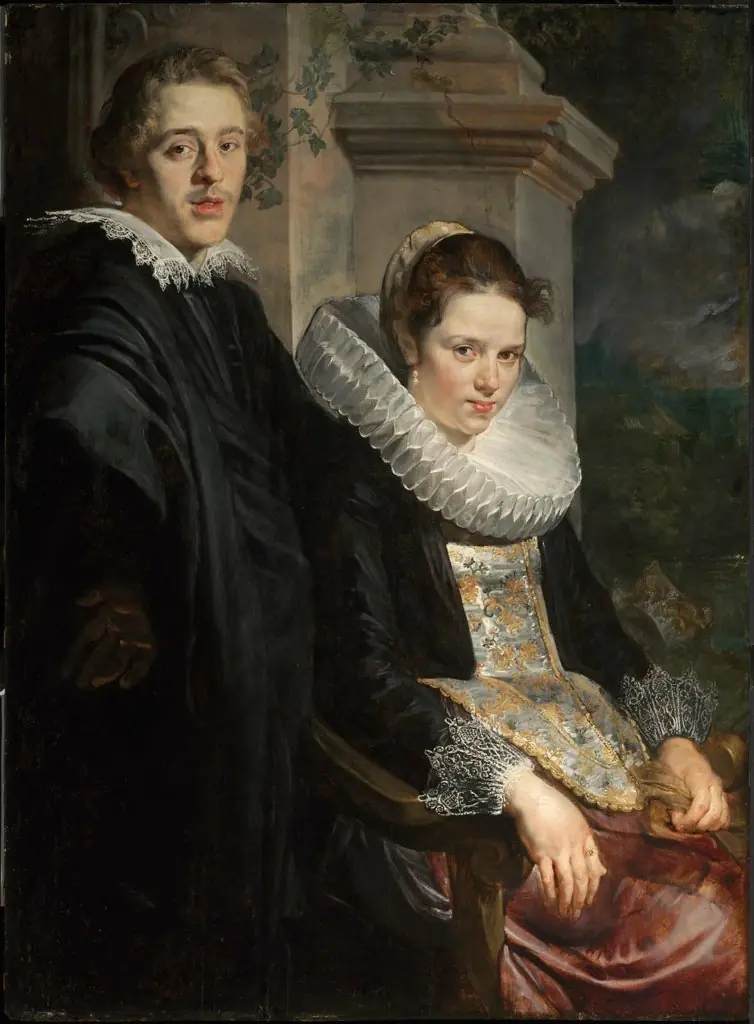 Portrait of a Young Married Couple
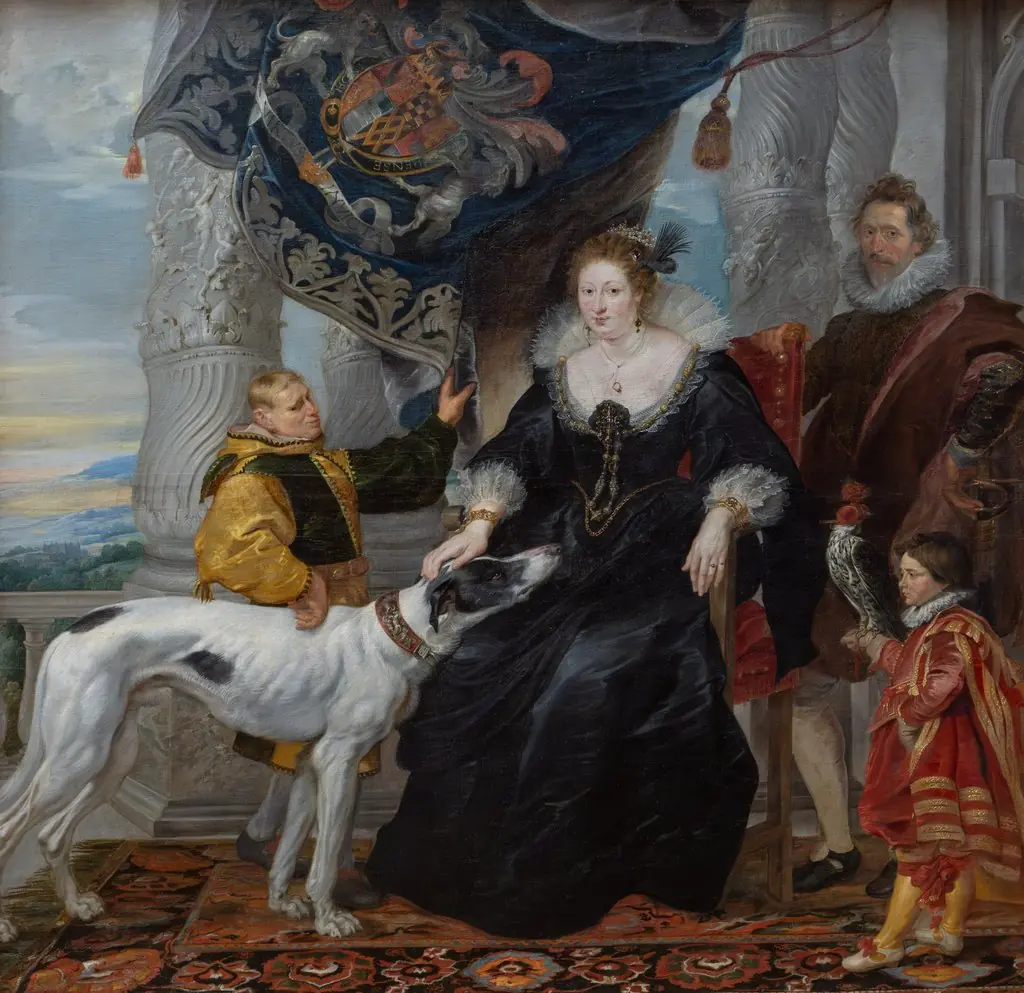 Double portrait of Alethea Talbot (1585-1654), Countess of Arundel and Sir Dudley Carleton (1573-1632), with two servants
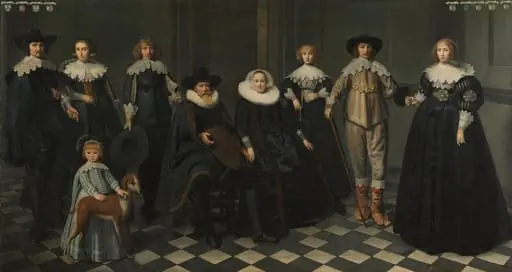 Portrait of the Family of Dirck Jacobsz Bas (1569-1637), Burgomaster of Amsterdam, and Margriet Snoeck (1588-1645)
 Portrait of the Antwerp Merchant Sebastiaen Leerse and his Family, ca. 1691 – 1740