Artwork
Self-Portrait
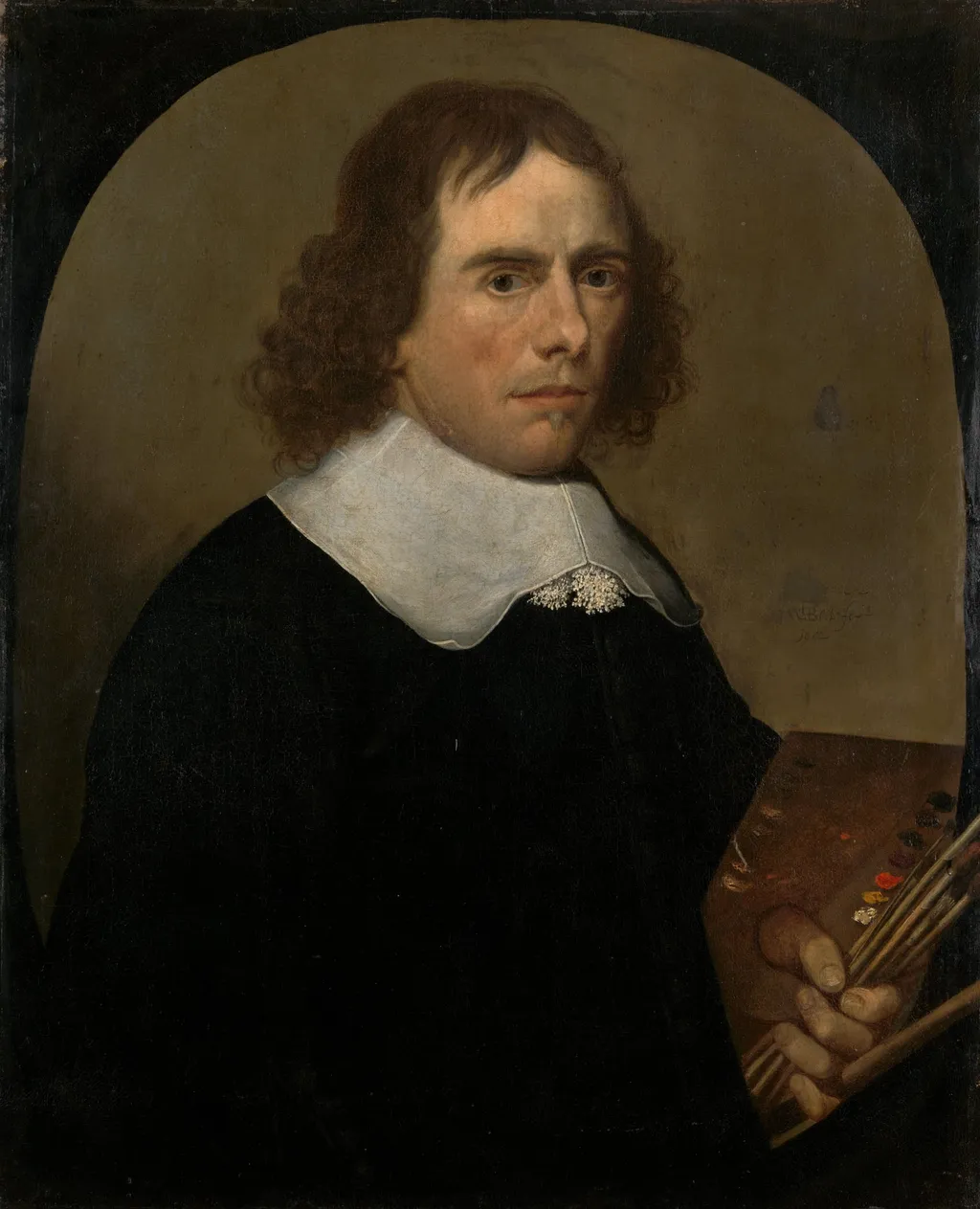
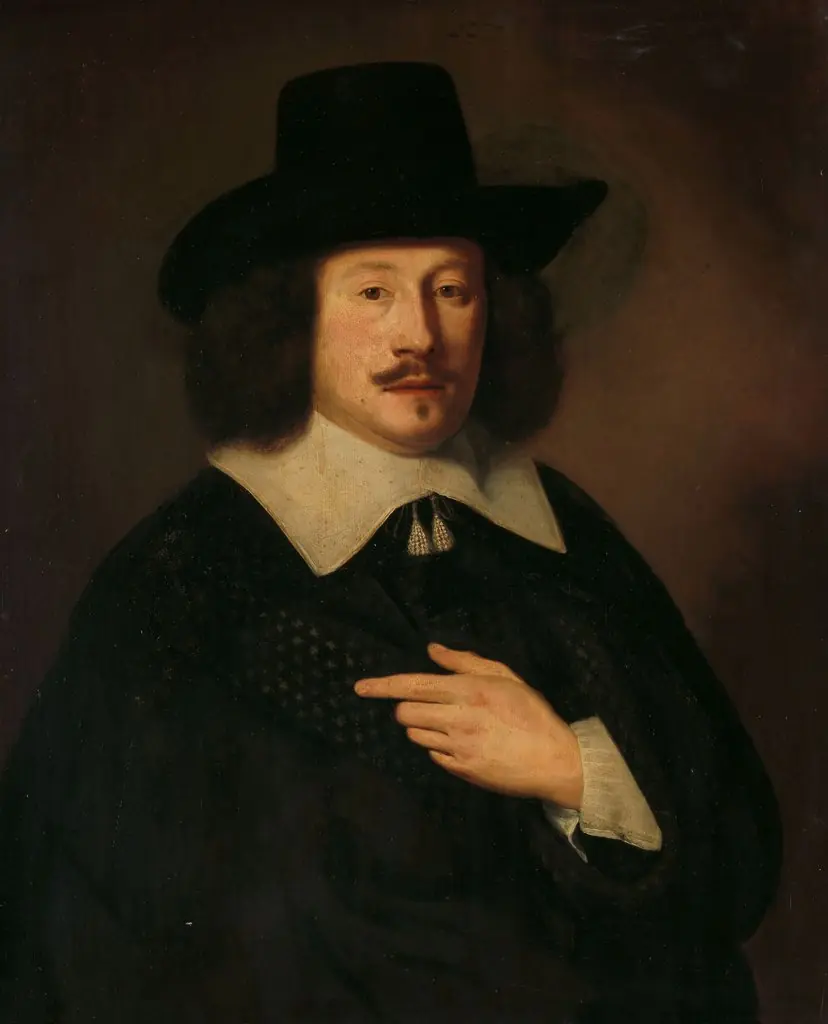
Self-Portrait is an unspecified painting by the Dutch Golden Age artist Cornelis de Beet. It dates from 1652 and is held in the collection of the Rijksmuseum. The work is a half‑length portrait executed in oil on canvas, dated 1652.
About this work
A man in a dark coat holds a wooden palette and brushes, his face half-lit by a soft glow.
A man in a dark coat holds a wooden palette and brushes, his face half-lit by a soft glow. He looks straight at you, but his eyes don’t give much away.
This is a self-portrait from 1652, but no one knows who painted it. The artist signed it with initials—G.D. Beet—but that name doesn’t match any known painter from the time. It’s like finding a photo of someone with no record of who they were.
To see more paintings like this, visit the Rijksmuseum.
Overview
The work is a half‑length portrait executed in oil on canvas, dated 1652. A man in a dark coat holds a wooden palette and a set of brushes, his face illuminated by a gentle light. He looks directly toward the viewer, though his expression remains ambiguous.
Subject & Meaning
The figure presents himself as a painter, indicated by the palette and brushes, suggesting a self‑portrait. The subdued lighting and modest pose convey a quiet professionalism rather than overt self‑aggrandizement.
Technique & Style
Rendered with a restrained palette, the painting employs chiaroscuro to model the sitter’s features. The brushwork is precise in the rendering of the tools, while the surrounding fabric and background are treated more loosely, typical of mid‑17th‑century Dutch portraiture.
History & Provenance
The canvas bears the signature “G.D. Beet,” an initialism that does not correspond to any documented artist of the period. Consequently, the painter’s identity remains uncertain, and the work is catalogued as an anonymous self‑portrait despite the signature.
Context
Created during the Dutch Golden Age, the painting reflects the era’s growing esteem for artists as skilled craftsmen. The inclusion of the painter’s tools aligns with contemporary conventions that highlighted the professional status of the creator.
Artist & collection

Artist
Dutch painter Cornelis de Biet left two small oil self portraits from 1652. Both show the artist in a dark coat with the faintest brush of white collar, his face lit from the side so one cheek catches the light. He…

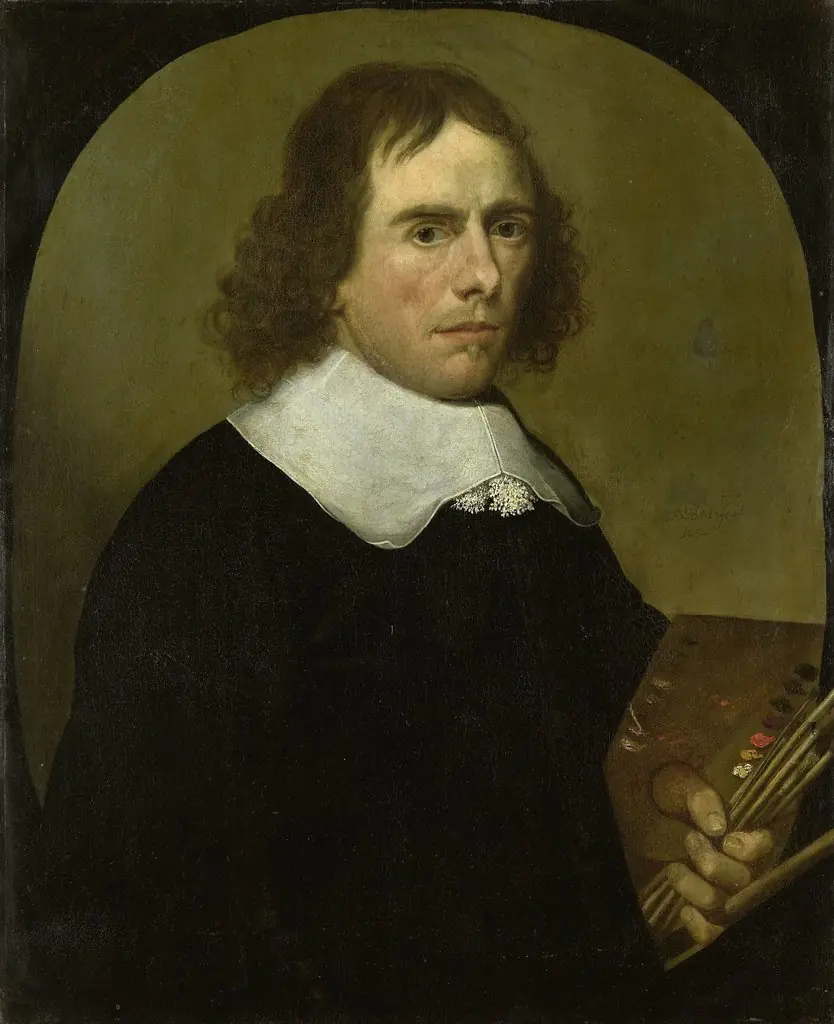 Self portrait
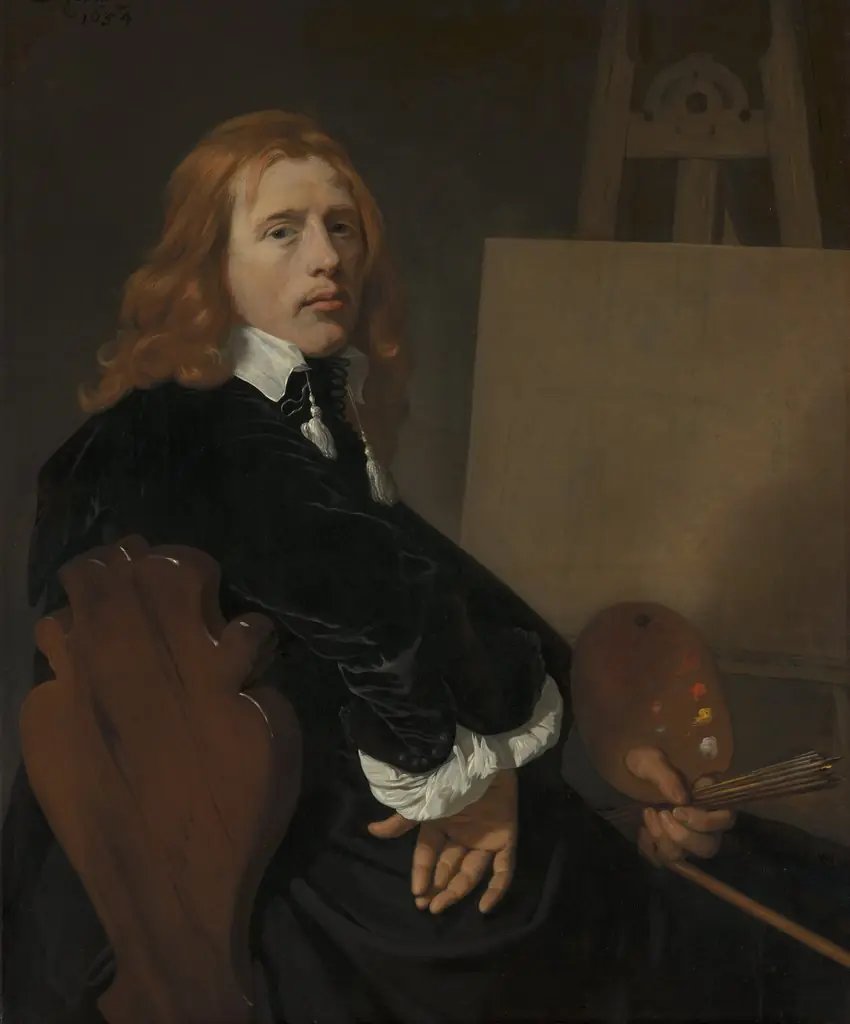 Portrait of Paulus Potter
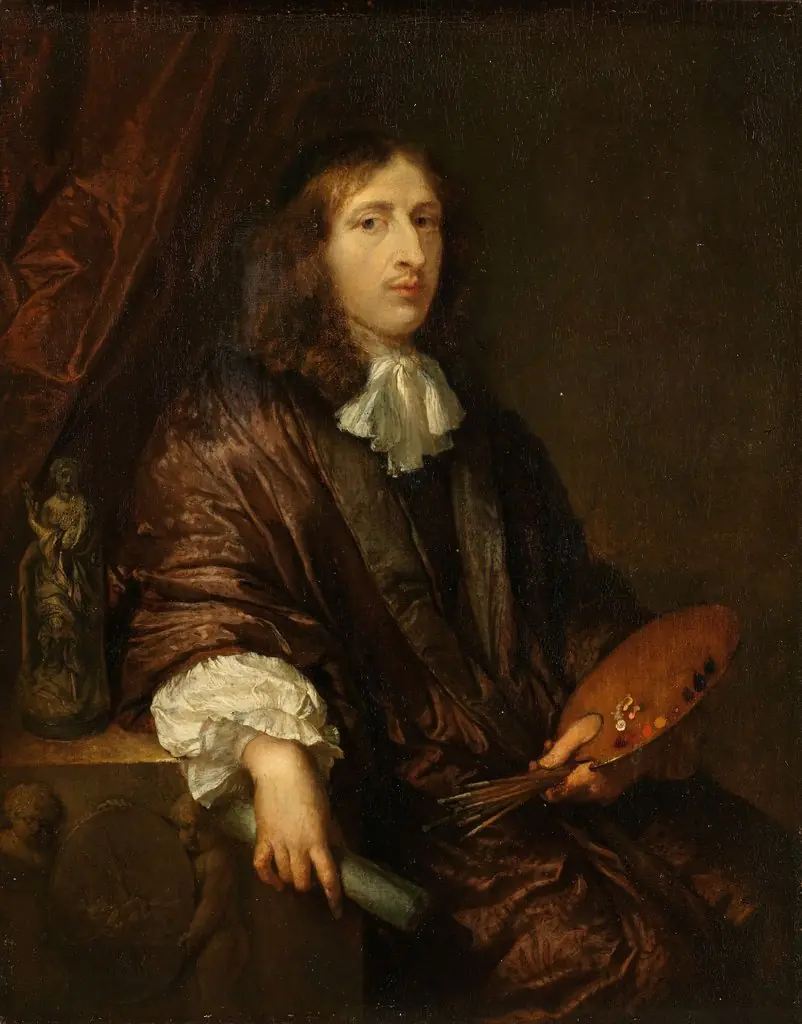 Self portrait
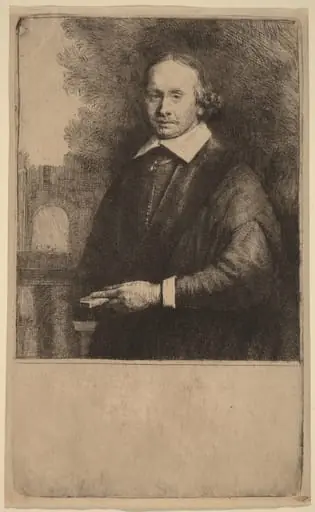 Jan Antonides van der Linden
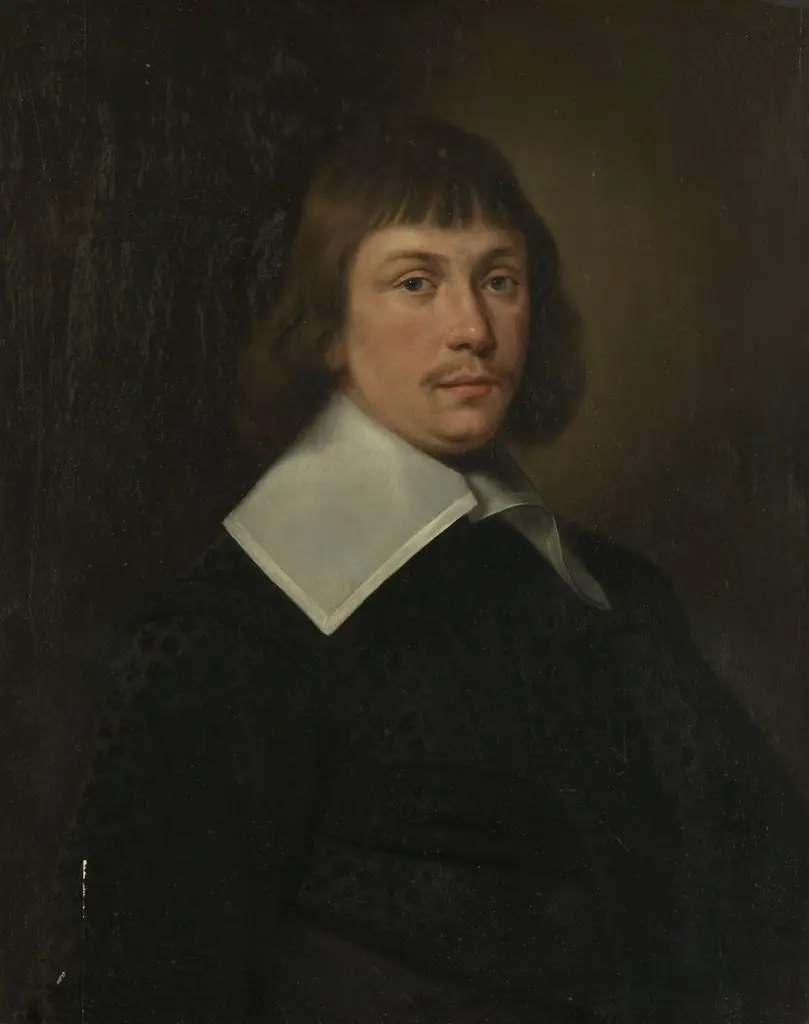 Portrait of a man
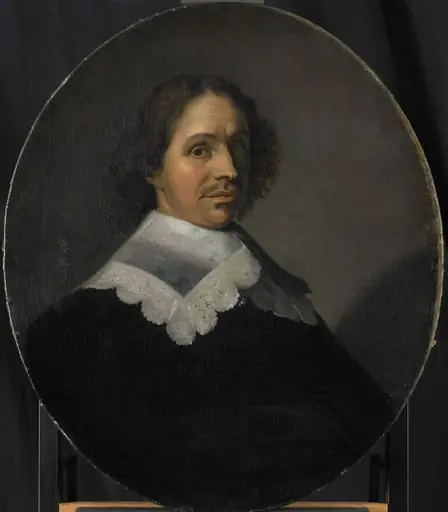 Portrait of Paulus Verschuur, Served seven terms as Burgomaster of Rotterdam and also Director of the Rotterdam Chamber of the East India Company, elected 1651
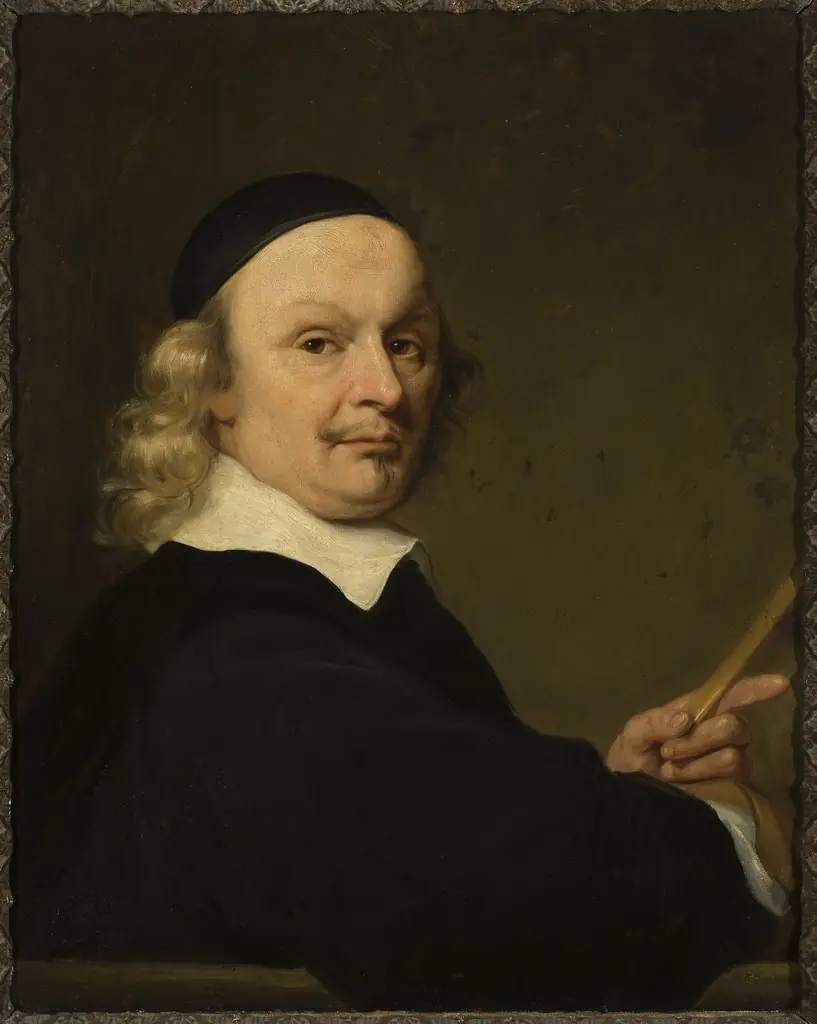 Portrait of a mathematician
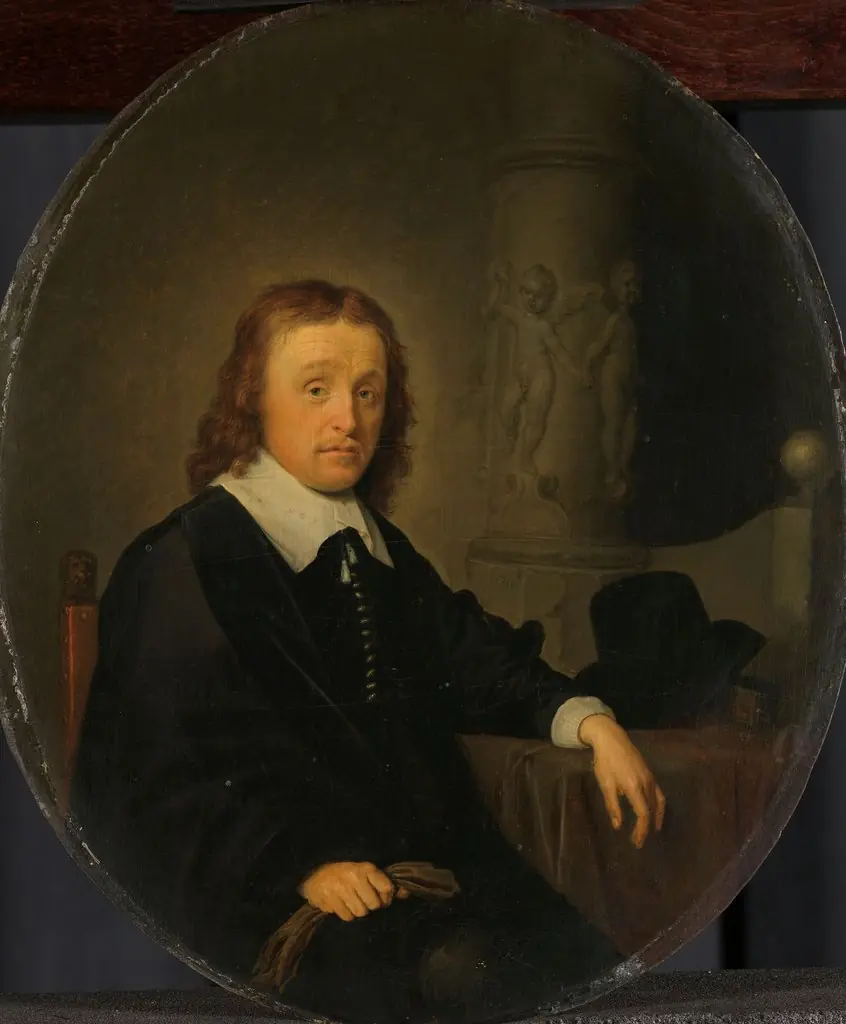 Johan Wittert van der Aa (1604-70)
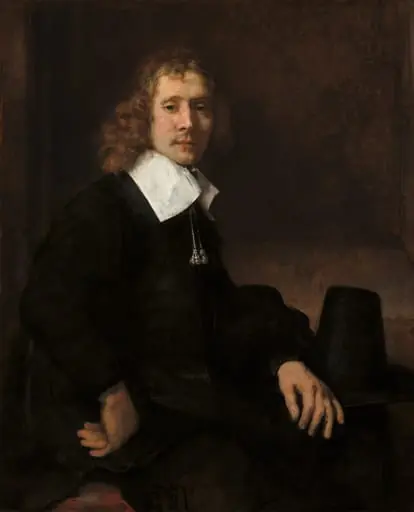 A Young Man Seated at a Table (possibly Govaert Flinck)
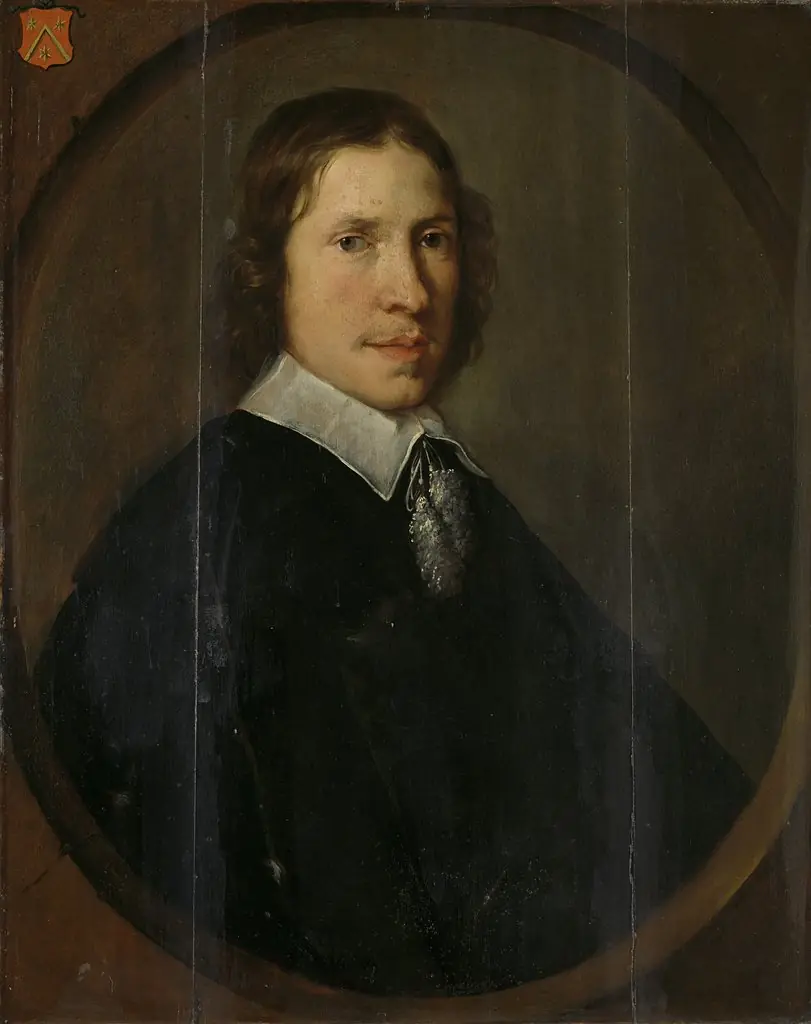 François Leydecker (1626-88). Burgomaster of Tholen
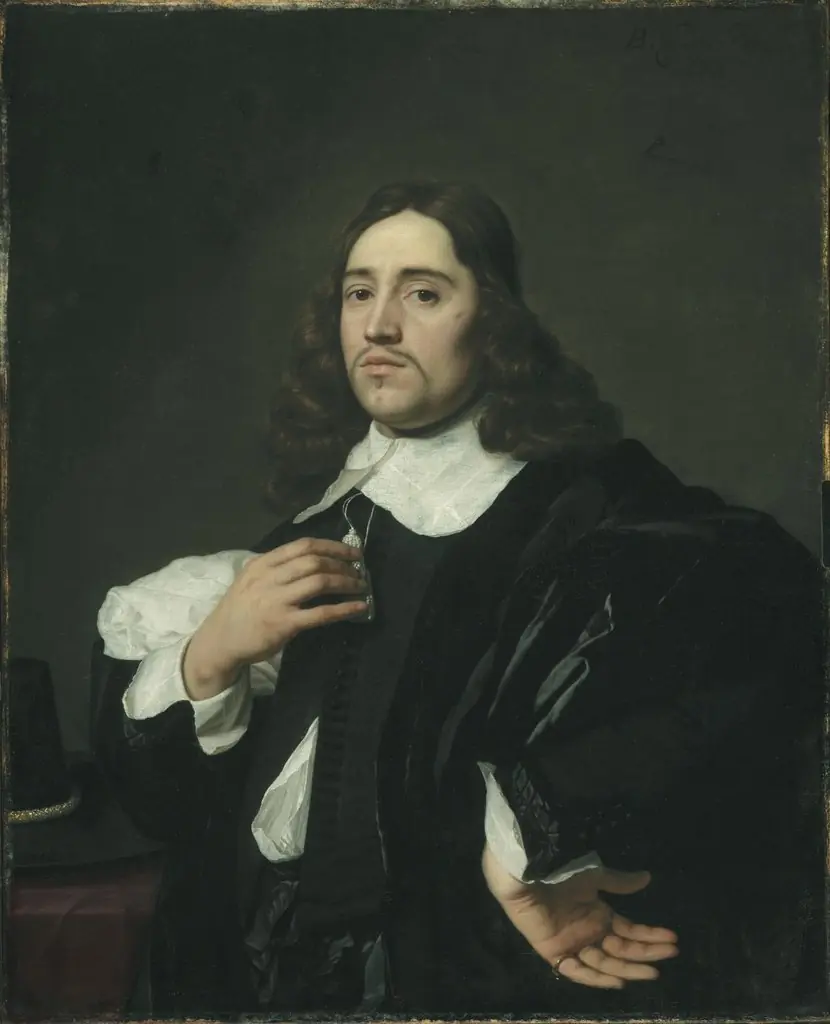 Portrait of a Gentleman (hand on hip)
 Portrait of a man