Artwork
Portrait of a Lady
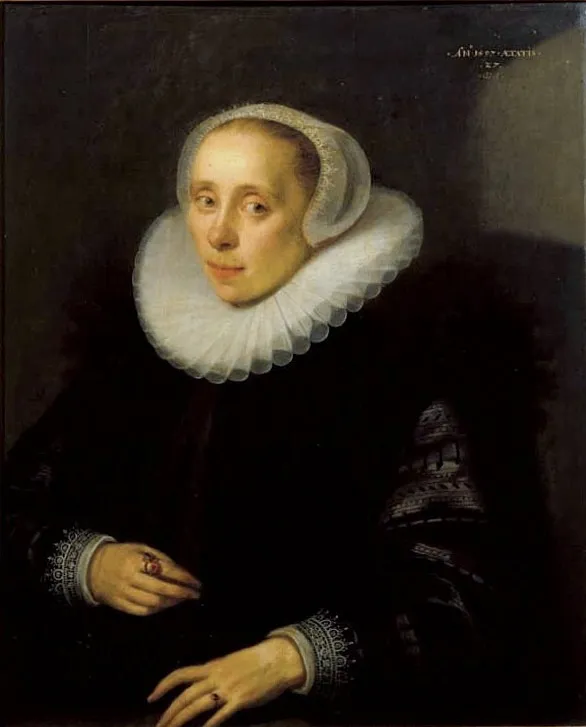
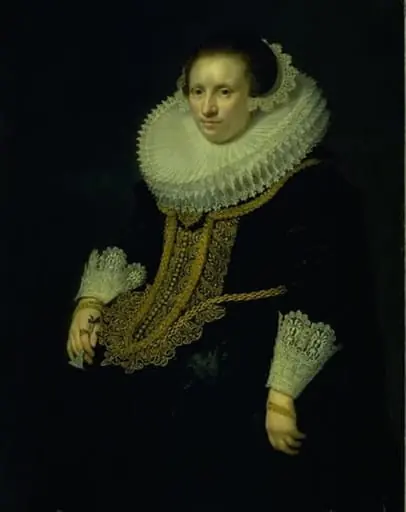
Portrait of a Lady is an oil painting by the Early Baroque Italian artist Geldorp Gortzius. It dates from 1599 and is held in the collection of the National Museum of Ancient Art.
About this work
Overview
Portrait of a Lady is a 1599 oil painting by Geldorp Gortzius, a Flemish artist working in Germany during the Renaissance. The piece is classified as an early Baroque portrait, characterized by its detailed and realistic depiction of a female subject.
Subject & Meaning
The painting portrays a woman of refinement, indicated by her attire: a dark, intricately decorated dress, a white ruff, and a white headpiece. A ring on her finger suggests marital status or wealth. Her serene, slightly profiled face with direct gaze conveys dignity.
Technique & Style
Geldorp Gortzius employed oil painting to achieve high detail and utilized chiaroscuro, a technique emphasizing strong contrasts between light and dark to create volume and depth, as evident in the subject's illuminated face and hands set against a dark background.
History & Provenance
Created in 1599, the portrait is now part of the collection at the National Museum of Ancient Art, though the subject's identity and the painting's history prior to its museum acquisition are not detailed here.
Context
While attributed to the early Baroque Italian movement, the artist's Flemish origin and activity in Germany place the work at the intersection of Northern and Southern European Renaissance influences.
Legacy
The painting's legacy is not extensively outlined in available information, though its preservation in a national museum suggests recognition of its artistic and historical value.
Artist & collection
Artist
Gortzius Geldorp (1553–1618) was a Flemish Renaissance artist who was active in Germany where he distinguished himself through his portrait paintings.

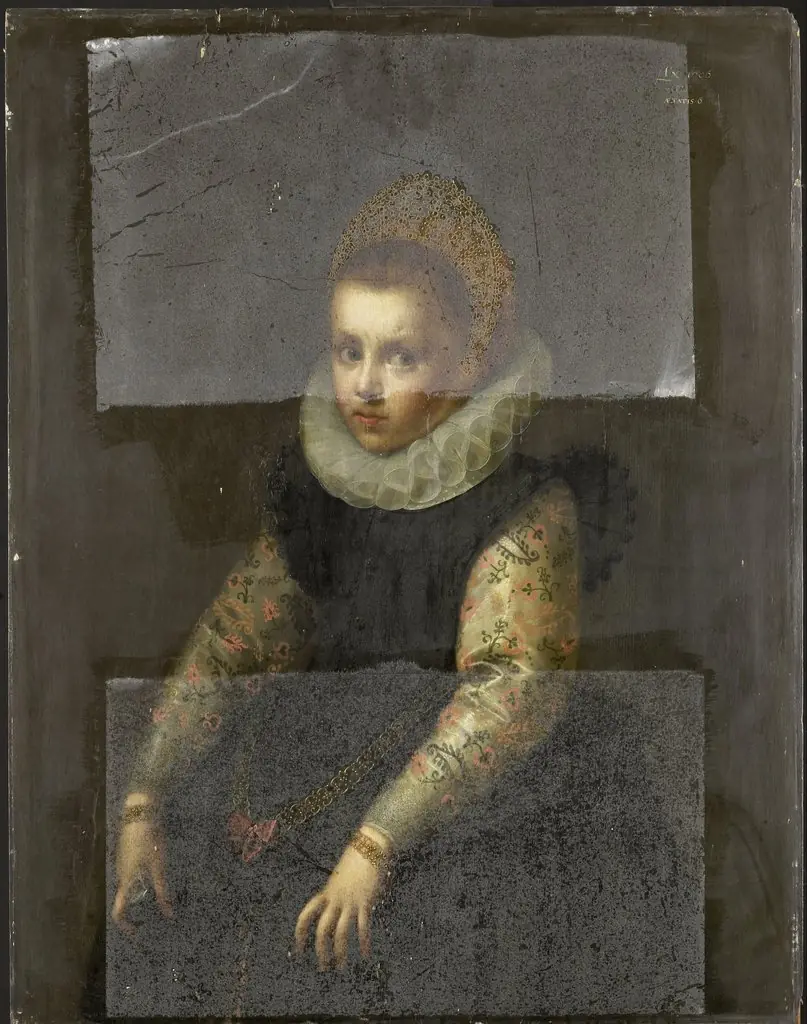 Portrait of a Sister of Catharina Fourmenois
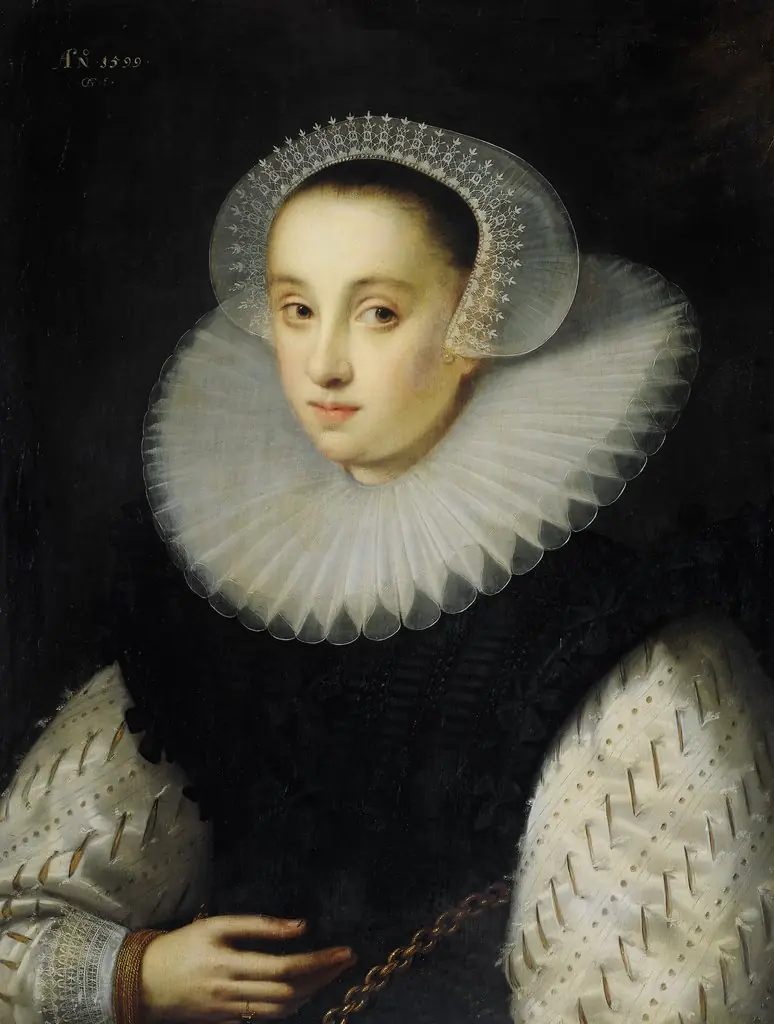 Portrait of Hortensia del Prado (died 1627)
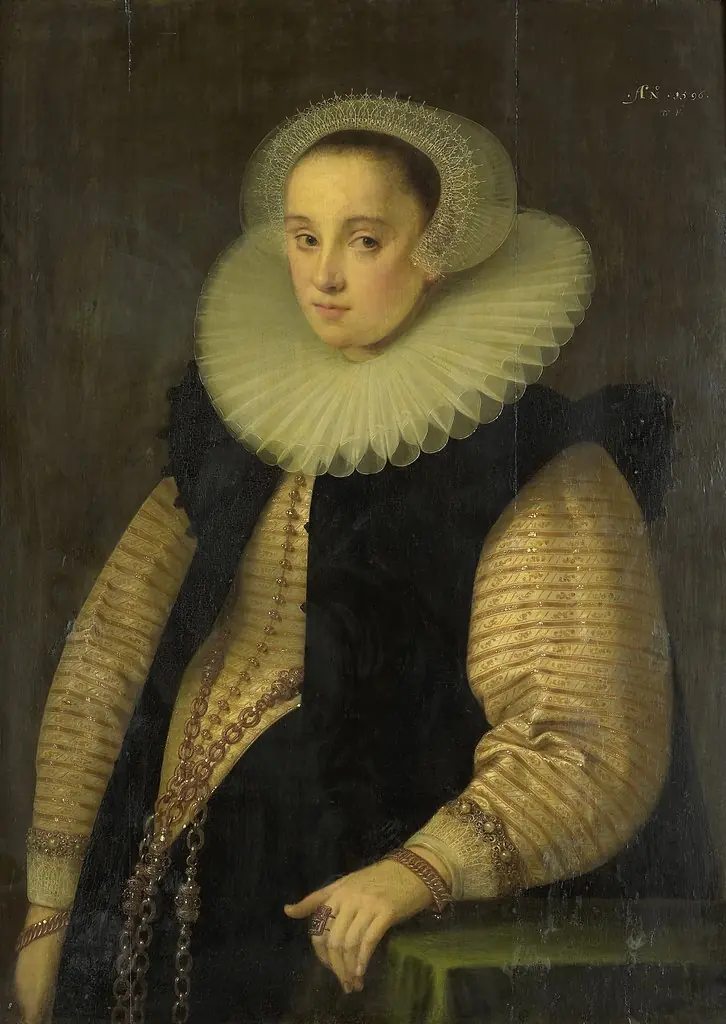 Portrait of Hortensia del Prado (died 1627), Wife of Jean Fourmenois
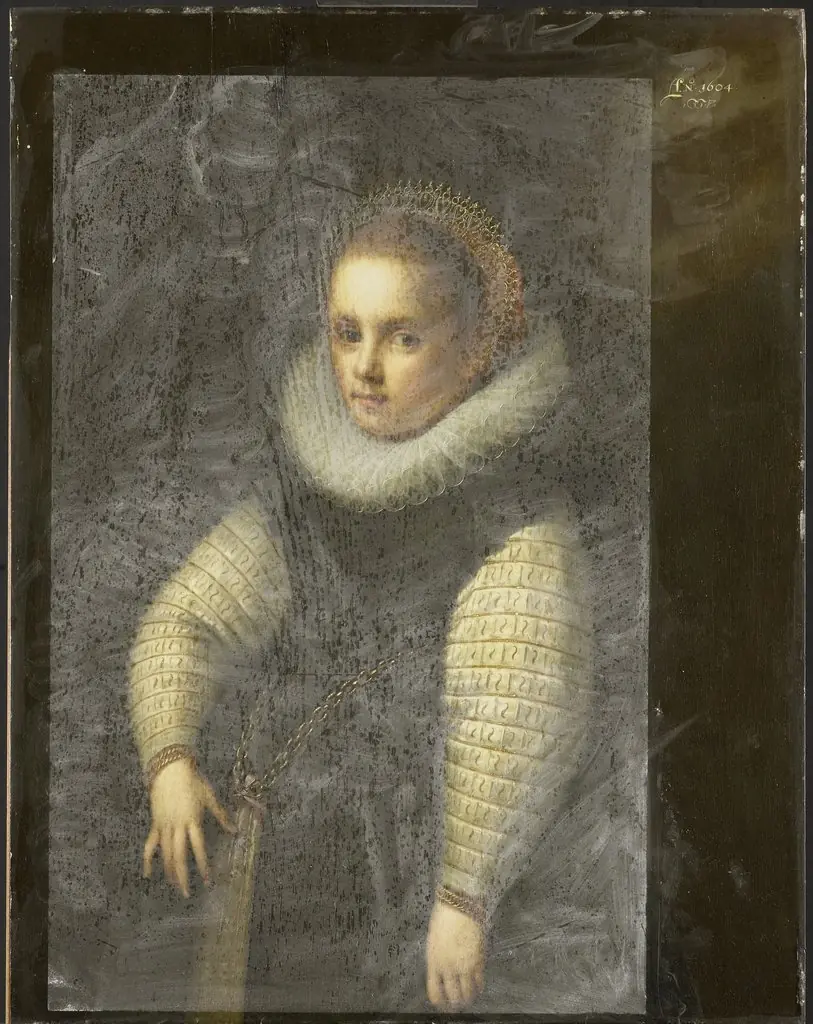 Portrait of Catharina Fourmenois as a Child, later Wife of Pieter Boudaen Courten
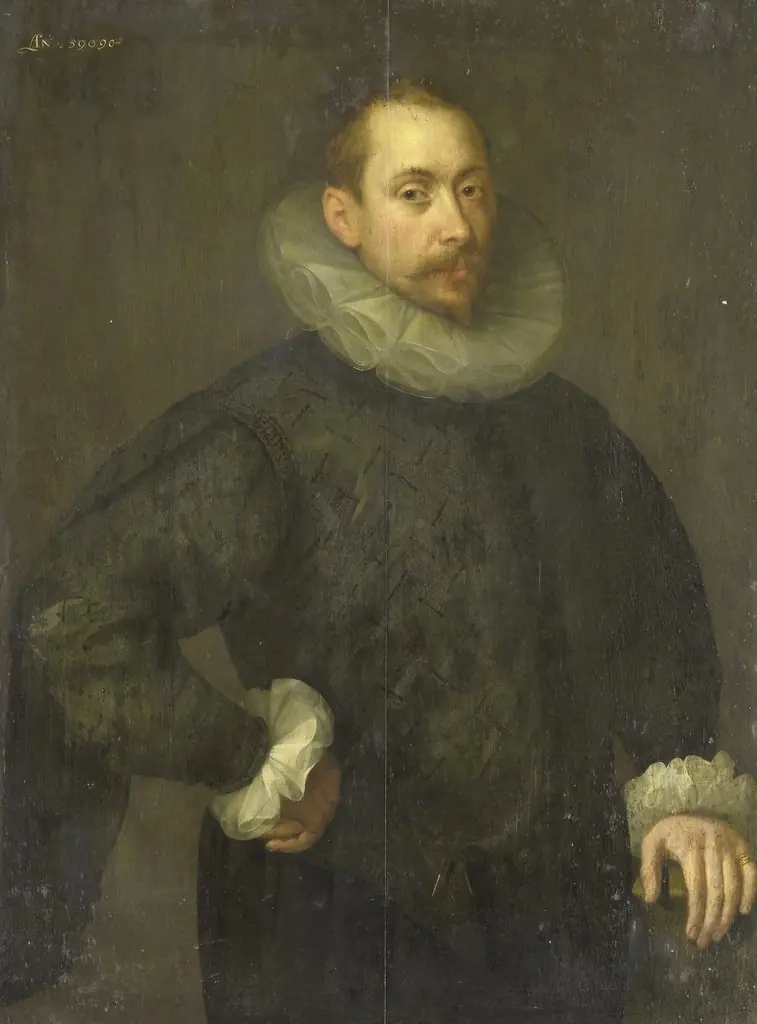 Portrait of Jean Fourmenois
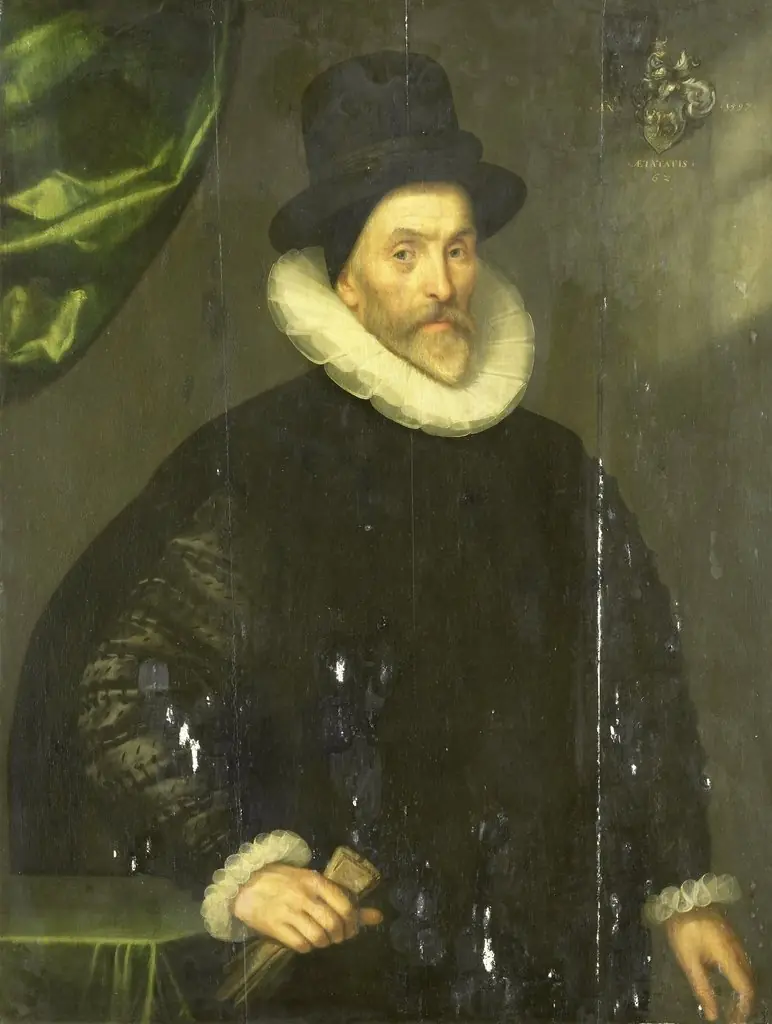 Portrait of Gualtero del Prado
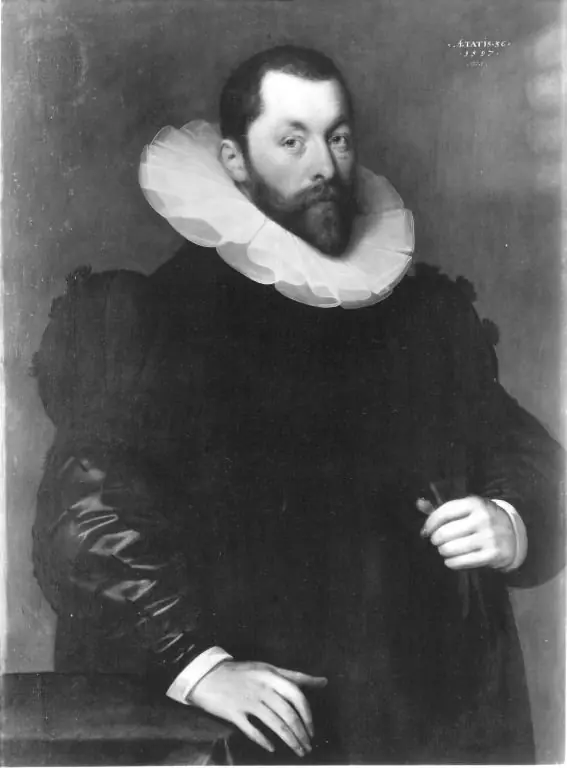 Bildnis eines Mannes
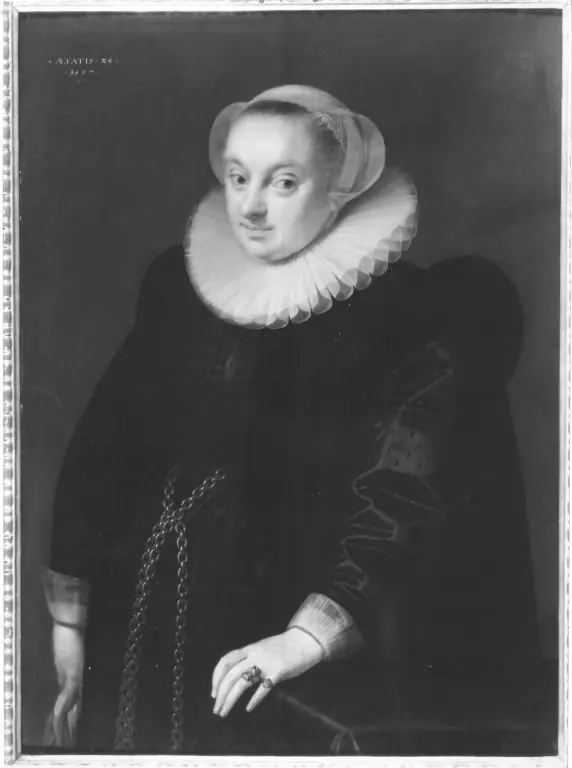 Portrait of a woman
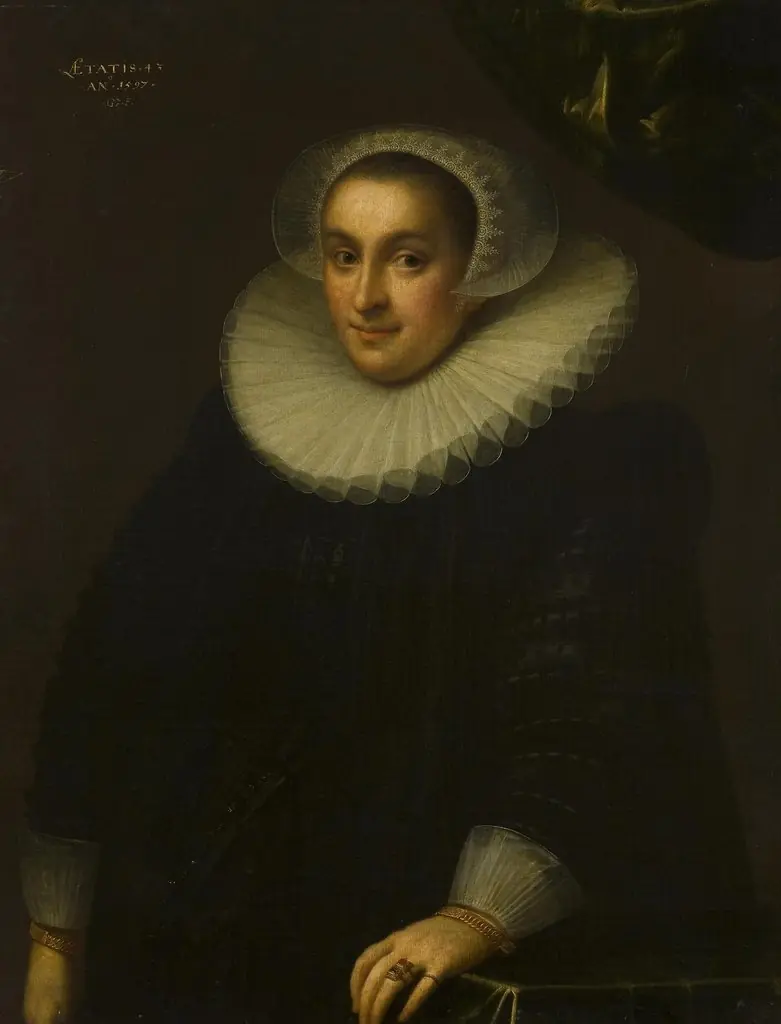 Portrait of Cornelia Bot, wife of Gottfried Houtappel
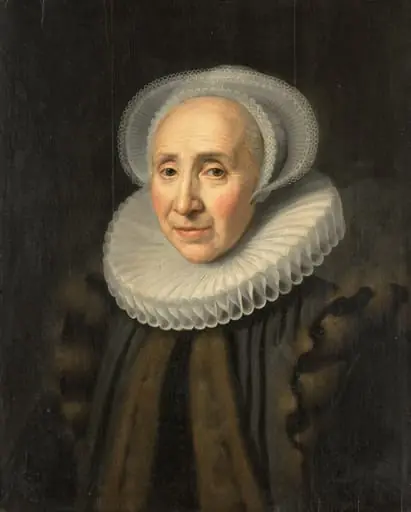 Untitled
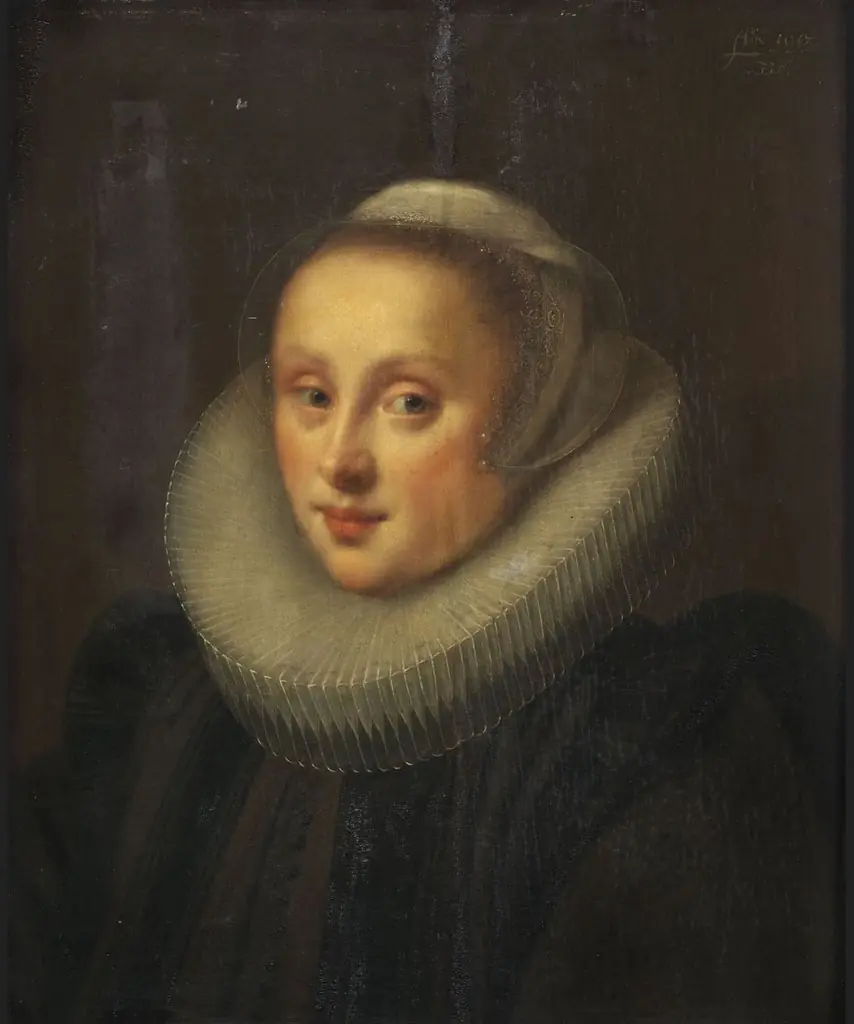 Portrait of Gertrud Cronenberg, second wife to Adriaen de Bruyn van Blanckenvort
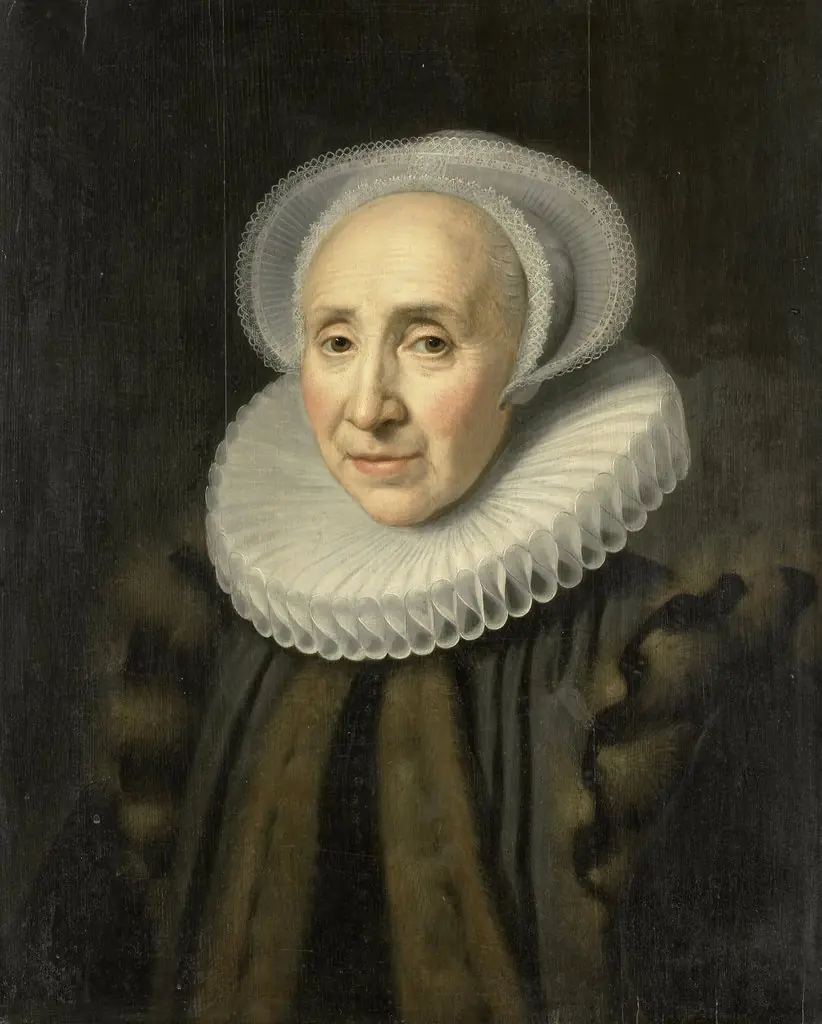 Portrait of Volckera Claesdr Knobbert (1554-1634)
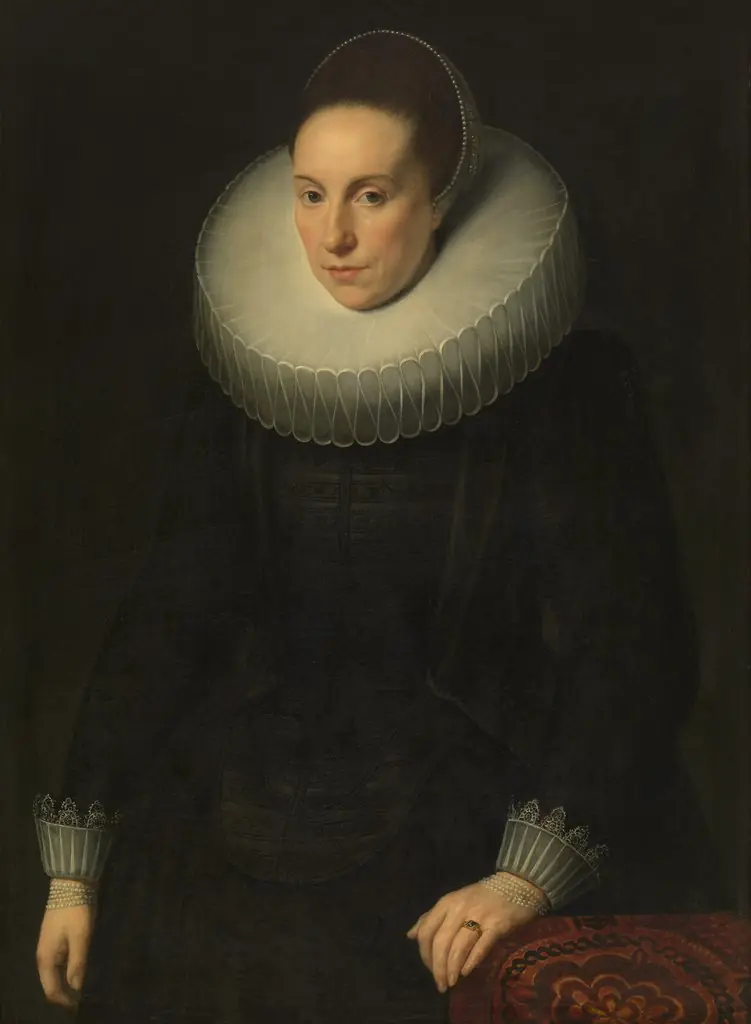 Portret van een vrouw
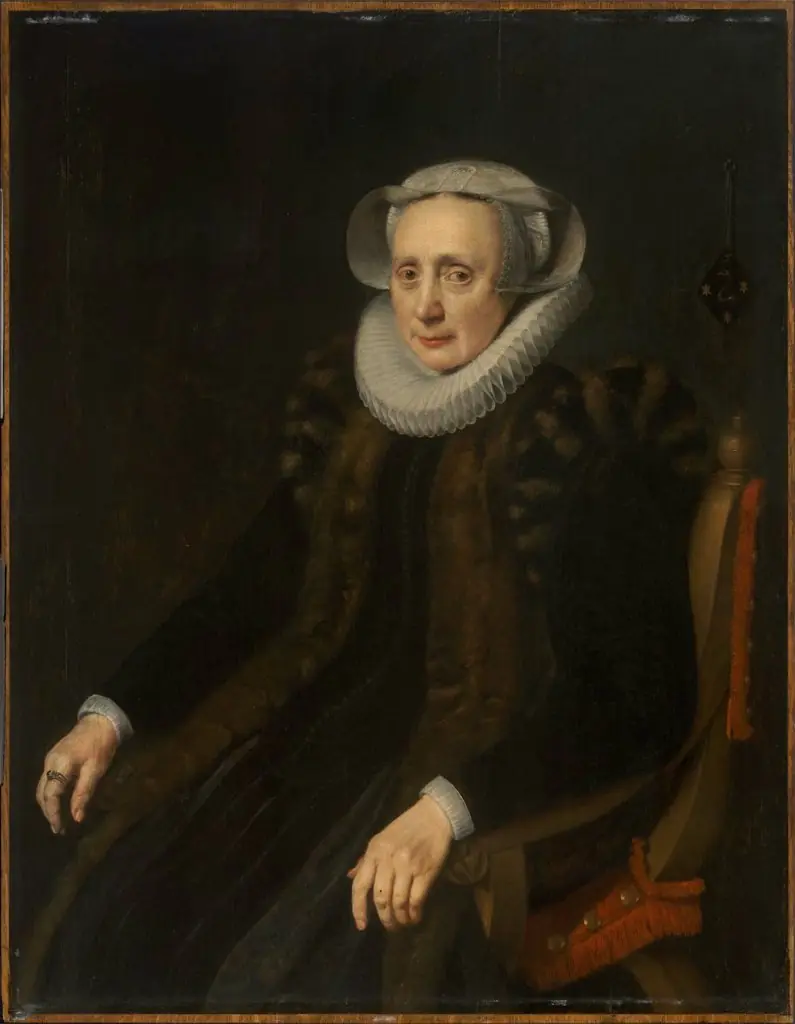 Adriana van Ijlen
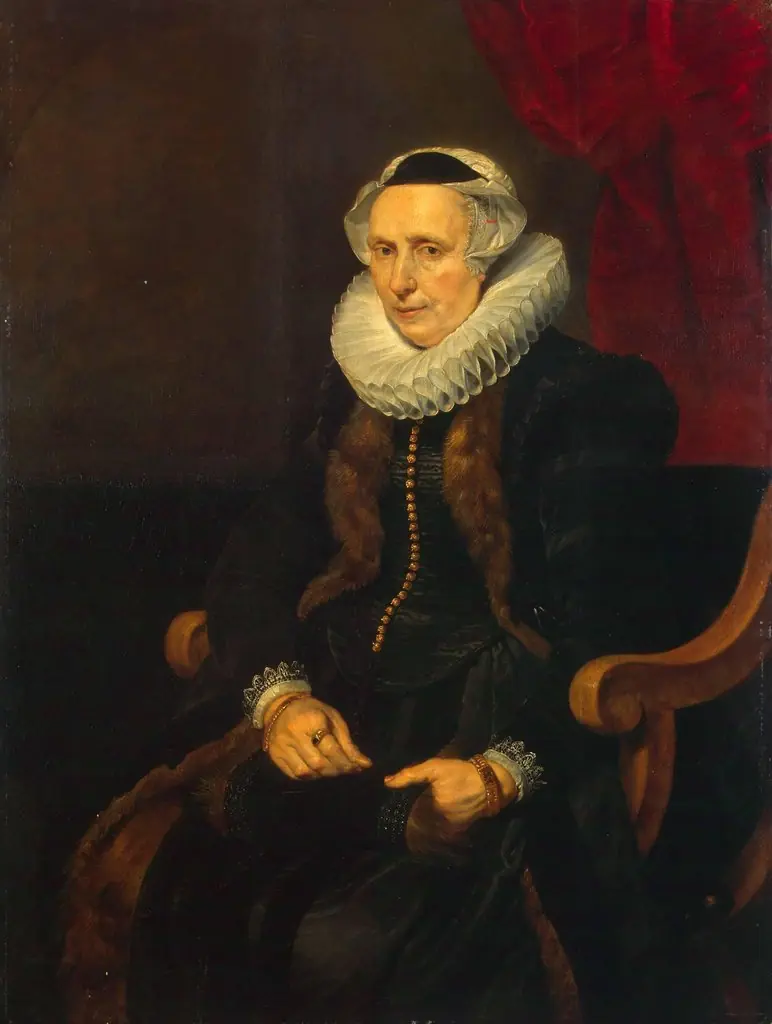 Portrait of an Old Lady Sitting in an Arm-Chair
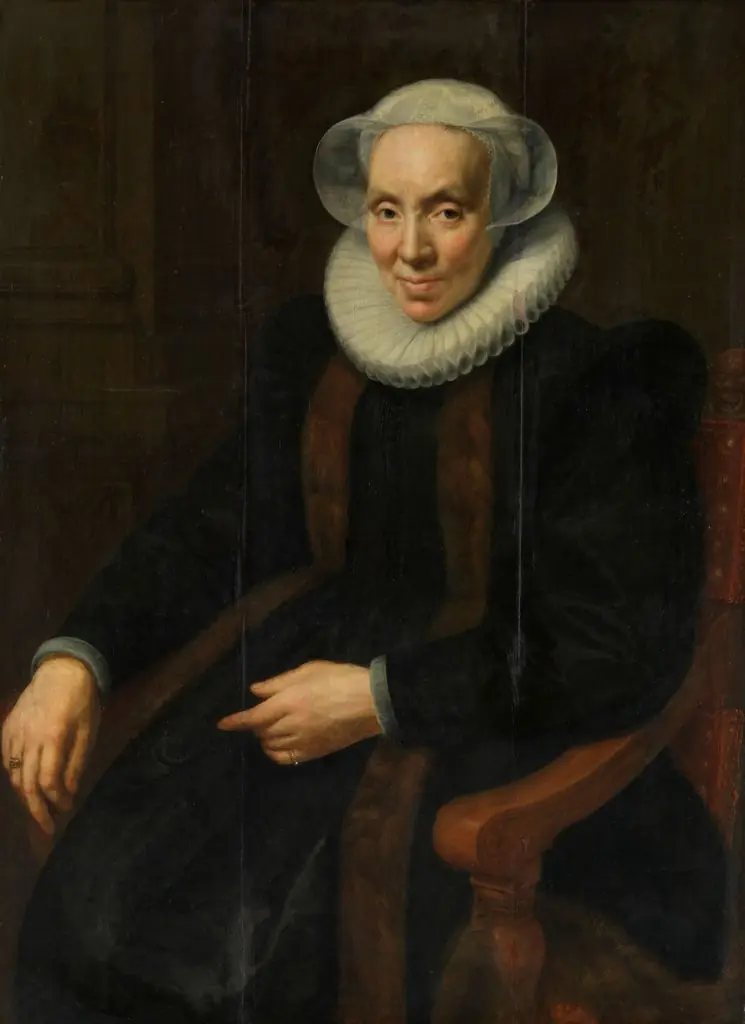 Portrait of Maria van Utrecht (c. 1552/53-1629)
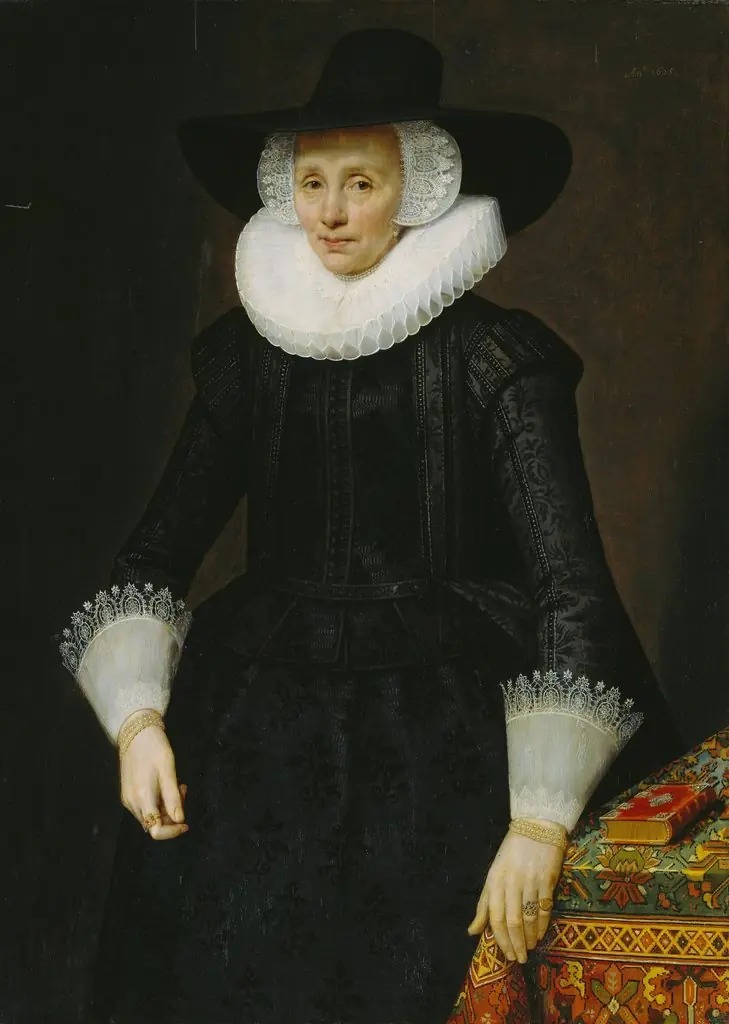 Portrait of Margarita Courten (1564-1640)
 Portrait of Grietje Pietersdr Codde (1538-1607)
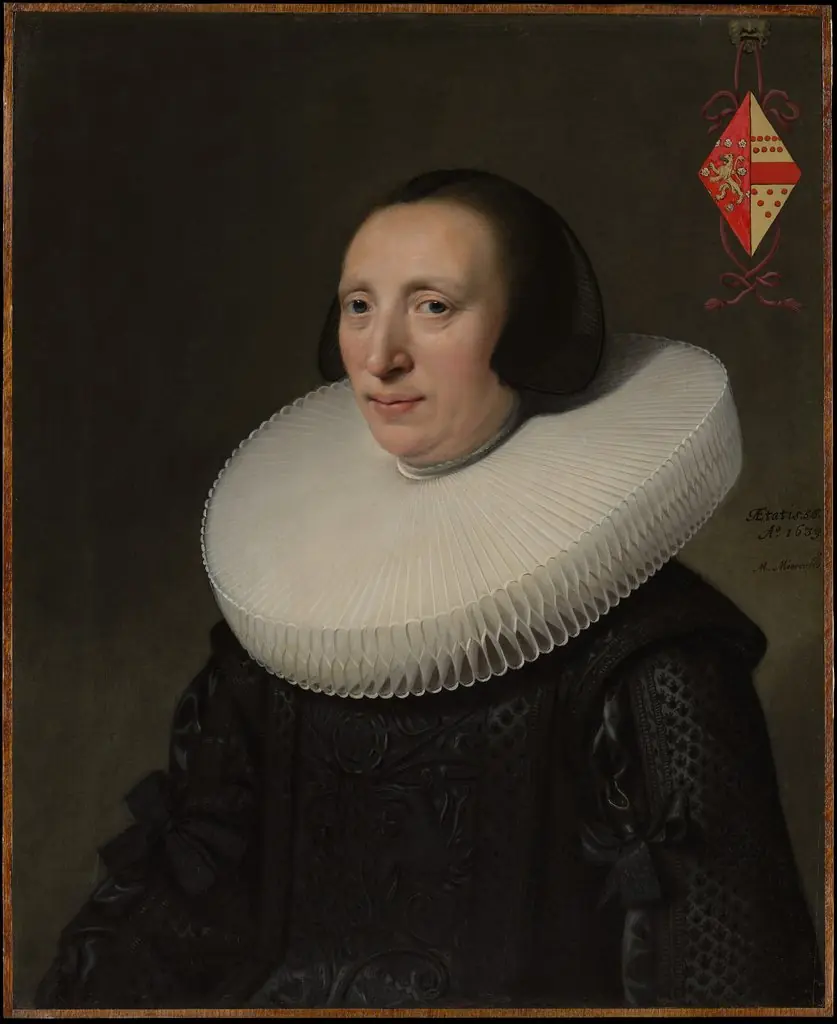 Margaretha van Clootwijk (born about 1580/81, died 1662), Wife of Jacob van Dalen
 Portrait of a Lady