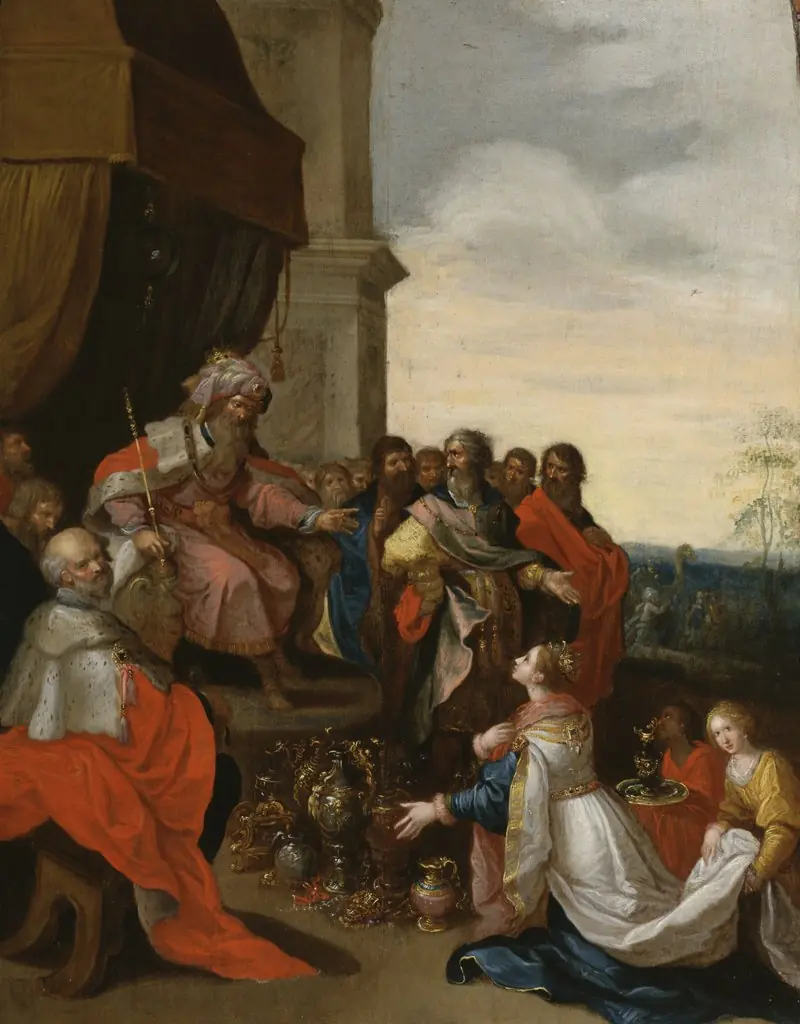
Artwork
The anointing of Solomon
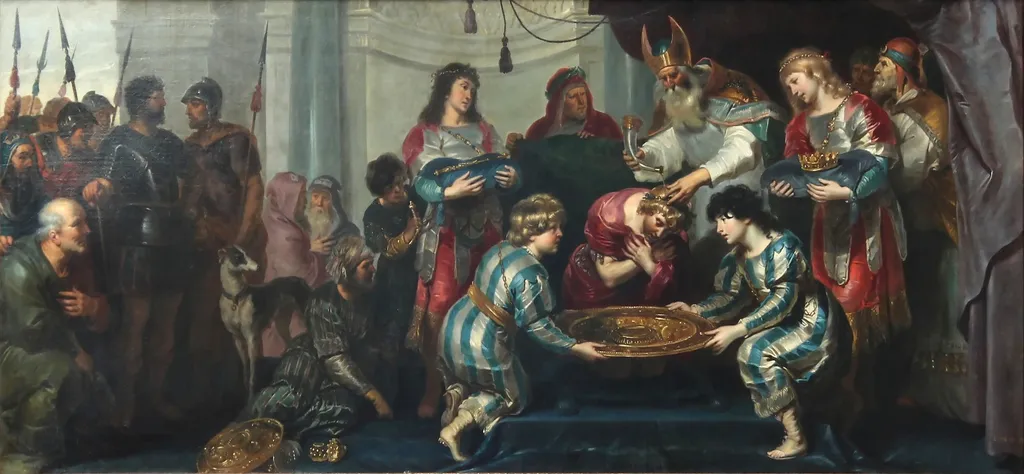
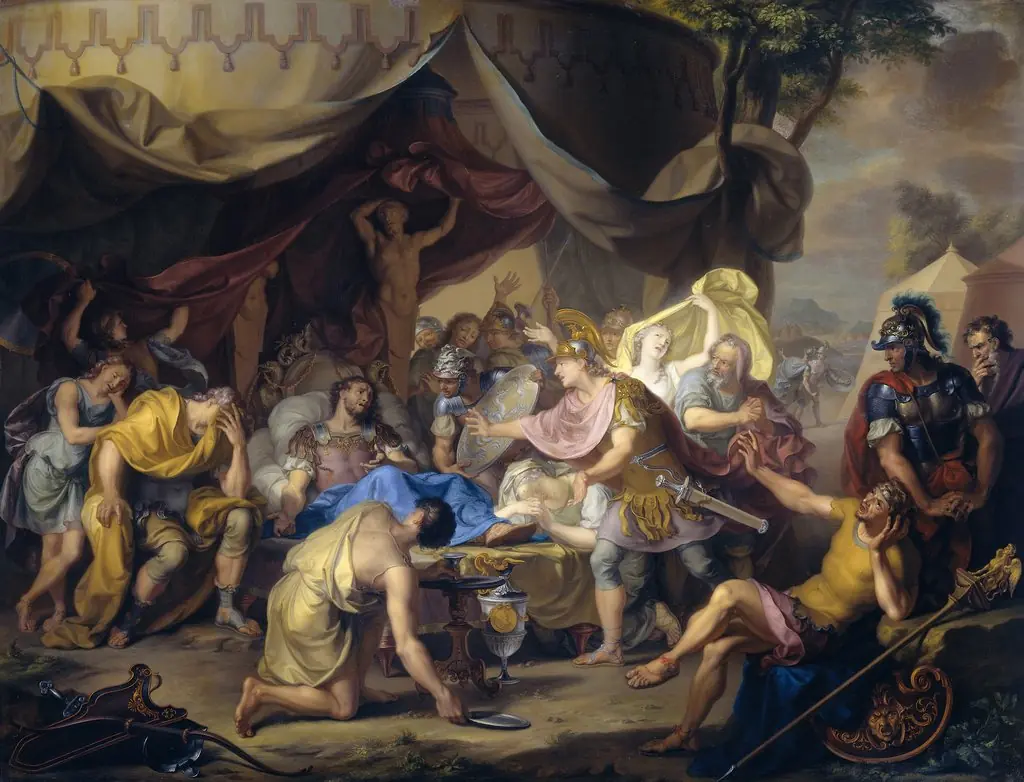
The anointing of Solomon is an oil painting by the Flemish Baroque painting artist Cornelis de Vos. It is held in the collection of the Royal Museums of Fine Arts of Belgium.
About this work
Overview
Cornelis de Vos, a Flemish artist based in Antwerp, painted *The Anointing of Solomon* around 1630, not 1700 as sometimes misstated.
Cornelis de Vos, a Flemish artist based in Antwerp, painted *The Anointing of Solomon* around 1630, not 1700 as sometimes misstated. Though best known for portraiture, he also produced religious narratives in the Flemish Baroque tradition. This oil-on-panel work illustrates a moment from the Hebrew Bible, rendered with quiet solemnity. It resides today in the Royal Museums of Fine Arts of Belgium, part of a broader corpus of devotional imagery produced in the region during the Counter-Reformation.
Subject & Meaning
The scene captures the biblical anointing of Solomon as king, as described in 1 Kings 1, where the high priest Zadok pours oil on Solomon’s head in the presence of courtiers and soldiers. The act signifies divine sanction of royal authority. De Vos emphasizes ritual gravity over spectacle: figures are arranged in a restrained composition, with no overt triumphalism. The presence of armor and robes underscores the intersection of sacred duty and political power in early Israelite kingship.
Technique & Style
De Vos employs a muted palette of browns, grays, and cool blues, avoiding the vivid contrasts typical of some Baroque peers. Chiaroscuro is used subtly to model forms and direct attention toward the central figures—the kneeling king and the officiating priest. The architectural setting, with plain columns and white walls, frames the ritual without distraction. Textures of fabric, metal, and skin are rendered with quiet precision, reflecting his portraitist’s eye for detail and restraint.
History & Provenance
The painting was likely commissioned for a private or ecclesiastical setting in Antwerp during the 1630s, a period when religious subjects remained in demand despite growing secular interests. It entered the collection of the Royal Museums of Fine Arts of Belgium in the 19th century, following the consolidation of church and noble holdings after the Napoleonic era. Its attribution to de Vos has been consistently supported by stylistic analysis and archival records of his workshop output.
Context
In early 17th-century Flanders, religious imagery served both devotional and political functions, especially under Spanish Habsburg rule. De Vos, though less flamboyant than Rubens, contributed to a visual culture that reinforced orthodoxy through calm, dignified narratives. His choice of Solomon’s anointing aligns with contemporary interest in biblical kingship as a model for legitimate authority, resonating with Habsburg claims to divine right.
Legacy
While not as widely exhibited as works by Rubens or Van Dyck, de Vos’s *Anointing of Solomon* exemplifies the quieter, more introspective strand of Flemish Baroque painting. Its emphasis on ritual, restraint, and psychological presence influenced later regional artists who favored narrative clarity over theatricality. The painting remains a key reference for understanding how religious themes were adapted to suit aristocratic and clerical tastes in the Southern Netherlands.
Artist & collection
Artist
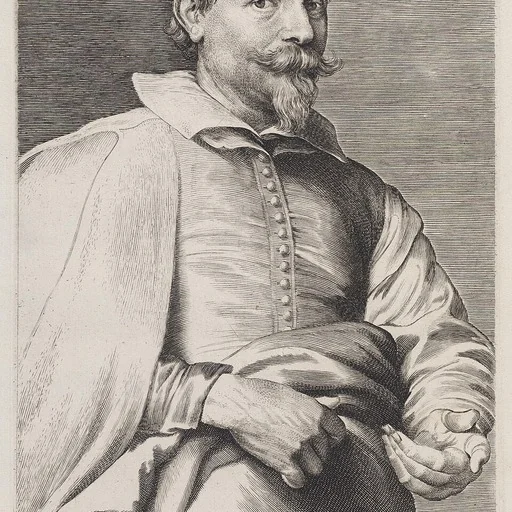
Cornelis de Vos (1584 - 9 May 1651) was a Flemish painter, draughtsman and art dealer.

Museum
Royal Museums of Fine Arts of Belgium
Continue through works from the same source collection.
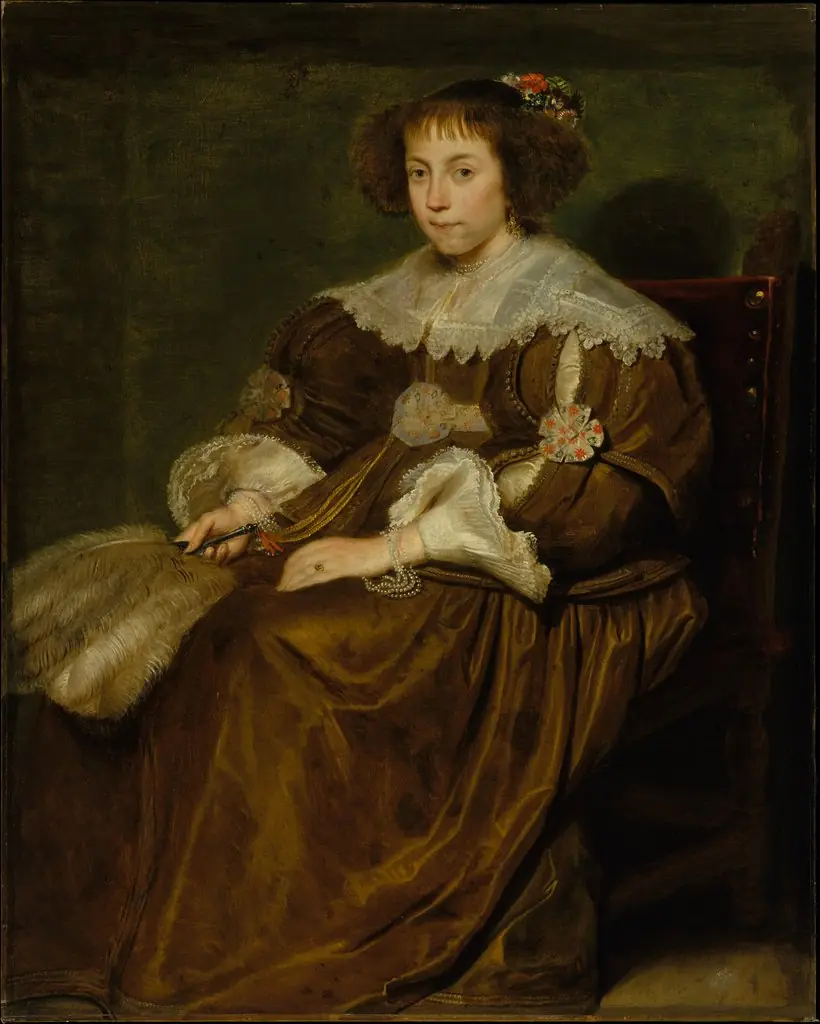 Portrait of a Young Woman
 Two Tritons at the Feast of Acheloüs
 Portrait of a Woman
 The Holy Family with John the Baptist as child
 The Citizens of Antwerp bring back to Saint Norbert the Monstrance and other Sacred Vessels that they had hidden from Tankelin
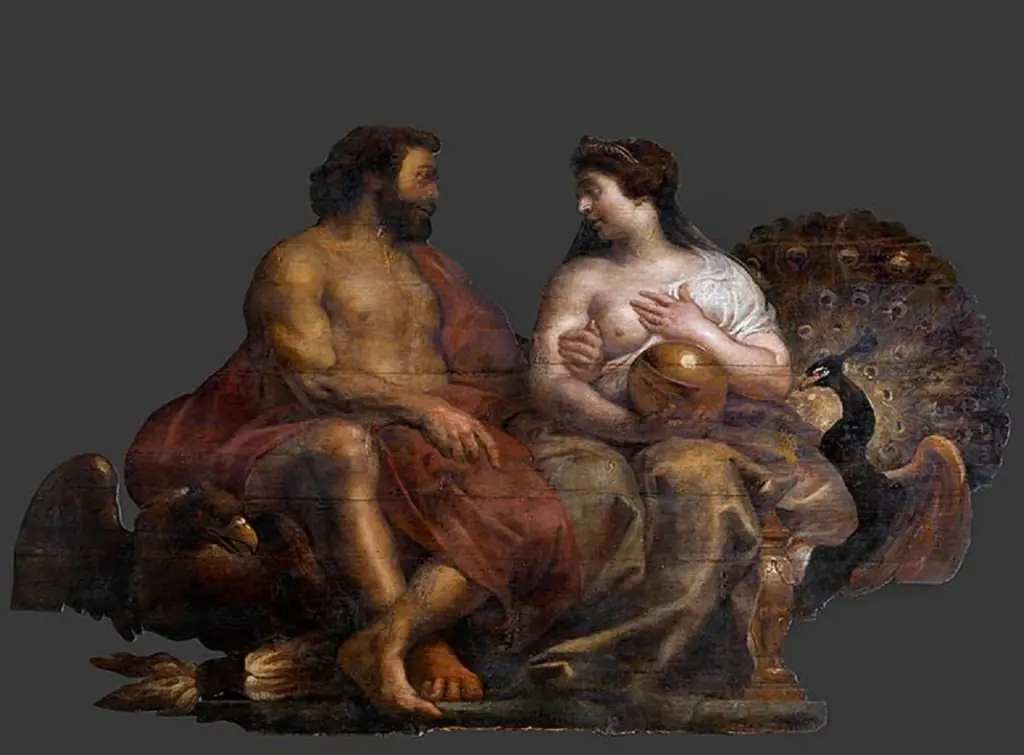 Jupiter and Juno
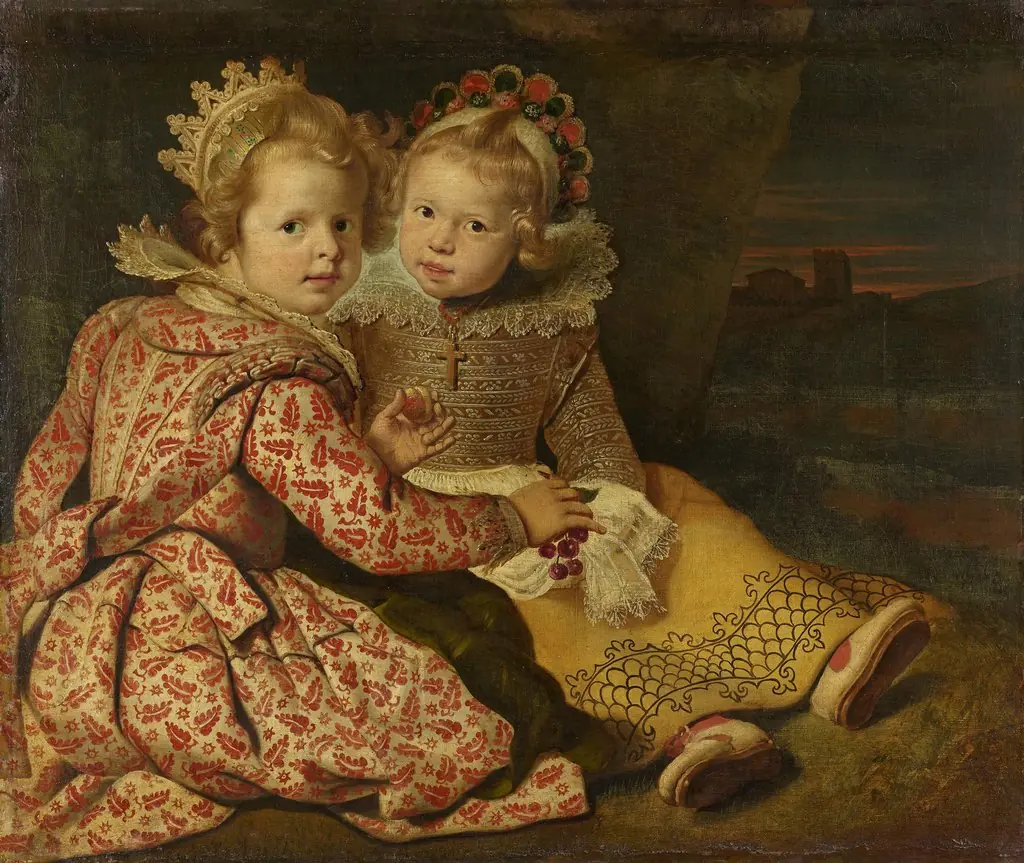 Magdalena and Jan-Baptist de Vos, Children of the Painter
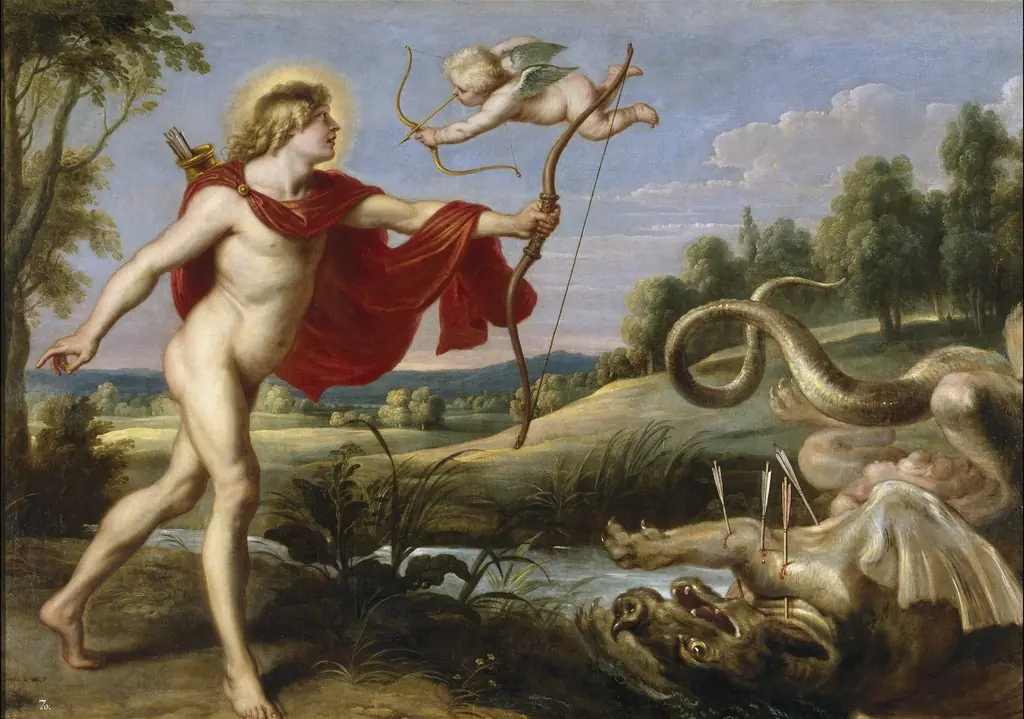 Apollo and the Python