Artwork
Het sterfbed van Epaminondas
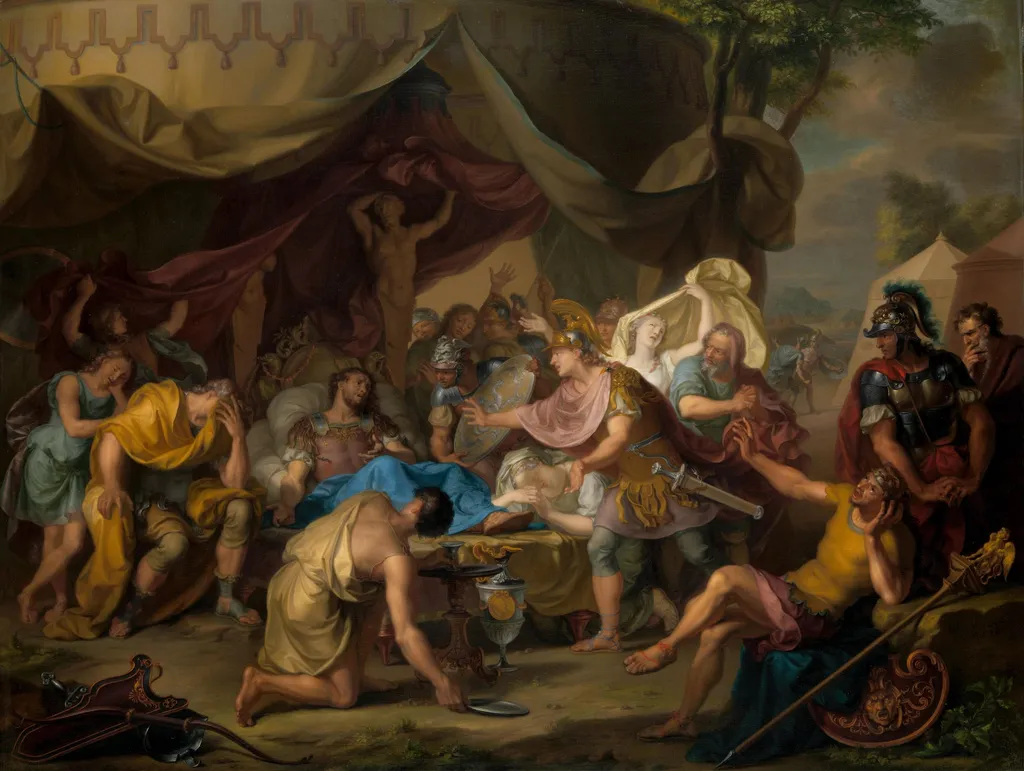
Het sterfbed van Epaminondas is an unspecified painting by the Rococo painting artist Isaac Walraven. It dates from 1726 and is held in the collection of the Rijksmuseum.
About this work
Overview
This painting depicts the death of Epaminondas, the Theban general who secured victory at the Battle of Mantinea in 362 BCE but succumbed to a fatal wound.
This painting depicts the death of Epaminondas, the Theban general who secured victory at the Battle of Mantinea in 362 BCE but succumbed to a fatal wound. Rarely portrayed in art, his final moments are rendered with intense emotional gravity. The composition is densely populated, emphasizing the weight of his loss among comrades and mourners, set against a dim, theatrical interior illuminated by sharp contrasts of light and shadow.
Subject & Meaning
Epaminondas’s death symbolizes the cost of leadership and the fragility of triumph. Though victorious, his demise marks the end of Theban hegemony, making his passing a moment of historical turning point. The surrounding figures—soldiers, advisors, and grieving onlookers—convey collective sorrow, transforming the scene into a meditation on duty, sacrifice, and the silence that follows great deeds.
Technique & Style
The artist employs chiaroscuro to model forms with dramatic intensity, guiding the viewer’s eye toward the dying general. Figures are arranged in a staged, almost theatrical grouping, each expressing distinct emotional states: anguish, resignation, reverence. The crowded composition reflects 18th-century tastes for complex narratives, demanding technical control over anatomy, gesture, and spatial depth to unify the scene without chaos.
History & Provenance
Created in the early 1700s, the painting aligns with a European trend favoring classical subjects that showcased intellectual and emotional range. Likely commissioned by a collector interested in moral allegory and historical gravitas, it entered the Rijksmuseum’s collection in the 19th century, where it remains as an example of how antiquity was reinterpreted through Enlightenment-era sensibilities.
Context
During the early 18th century, European artists frequently turned to ancient history to explore themes of virtue, heroism, and mortality. Epaminondas’s story, though less known than those of Alexander or Caesar, offered a compelling narrative of noble defeat. Paintings like this served as visual essays on leadership’s burdens, appealing to educated patrons who valued historical literacy and emotional nuance.
Legacy
The work stands as a testament to the period’s fascination with psychological depth in historical scenes. While not widely replicated, its composition influenced later academic painters who sought to balance narrative complexity with emotional authenticity. Today, it remains a quiet example of how classical antiquity was reimagined to reflect contemporary ideals of dignity and loss.
Own this work as a print
Artist & collection


 The Generosity of Scipio
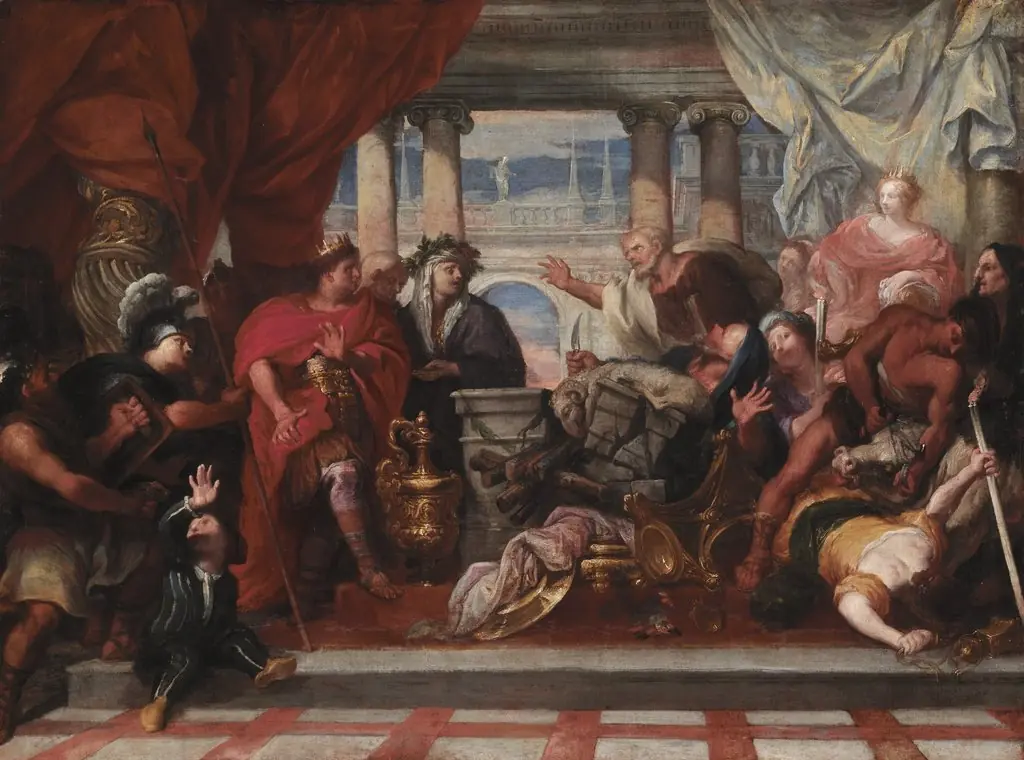 Scene of Sacrifice
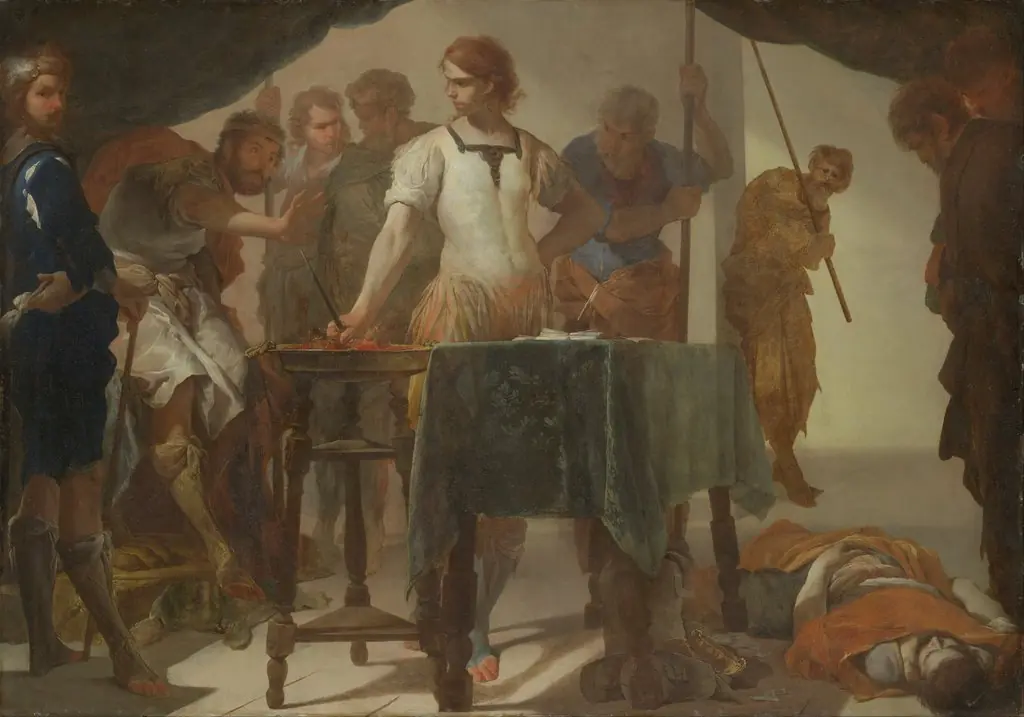 Mucius Scaevola Confronting King Porsenna
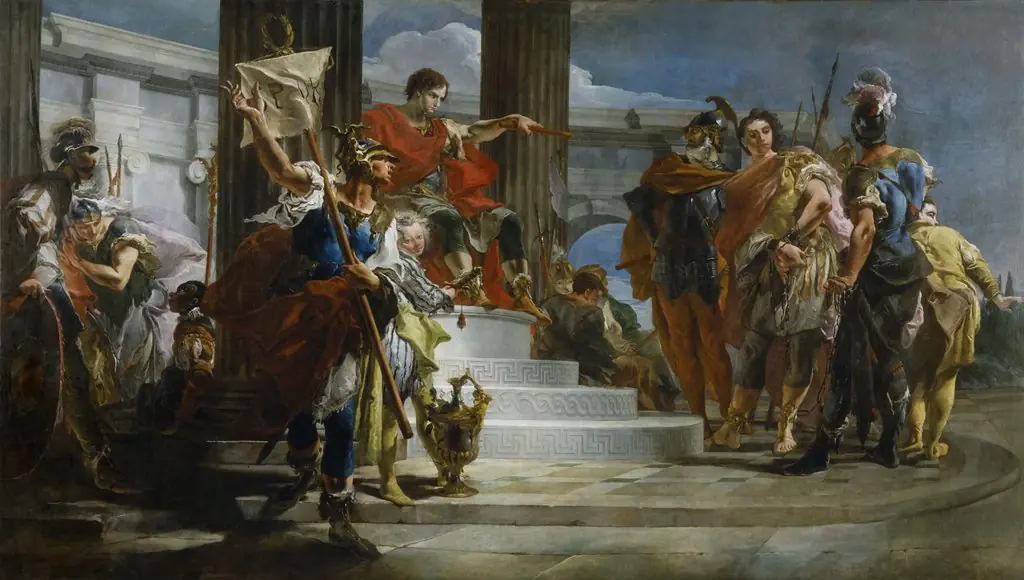 Scipio Africanus Freeing Massiva
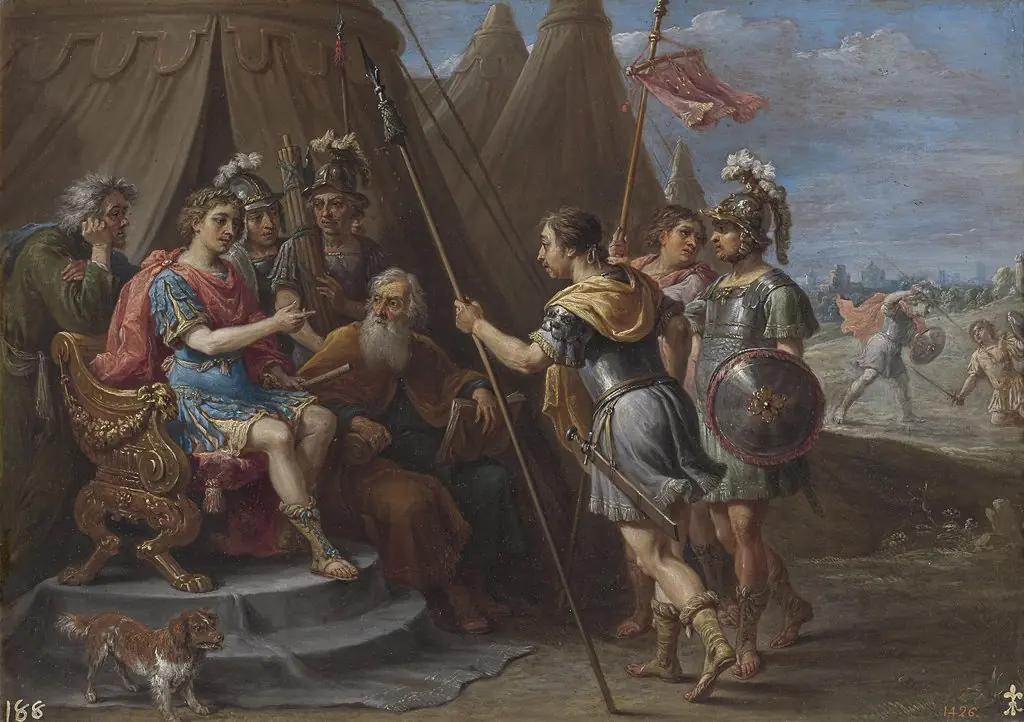 Godofredo y el Consejo escuchan la demanda de Armida
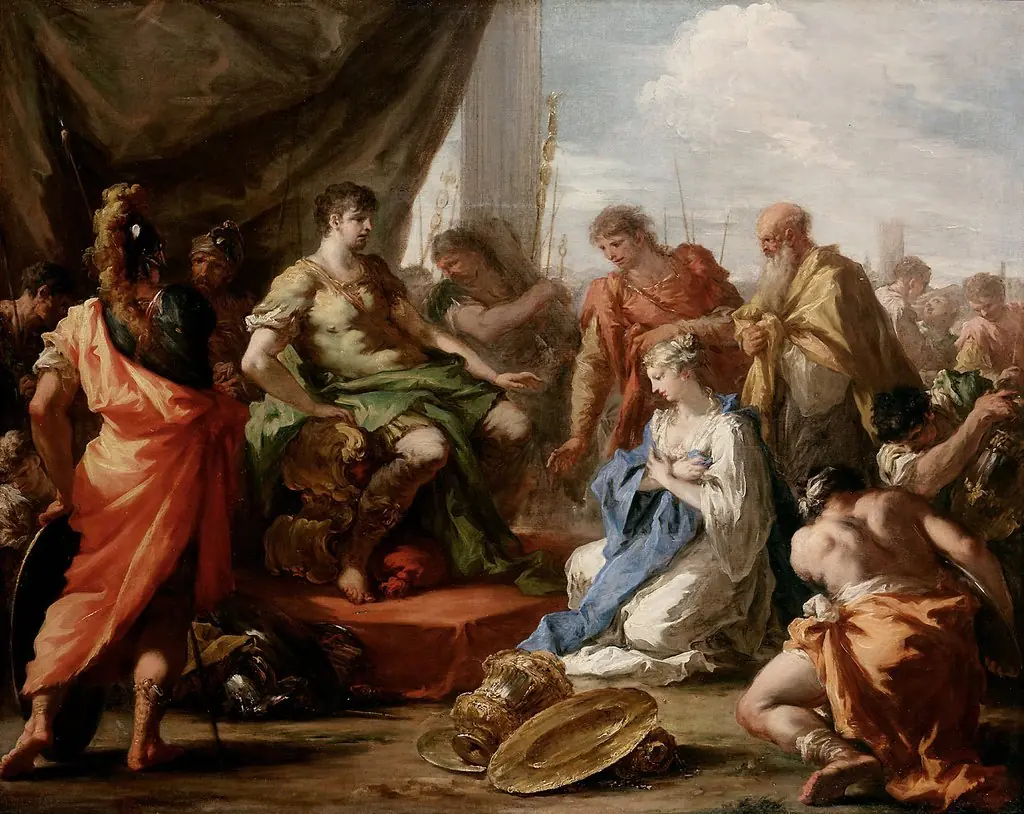 Enthaltsamkeit des Scipio
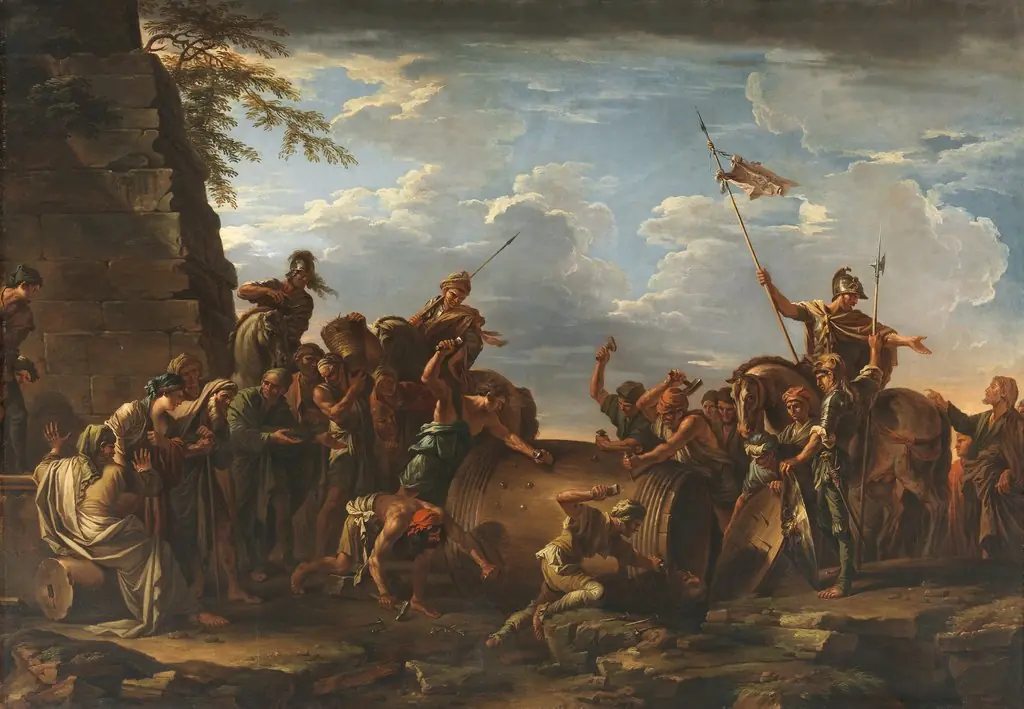 The Death of Regulus
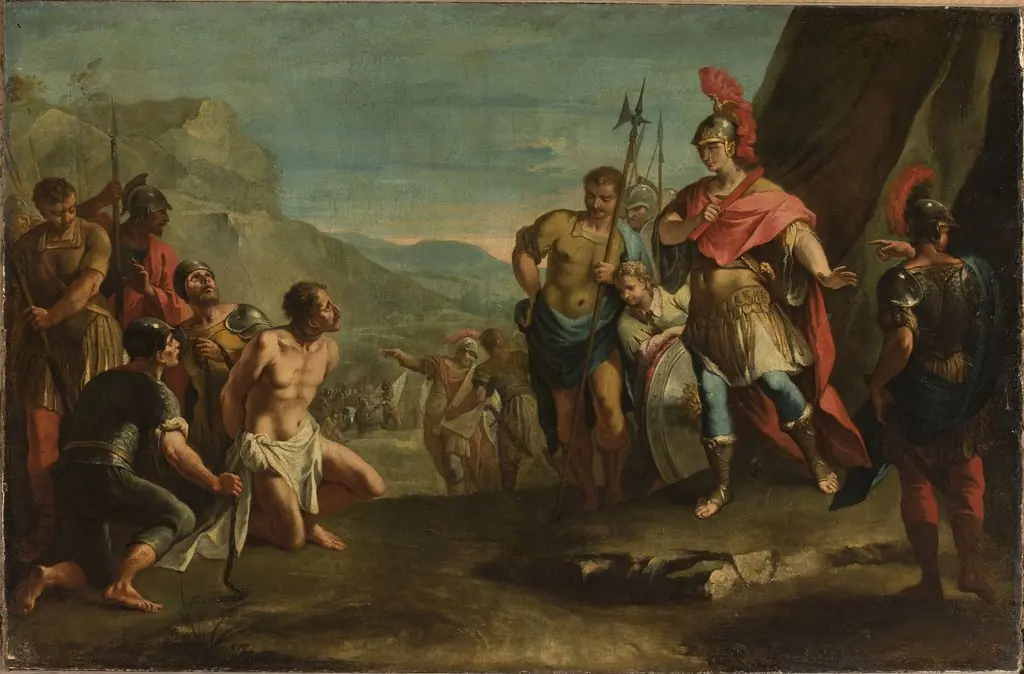 Killer of Darius before Alexander (King Porus and Alexander the Great)
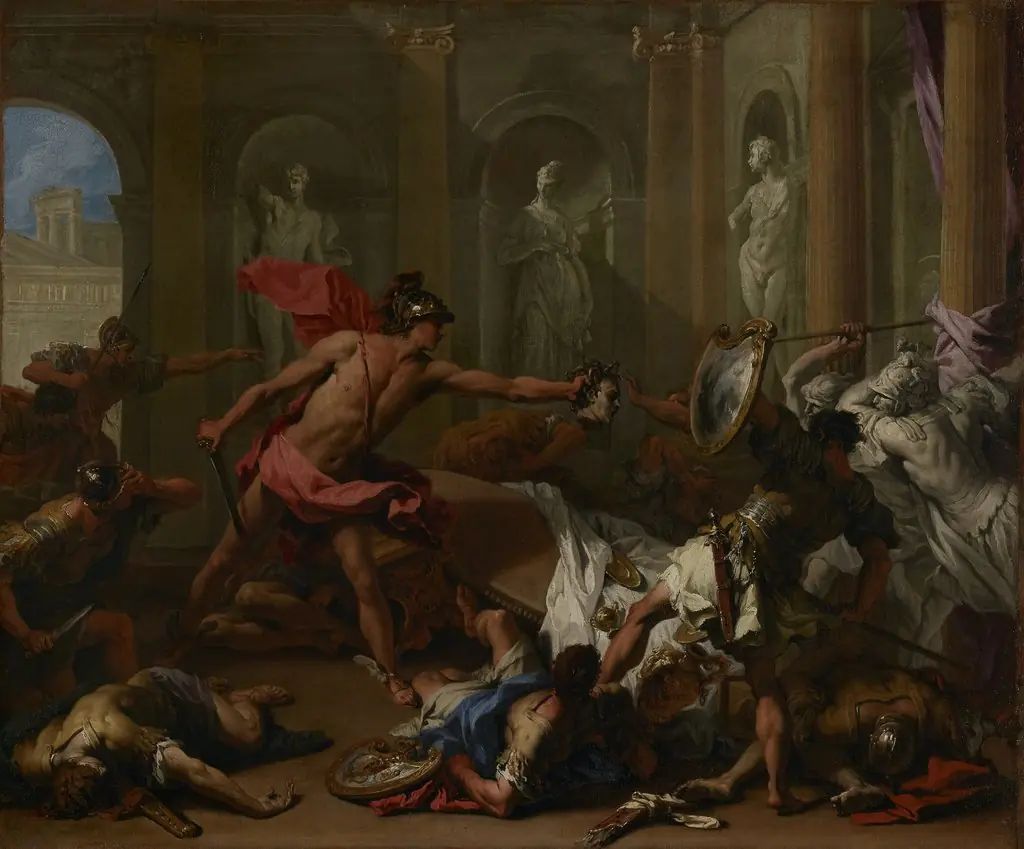 Perseus Confronting Phineus with the Head of Medusa
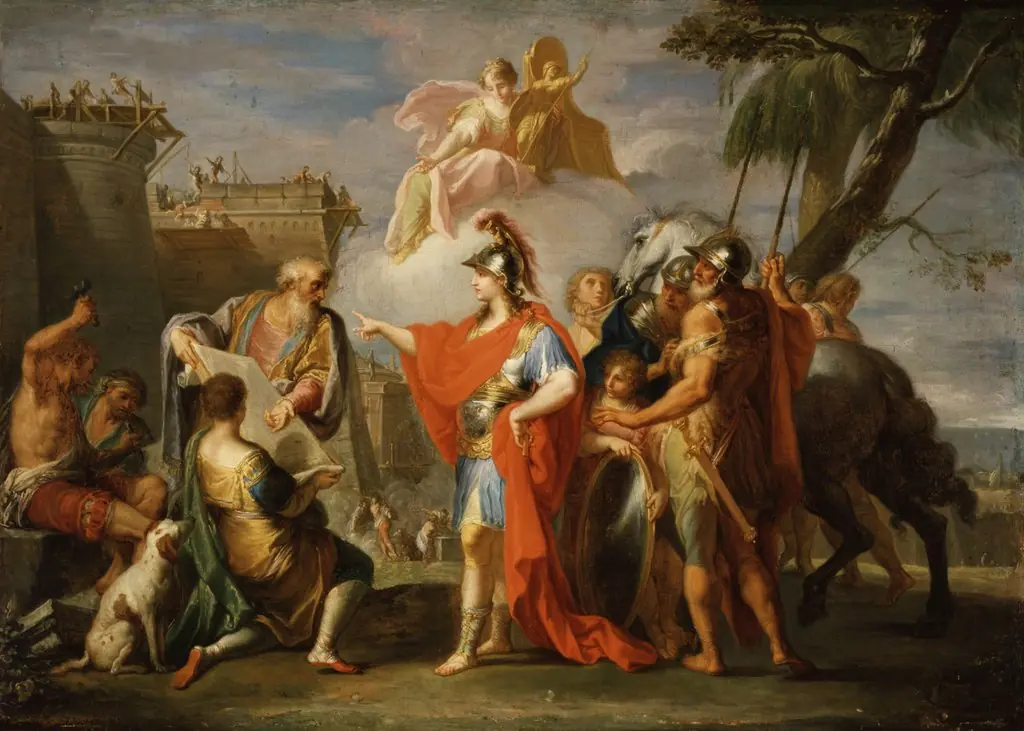 Alexander the Great Founding Alexandria
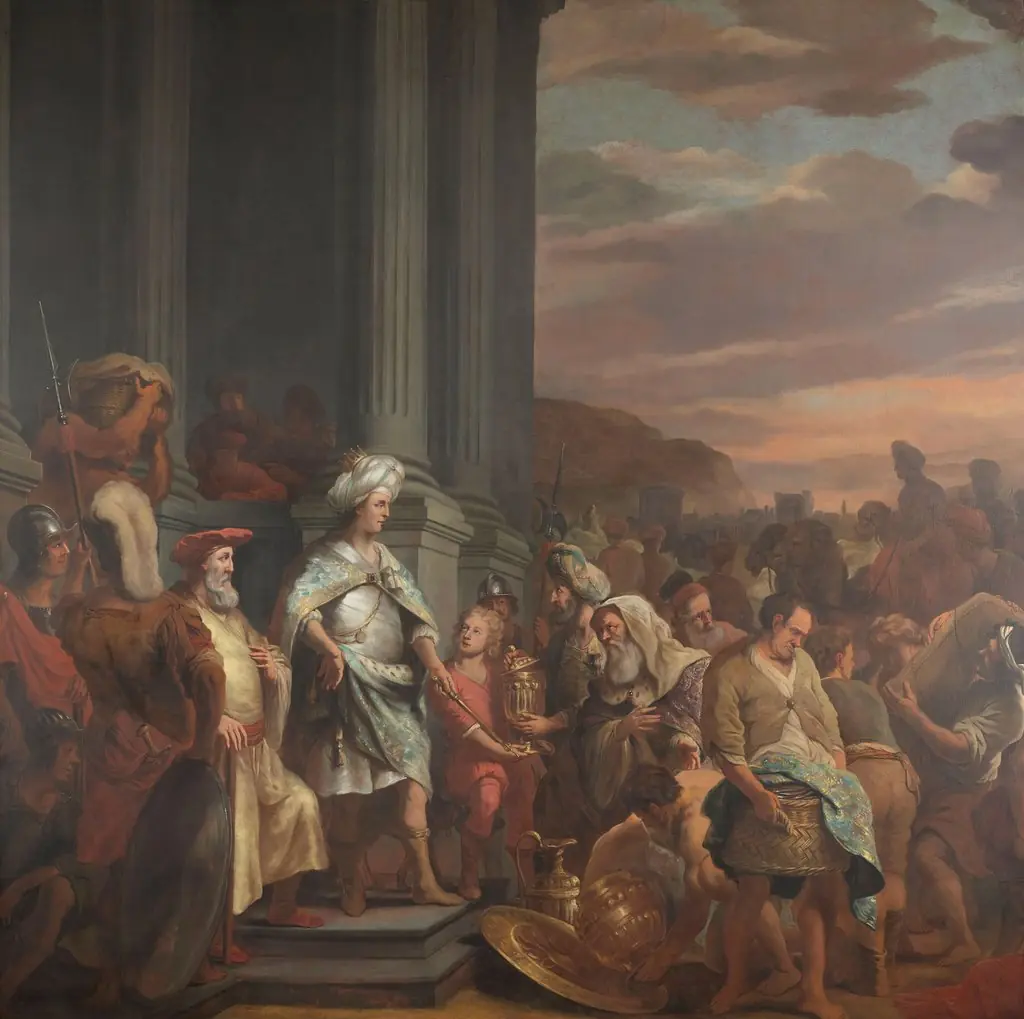 Salomo ontvangt geschenken