Artwork
Portrait of Jacques della Faille (1525-1597)
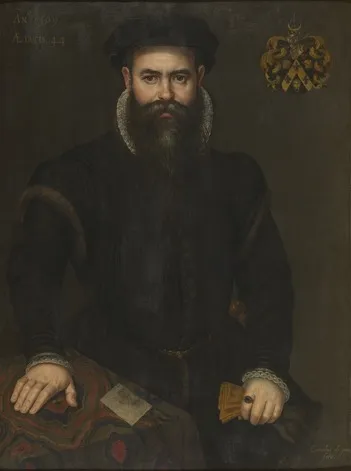
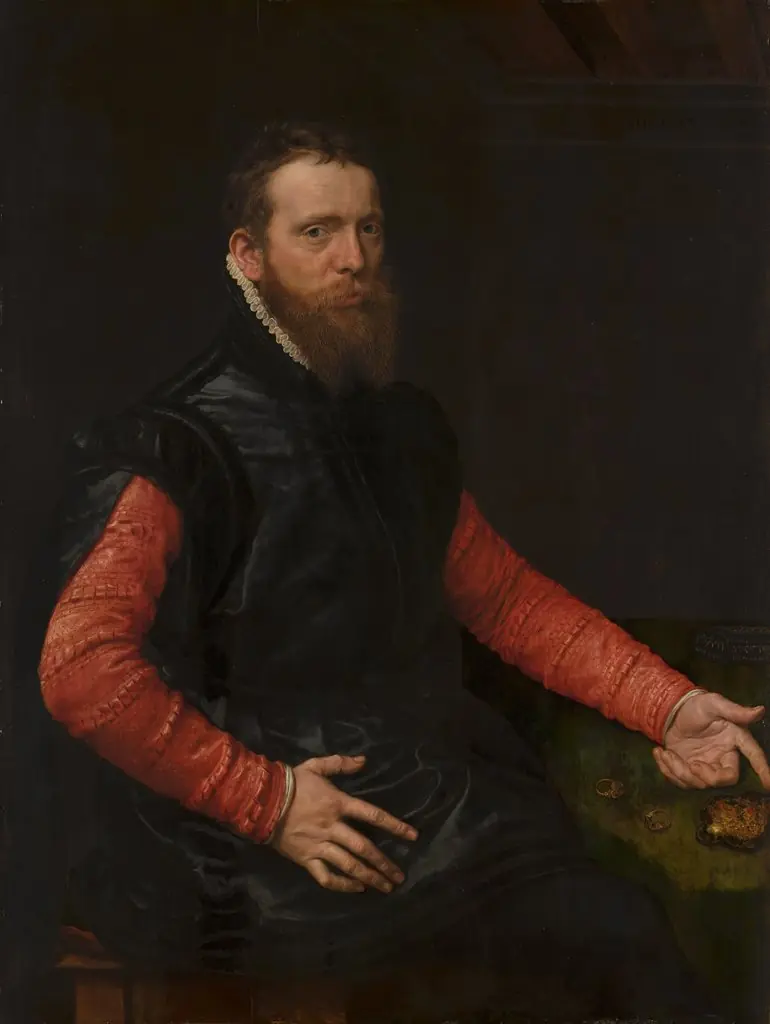
Portrait of Jacques della Faille (1525-1597) is an oil painting by the Northern Renaissance artist Cornelis de Zeeuw. It dates from 1569 and is held in the collection of the Royal Museums of Fine Arts of Belgium.
About this work
Overview
Luke, executed the work with precision characteristic of Northern Renaissance portraiture.
Painted in 1569 by Cornelis de Zeeuw, a Flemish artist active in Antwerp and England, this oil portrait depicts Jacques della Faille, a prominent figure of the period. De Zeeuw, trained within a family of painters affiliated with the Antwerp Guild of St. Luke, executed the work with precision characteristic of Northern Renaissance portraiture. The painting is now part of the Royal Museums of Fine Arts of Belgium’s collection.
Subject & Meaning
Jacques della Faille, a learned man associated with legal and scholarly circles, is portrayed with quiet authority. His direct gaze and restrained posture suggest introspection and social standing. The object held in his right hand—possibly a document or book—hints at his intellectual pursuits. The somber tone and minimal background emphasize his presence as a figure of gravitas, not spectacle.
Technique & Style
De Zeeuw employed fine brushwork to render the texture of fabric, the sheen of leather, and the subtle contours of facial hair. The dark, neutral background isolates the figure, focusing attention on his form and expression. Lighting is soft and even, avoiding dramatic contrasts, in keeping with Northern Renaissance conventions that valued detail and psychological nuance over theatricality.
History & Provenance
Commissioned during de Zeeuw’s time in England, the portrait likely served to affirm della Faille’s status among international elites. It remained in private hands before entering the Royal Museums of Fine Arts of Belgium’s collection, where it has been preserved as an example of mid-16th-century Flemish portraiture. Its documented attribution to de Zeeuw is supported by stylistic parallels with his other known works.
Context
In the 1560s, Antwerp was a hub of artistic exchange, with painters like de Zeeuw traveling to serve patrons across Europe. Portraits such as this one reflected the growing demand for individualized likenesses among the educated and mercantile classes. The subdued palette and restrained composition align with Protestant sensibilities that favored modesty over ostentation in visual representation.
Legacy
The portrait stands as a representative example of Flemish portraiture during a period of transition, bridging the detailed realism of the Northern Renaissance with emerging trends in psychological depth. While de Zeeuw’s oeuvre is limited, this work contributes to understanding the mobility and influence of Antwerp-trained artists in broader European contexts.
Artist & collection
Artist
Cornelis de Zeeuw (1540s – 1570s) was a Flemish painter from Antwerp active in England.

Museum
Royal Museums of Fine Arts of Belgium
Continue through works from the same source collection.
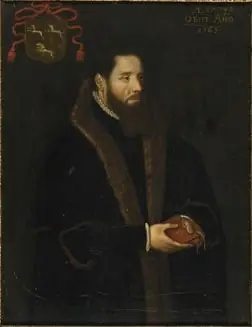 Frans de Witt (1516-1565)
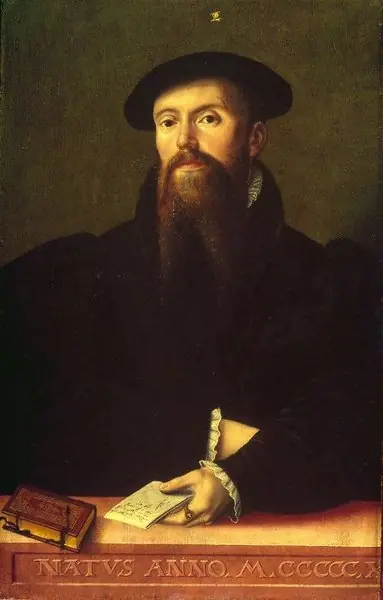 Portrait of Joest Hesset
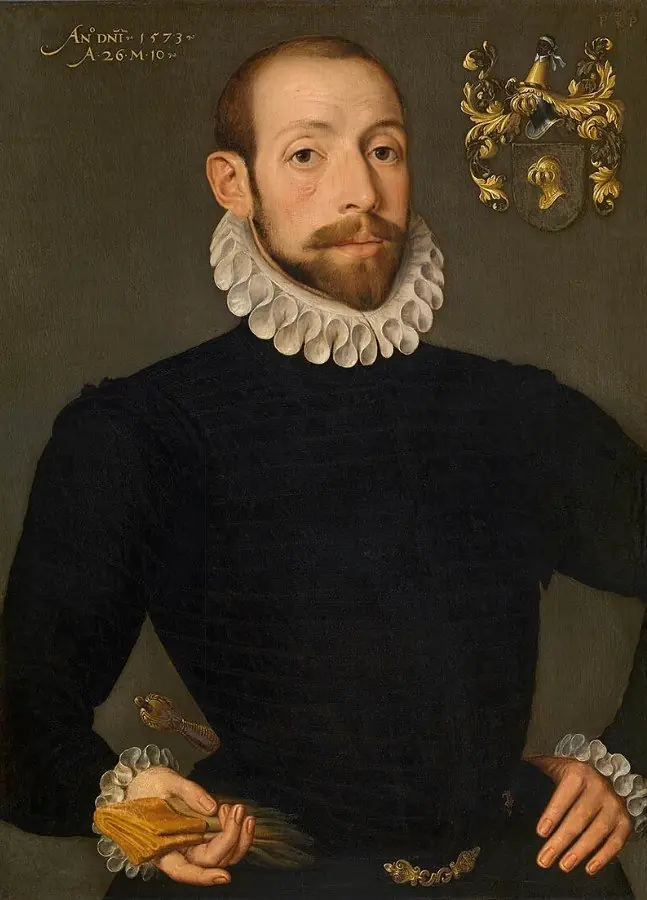 Olivier Nieulant
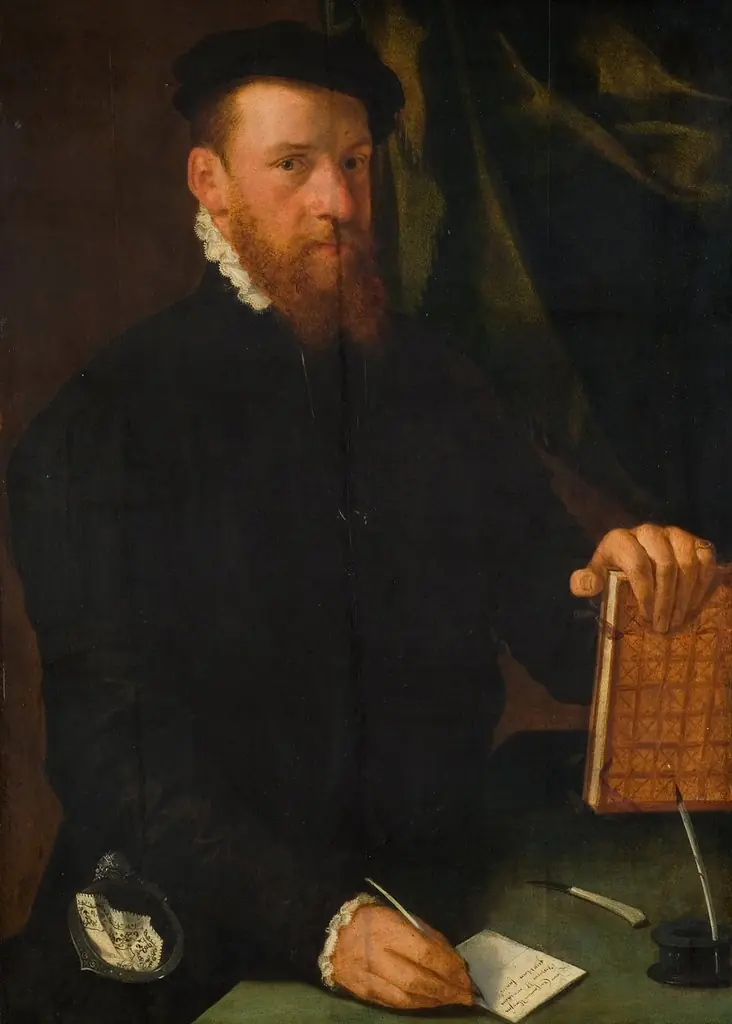 Männliches Bildnis
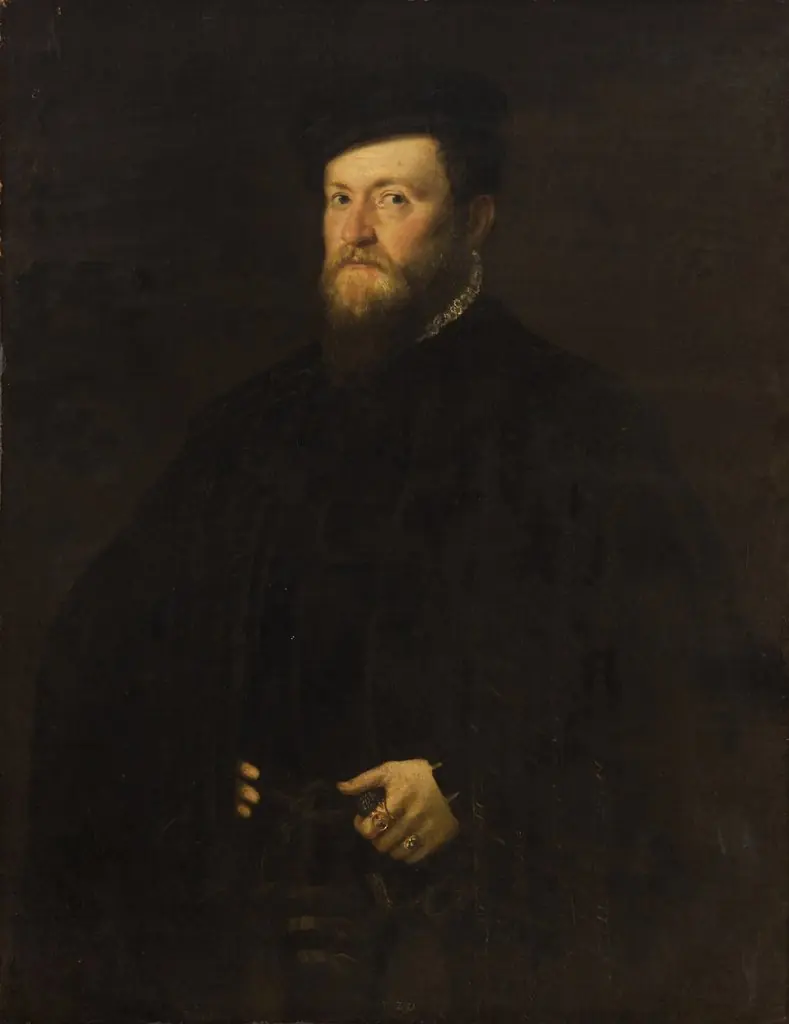 Portrait of a Man in a Cape
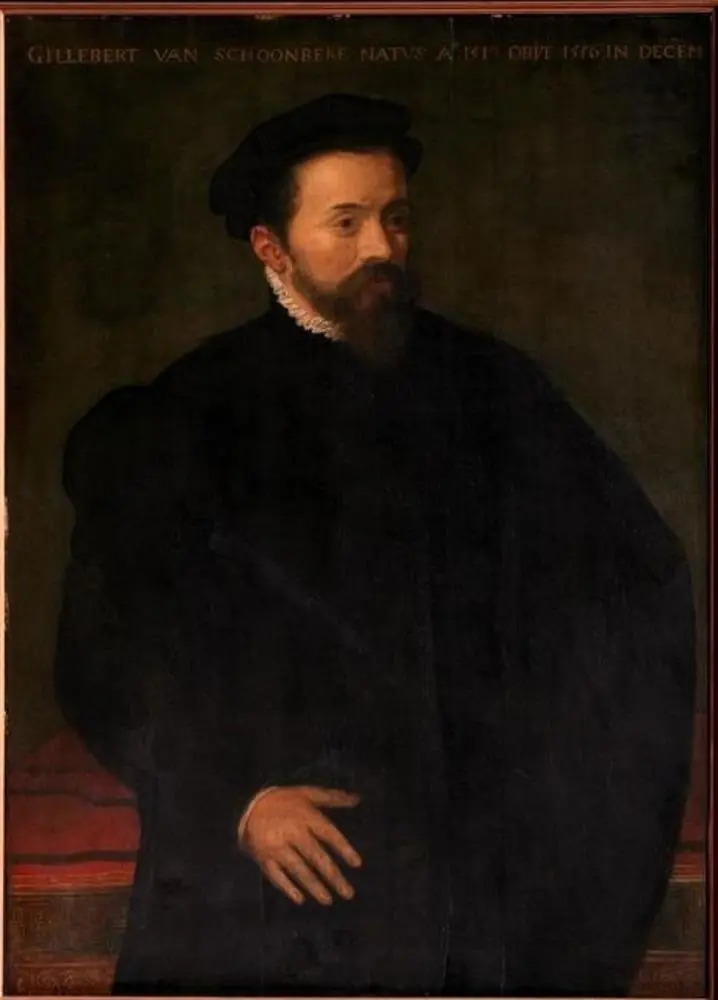 Portrait of Gilbert van Schoonbeke (1519-1556)
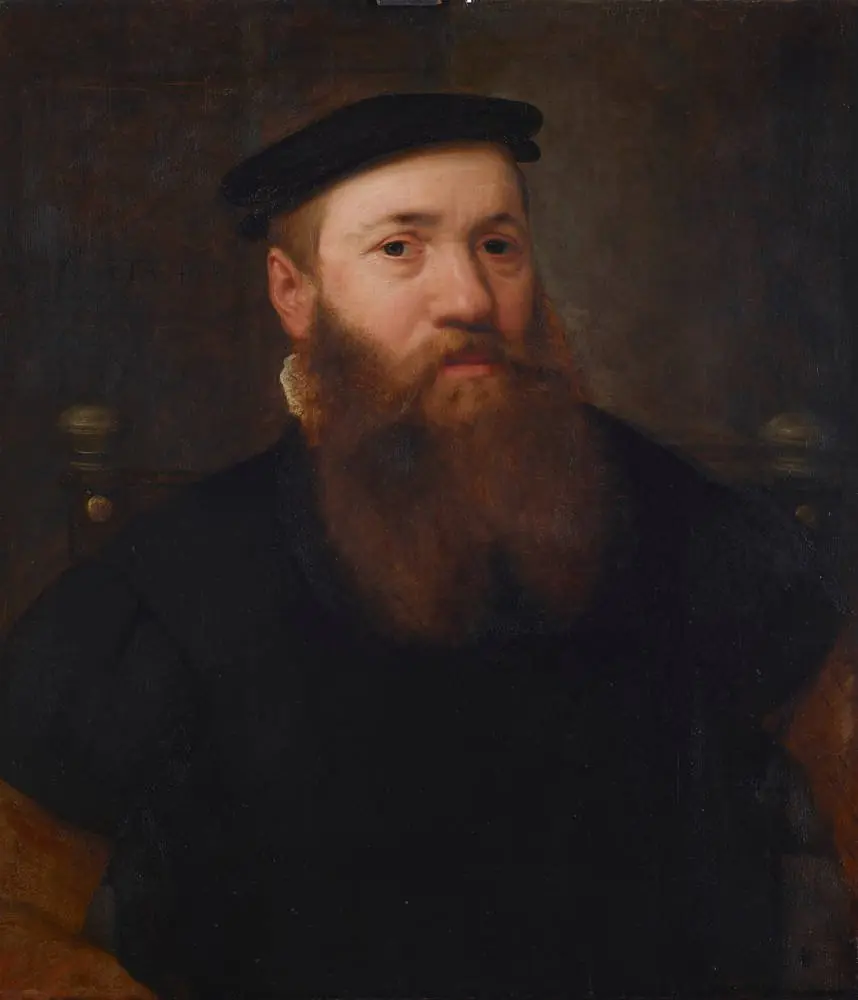 Bildnis eines Mannes mit dunkelblondem Vollbart
 Portrait of an Unknown Man
 Portrait of a 42-year-old Man
 Portrait of a Knight of the Order of Santiago
 Portrait of a Gentleman
 Steven van Herwijck