Artwork
Landscape with a mill
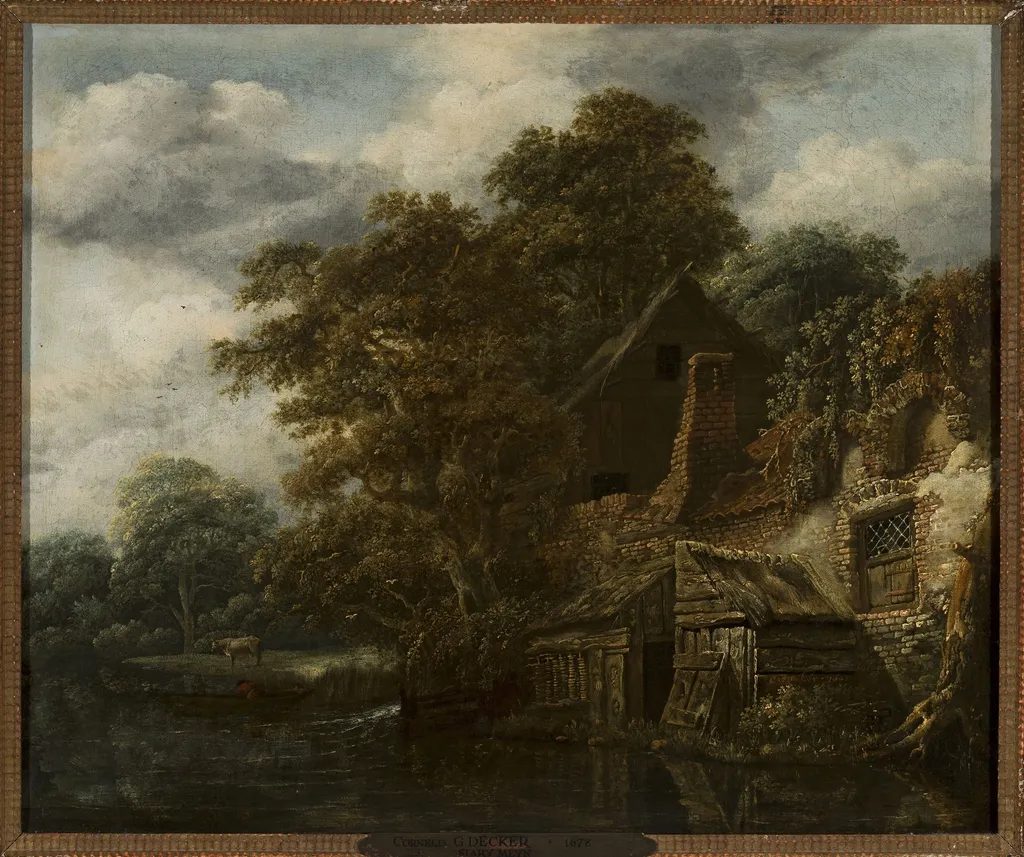
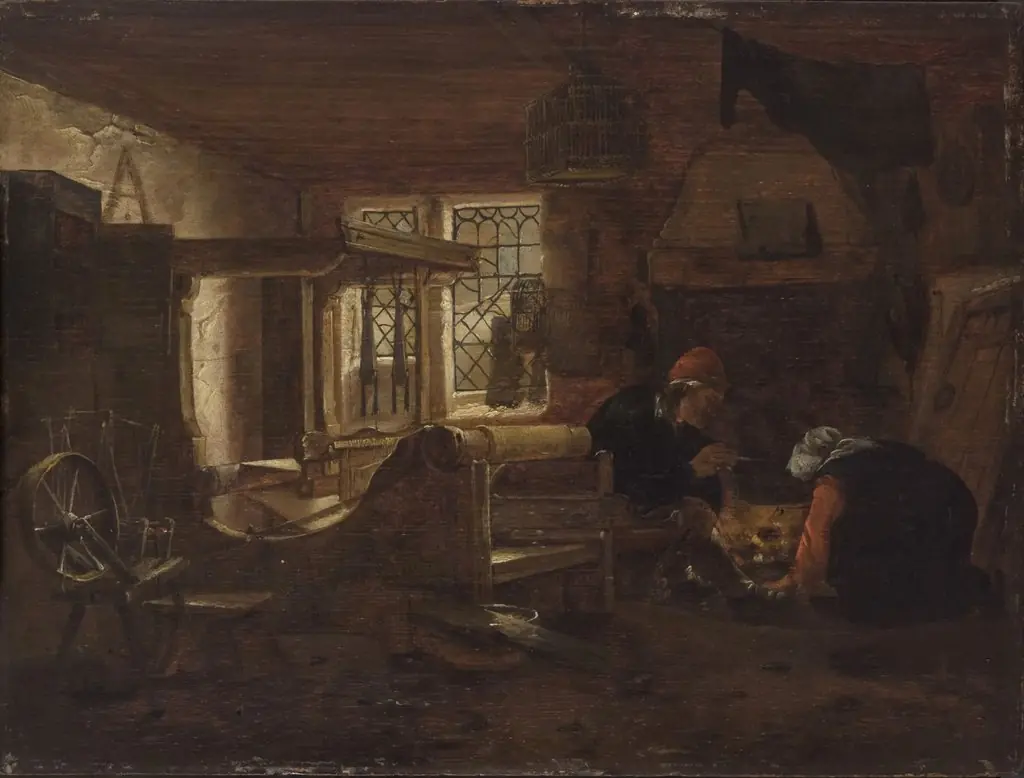
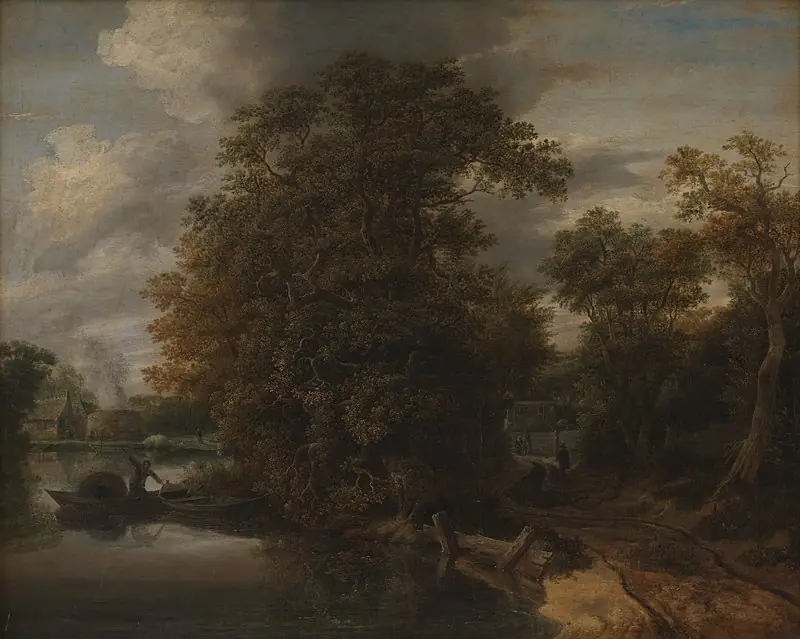
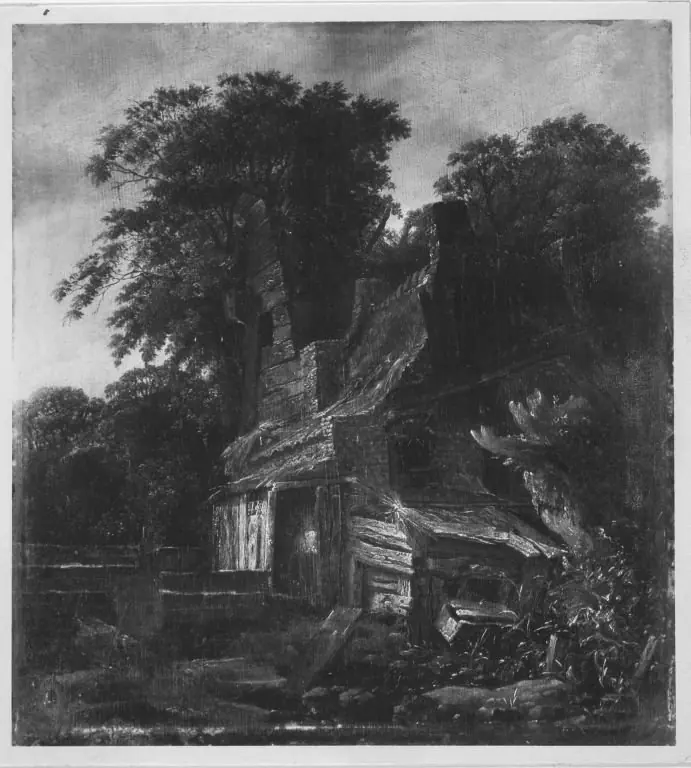
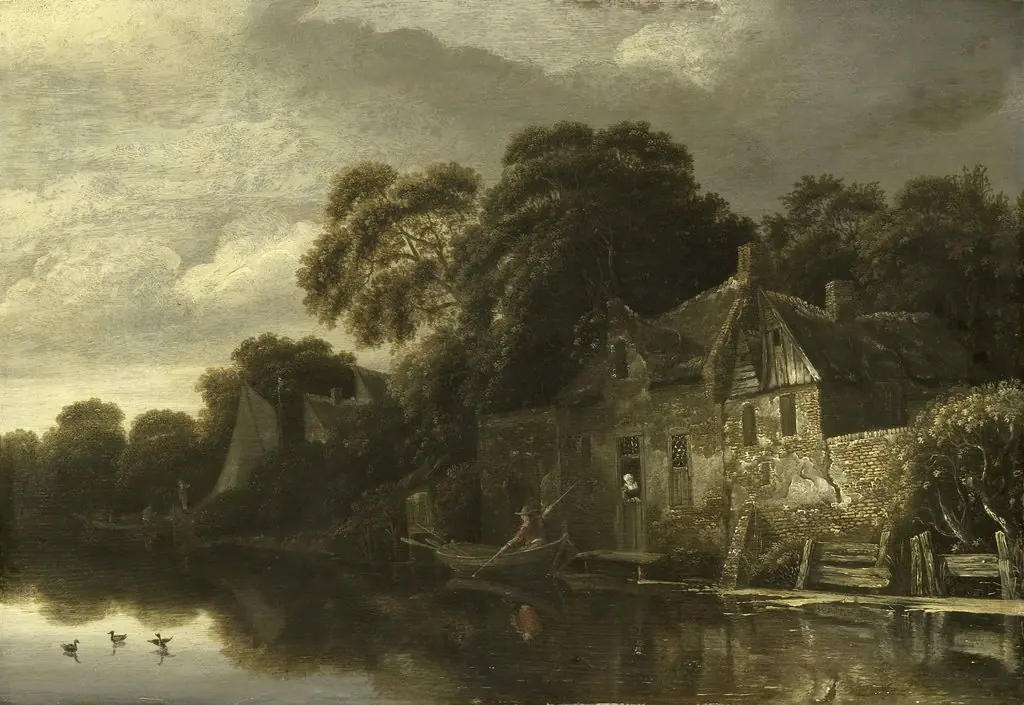
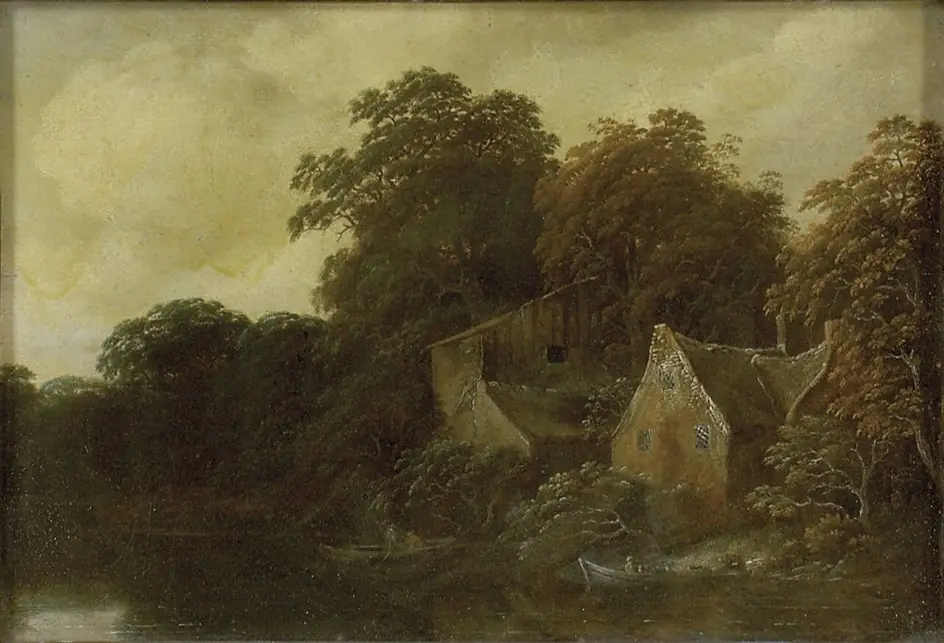
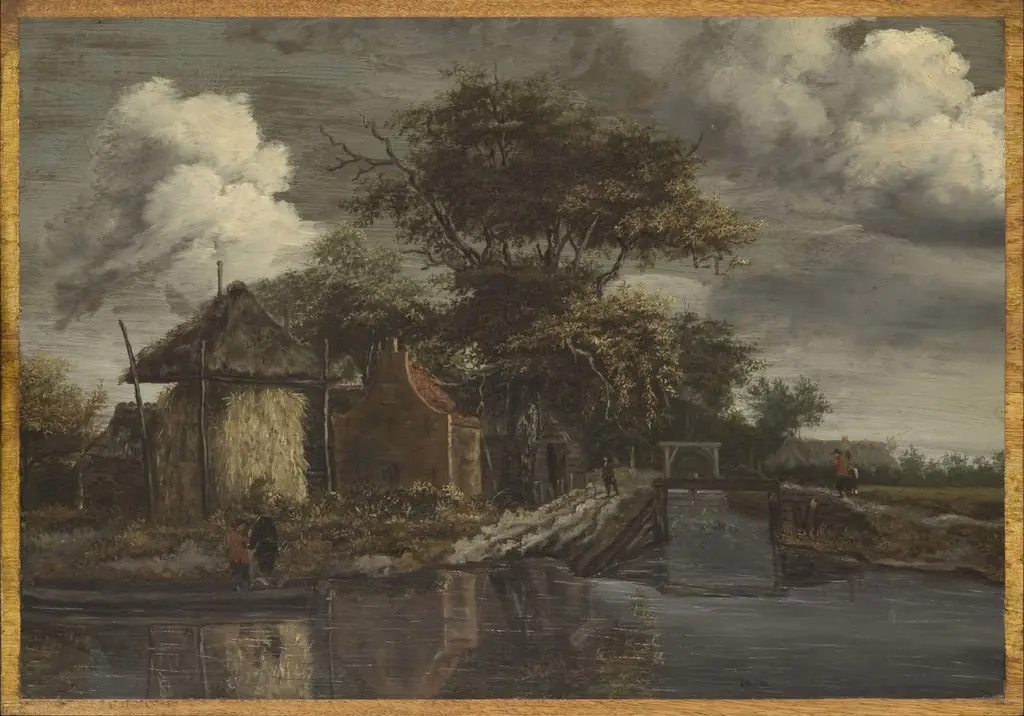
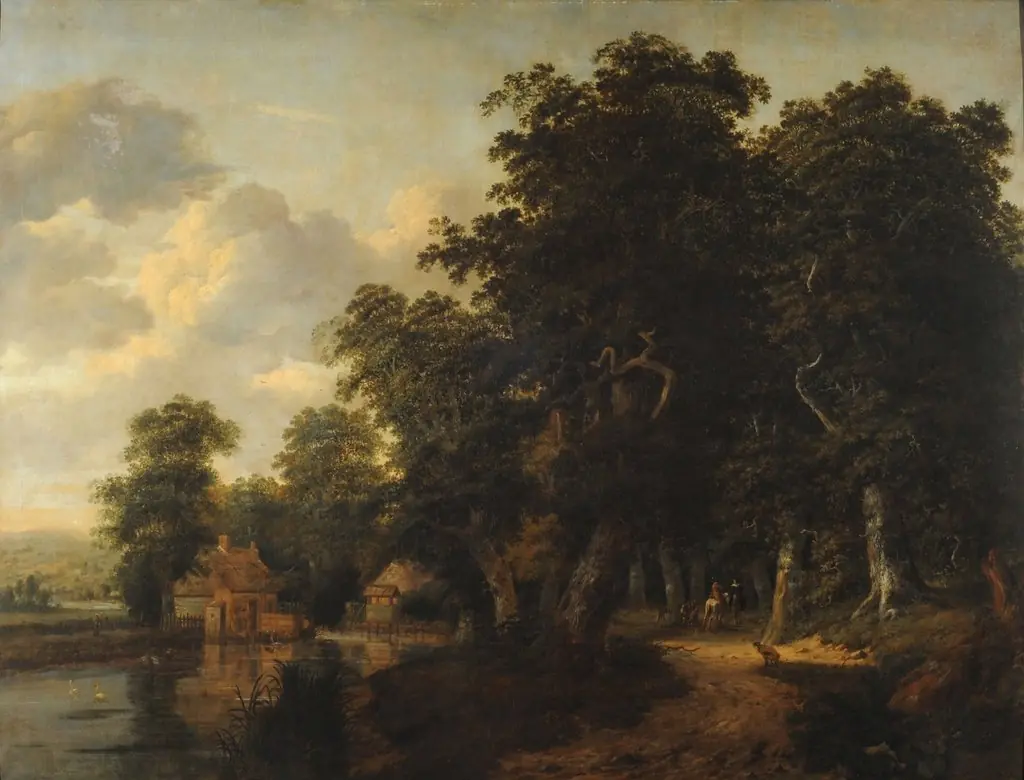
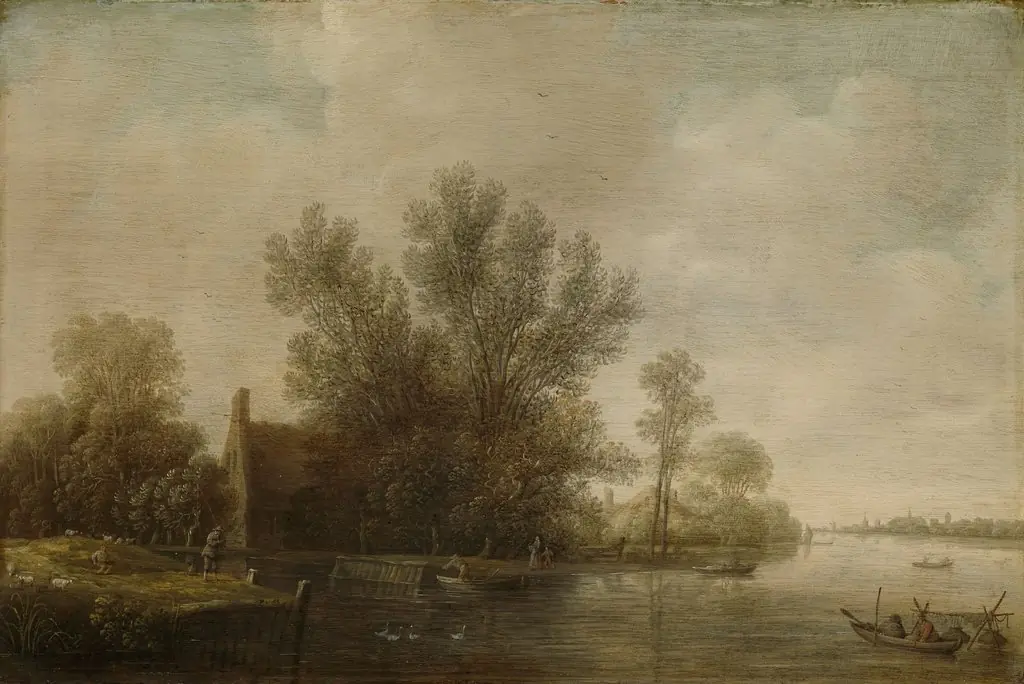
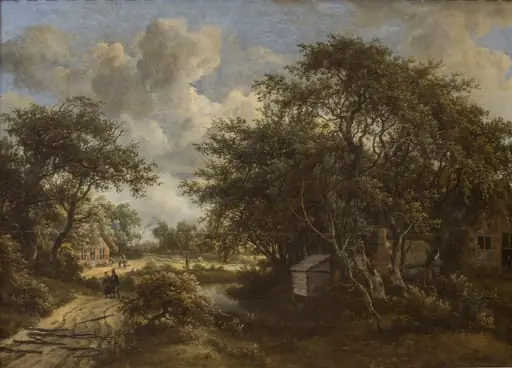
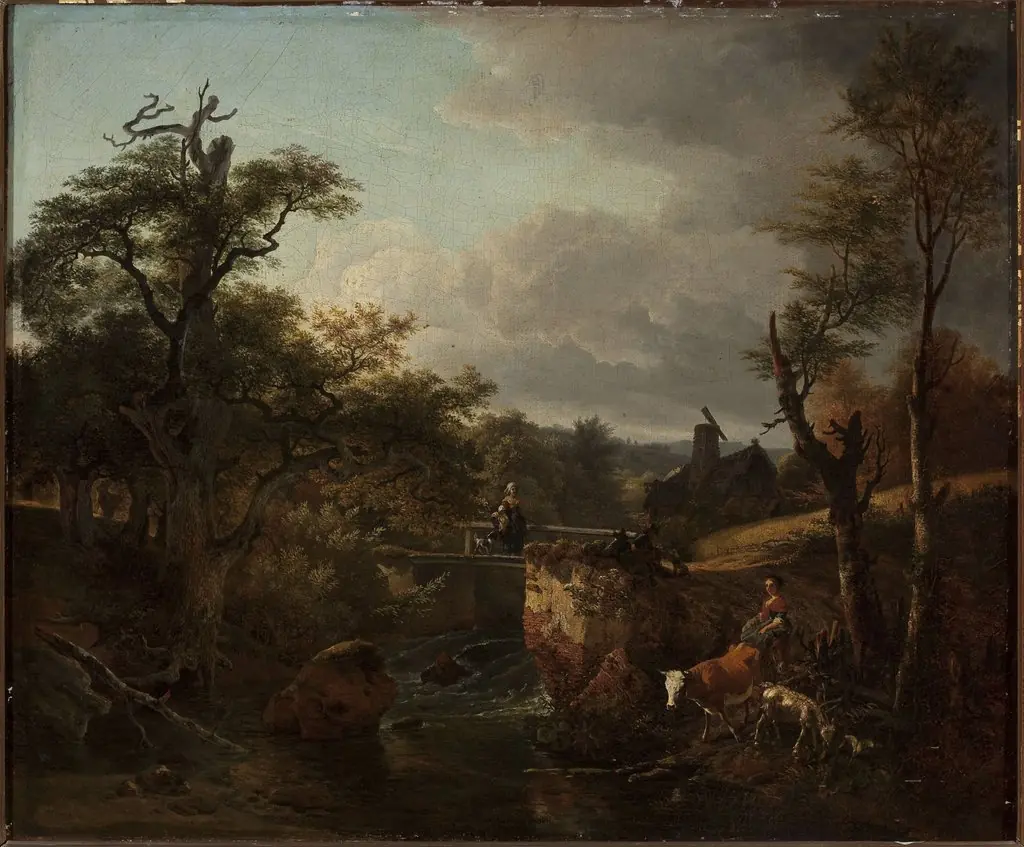
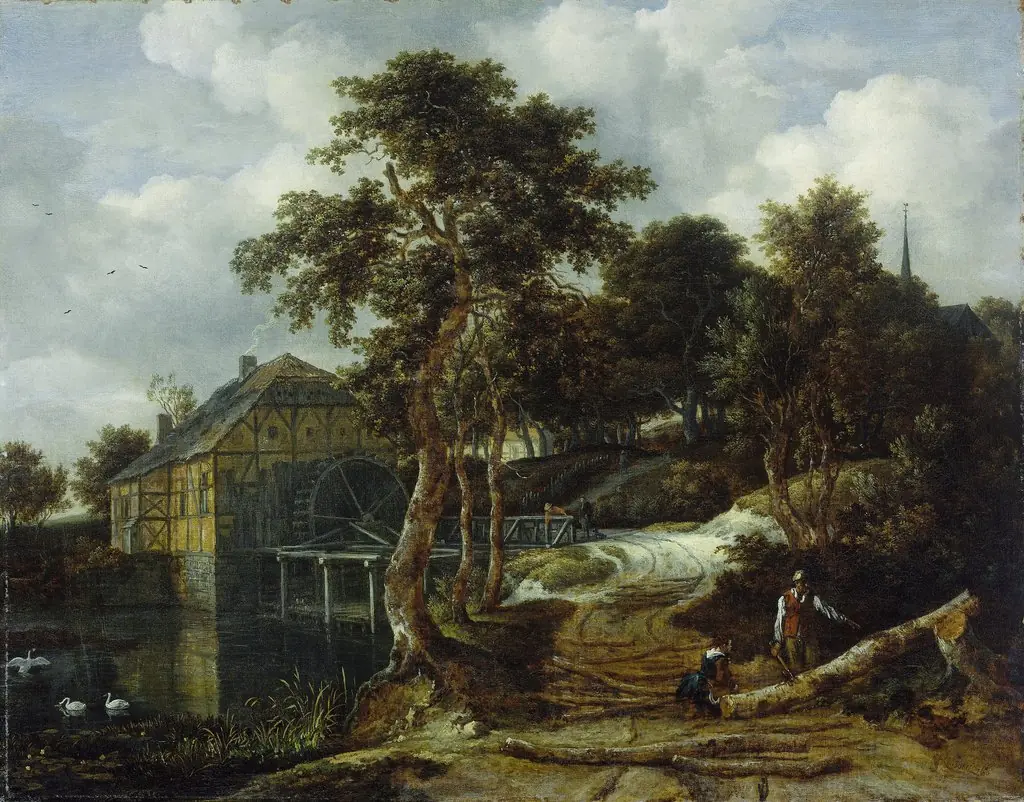
Landscape with a mill is an oil painting by the Dutch Golden Age artist Cornelis Gerritsz Decker. It dates from 1667 and is held in the collection of the National Museum in Warsaw.
About this work
Overview
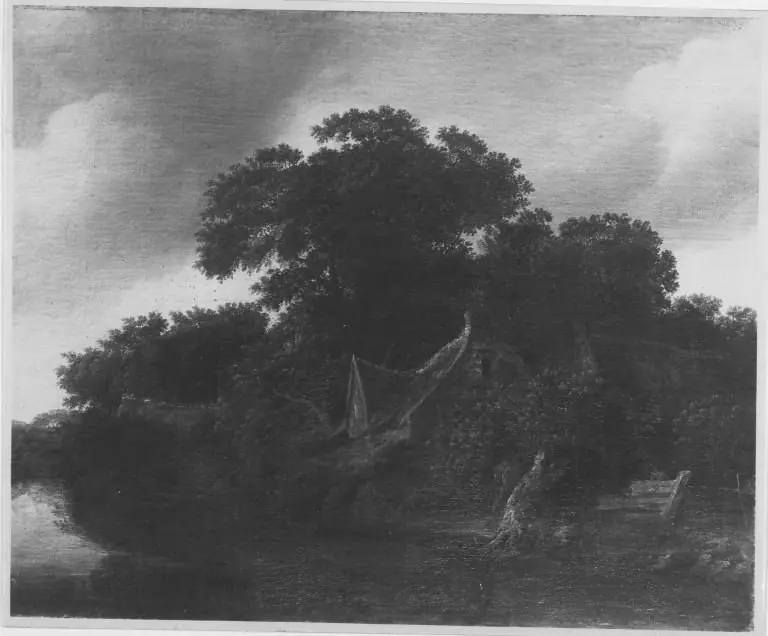
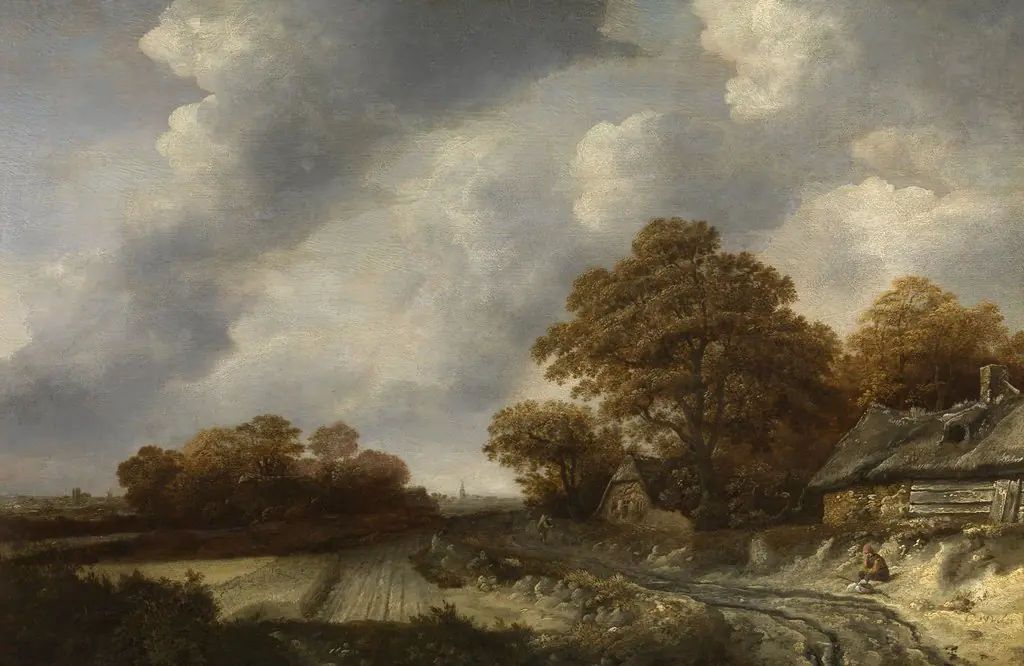
Painted in 1667 by Cornelis Gerritsz Decker, this oil-on-canvas work depicts a quiet rural scene centered on a windmill. The painting is part of the collection at the National Museum in Warsaw. Its subdued palette and deliberate composition reflect the Dutch landscape tradition of the mid-seventeenth century, emphasizing natural harmony over dramatic intervention.
Subject & Meaning
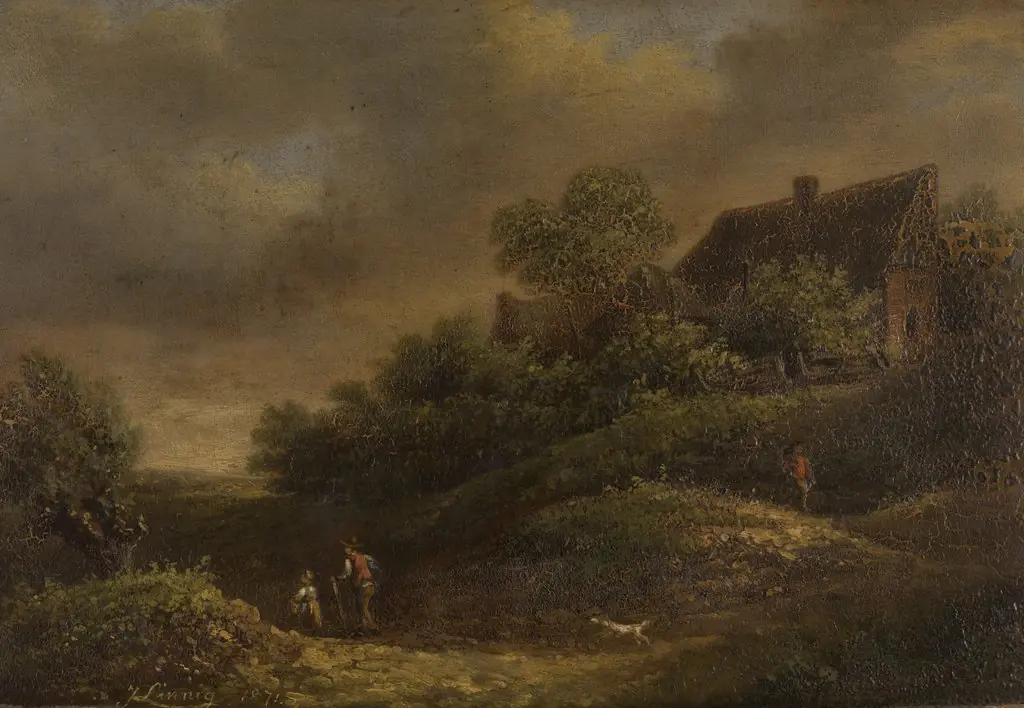
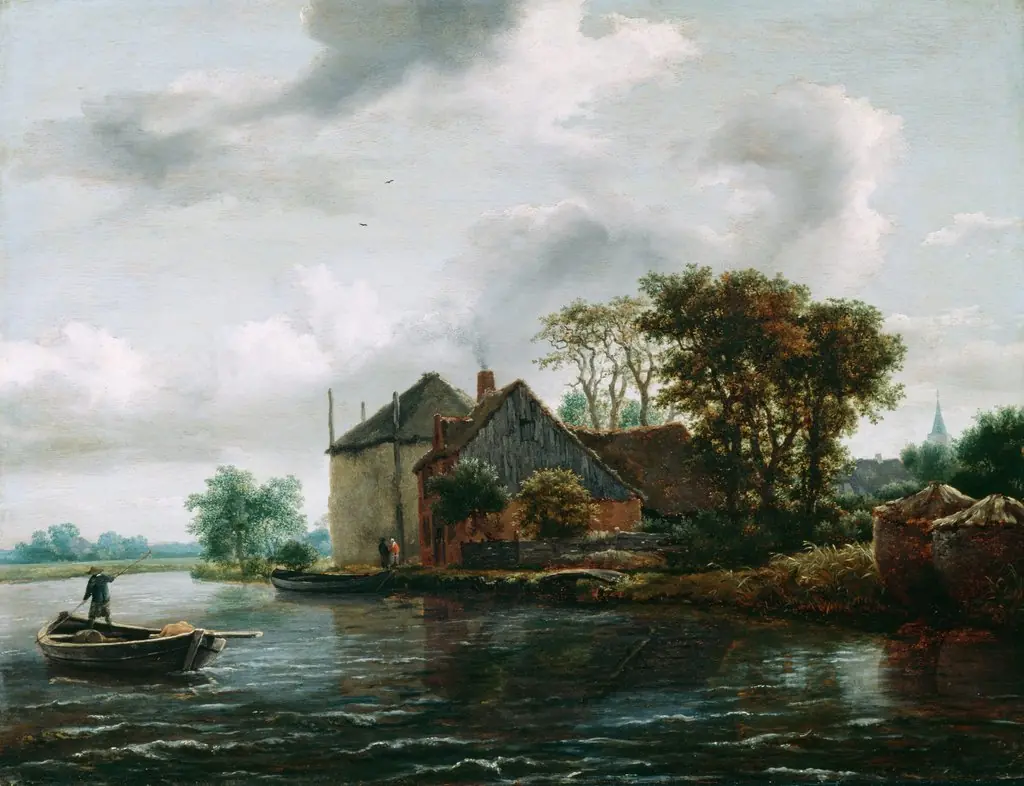
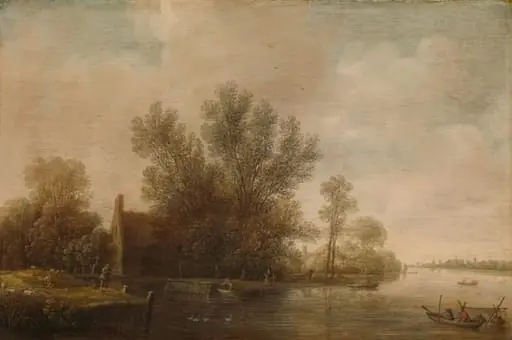
The mill, constructed of brick and timber with a thatched roof, stands as both a functional structure and a symbol of rural industry. Surrounding trees and a soft, overcast sky frame the scene without drawing attention to human activity. The absence of figures reinforces a sense of stillness, suggesting an idealized vision of agricultural life grounded in quiet endurance rather than spectacle.
Technique & Style
This approach aligns with Dutch naturalism, where atmospheric effects and material realism take precedence over theatrical lighting or exaggerated perspective.
Decker employed loose, visible brushwork to render textures—rough brick, leafy foliage, and cloud-covered sky—with subtle variation in tone. The paint is applied with a restrained hand, avoiding strong contrasts in favor of tonal gradations. This approach aligns with Dutch naturalism, where atmospheric effects and material realism take precedence over theatrical lighting or exaggerated perspective.
History & Provenance
The painting entered the National Museum in Warsaw’s collection in the early twentieth century, though its earlier ownership remains undocumented. It survived the upheavals of war and political change in Poland, likely preserved through institutional efforts. Its continued presence in the museum underscores its value as a representative example of Dutch landscape painting in Central European collections.
Context
Decker worked during a period when Dutch artists increasingly turned to landscapes as subjects worthy of independent study. Unlike grand historical or religious scenes, these works celebrated the ordinary environment. The mill, a common motif in Dutch art, reflected both economic reality and cultural pride in land management and water control systems.
Legacy
Though not widely known outside specialist circles, Decker’s work contributes to the broader understanding of Dutch landscape painting’s evolution. His restrained style, focused on atmosphere and structure, influenced later generations of regional painters who sought to capture the quiet dignity of the countryside without embellishment.
Artist & collection
Artist
Cornelis Gerritsz Decker (1618–1678) was an artist, born in Haarlem.