Artwork
Parable of the Prodigal Son
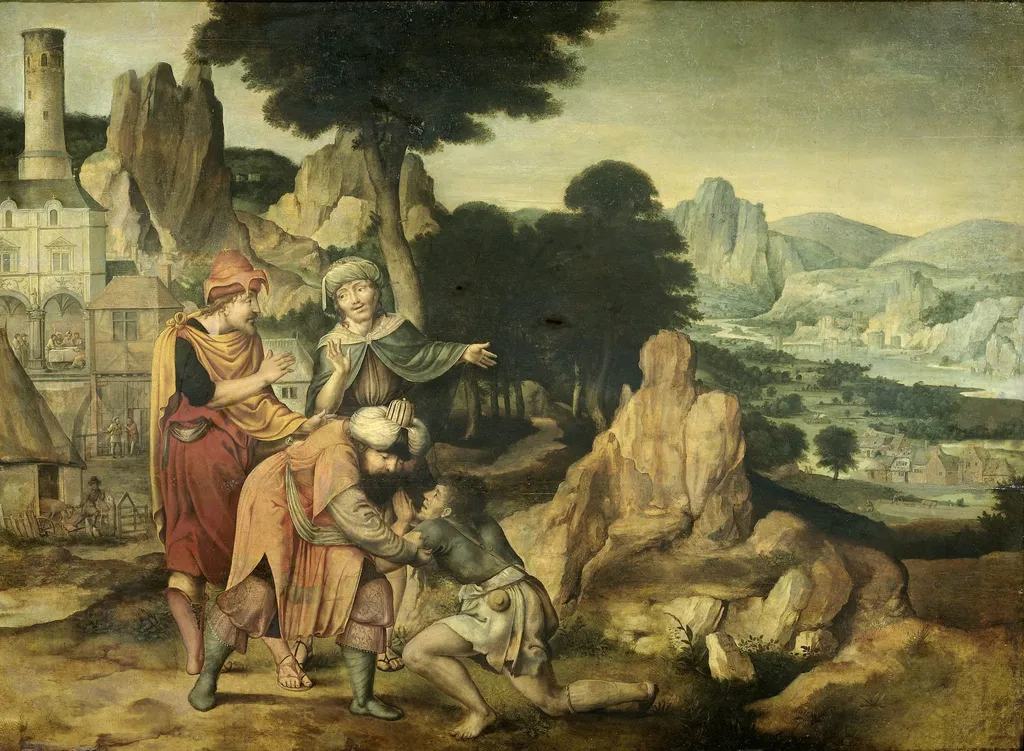
Parable of the Prodigal Son is an unspecified painting by the Northern Renaissance artist Cornelis Massijs. It dates from 1538 and is held in the collection of the Rijksmuseum.
About this work
Overview
This painting depicts the biblical parable of the prodigal son, presenting multiple moments from the narrative within a single composition.
This painting depicts the biblical parable of the prodigal son, presenting multiple moments from the narrative within a single composition. The central focus is the father embracing his returning son, dressed in tattered clothes, while two servants observe. Surrounding this moment are smaller scenes that illustrate the son’s earlier excesses and degradation, arranged to guide the viewer’s eye across the canvas in a sequential, almost narrative fashion.
Subject & Meaning
The painting illustrates themes of repentance, forgiveness, and redemption. The son’s return in humility contrasts with his prior life of indulgence and ruin. The father’s open embrace signifies unconditional mercy, while the servants’ presence underscores the social weight of the moment. The inclusion of earlier episodes reinforces the moral arc: from folly to humility, and from estrangement to reconciliation.
Technique & Style
The artist employs a layered spatial structure, placing the main scene in the foreground and embedding subsidiary episodes in the margins. Details are rendered with precision but scaled down to avoid visual competition. The background features a calm, expansive landscape that provides visual relief and symbolic distance from the emotional core. The palette remains restrained, emphasizing the gravity of the moment over theatricality.
History & Provenance
The painting originates from the Dutch Golden Age, likely created in the early 17th century by an artist associated with the Northern Renaissance tradition. It entered the Rijksmuseum’s collection in the 19th century, where it has remained as part of a broader group of biblical narrative works. Its composition reflects a common practice among Dutch painters to condense scriptural stories into single, instructive images for private devotion.
Context
During the Protestant Reformation, visual storytelling in art shifted toward moral clarity and accessibility. Artists often embedded multiple episodes from biblical tales into one frame to aid contemplation and instruction. This painting aligns with that trend, using spatial economy to convey complex theological ideas without text. The inclusion of everyday settings—like the village and landscape—grounds the divine narrative in the familiar world of its viewers.
Legacy
The painting exemplifies a distinctive Dutch approach to biblical illustration, where narrative density and quiet observation replace grandeur. Its influence can be seen in later works that prioritize layered storytelling over dramatic spectacle. As part of the Rijksmuseum’s collection, it continues to serve as a reference for how visual art can convey moral depth through composition, scale, and subtle detail rather than overt symbolism.
Own this work as a print
Artist & collection
Artist
Cornelis Massijs (1508, Antwerp – c. 1556, unknown), was a Flemish Renaissance painter, draughtsman and engraver, mainly known for his landscapes and, to a lesser extent, genre scenes and portraits. He is regarded as an…

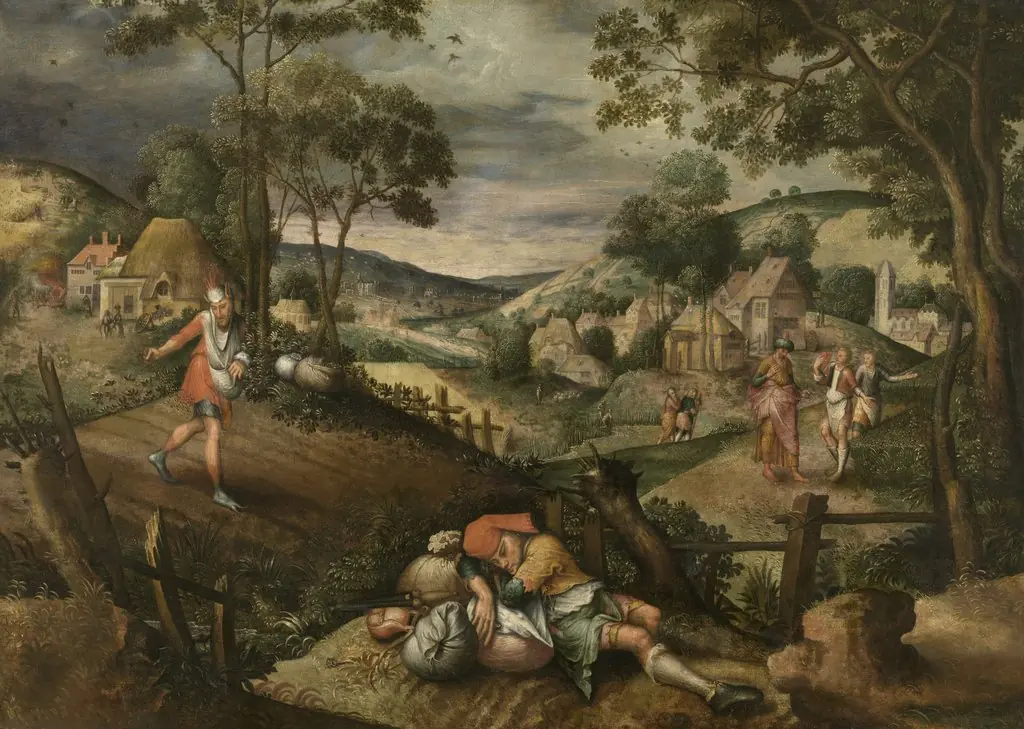 The Sower, Parable of Christ
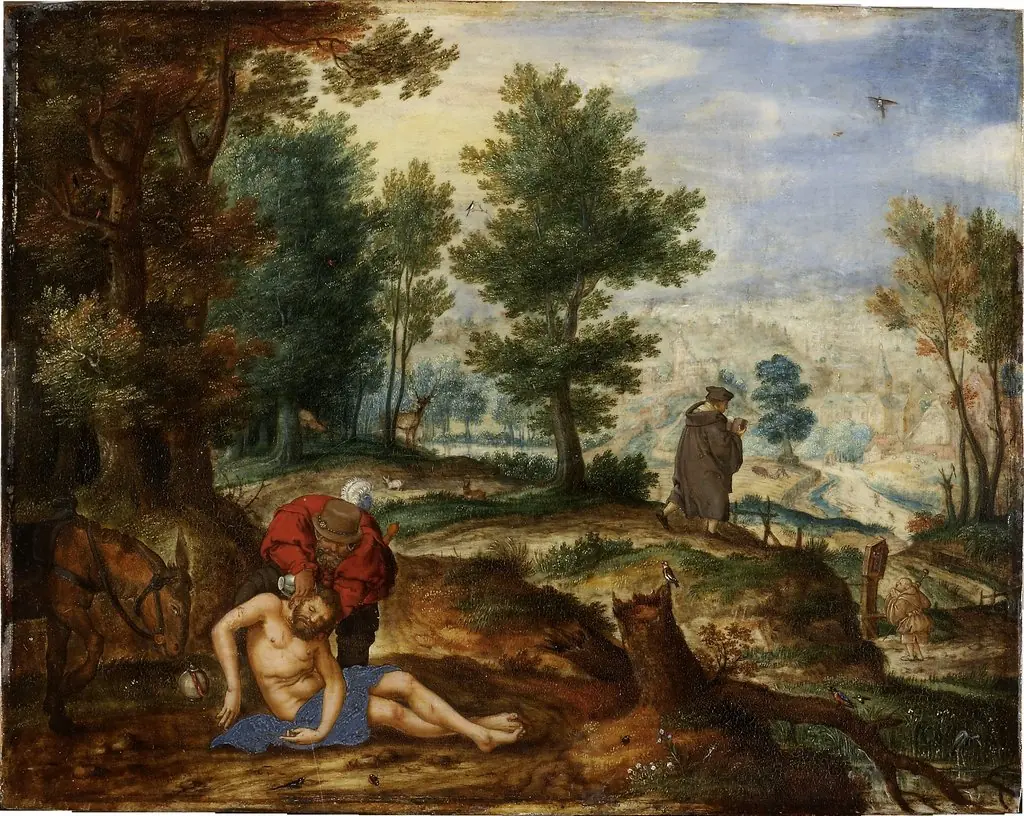 Landscape with the Good Samaritan
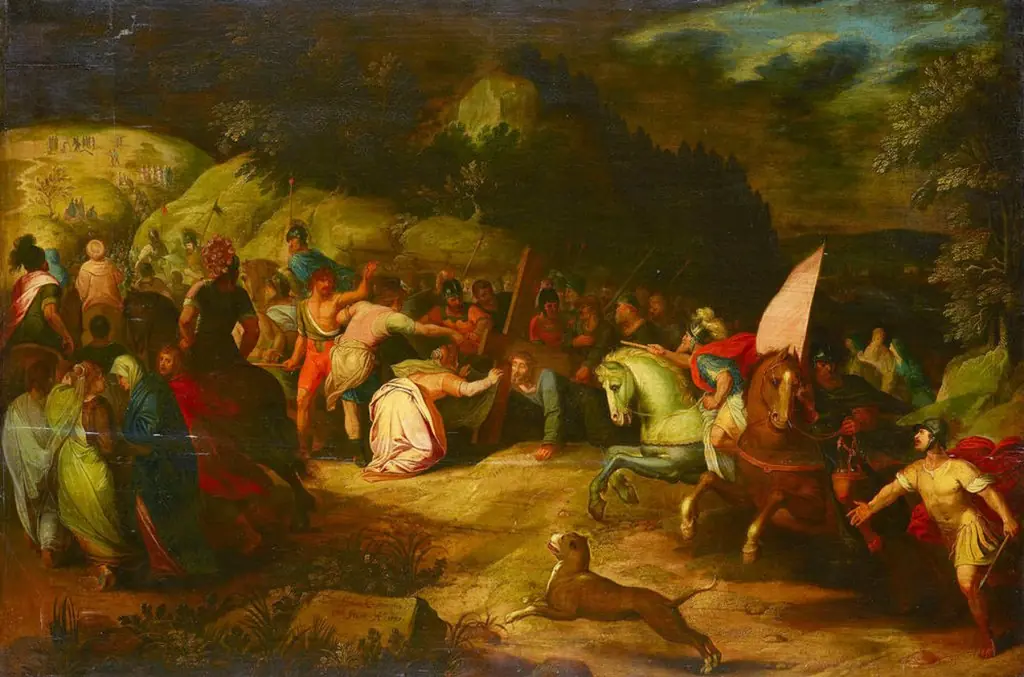 Christ collapsing under the cross on his way to Golgotha
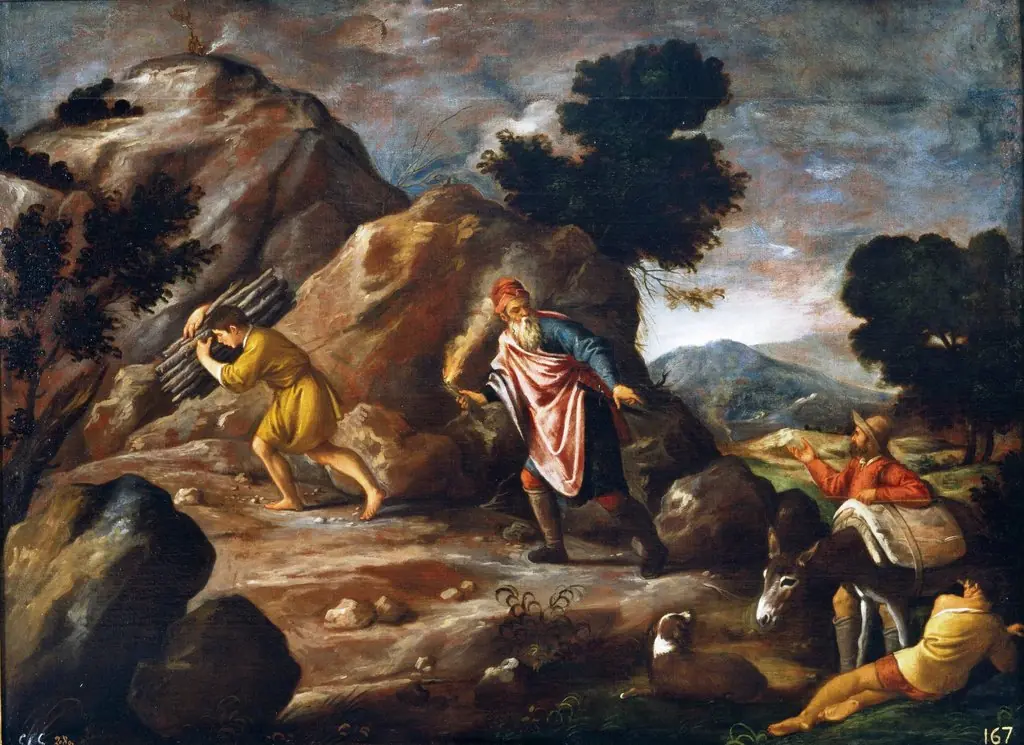 Abraham e Isaac camino del sacrificio
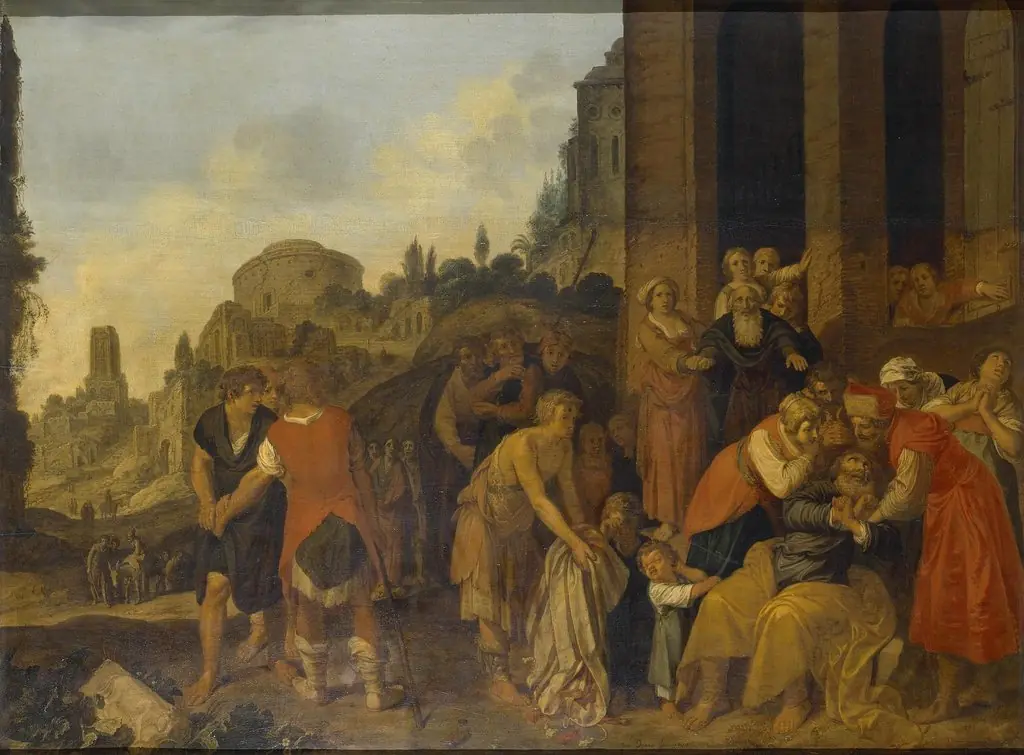 Jacob's Sons Show Him Joseph's Blood-Stained Robe
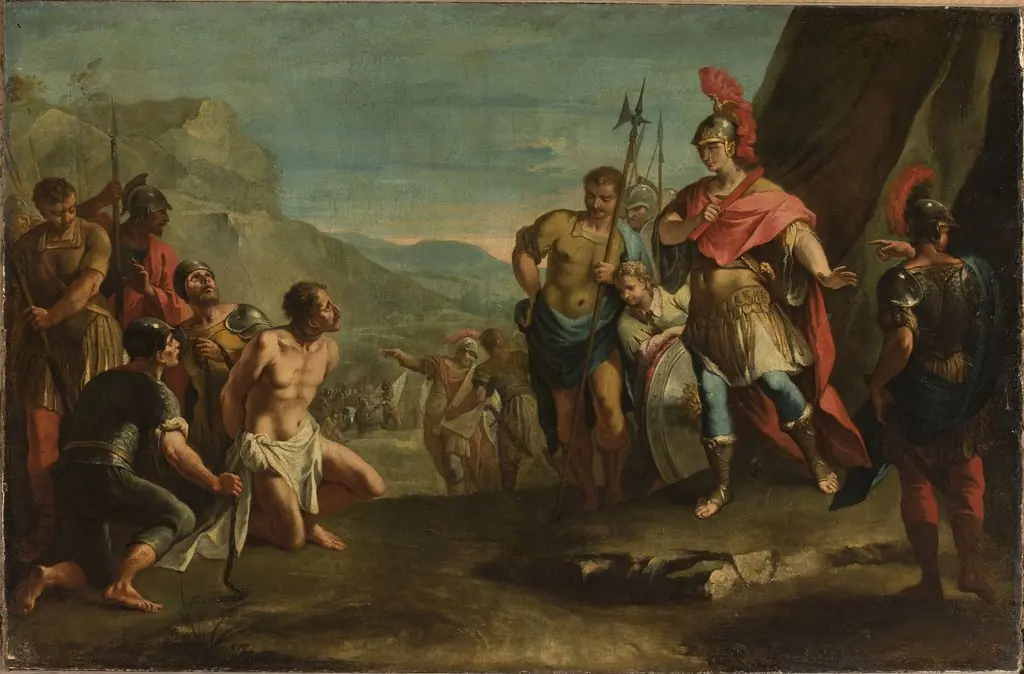 Killer of Darius before Alexander (King Porus and Alexander the Great)
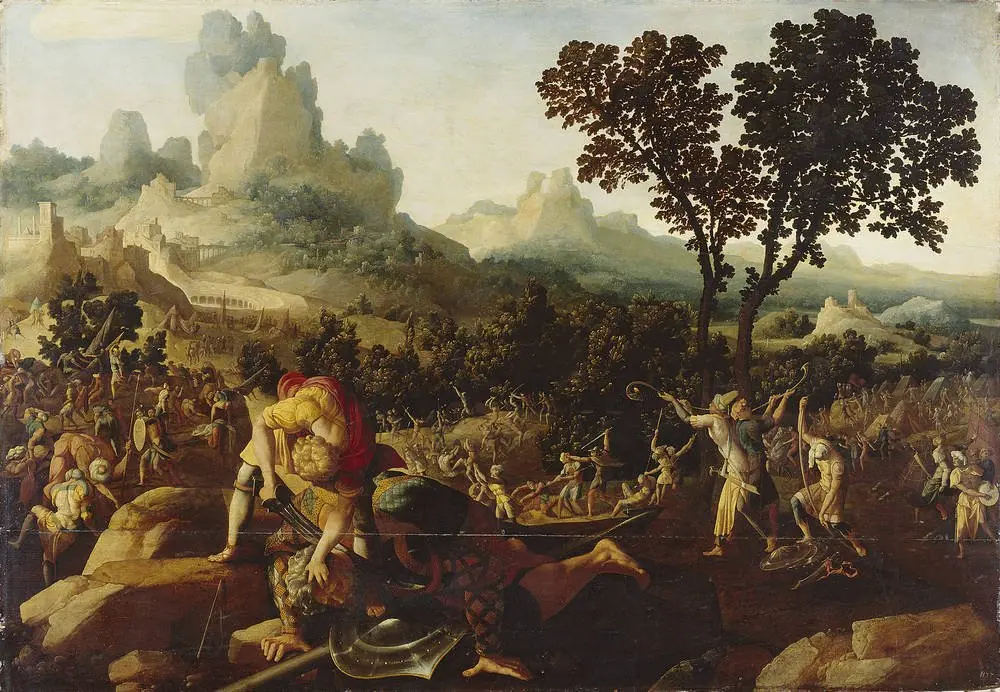 David and Goliath
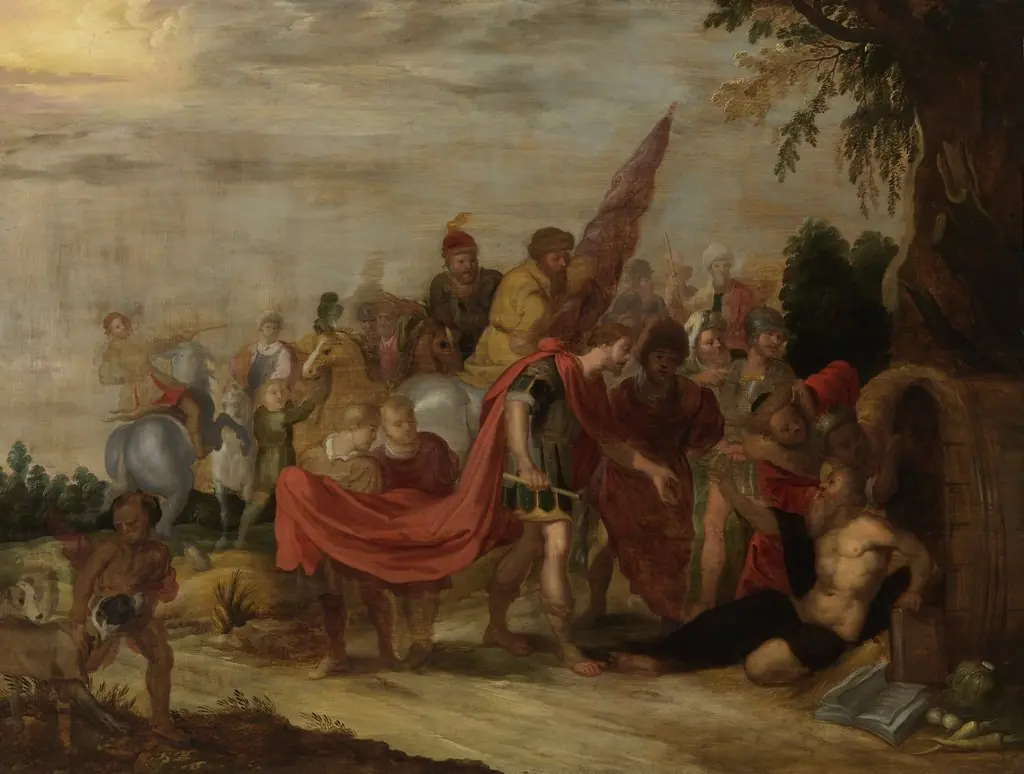 Alexander en Diogenes
 Christus am Ölberg
 After the Fall of Vetera Castra Claudius Civilis has his hair cut while his son shoots some prisoners
 Absaloms death (2 Samuel 18: 9-15)
 Moses schlägt Wasser aus dem Felsen