Artwork
Absaloms death (2 Samuel 18: 9-15)
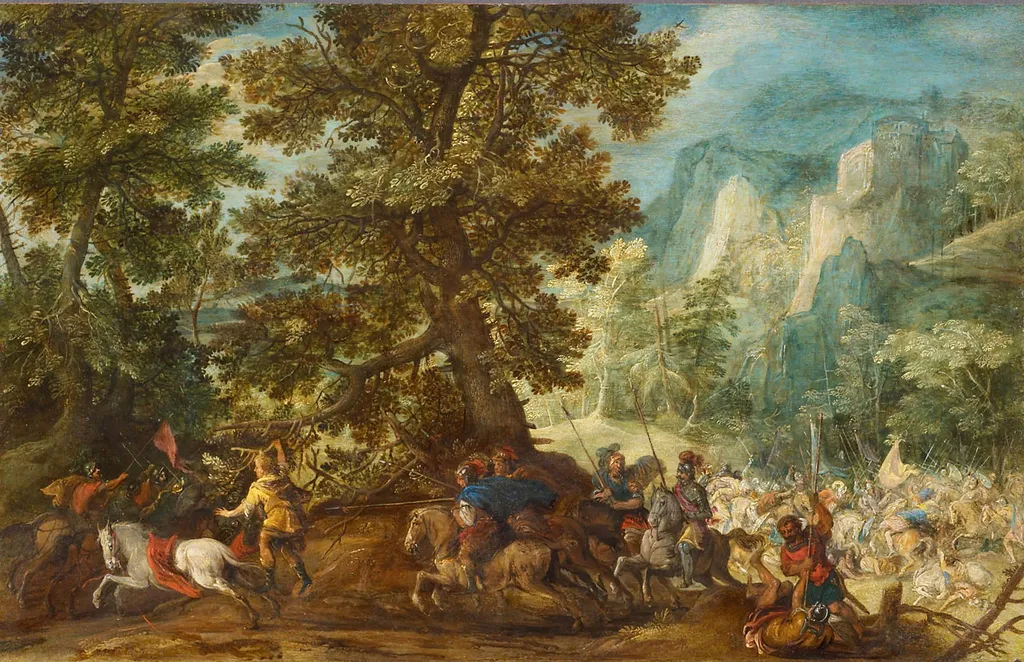
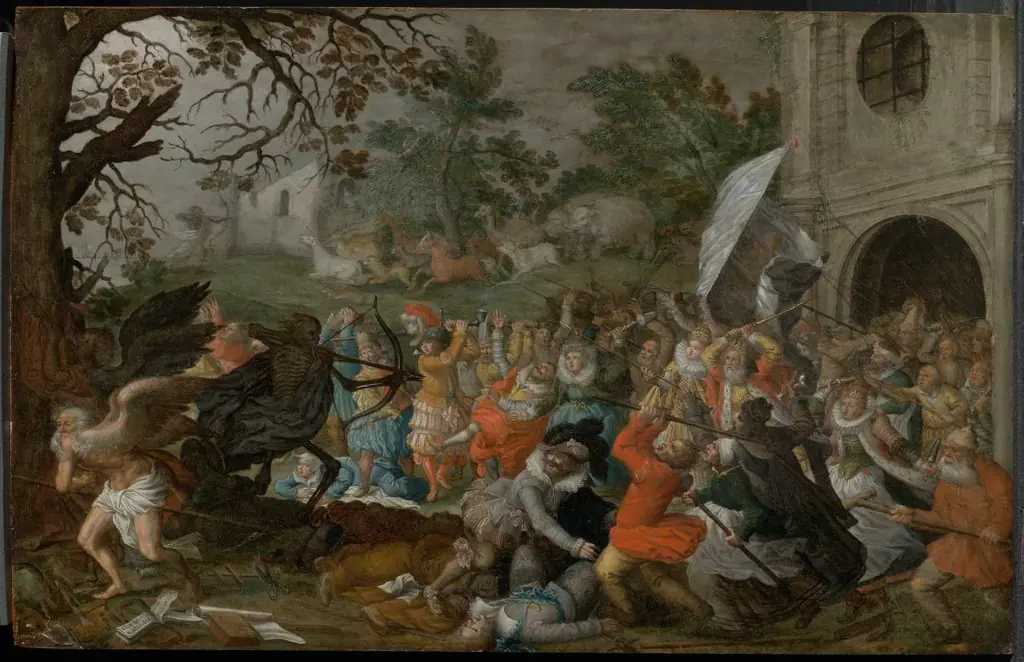
Absaloms death (2 Samuel 18: 9-15) is an oil painting by the Early Baroque Italian artist David Vinckboons. It dates from 1625 and is held in the collection of the Kunsthistorisches Museum.
About this work
Overview
Absalom’s Death is a copper painting created in 1625 by David Vinckboons, depicting a chaotic battle scene from 2 Samuel 18:9–15. Characterized by its early Baroque Italian style, the work is primarily a landscape, showcasing the artist’s penchant for dynamic outdoor settings.
Subject & Meaning
The painting illustrates the biblical account of Absalom’s demise, where the king’s son meets his fate during a battle in a forest. The emphasis on chaos and drama suggests a focus on the turmoil and consequence of the event, rather than a straightforward narrative depiction.
Technique & Style
Vinckboons employs chiaroscuro to dramatic effect, contrasting deep shadows of the forest with a bright, peeking sky. Earthy tones (greens, browns, muted reds) dominate the palette, while the interplay of light and dark guides the viewer’s eye through the tumultuous scene.
History & Provenance
Created in 1625 by Dutch Golden Age painter David Vinckboons, the painting is now part of the Kunsthistorisches Museum’s collection. Notably, Vinckboons was a prolific artist and the father of several accomplished offspring, including a cartographer and architects.
Context
While rooted in the early Baroque Italian movement, Vinckboons’ work reflects his Dutch Golden Age background, blending these influences in his depiction of a biblical subject within a vivid, dynamic landscape.
Legacy
As part of the Kunsthistorisches Museum’s holdings, Absalom’s Death contributes to the institution’s rich collection of early Baroque and Dutch Golden Age artworks, offering insights into Vinckboons’ style and the artistic intersections of his time.
Artist & collection
Artist
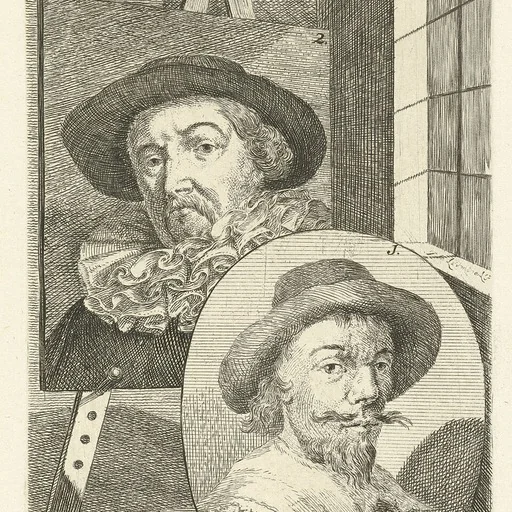
David Vinckboons (baptized 13 August 1576 – c. 1632) was a Dutch Golden Age painter born in Mechelen, Southern Netherlands. Vinckboons, whose name is often spelled as Vingboons, Vinghboons, Vinckebonis or Vinckboom, had…

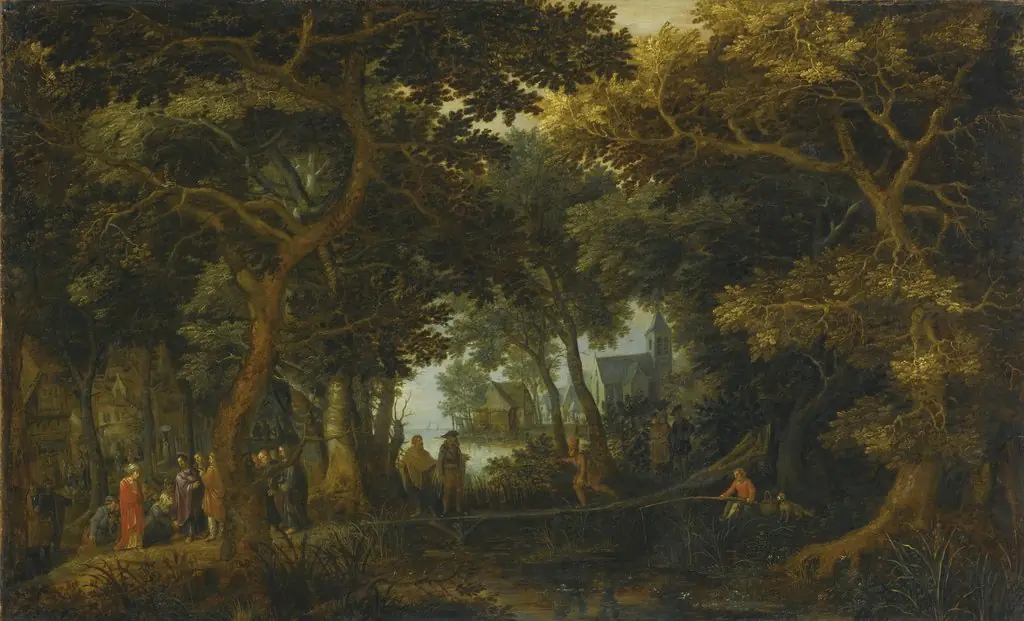
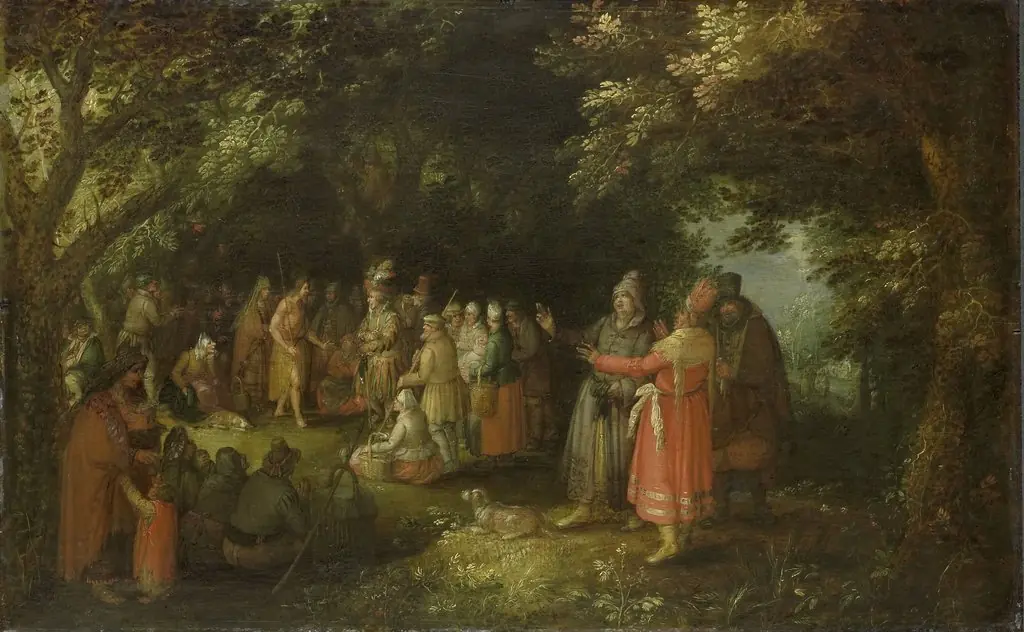
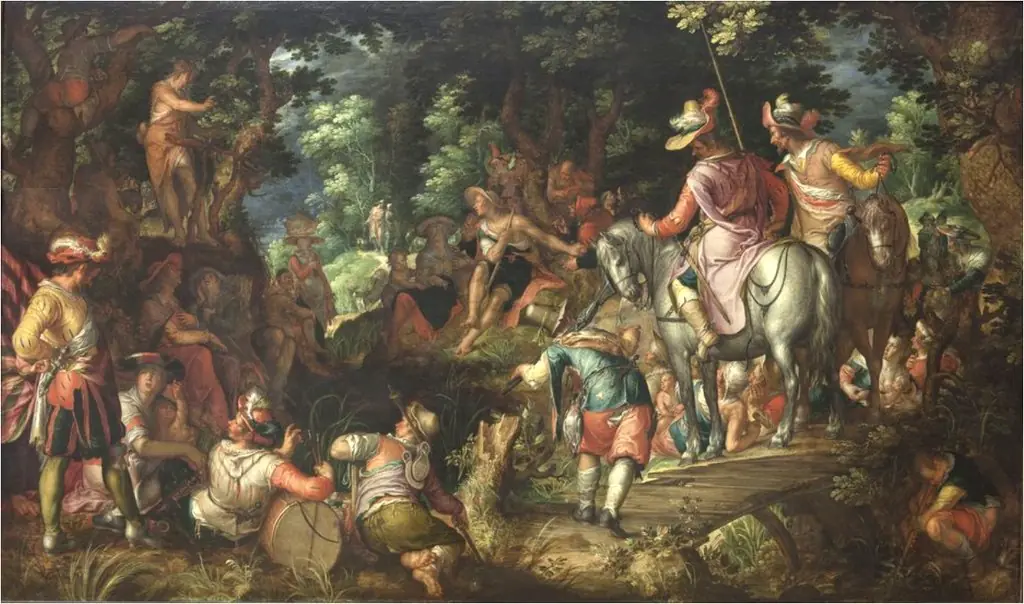 John the Baptist Preaching in the Forest
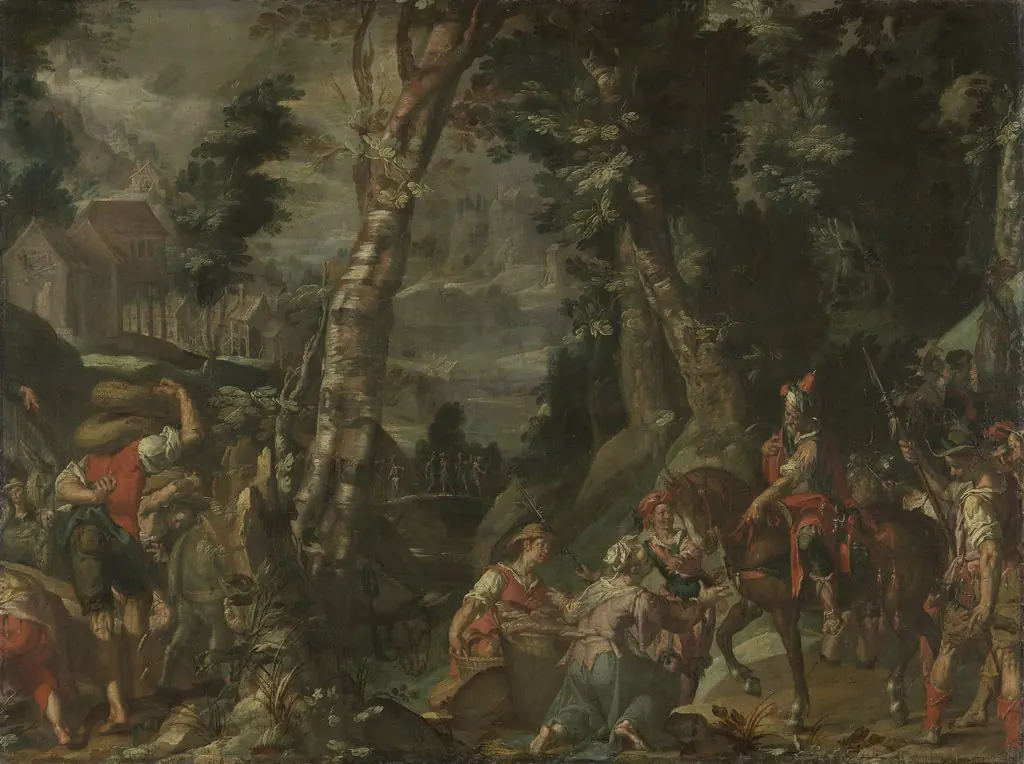 Meeting between David and Abigail
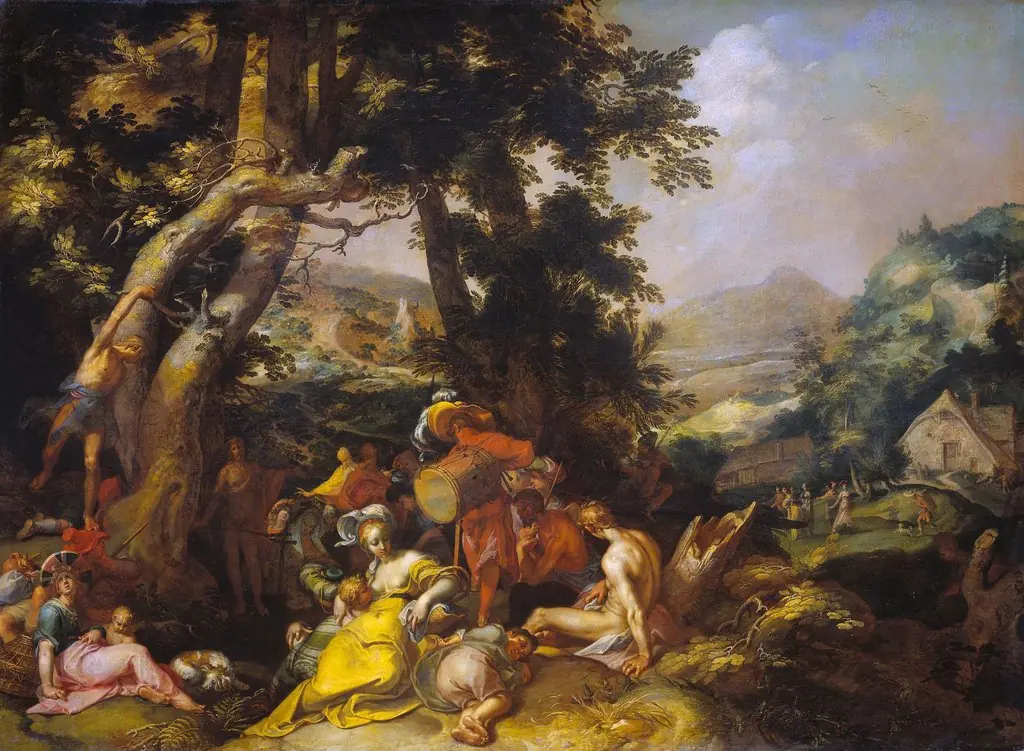 Landscape with the Ministry of John the Baptist
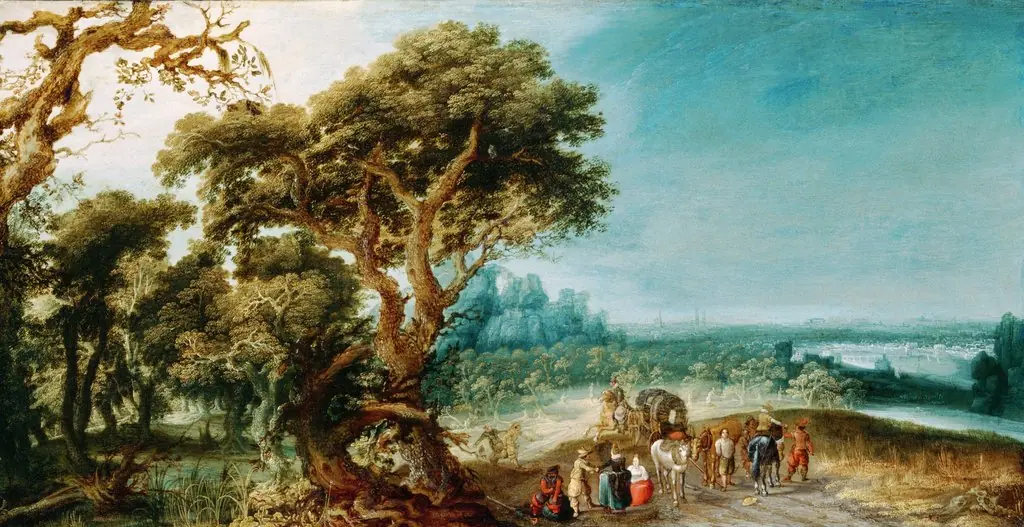 Landscape with a Carriage Hold-Up
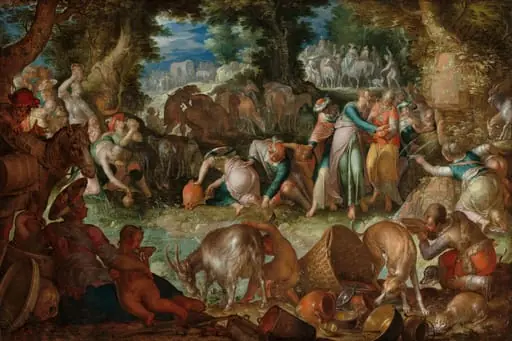 Moses Striking the Rock
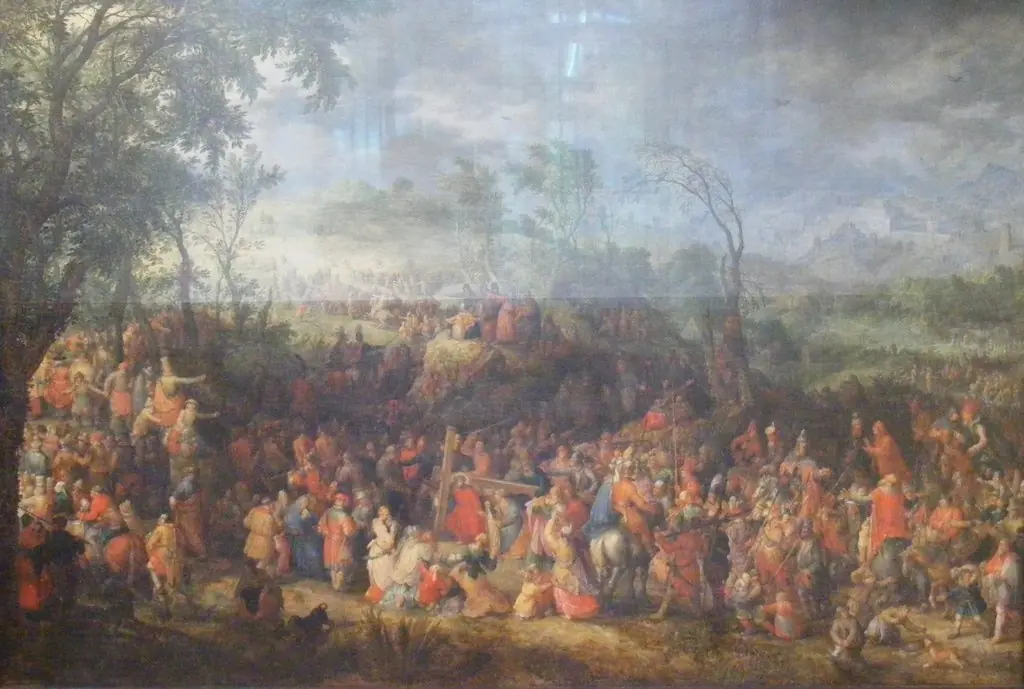
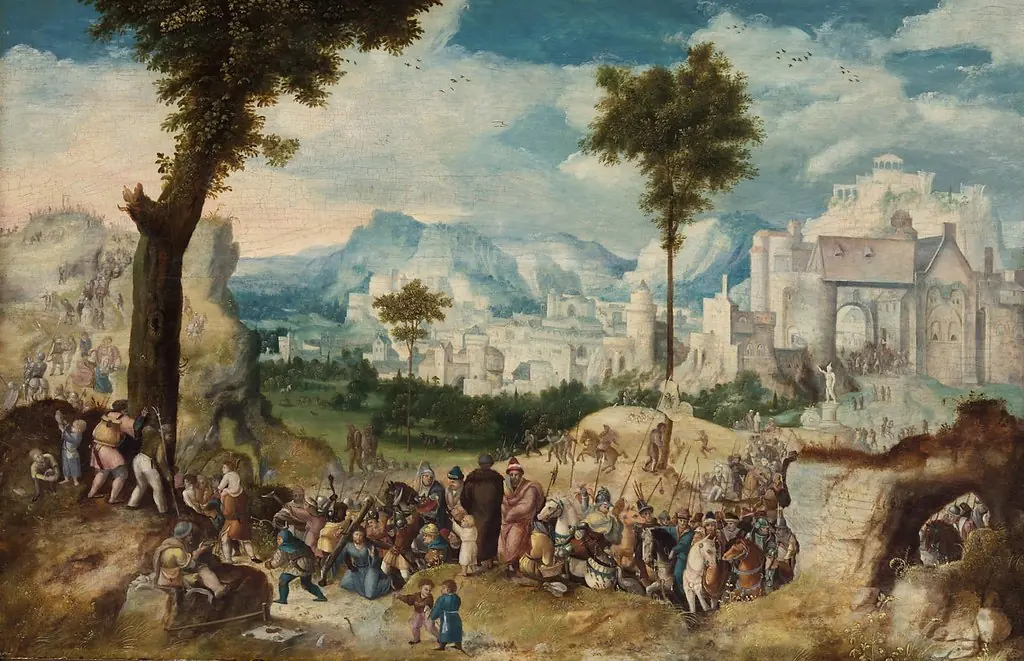 Kreuztragung Christi
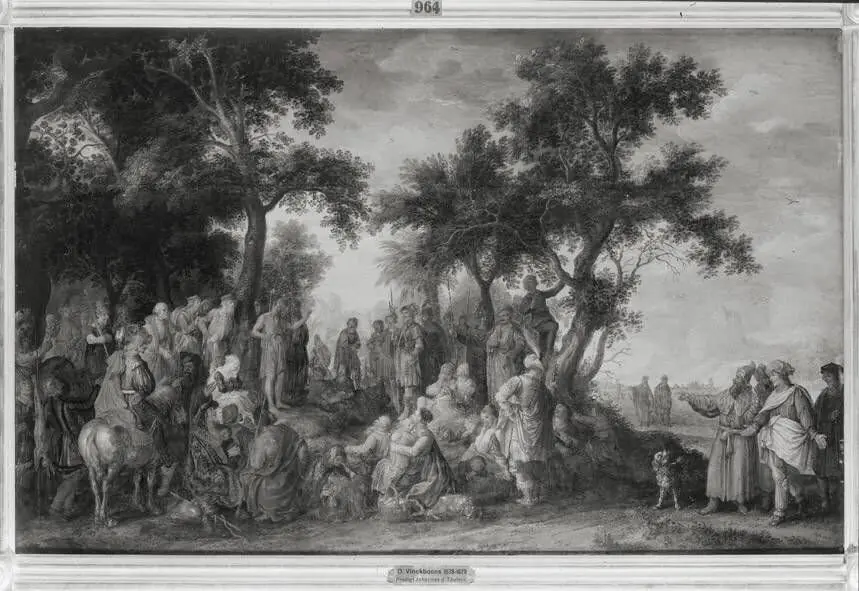
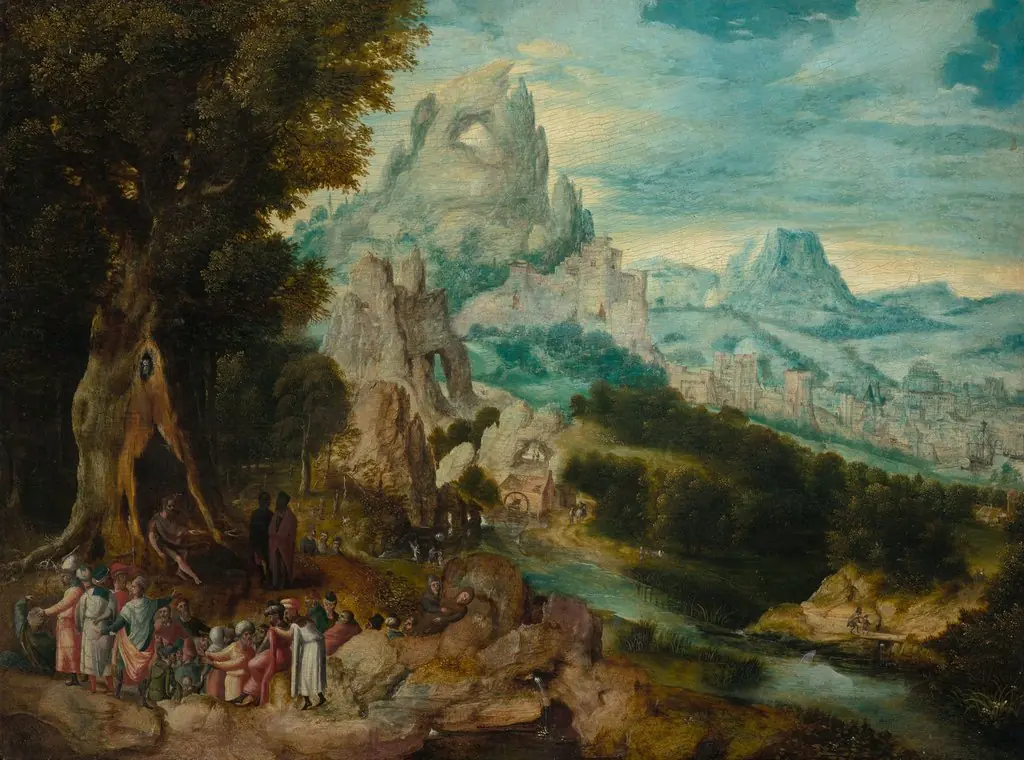 Landschaft mit der Predigt Johannes d. Täufers
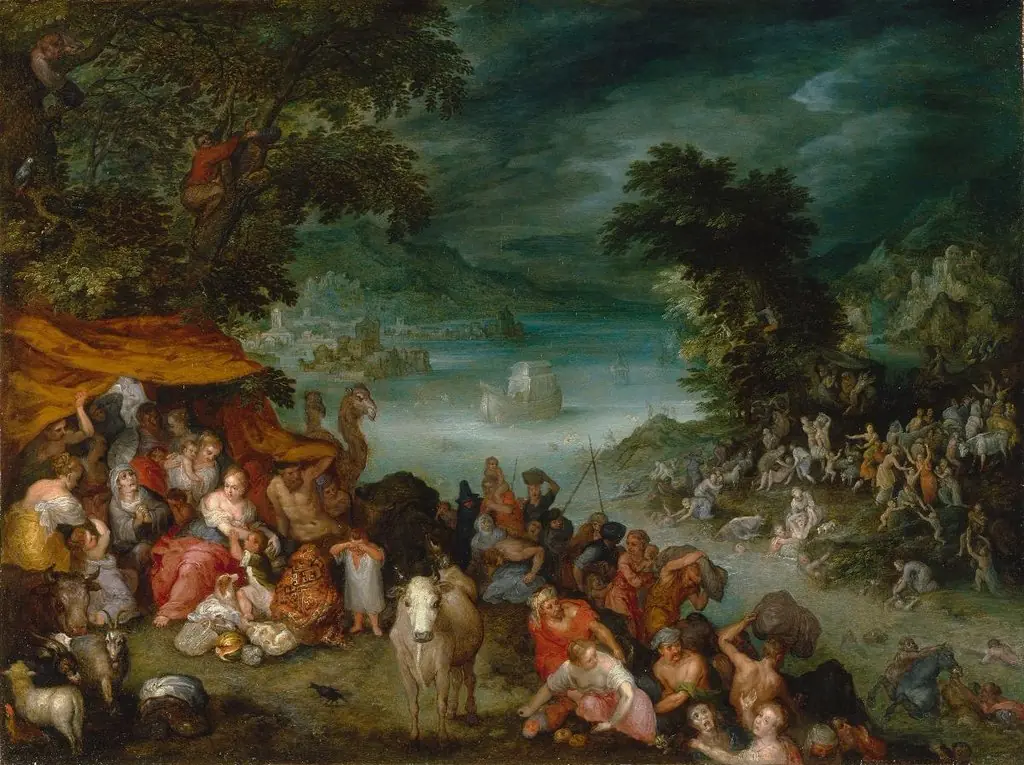 Die Sintflut mit der Arche Noah
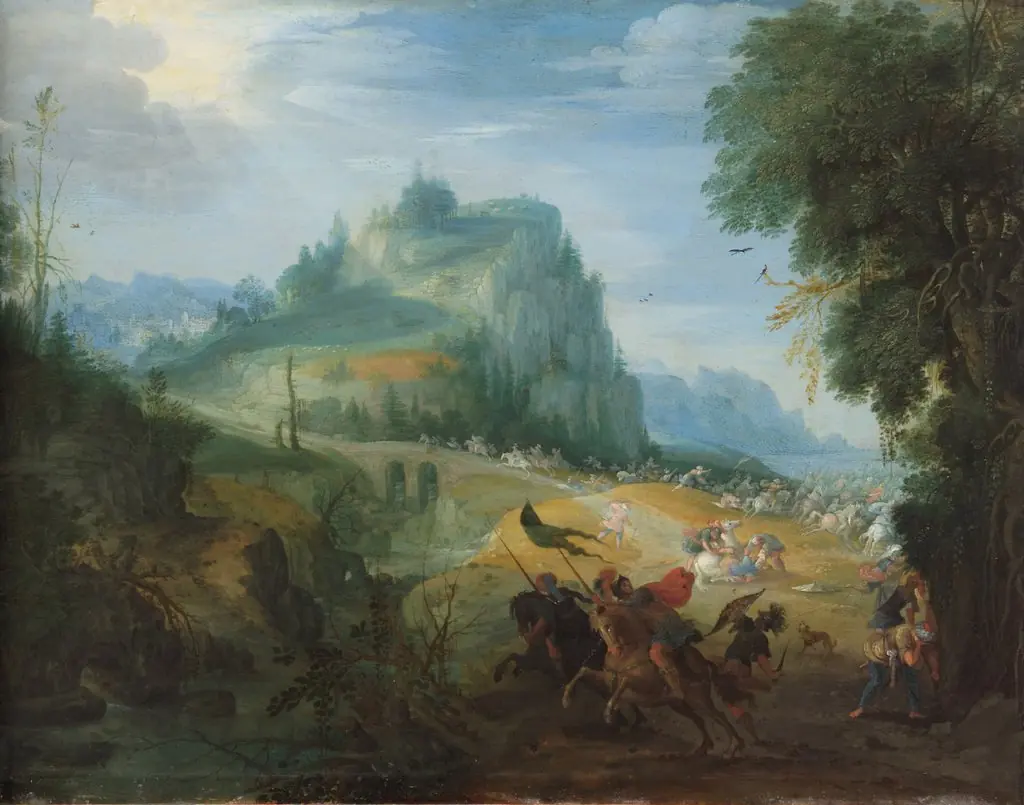 Paulussturz
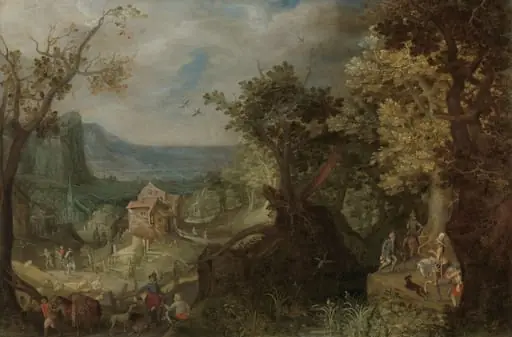 Hunter and Horsemen on a Wooded Road, with a Village in a Valley beyond
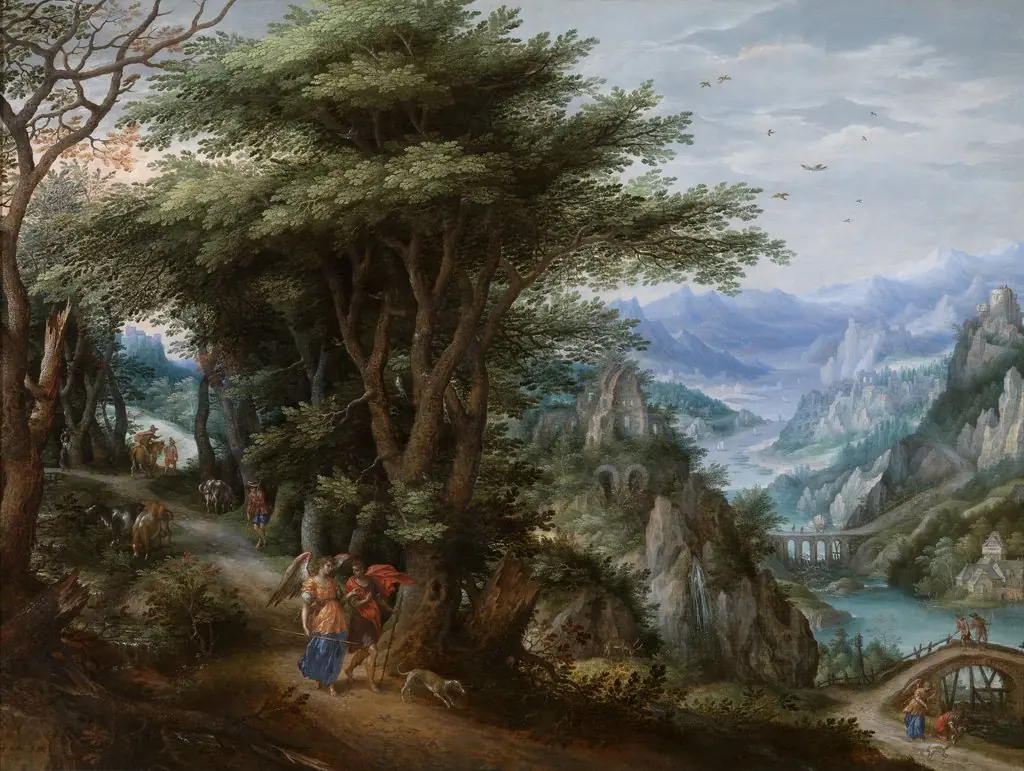 Landscape with Tobias and the Archangel Raphael
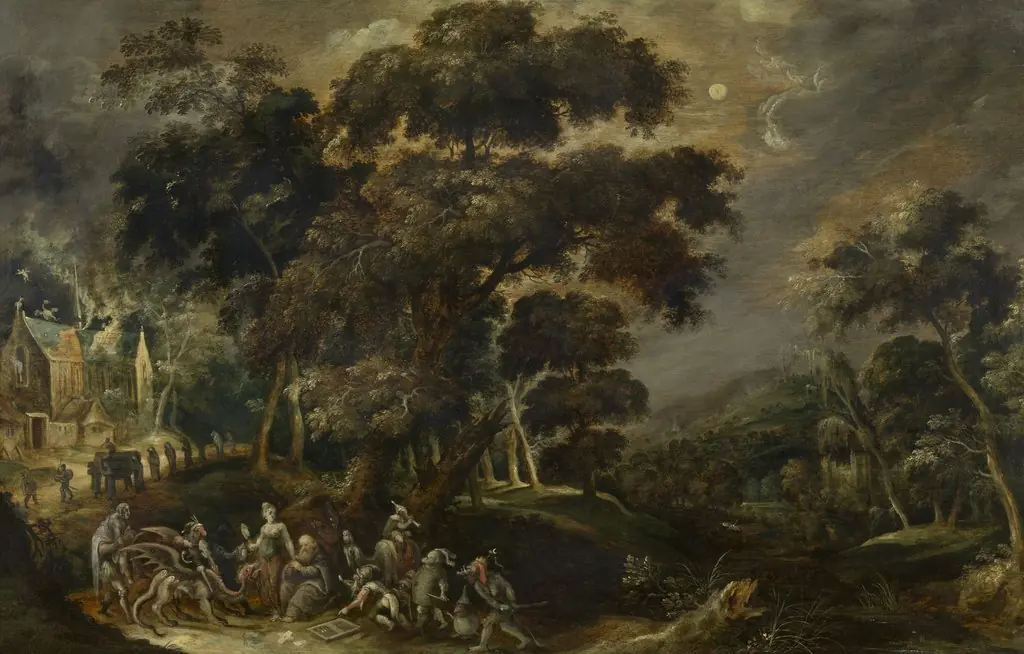 Landscape with the Temptation of Saint Anthony the Great