Artwork
Abraham e Isaac camino del sacrificio
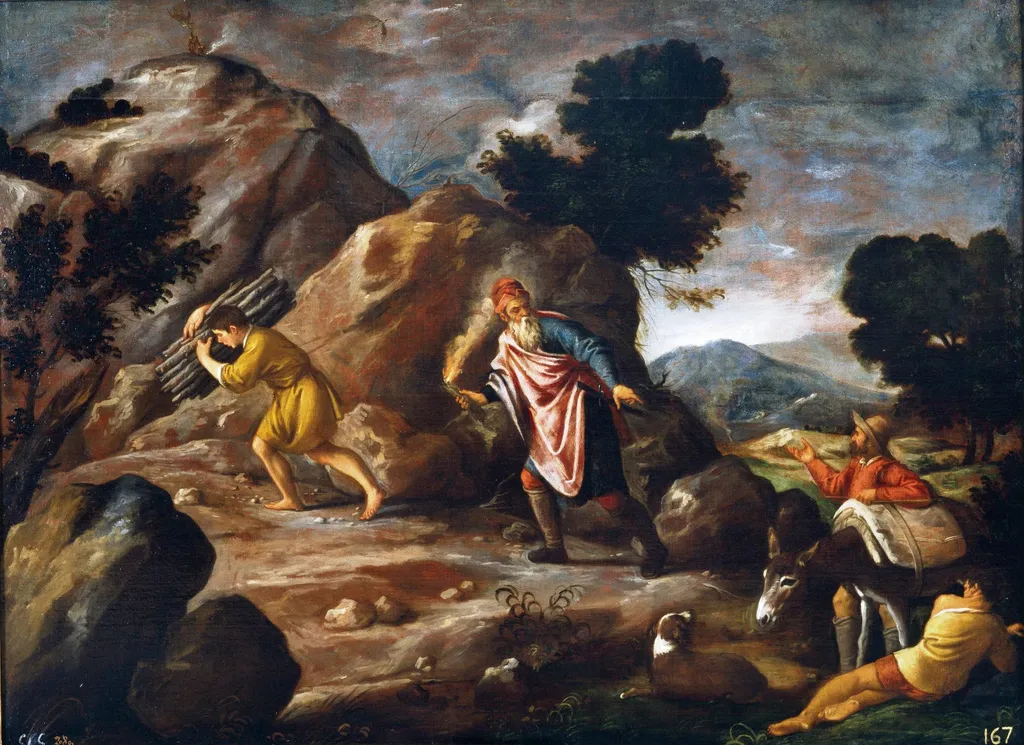
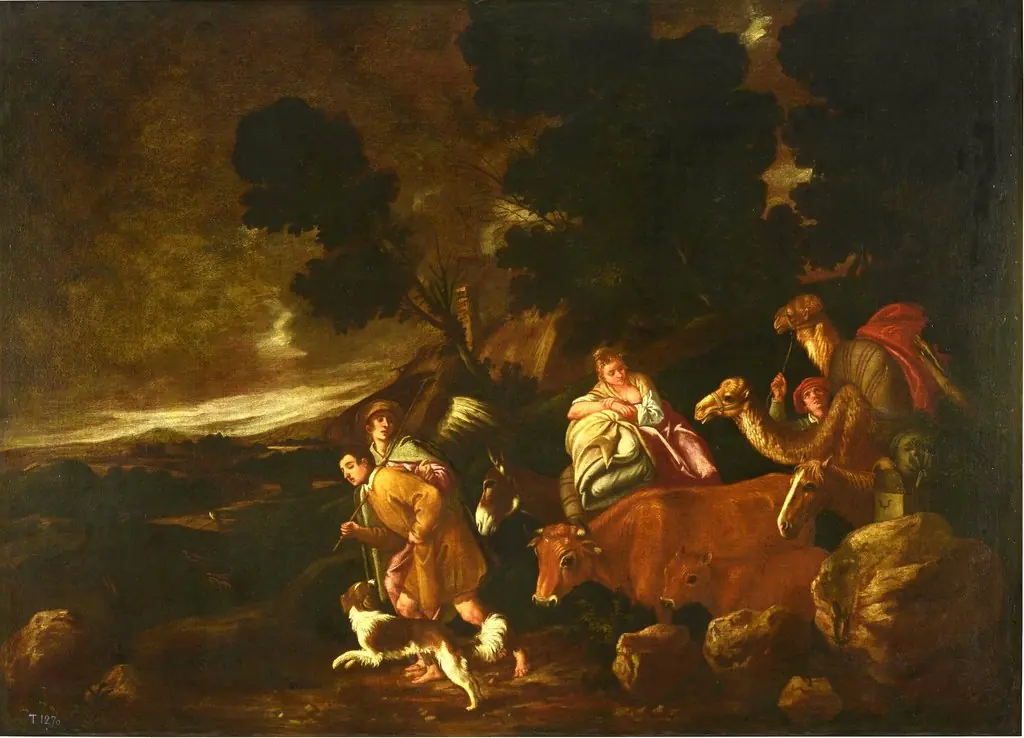
Abraham e Isaac camino del sacrificio is an oil painting by the Early Baroque Italian artist Pedro Orrente. It dates from 1601 and is held in the collection of the Museo del Prado.
About this work
Overview
Pedro Orrente’s *Abraham e Isaac camino del sacrificio* is an oil painting dated 1601, representative of Spanish early Baroque religious art. Executed in a naturalistic manner, it depicts a biblical narrative through a composition of figures set against a rugged landscape. The work is housed in the Museo del Prado, Madrid.
Subject & Meaning
The presence of armored and supine figures adds ambiguity to the narrative.
The painting portrays the moment preceding Abraham’s intended sacrifice of Isaac, though the scene diverges from traditional iconography by introducing additional figures. An elderly man in red and white gestures heavenward, possibly emphasizing divine command, while a youth in yellow struggles with a cannon, suggesting an anachronistic or allegorical interpretation. The presence of armored and supine figures adds ambiguity to the narrative.
Technique & Style
Orrente employs chiaroscuro to heighten dramatic contrast, isolating figures through stark illumination against a darkened, rocky terrain. The naturalistic rendering of textures—fabric, armor, and landscape—reflects the artist’s adaptation of Caravaggesque techniques, emphasizing physical presence and emotional weight. The composition’s diagonal thrust and dynamic gestures reinforce the scene’s tension.
History & Provenance
Created in 1601, the painting has been part of the Museo del Prado’s collection since its acquisition. Its early history remains undocumented, though its style aligns with Orrente’s known works from his formative period. The inclusion of anachronistic elements, such as the cannon, may indicate a commission with specific interpretive demands.
Context
Produced during Spain’s Counter-Reformation era, the work reflects the period’s emphasis on vivid, emotive religious storytelling. Orrente’s naturalism, influenced by Italian and Flemish models, sought to make biblical events immediate and tangible. The painting’s departure from strict scriptural fidelity may reflect broader artistic experimentation within early Baroque religious art.
Legacy
While not among Orrente’s most frequently cited works, *Abraham e Isaac camino del sacrificio* exemplifies the artist’s synthesis of naturalism and dramatic lighting. Its ambiguous narrative and technical execution contribute to discussions of Baroque religious painting’s evolving conventions, particularly in Spain’s engagement with European artistic trends.
Own this work as a print
Artist & collection
Artist
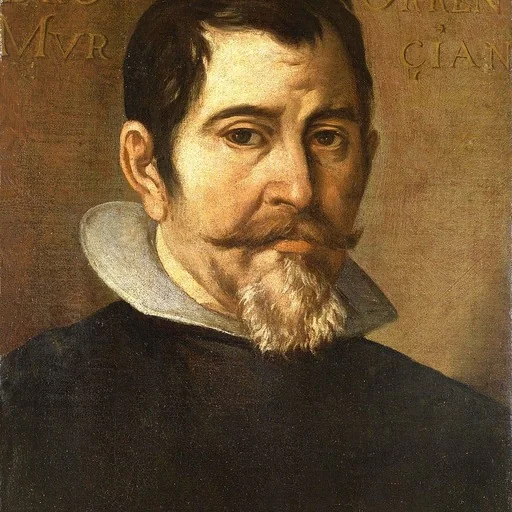
Pedro de Orrente (April 1580 – 19 January 1645) was a Spanish painter of the early Baroque period. He became one of the first artists in that part of Spain to paint in a Naturalistic style.

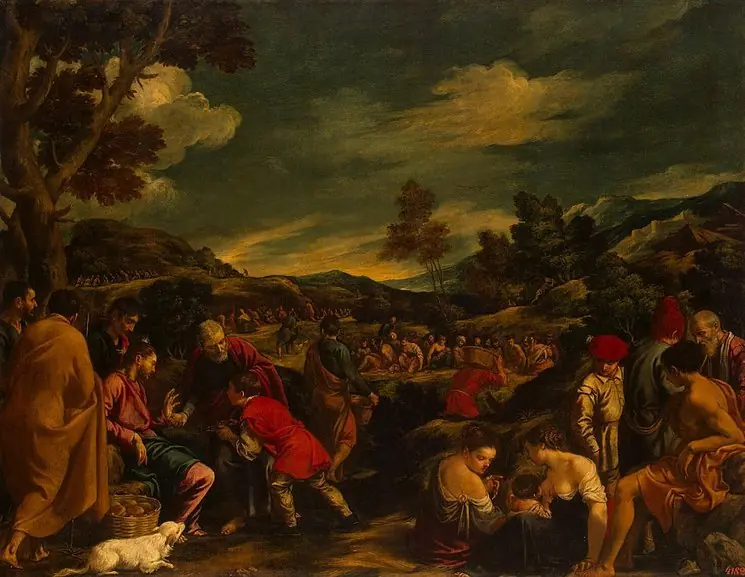
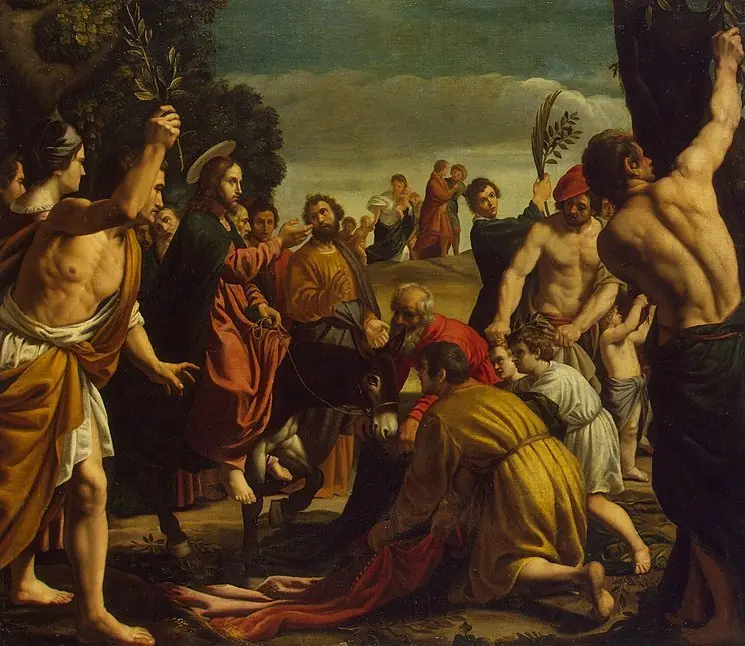
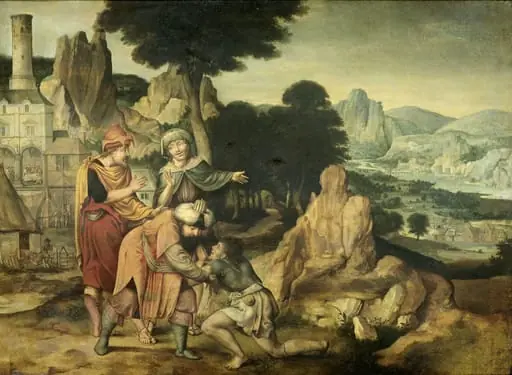 Parable of the Prodigal Son
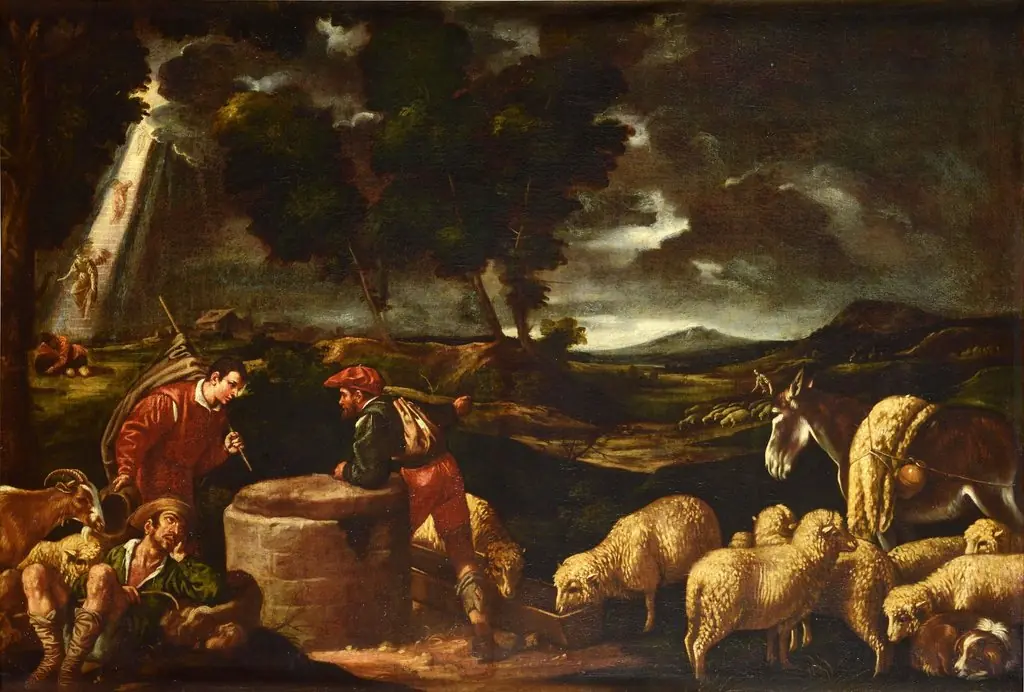 Jacob en el pozo
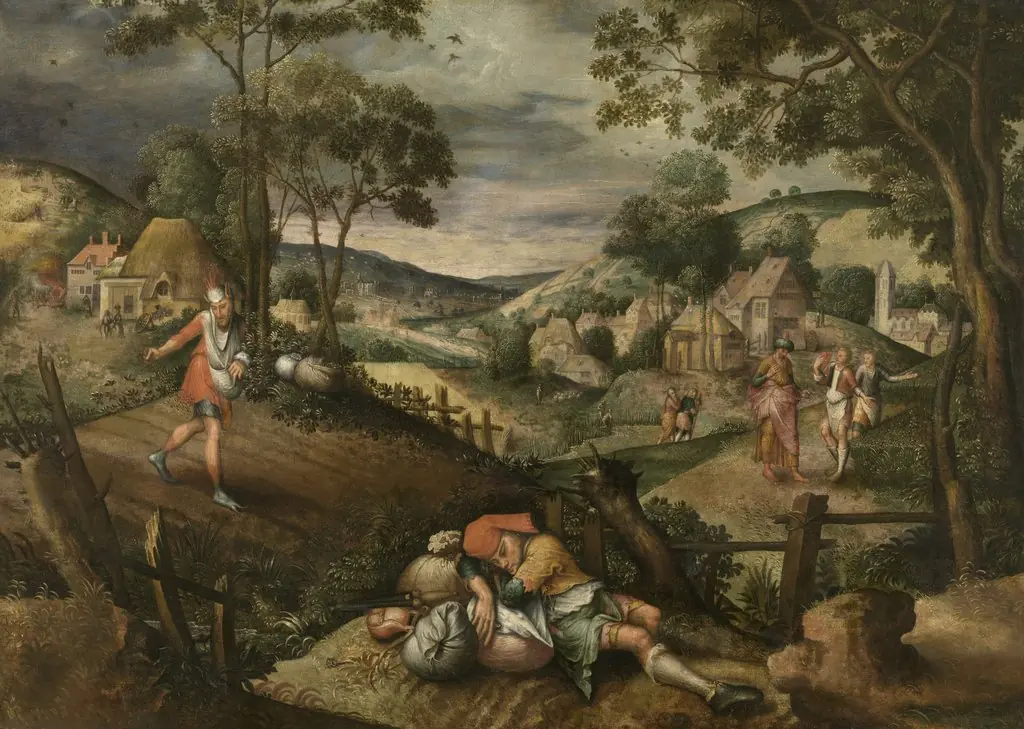 The Sower, Parable of Christ
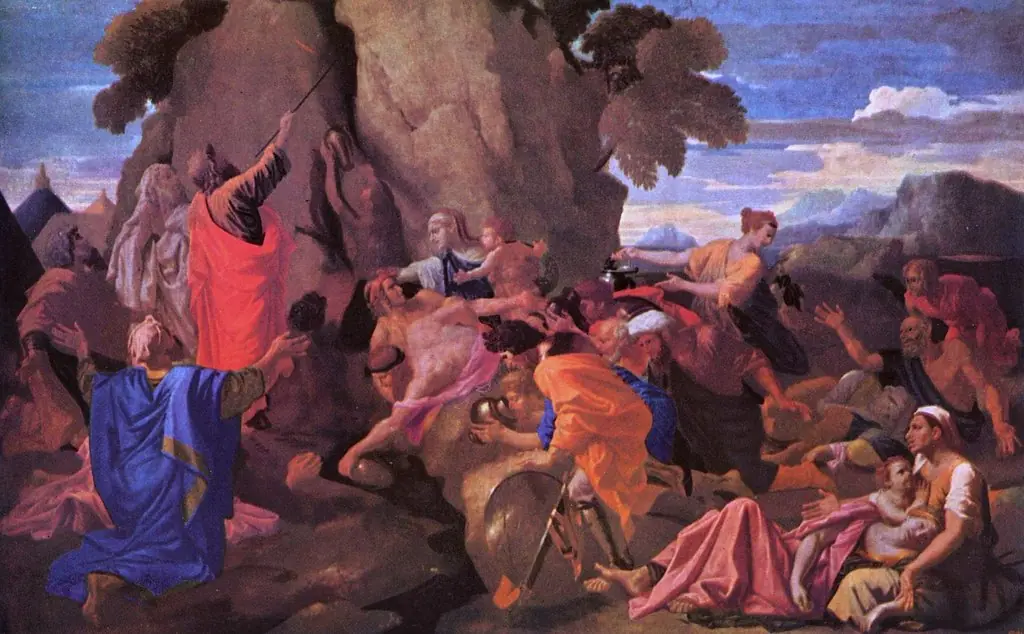 Moses Striking the Rock
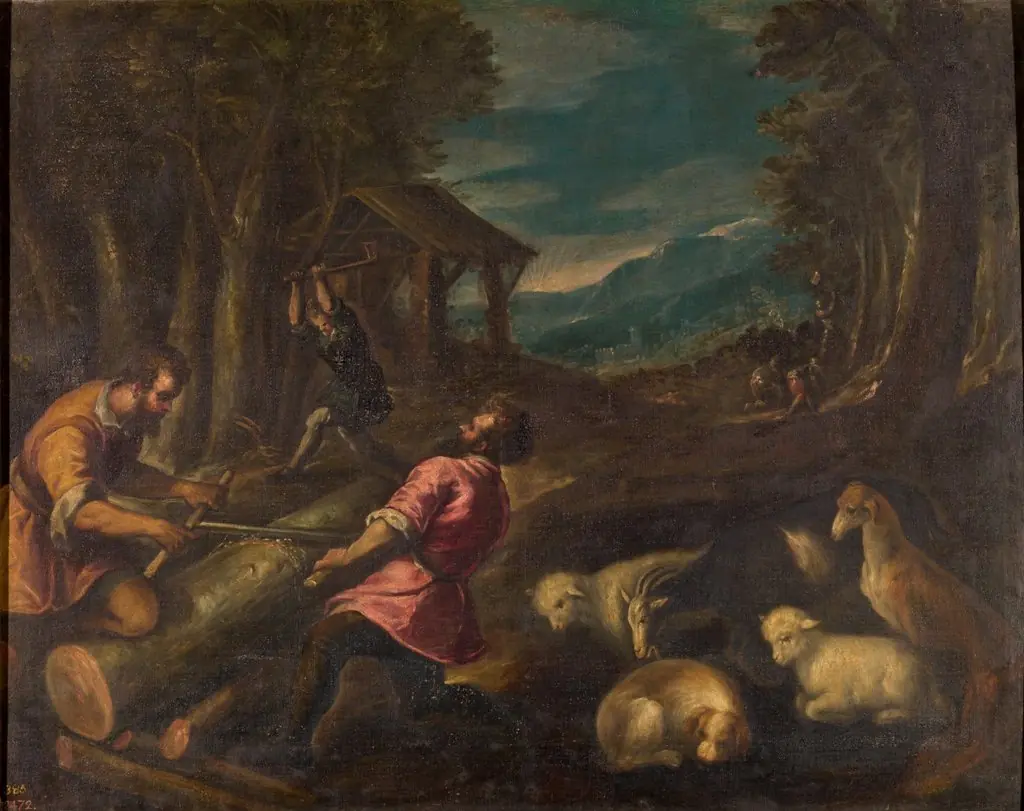 Woodcutters or Winter
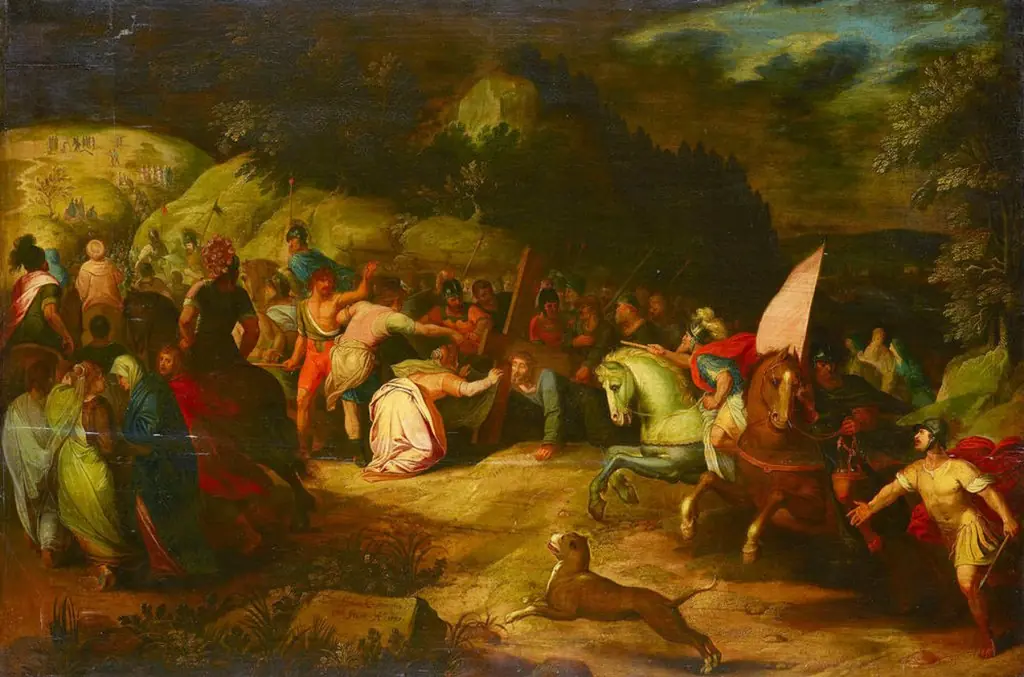 Christ collapsing under the cross on his way to Golgotha
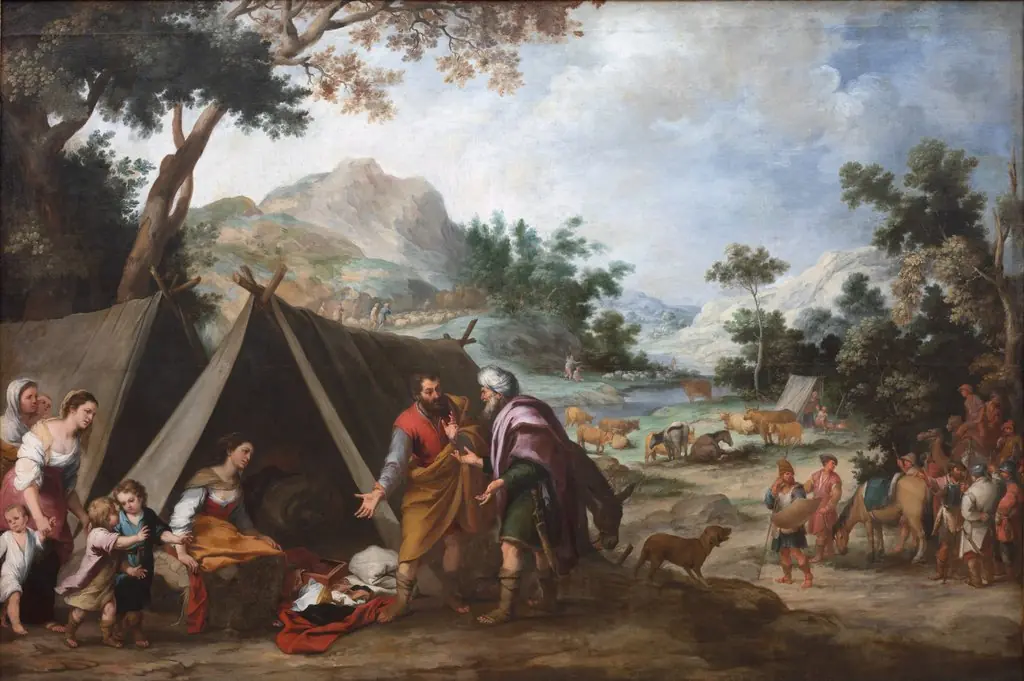 Laban Searching for his Stolen Household Gods
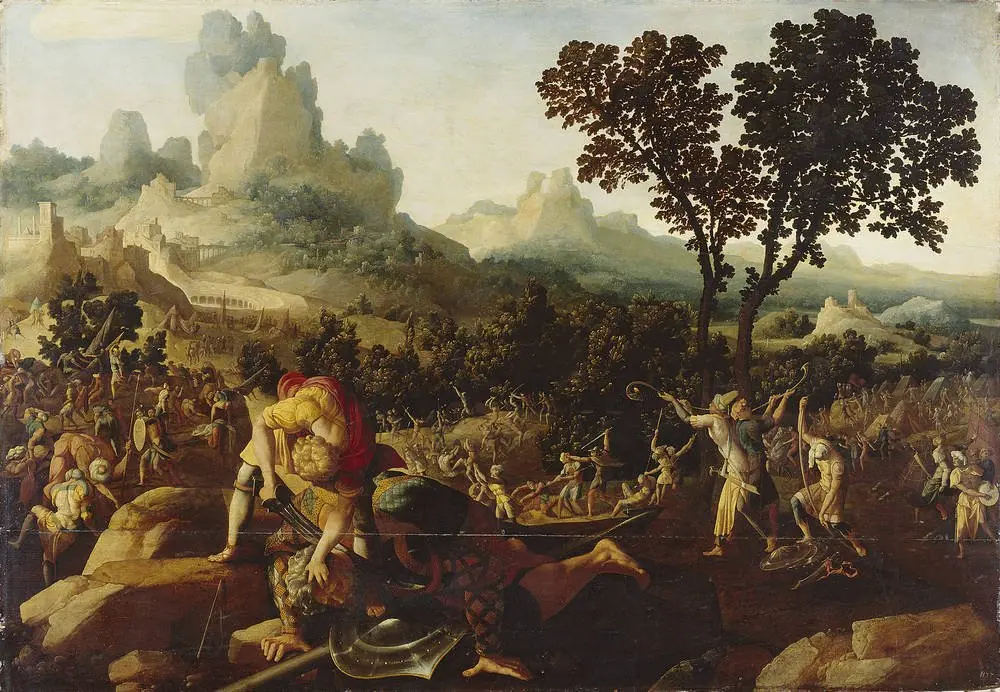 David and Goliath
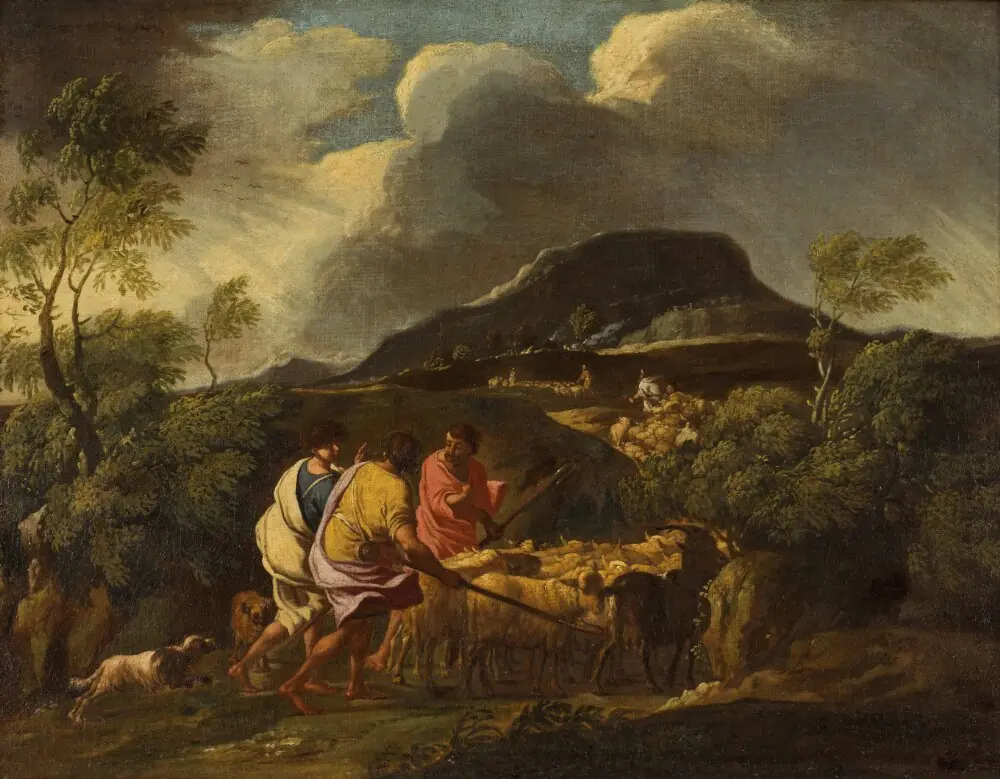 Landscape in a Storm with Shepherds and Cattle
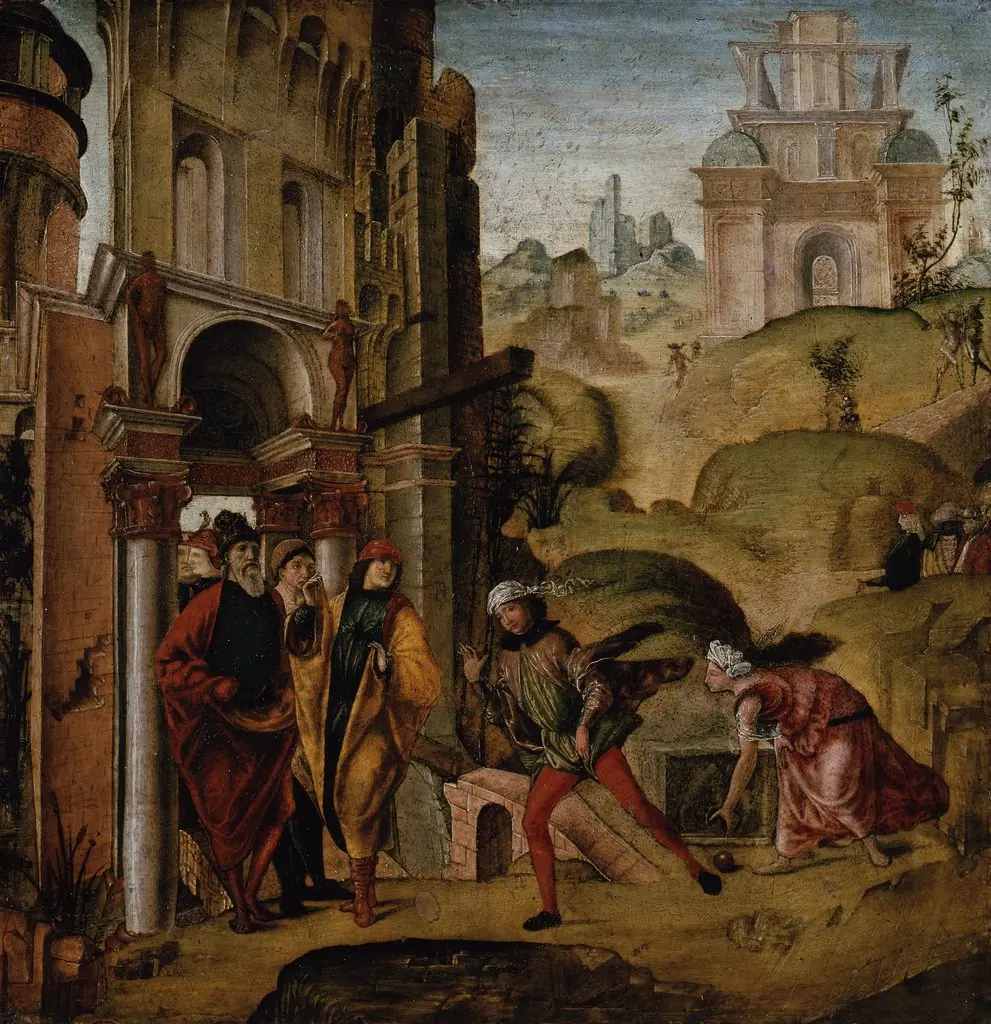 Atalanta Looses in a Race to Hippomenes
 Viaje de Tobías y Sara