Artwork
Family scene
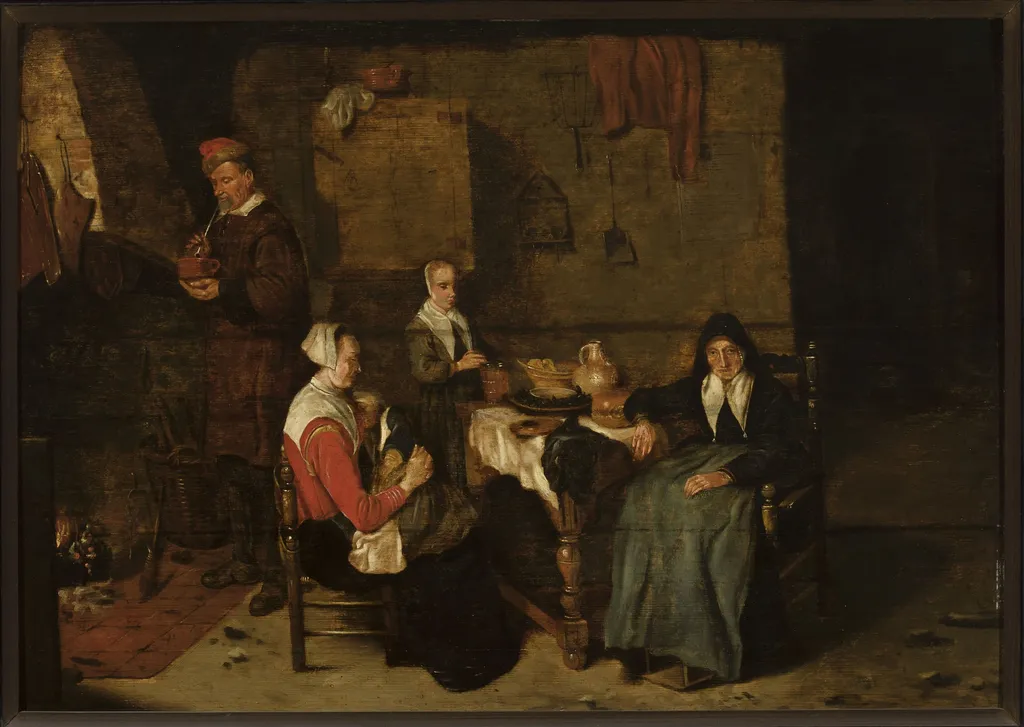
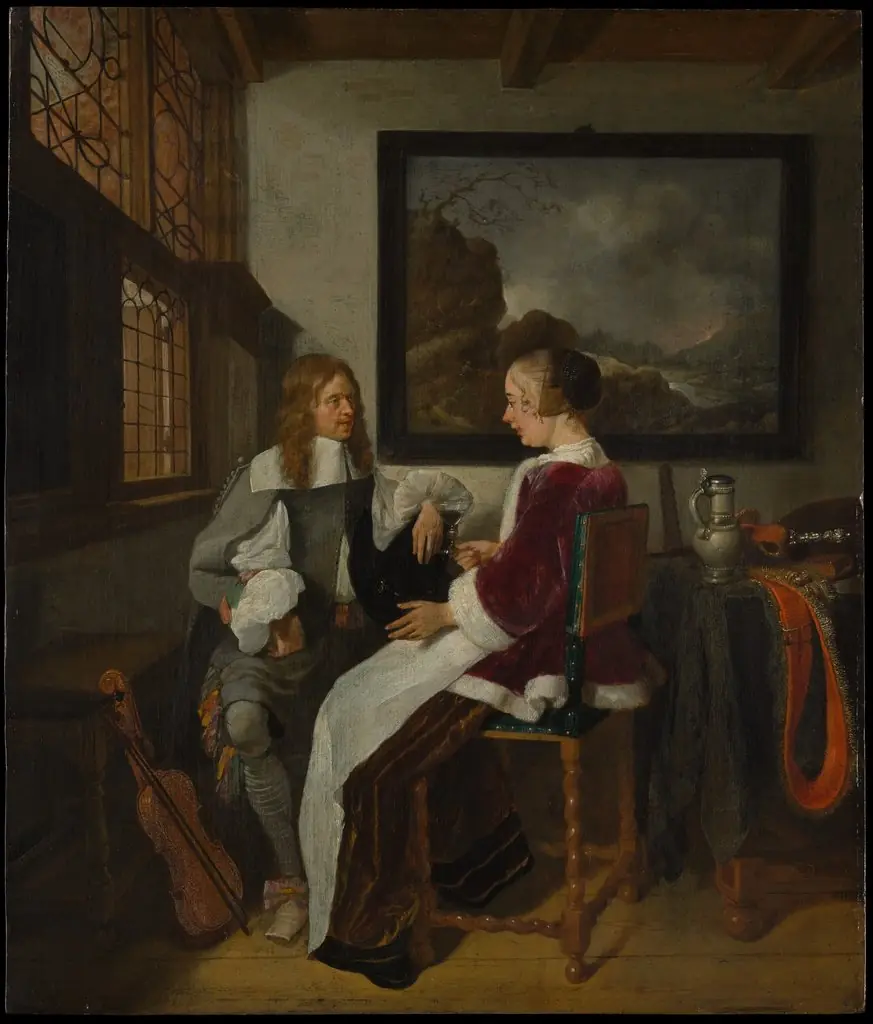
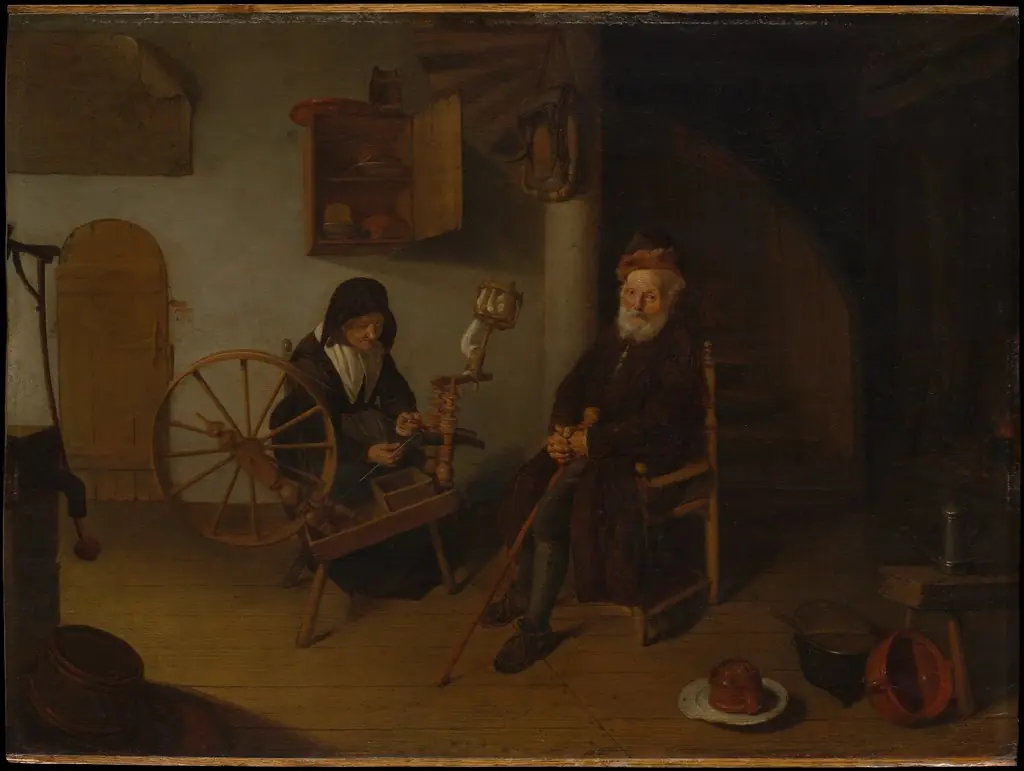
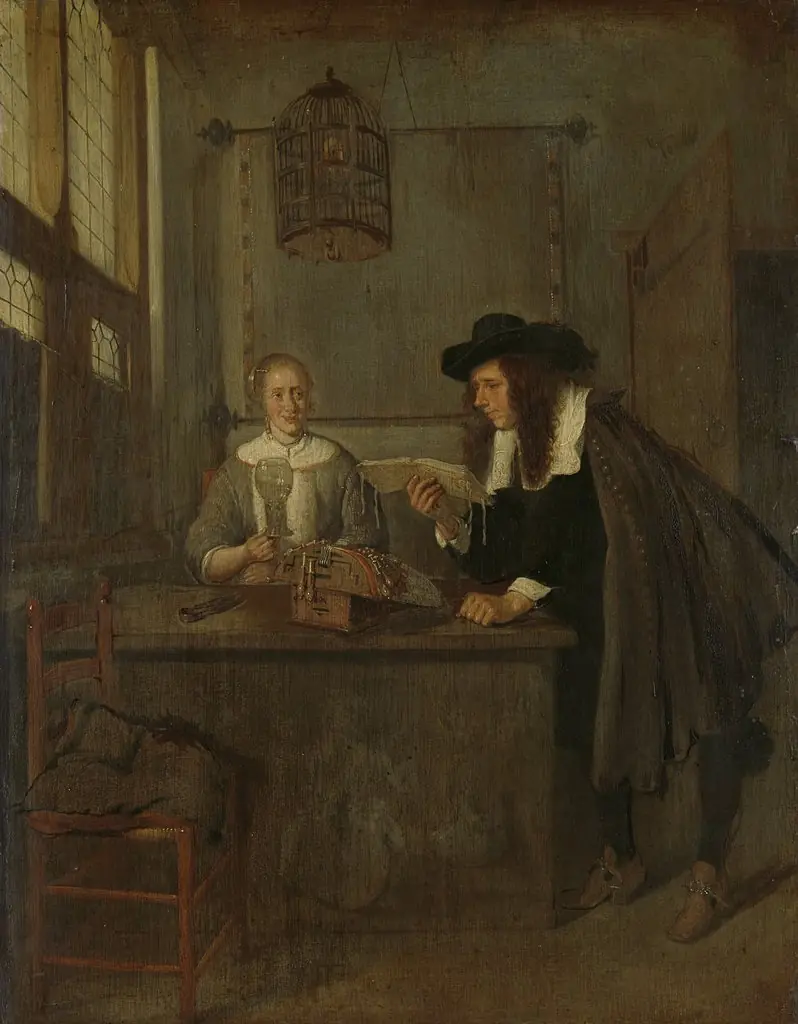
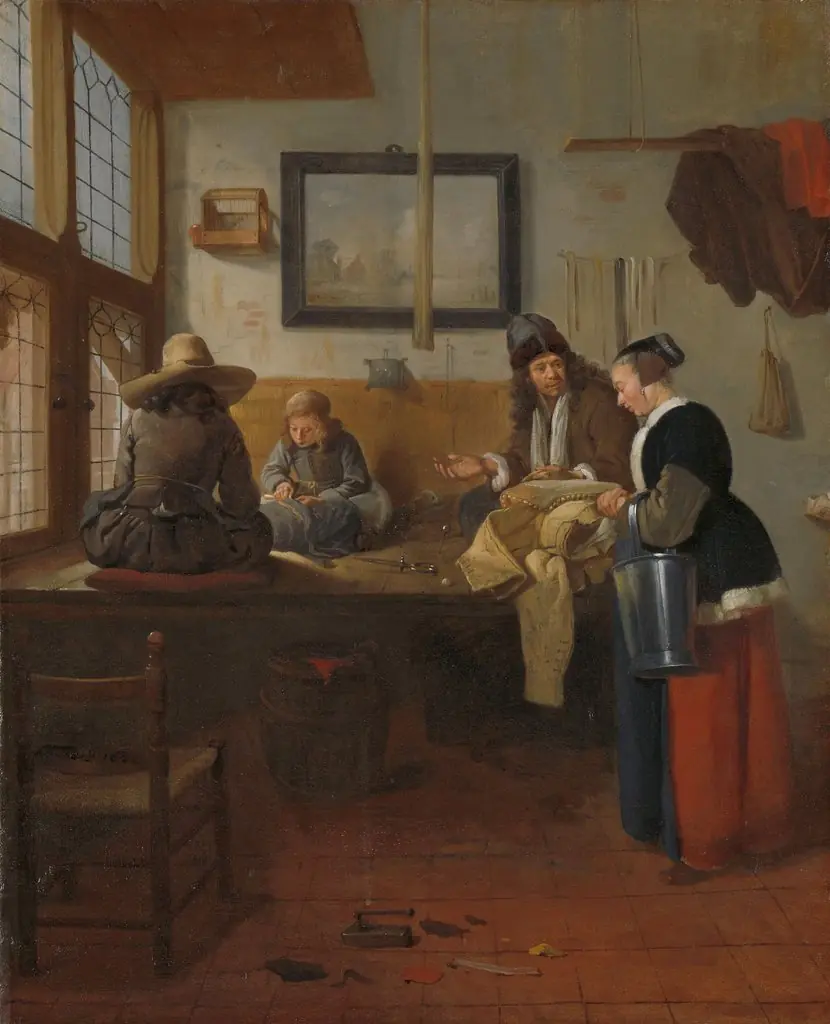
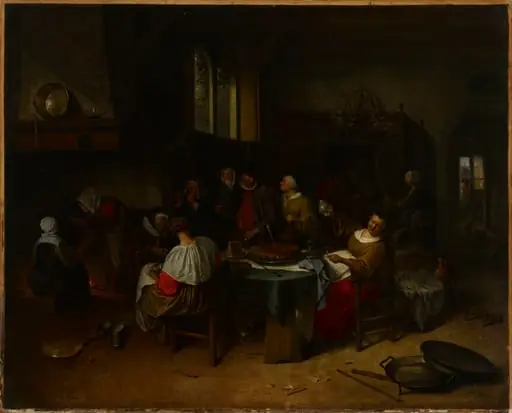
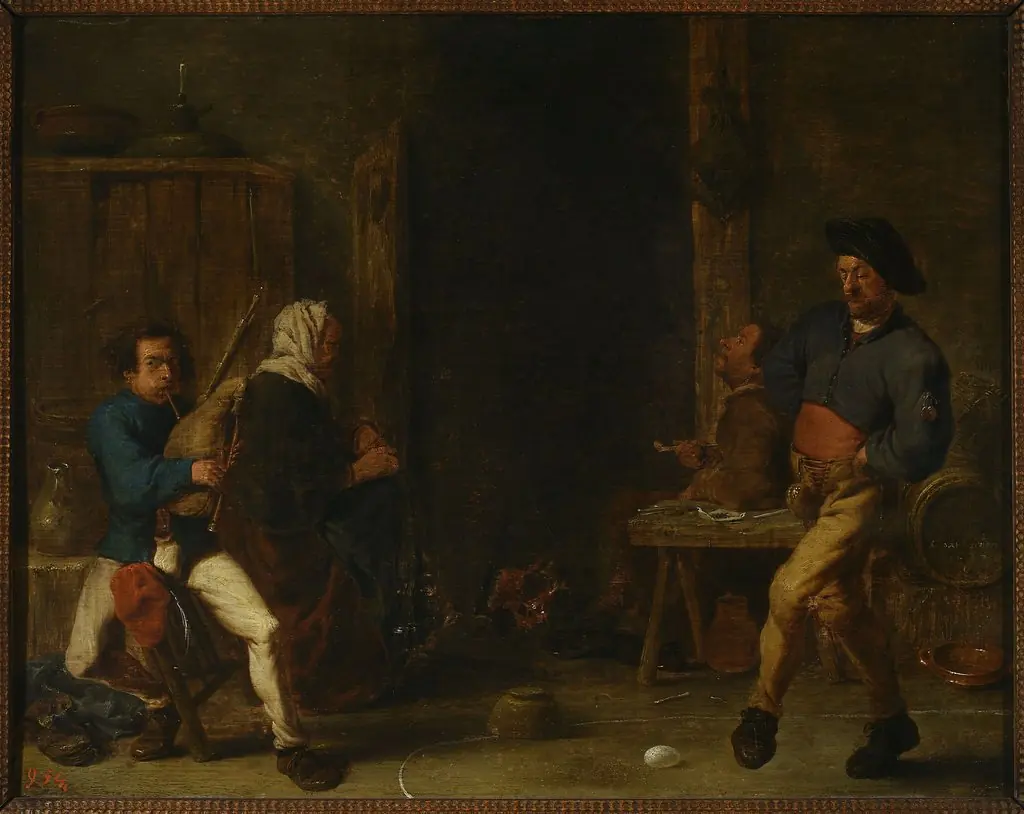
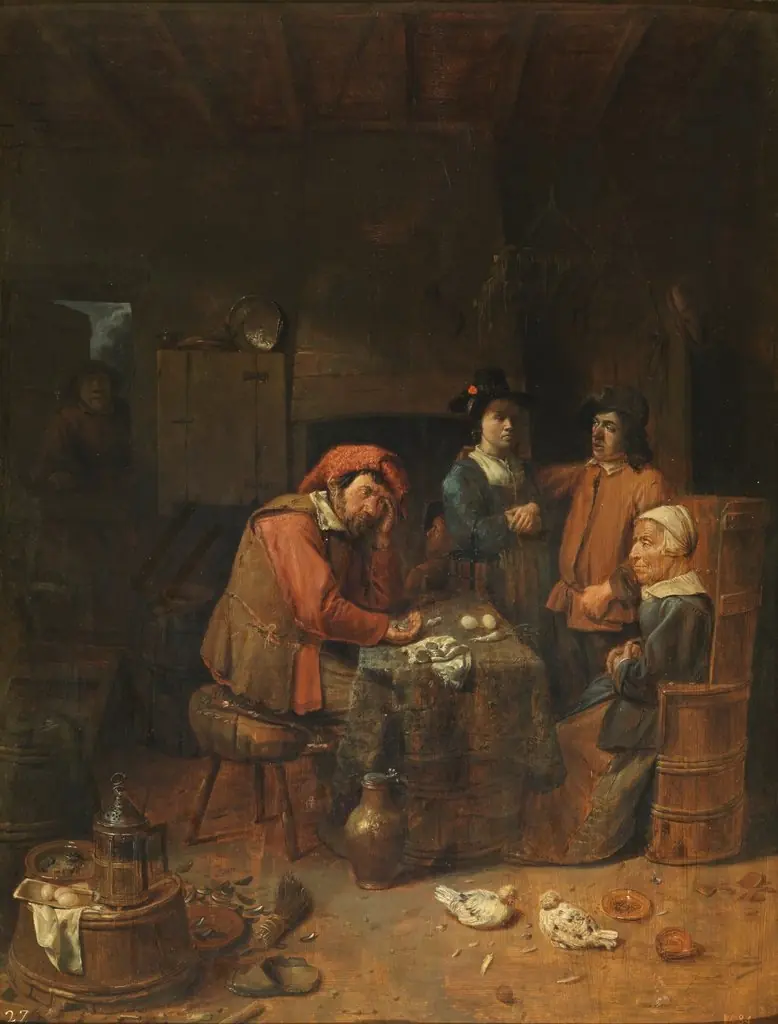
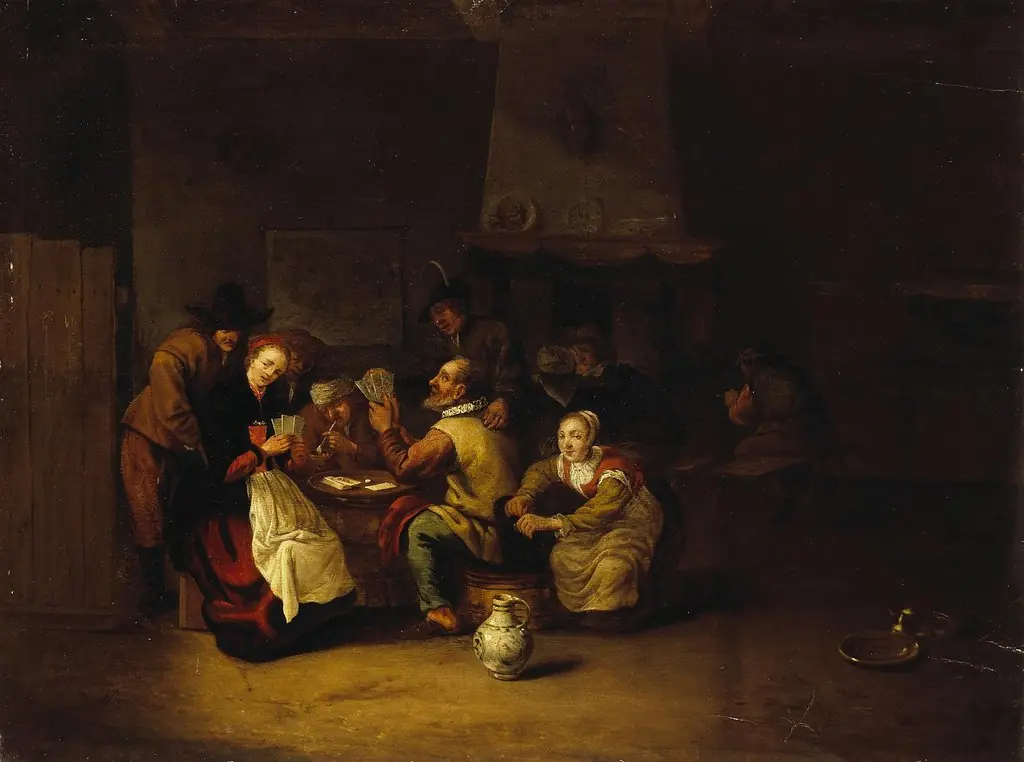
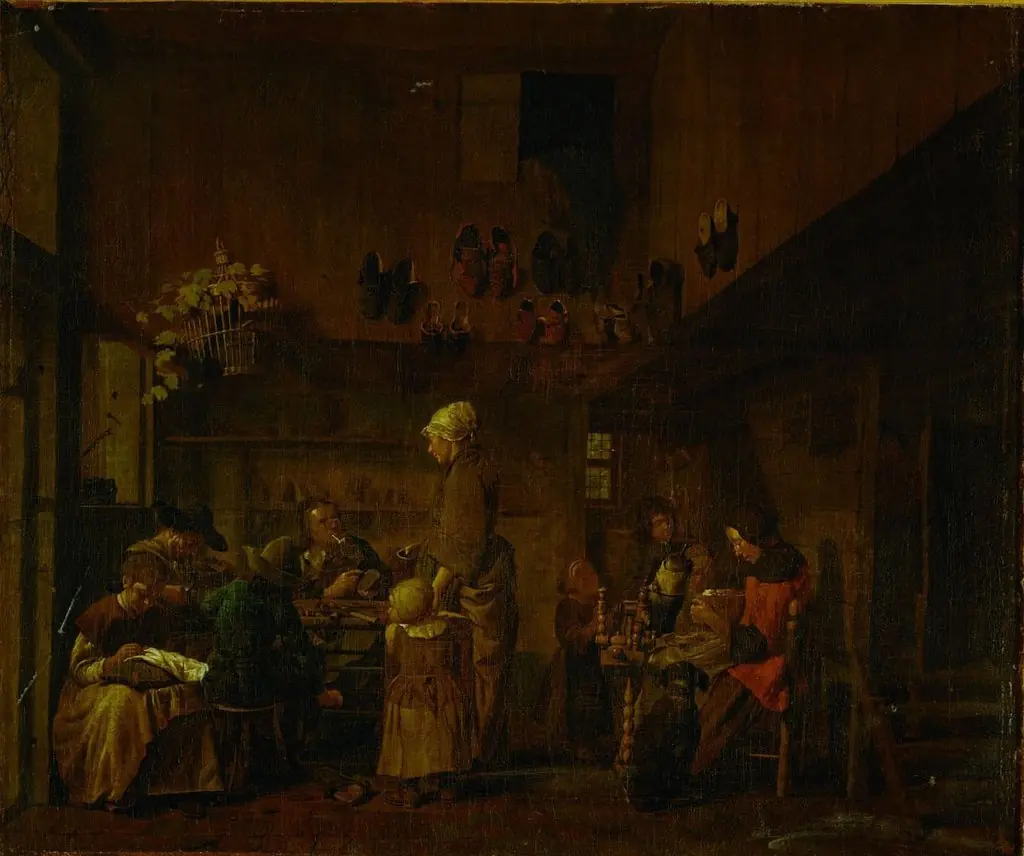
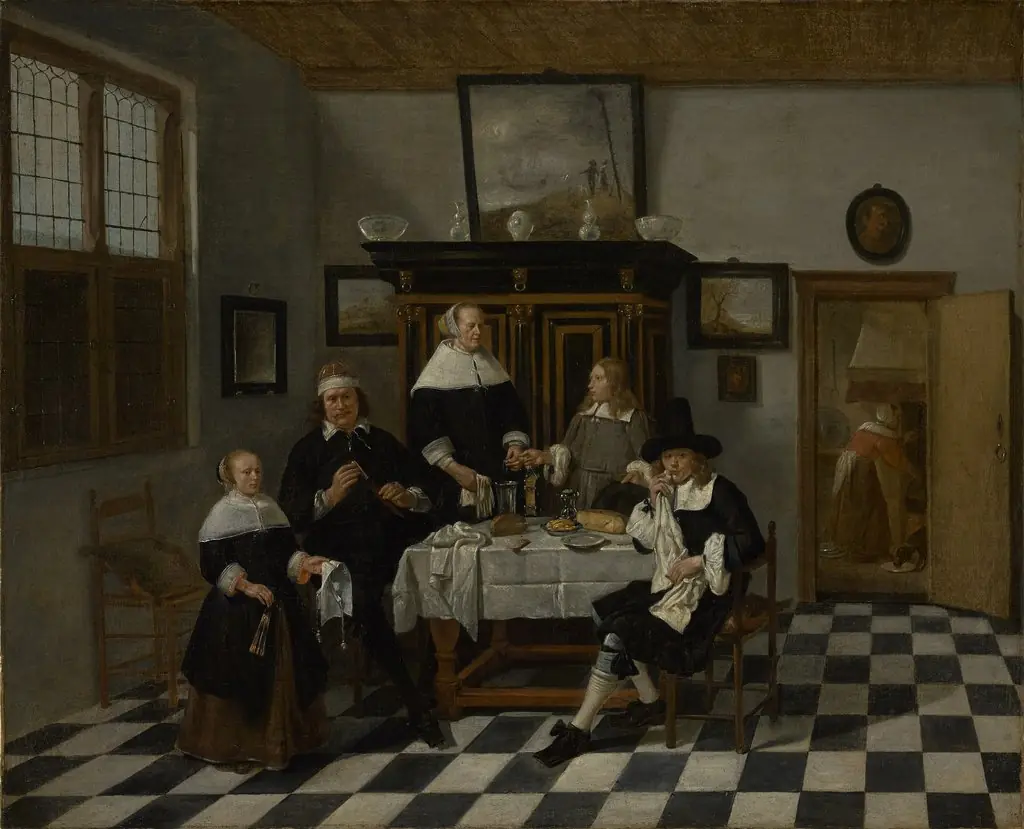
Family scene is an oil painting by the Dutch Golden Age artist Quirijn van Brekelenkam. It dates from 1660 and is held in the collection of the National Museum in Warsaw.
About this work
Overview
Belonging to the Leiden fijnschilders tradition, the painting reflects the era’s interest in domestic life rendered with precision.
Painted in 1660 by Quirijn van Brekelenkam, this oil-on-canvas work captures a quiet moment within a Dutch household. Belonging to the Leiden fijnschilders tradition, the painting reflects the era’s interest in domestic life rendered with precision. It is currently held in the National Museum in Warsaw, where it stands as a representative example of mid-17th-century genre painting from the Northern Netherlands.
Subject & Meaning
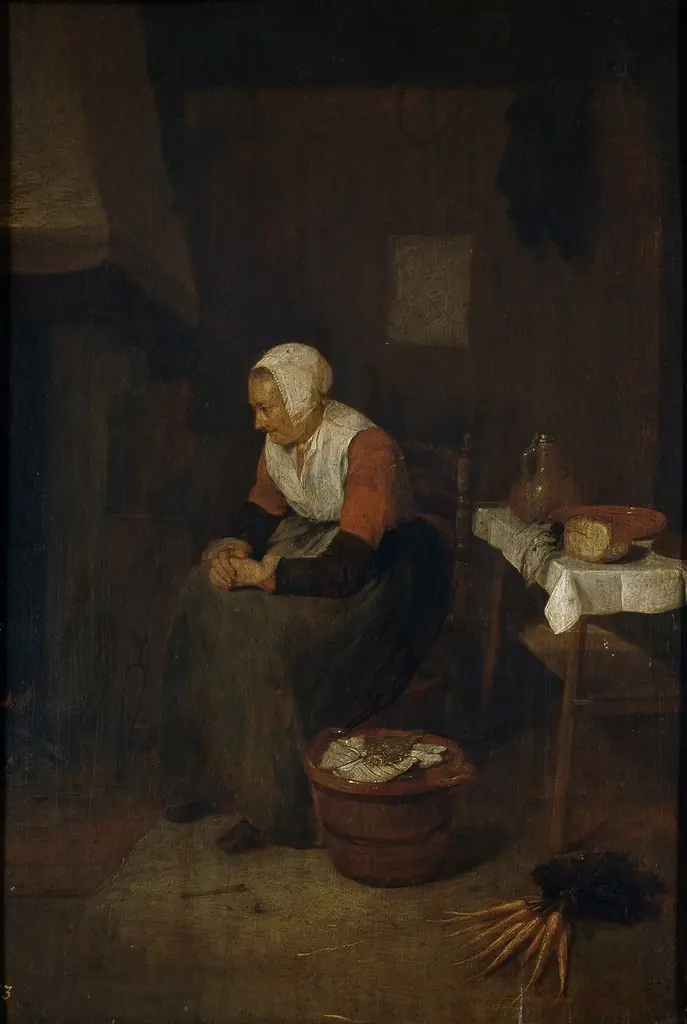
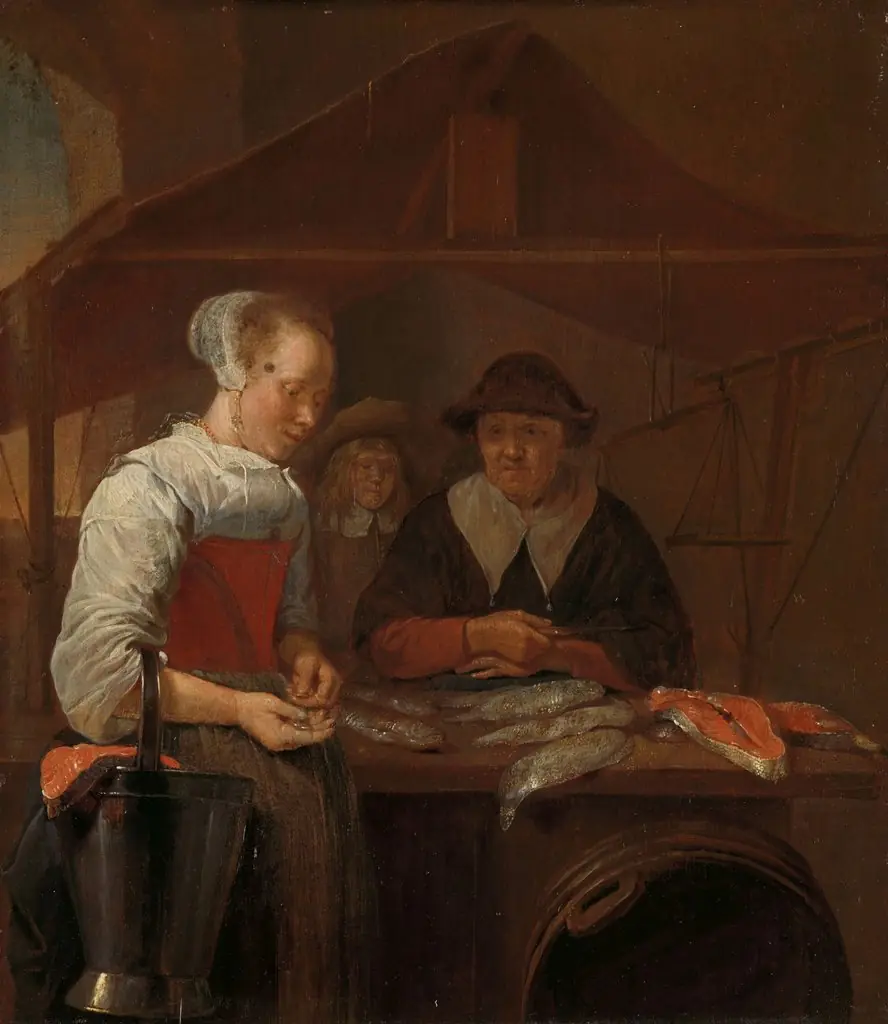
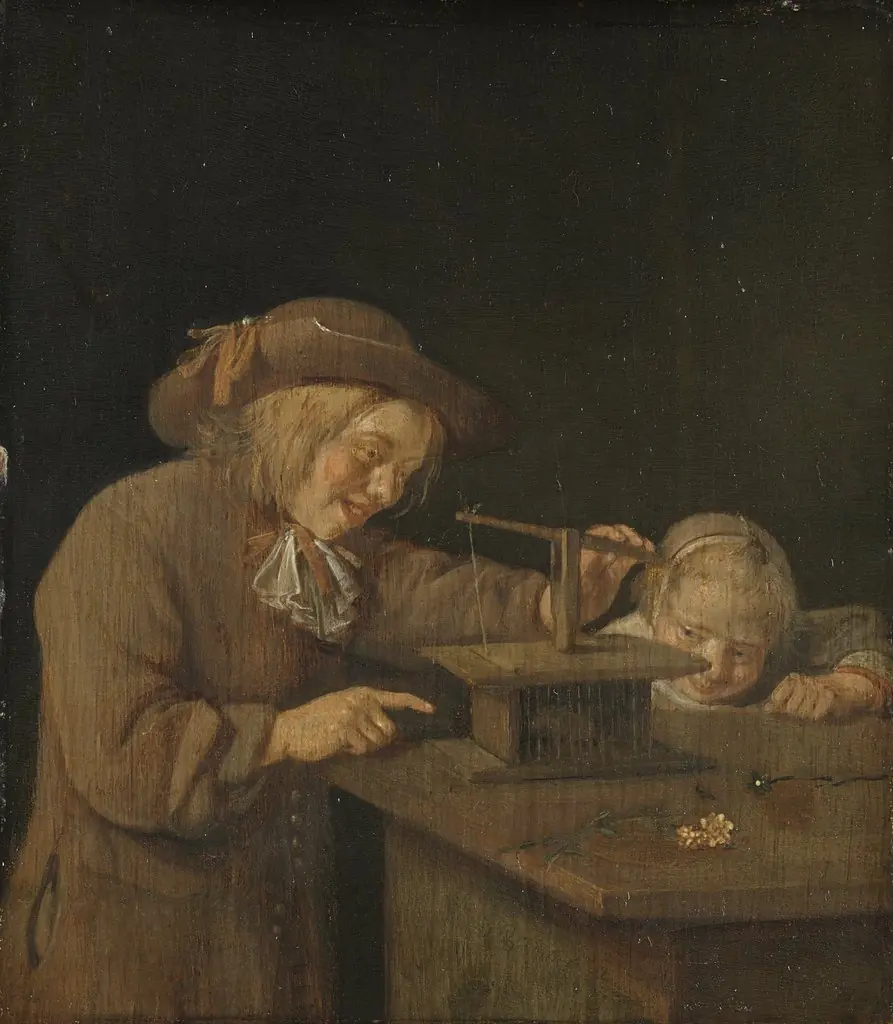
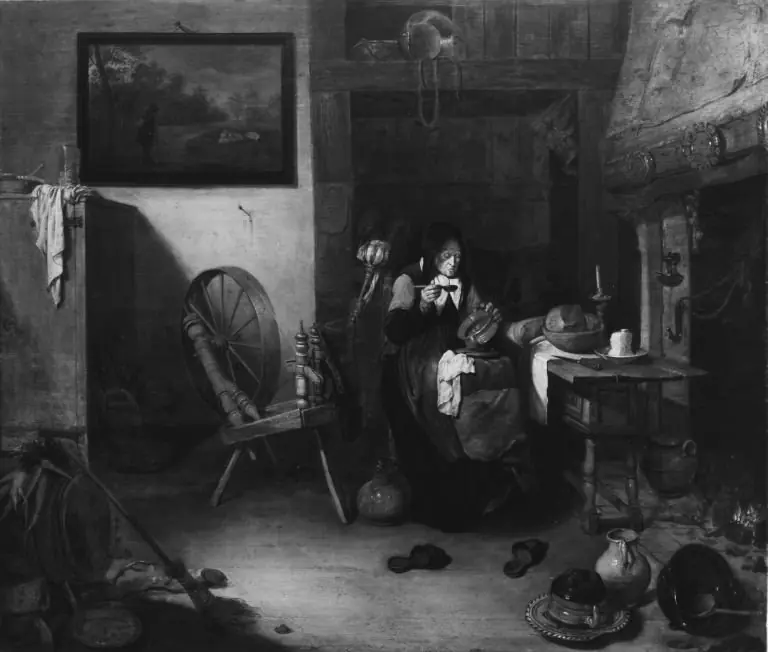
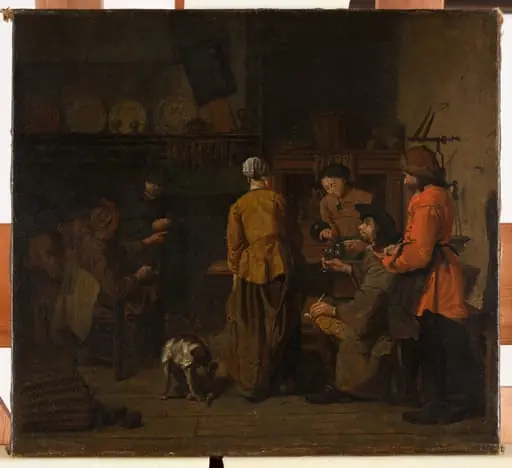
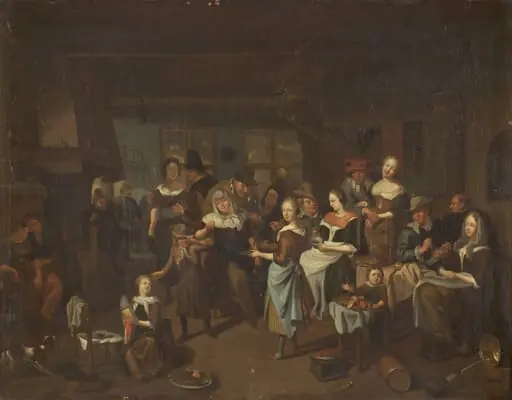
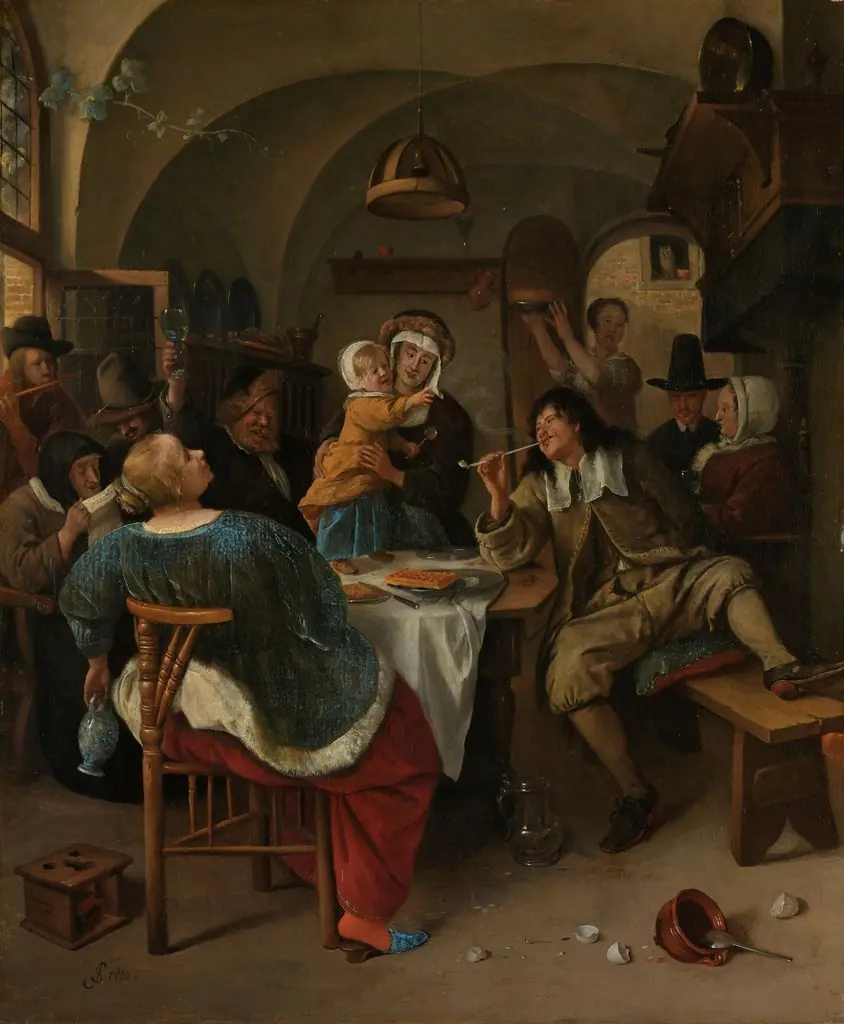
The scene portrays four family members engaged in a subdued, everyday ritual: a man holds a bowl and spoon, perhaps preparing food, while a woman cradles an infant at a table. Another woman sits opposite, and a young girl stands nearby. No dramatic action occurs; the focus lies in the stillness and quiet interdependence of the figures, suggesting themes of care, routine, and familial bonds within a modest home.
Technique & Style
Van Brekelenkam employed fine brushwork and controlled lighting to achieve a tactile realism. Surfaces—fabric, wood, skin—are rendered with subtle gradations, and the dim interior is defined by soft shadows that enhance the intimacy. The palette is restrained, dominated by earth tones and muted reds, reinforcing the painting’s quietude. This meticulous approach aligns with the Leiden fijnschilders’ emphasis on detail and texture.
History & Provenance
The painting entered the collection of the National Museum in Warsaw at an unknown date, likely during the 19th or early 20th century. Its journey from Leiden to Poland remains undocumented, but its preservation suggests it was valued as a representative work of Dutch genre painting. No major alterations or restorations are recorded, and the surface remains largely intact.
Context
Created during the Dutch Golden Age, the painting reflects a cultural shift toward celebrating ordinary domestic life rather than religious or aristocratic subjects. Artists like van Brekelenkam, influenced by Gerard Dou, catered to middle-class patrons who sought art that mirrored their own environments. Such scenes affirmed moral values tied to family, order, and humility.
Legacy
Van Brekelenkam’s work, though less widely known than contemporaries like Vermeer, contributes to the broader understanding of Dutch genre painting’s diversity. His focus on unidealized interiors and quiet human interactions offers insight into the lived experiences of non-elite households. The painting remains a quiet testament to the dignity found in everyday routines.
Artist & collection
Artist
Quirijn or Quiringh Gerritsz van Brekelenkam (1622/29, Zwammerdam – 1669/79, Leiden) was a Dutch Baroque genre painter.