Artwork
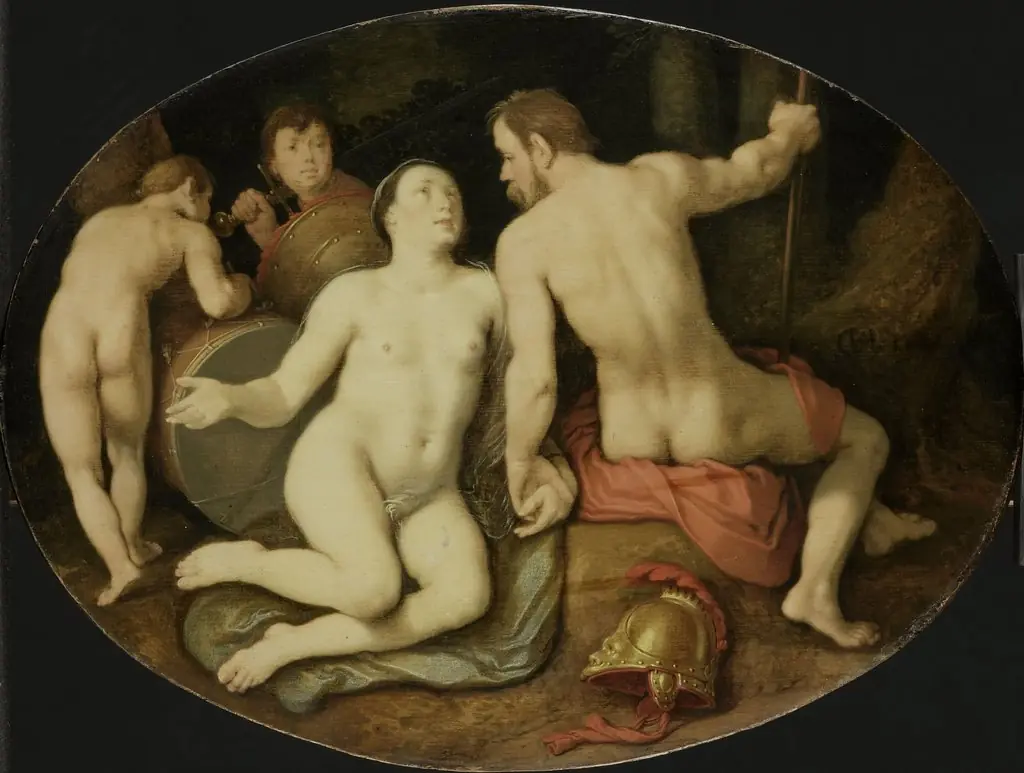
Sine Cerere et Baccho friget Venus (Terentius, Eunuchus, 732)
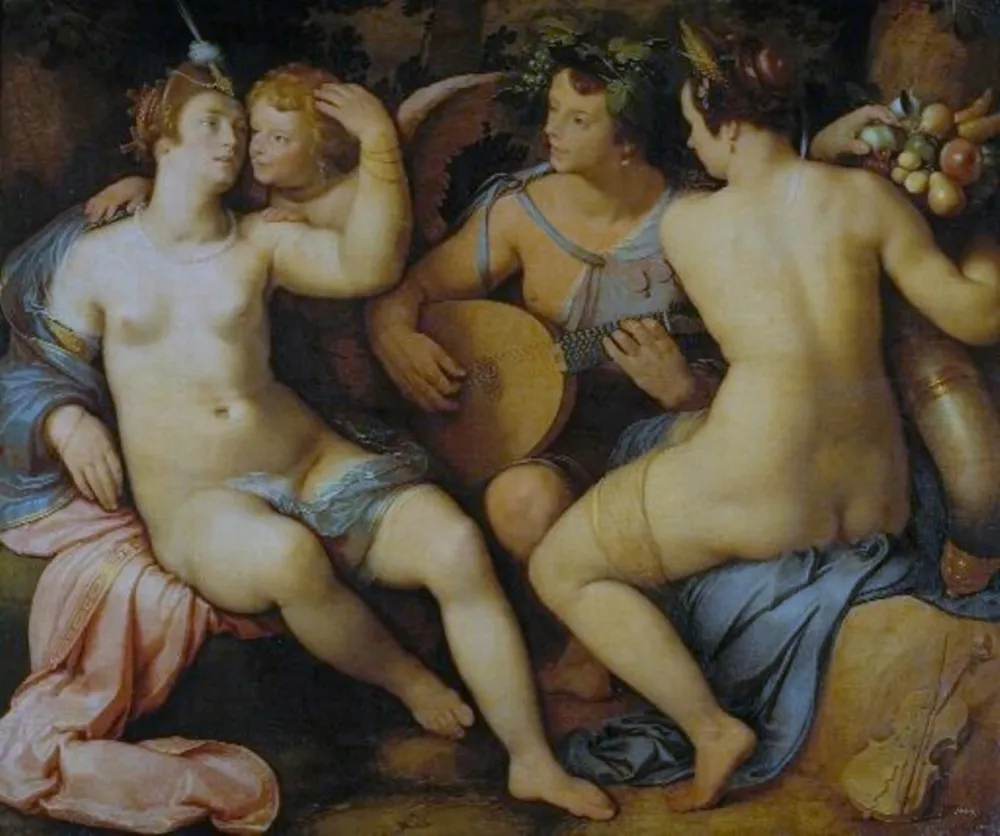
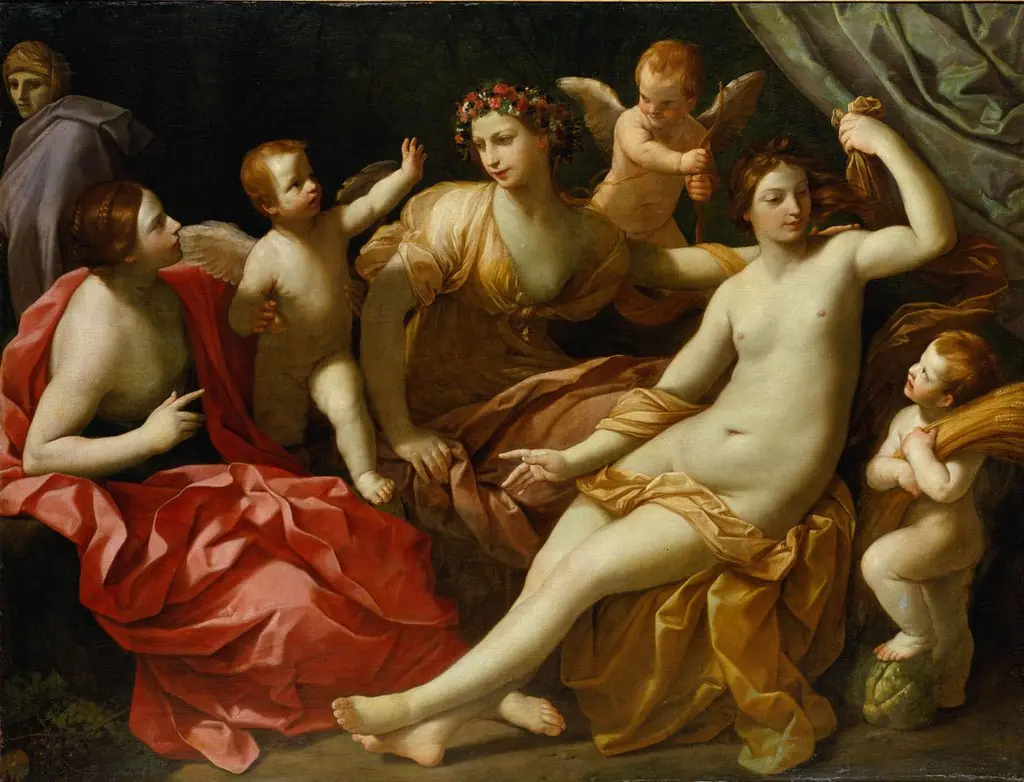
Sine Cerere et Baccho friget Venus (Terentius, Eunuchus, 732) is an oil painting by the Early Baroque Italian artist Cornelis van Haarlem. It dates from 1614 and is held in the collection of the Staatliche Kunstsammlungen Dresden.
About this work
Overview
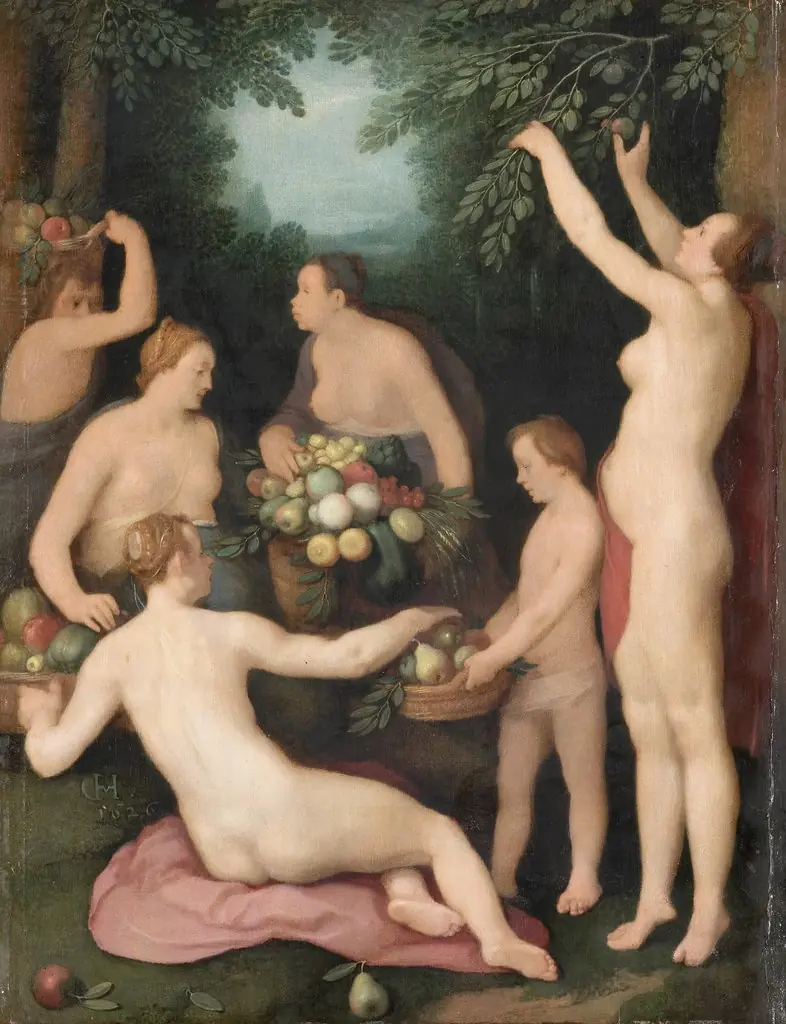
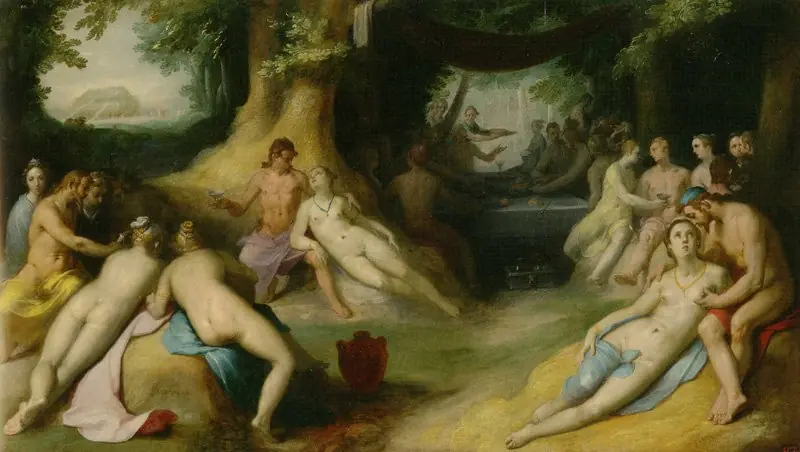
Cornelis van Haarlem’s 1614 oil on canvas, titled *Sine Cerere et Baccho friget Venus*, presents a mythological tableau set in a verdant landscape.
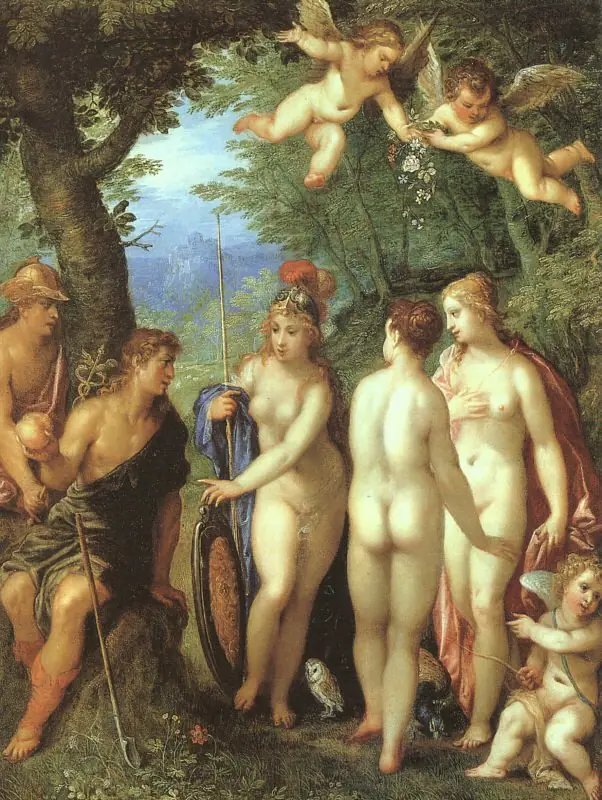
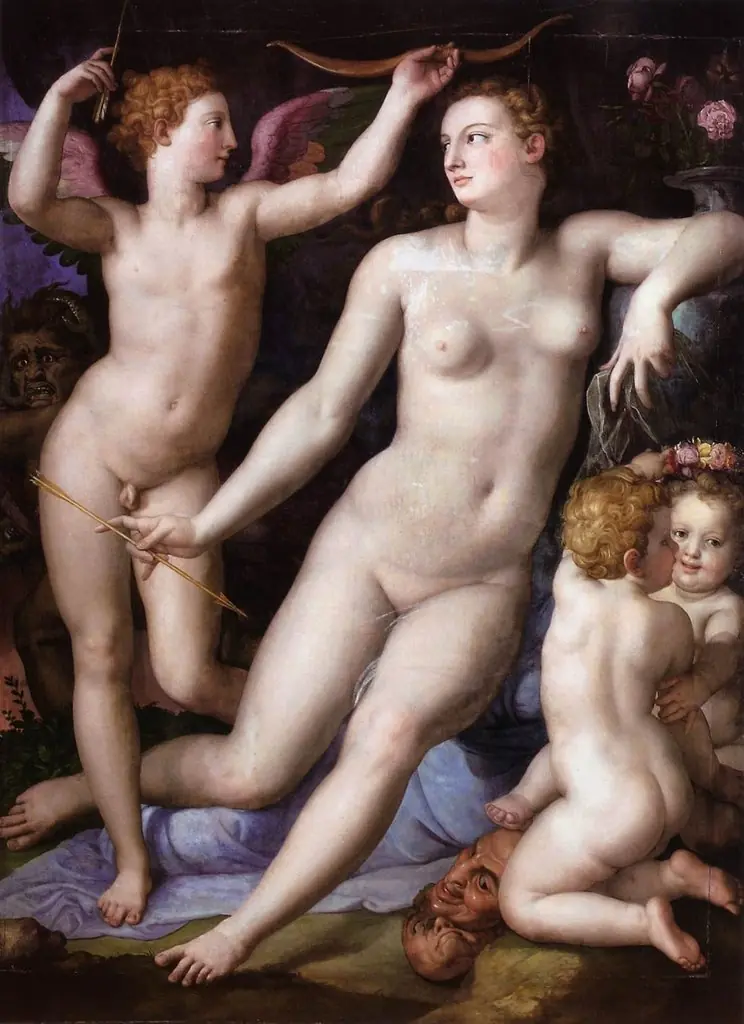
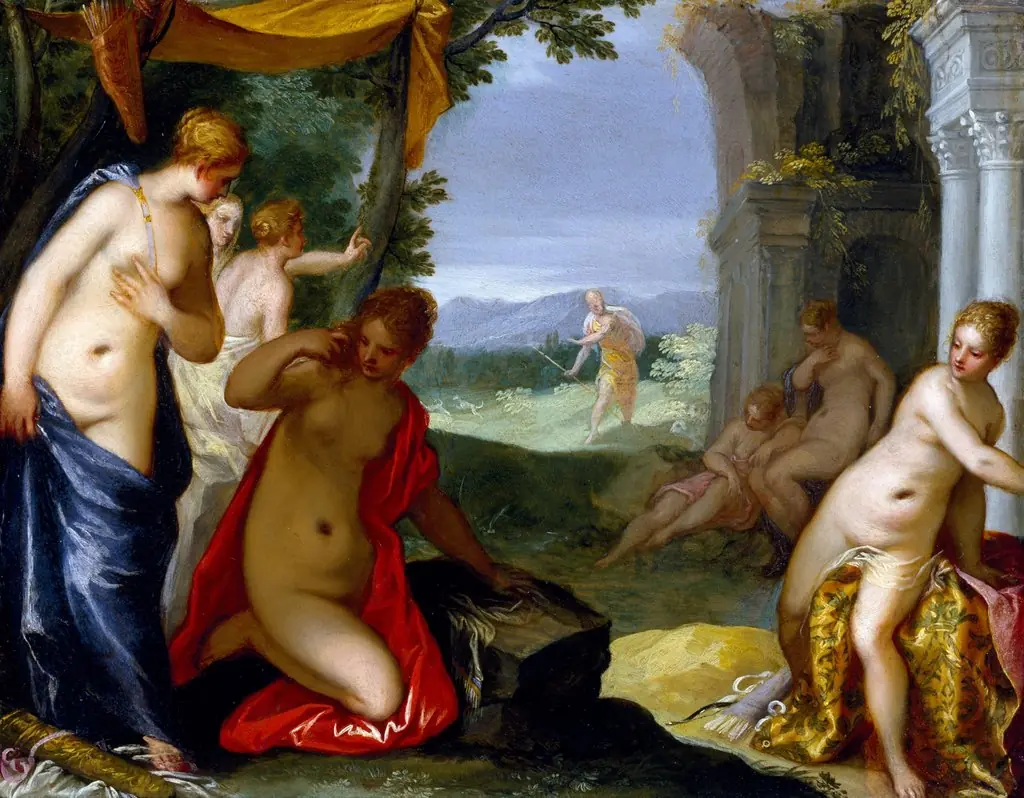
Cornelis van Haarlem’s 1614 oil on canvas, titled *Sine Cerere et Baccho friget Venus*, presents a mythological tableau set in a verdant landscape. Three nude figures occupy the composition: a central female figure turned away from the viewer, a second woman leaning against her, and a male figure seated between them with a musical instrument. The scene is framed by abundant fruit, foliage, and a floral crown, evoking a mood of leisurely abundance.
Subject & Meaning
The title, translating to “Without Ceres and Bacchus, Venus grows cold,” alludes to the ancient proverb that love (Venus) needs the sustenance of food (Ceres) and wine (Bacchus) to thrive. By placing the deities in a lush setting, the work visualizes this idea, suggesting that sensual pleasure and nourishment are intertwined, while the musical instrument hints at harmony among the senses.
Technique & Style
Executed in oil, the painting demonstrates the smooth, refined brushwork characteristic of Northern Mannerism, yet it incorporates the warmer palette and softer chiaroscuro associated with early Baroque sensibilities. Warm earth tones and diffused lighting model the bodies with a gentle three‑dimensionality, while the intricate rendering of foliage and fruit showcases van Haarlem’s skill in detailed naturalism.
History & Provenance
Created in 1614, the canvas entered the collection of the Gemäldegalerie Alte Meister, where it remains on display. Though van Haarlem is primarily known for his Dutch portraiture, this work reflects his engagement with Italianate mythological subjects, a trend among Northern artists seeking to align themselves with classical themes popular in European courts.
Context
The painting exemplifies the cross‑cultural exchange of the early seventeenth century, where Dutch artists adopted Italian mythological motifs while retaining their native Mannerist vigor. Van Haarlem’s treatment of the Venus motif anticipates later Dutch explorations of sensuality and allegory, influencing subsequent generations of painters who blended Northern detail with Southern compositional ideals.
Artist & collection
Artist
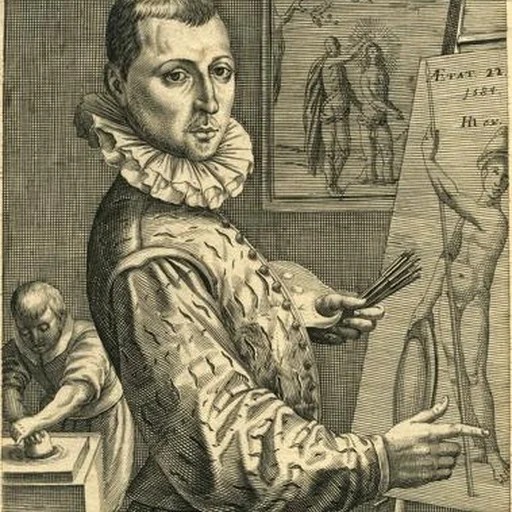
Cornelis Corneliszoon van Haarlem (Dutch: ; 1562 – 11 November 1638) was a Dutch Golden Age painter and draughtsman, one of the leading Northern Mannerist artists in the Netherlands, and an important forerunner of Frans Hals as a…