Artwork
The Four Seasons
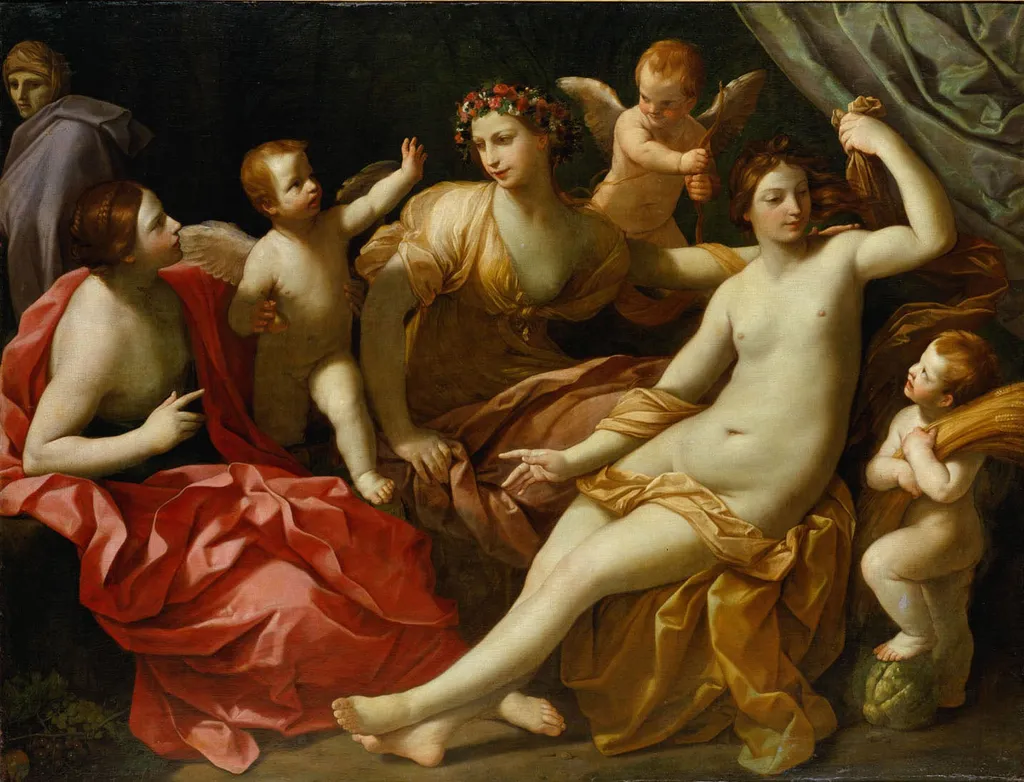
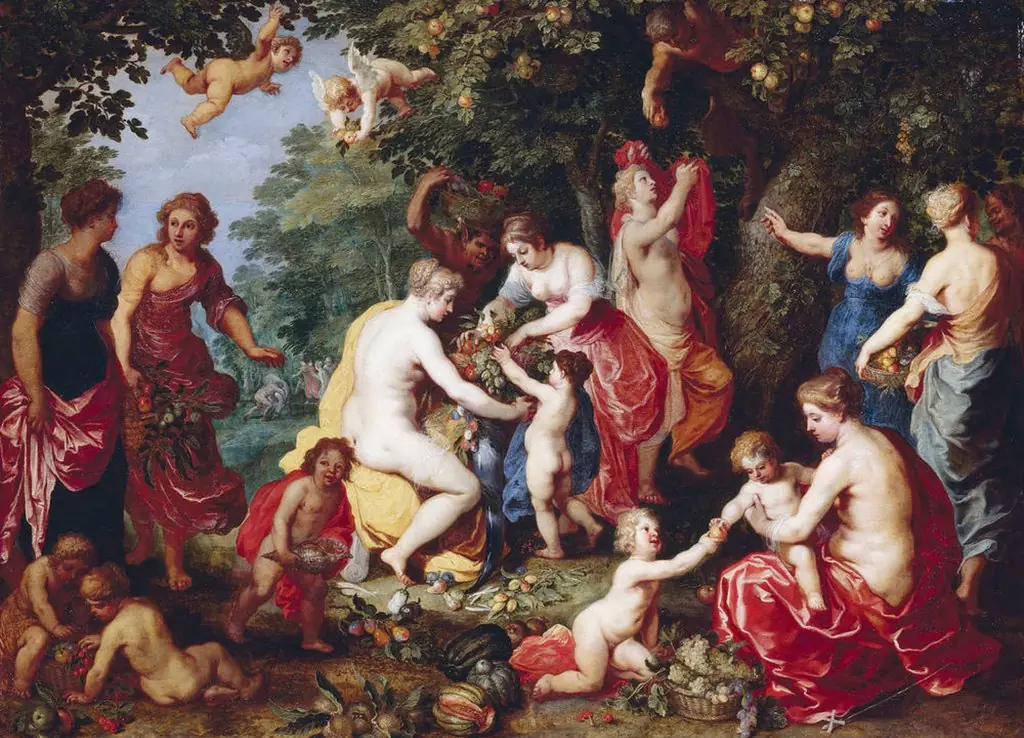
The Four Seasons is an oil painting by the Early Baroque Italian artist Unknown. It dates from 1619 and is held in the collection of the Kunsthistorisches Museum.
About this work
Overview
The Four Seasons is an oil painting depicting a serene yet dynamic scene with four women and two putti (small winged boys) set against a tumultuous, dark background. The composition balances the women's calm, flowing robes with the energetic presence of the putti.
Subject & Meaning
The subject revolves around the embodiment of the four seasons through the four women, each potentially symbolizing a season. One woman's flower crown suggests a connection to spring or summer, while the overall tranquility amidst a stormy backdrop may imply harmony across seasons.
Technique & Style
The artist employed oil paint to achieve a contrast between the vibrant, textured robes of the women (in red, gold, and cream) and the dark, swirling sky. The putti, with their chubby forms and playful gestures, introduce a Baroque-esque sense of movement and joy.
Context
The inclusion of putti, common in Renaissance and Baroque art to symbolize innocence and divine grace, places the painting within a broader European artistic tradition. The dreamy, symbolic approach to depicting the seasons further situates it within a period favoring allegory.
Legacy
While specific influence or direct descendants in art are not detailed here, The Four Seasons reflects and contributes to the ongoing artistic exploration of personifying abstract concepts like the seasons, ensuring its relevance in the study of allegorical painting.
Artist & collection

 Domestic Scene
 Giacomo and Cardinal Marco, investing Andrea, Abbot of San Zeno, with his Benefice
 The Nymph of Fontainebleau
 Portrait of a Woman
 Madonna and Child with Saints in the Enclosed Garden
 Venus and Minerva
 Family Group of Four on Sofa
 Wall painting from Room H of the Villa of P. Fannius Synistor at Boscoreale
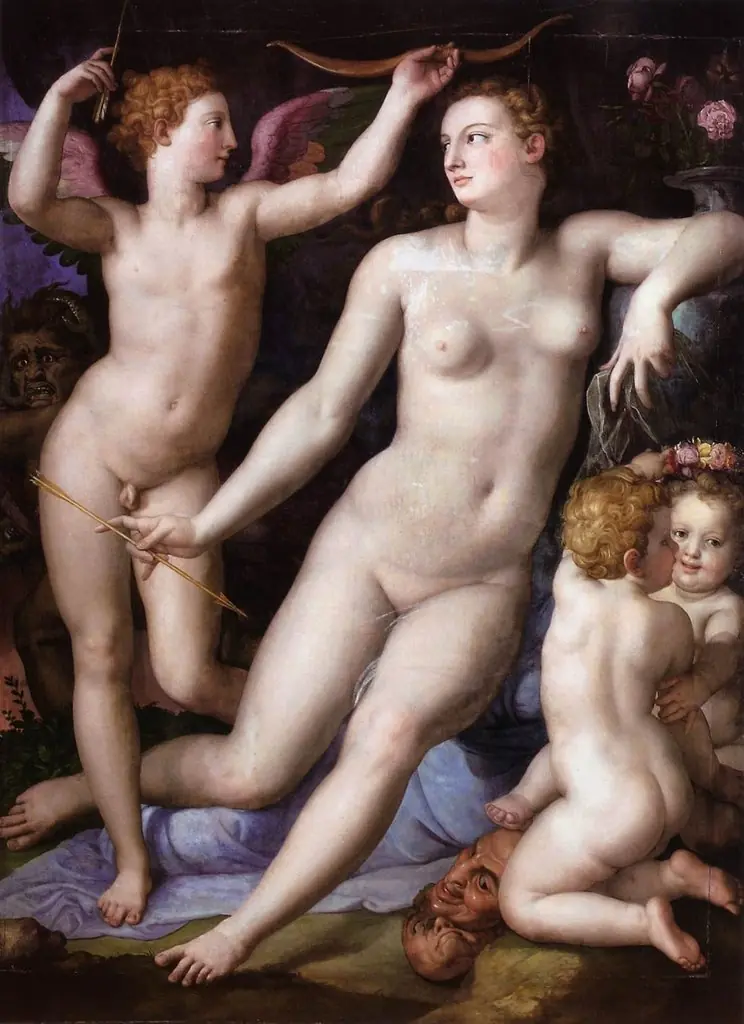 Venus, Cupid and Jealousy
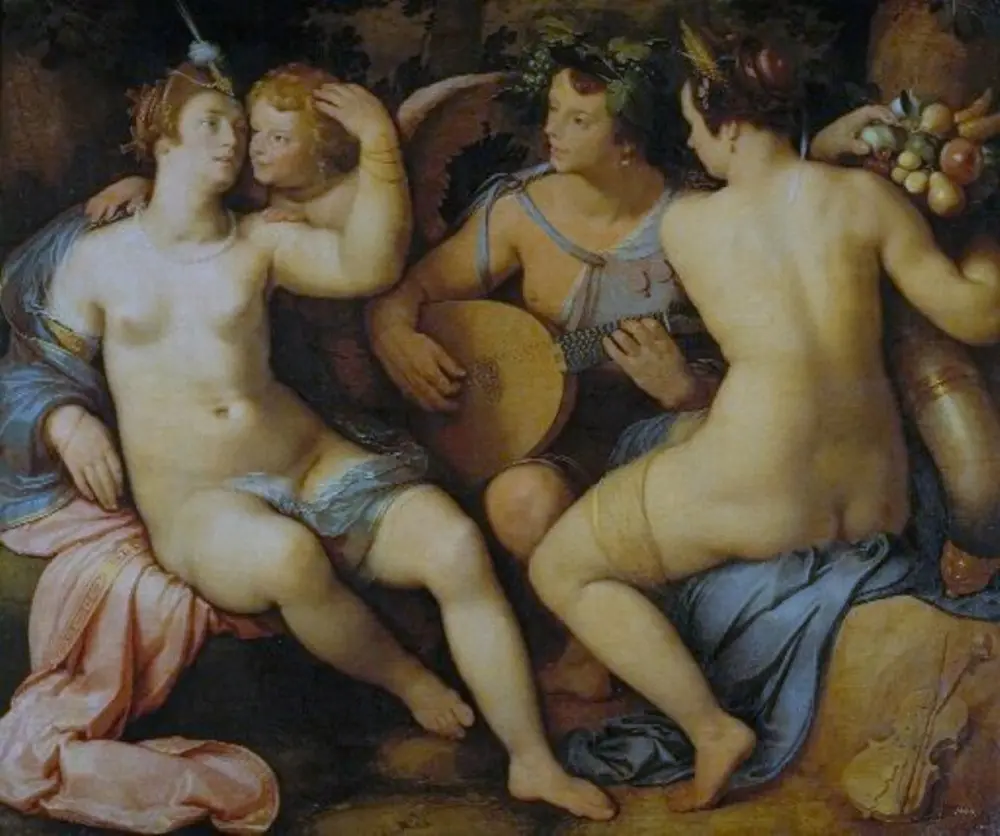 Sine Cerere et Baccho friget Venus (Terentius, Eunuchus, 732)
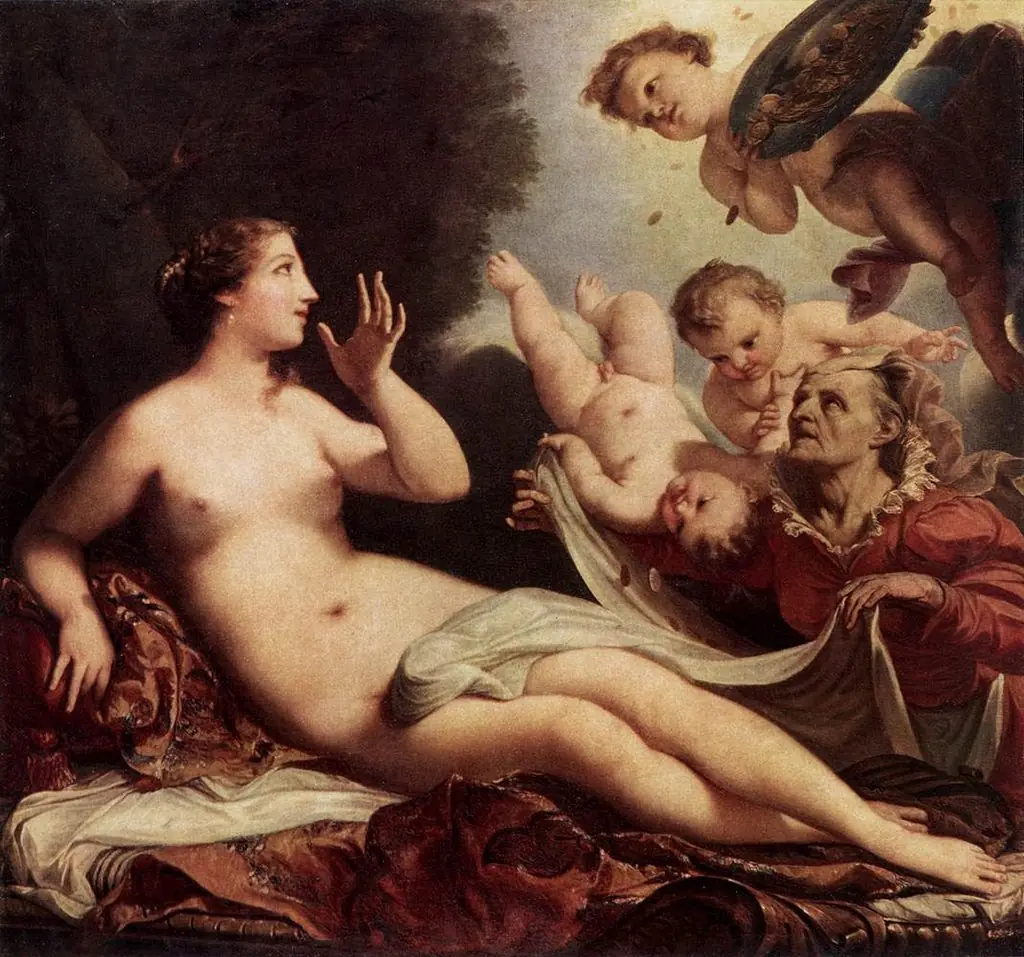 Danaë
Danaë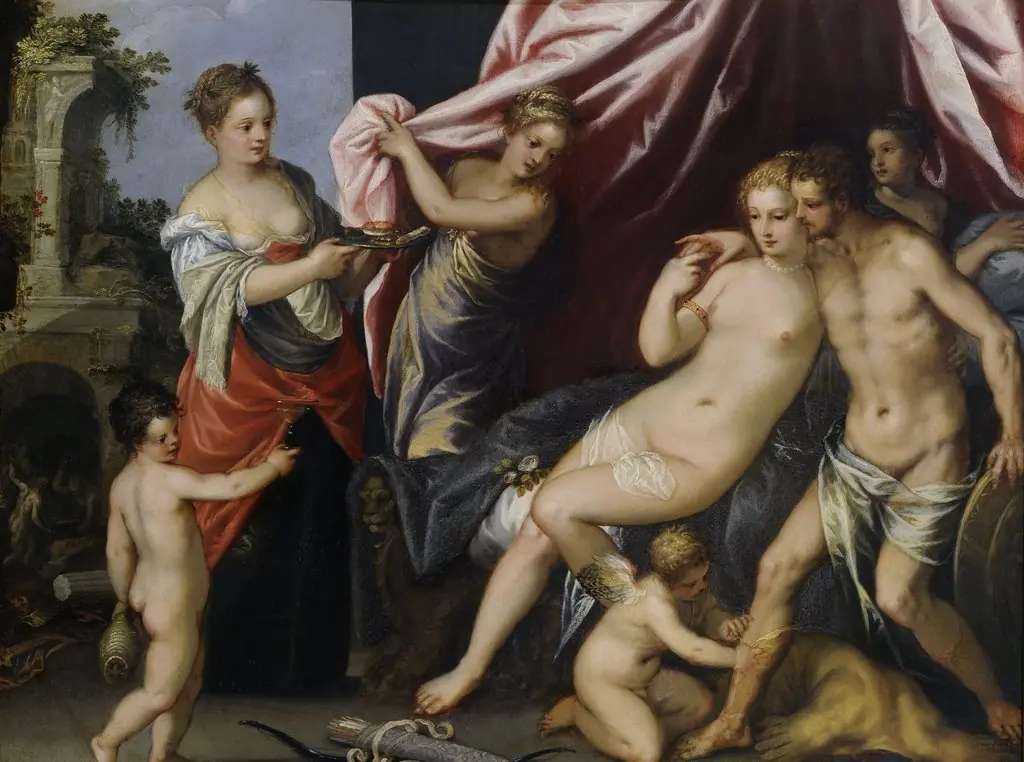 Venus and Mars
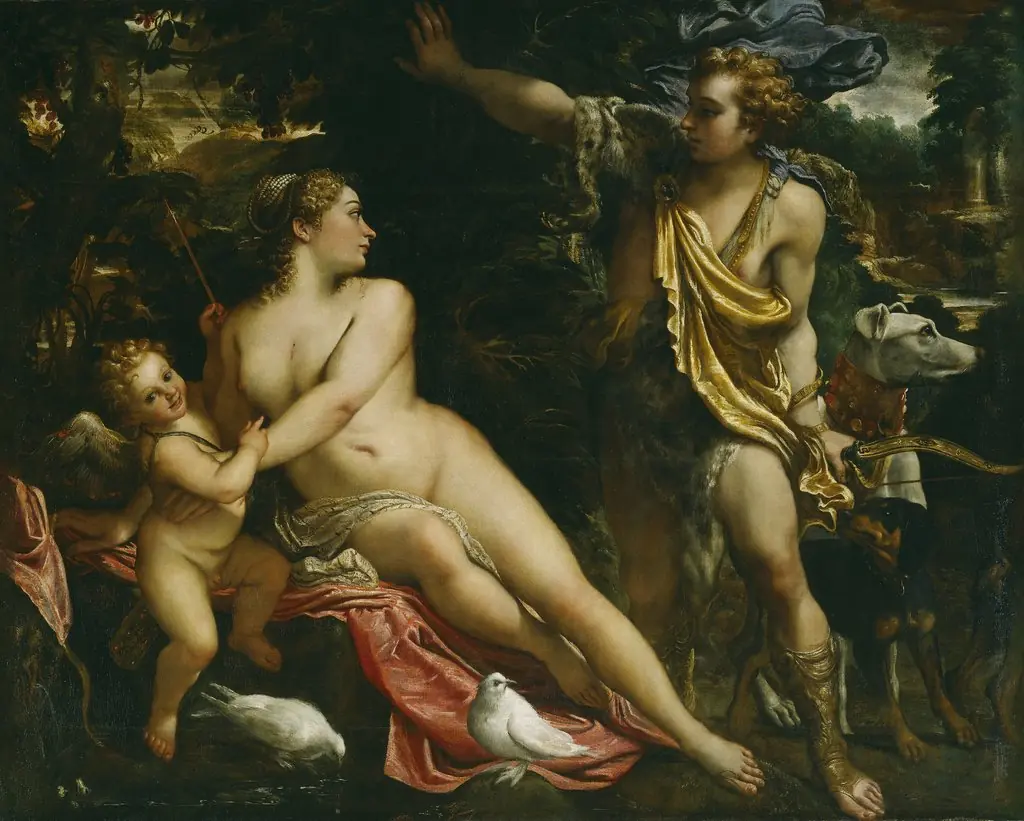 Venus, Adonis and Cupid
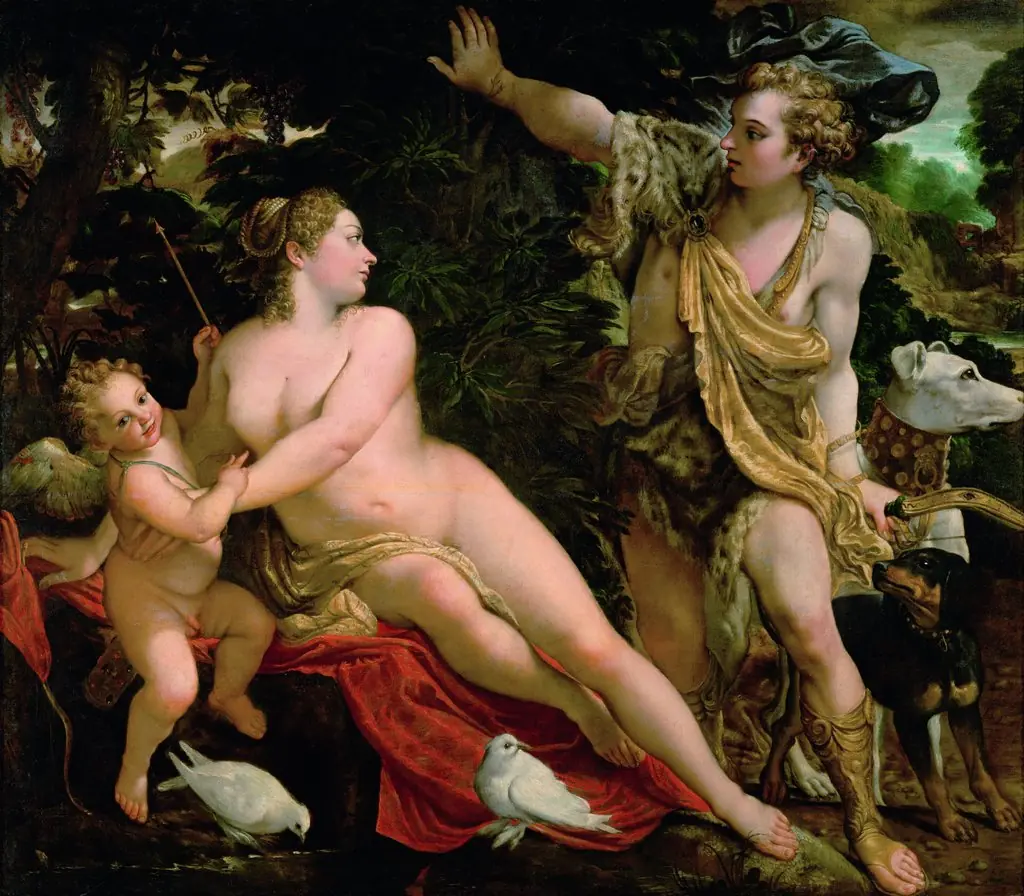 Venus, Adonis and Cupid
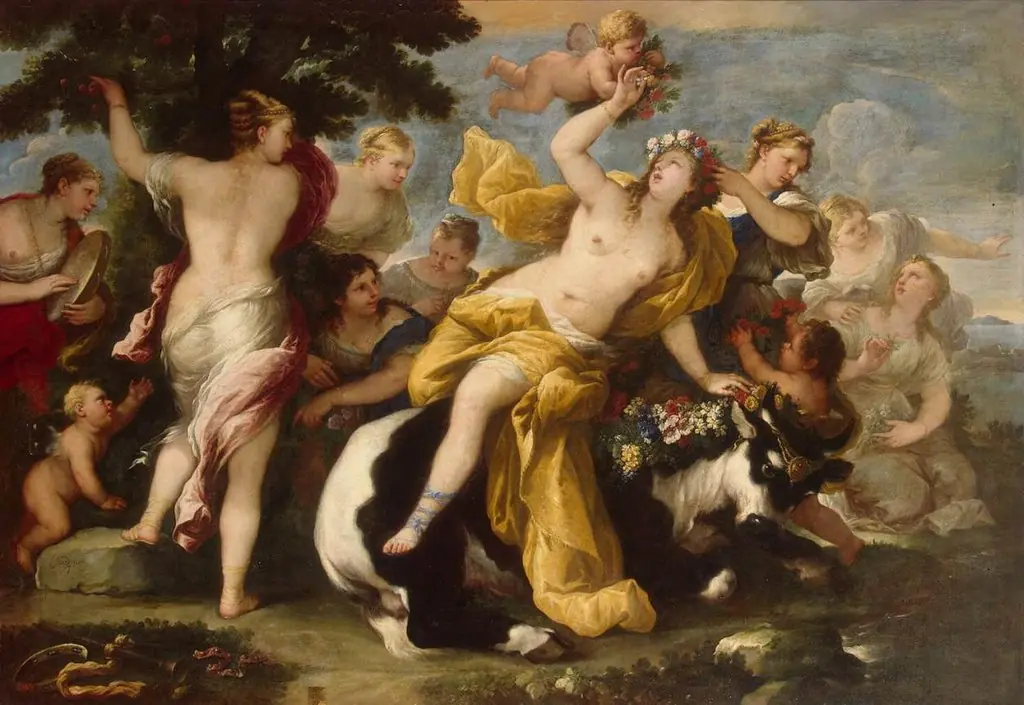 Rape of Europa
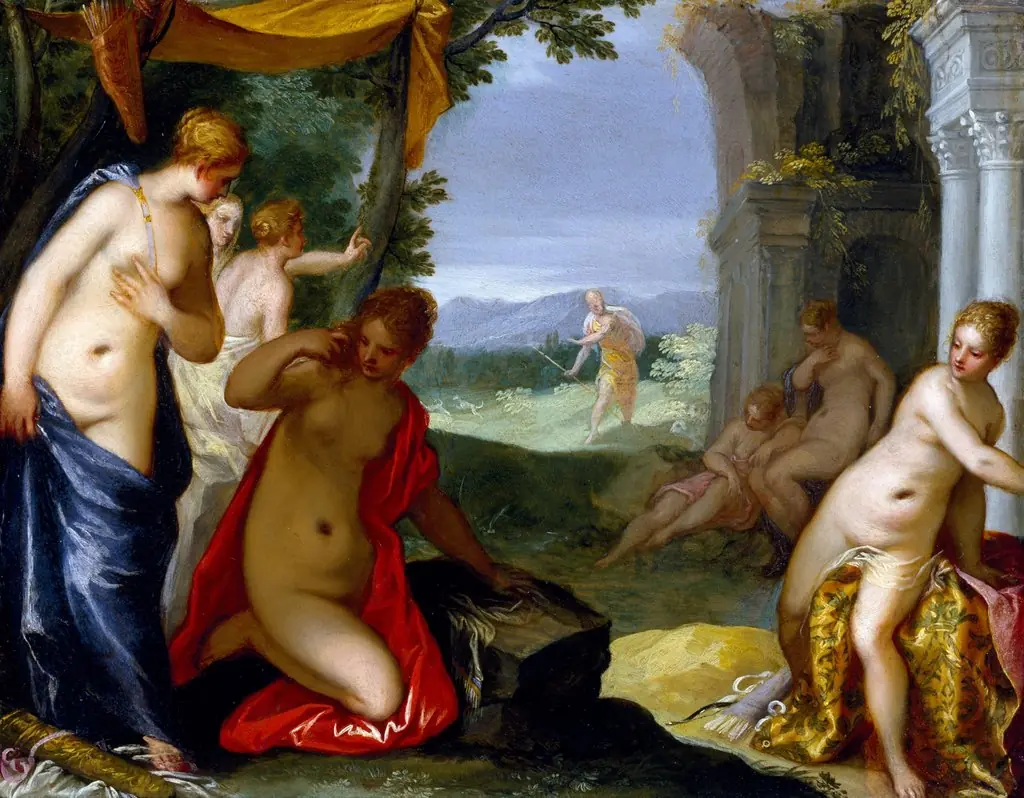 Diana and Actaeon
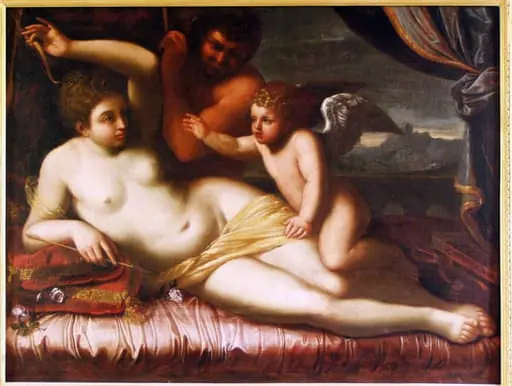 Venus și Amor, pândiți de Pan (în Registrul inventar: Venus și Amor)
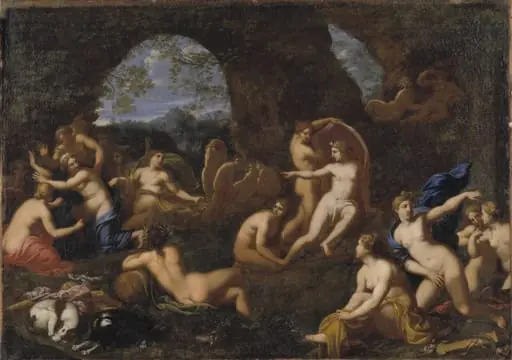 Diana and Callisto
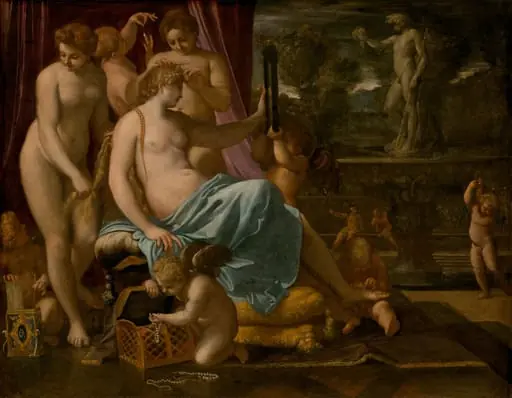 Venus Adorned by the Graces
 Nymphs and children under fruit trees (Naiads fill the cornucopia)